Yale Study Finds Taurine Acts as an Internal Brake on Inflammaging
Researchers discover that immune cells release the amino acid when detecting threats, driving chronic inflammation.
By Letizia Giugliano
2 min readHuman-Edited, AI-Assisted
Scientists at the Yale School of Medicine have discovered how taurine regulates immune reactions during aging, revealing that the amino acid prevents damaging inflammatory cascades. The biological innovation, published in the journal Cell, demonstrates that immune cells leak taurine when triggered by pathogens, removing a critical constraint on cellular inflammation.
Macrophages shed taurine during danger response
The innate immune system serves as the body's first line of defence against pathogens by initiating rapid inflammatory responses. As tissues age, this defence mechanism becomes less precise, leading to chronic low-grade inflammation known as inflammaging. According to research reported by New Atlas, a team at the Yale School of Medicine investigated how immune cells detect threats without carrying distinct receptors for every danger signal.
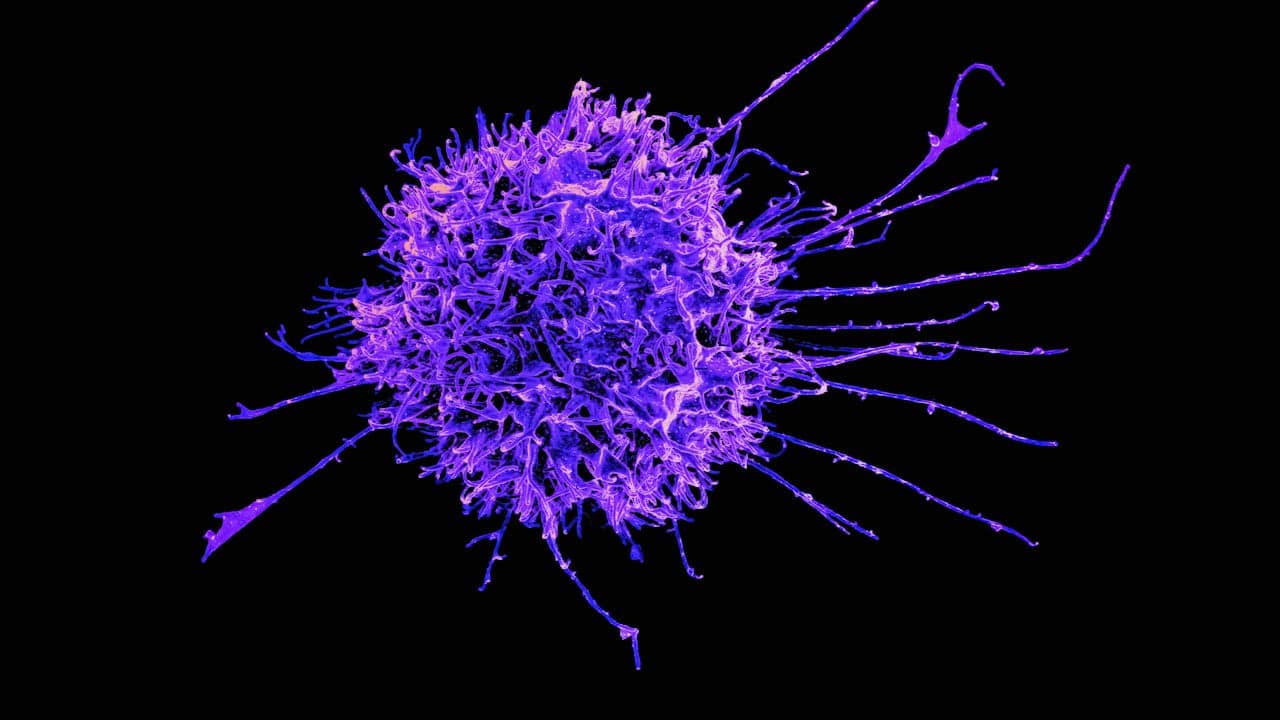
The researchers cultivated macrophages, the specialized white blood cells that isolate and destroy cellular threats, and exposed them to bacterial toxins. Upon sensing the danger signals, a molecular structure called the NLRP3 inflammasome assembled inside the cells. During this assembly, the macrophages released up to 80% of their internal taurine reserves into the surrounding space. When researchers returned taurine back into the cells, the downstream inflammation normally caused by NLRP3 was effectively halted.
“Now we know that taurine allows immune sensing and is one of the brakes within the cells that is keeping the inflammasome in check”
— Vishwa Deep Dixit, Director of the Yale Center for Research on Aging
Blood serum levels rise in older adults
Previous investigations in 2023 linked taurine to healthy aging in animal models, while caloric restriction trials lasting up to 12 months showed higher taurine levels alongside reduced inflammation. To measure how human aging alters this molecule, the Yale team analyzed blood serum samples from adults aged 20 to 40 and compared them to individuals aged 60 to 99 years.
Serum taurine did not drop in older donors as many metabolic compounds do. Instead, systemic levels increased with age. Senior author Vishwa Deep Dixit, director of the Yale Center for Research on Aging, noted that the rise in circulating taurine likely reflects the body attempting to counter overactive immune responses as older macrophages continuously leak their internal supply. When the team lowered taurine levels inside the macrophages of mice, NLRP3 inflammation increased even in young animals.
Targeting cellular retention for therapeutic development
Because taurine does not decline in the bloodstream with age, simply increasing dietary intake through foods such as seafood, seaweed or dark meat is unlikely to resolve inflammaging. The central problem lies in cellular retention rather than nutritional deficiency. The study, published in Cell, indicates that retaining taurine inside the cell keeps the molecular brakes applied to the inflammasome.
Turning this discovery into practical clinical therapies forms the next phase of work. Developing molecular methods that stop macrophages from shedding taurine represents a potential therapeutic invention for chronic inflammatory diseases. Dixit and his colleagues plan to investigate why aging immune cells lose their ability to retain the amino acid and trace where the released taurine travels across peripheral tissues, establishing foundations for future technology transfer to drug development pipelines.
Read also on The Patent: Kew Scientists Unmask False Lingzhi to End a 245-Year Mushroom Mystery · Solar and Soil Biobattery System Produces Urea Directly in the Field