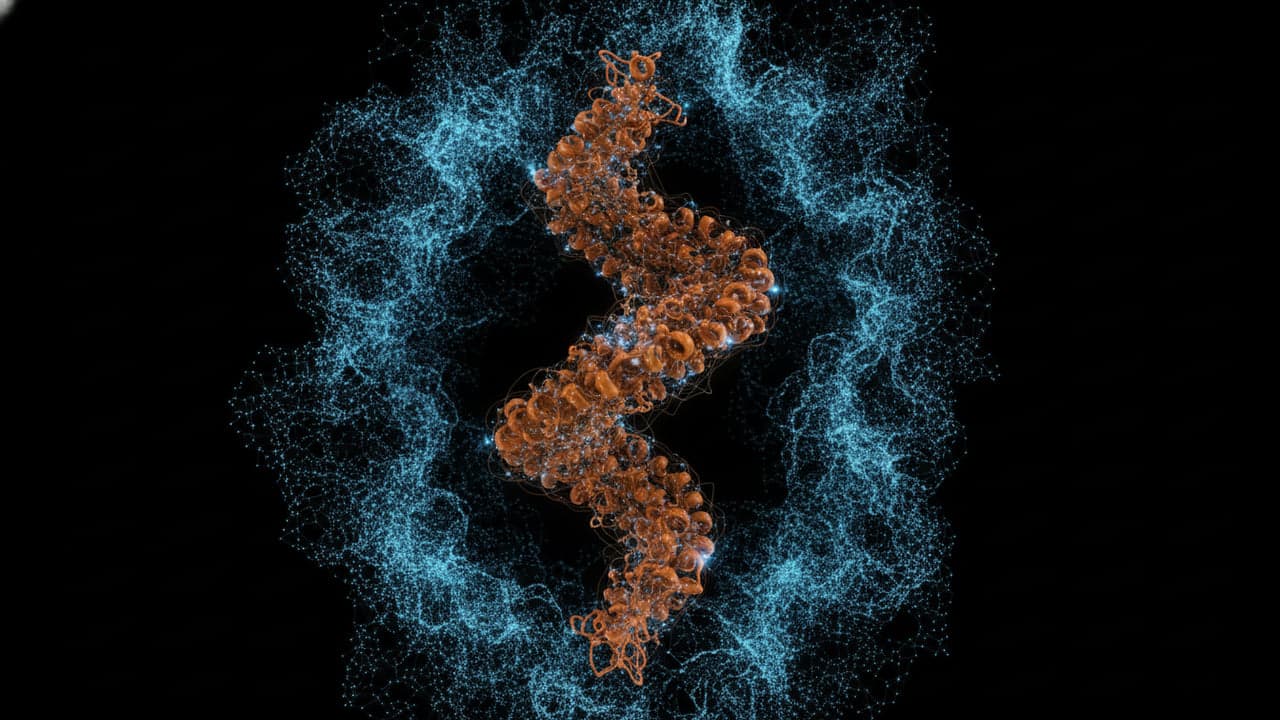
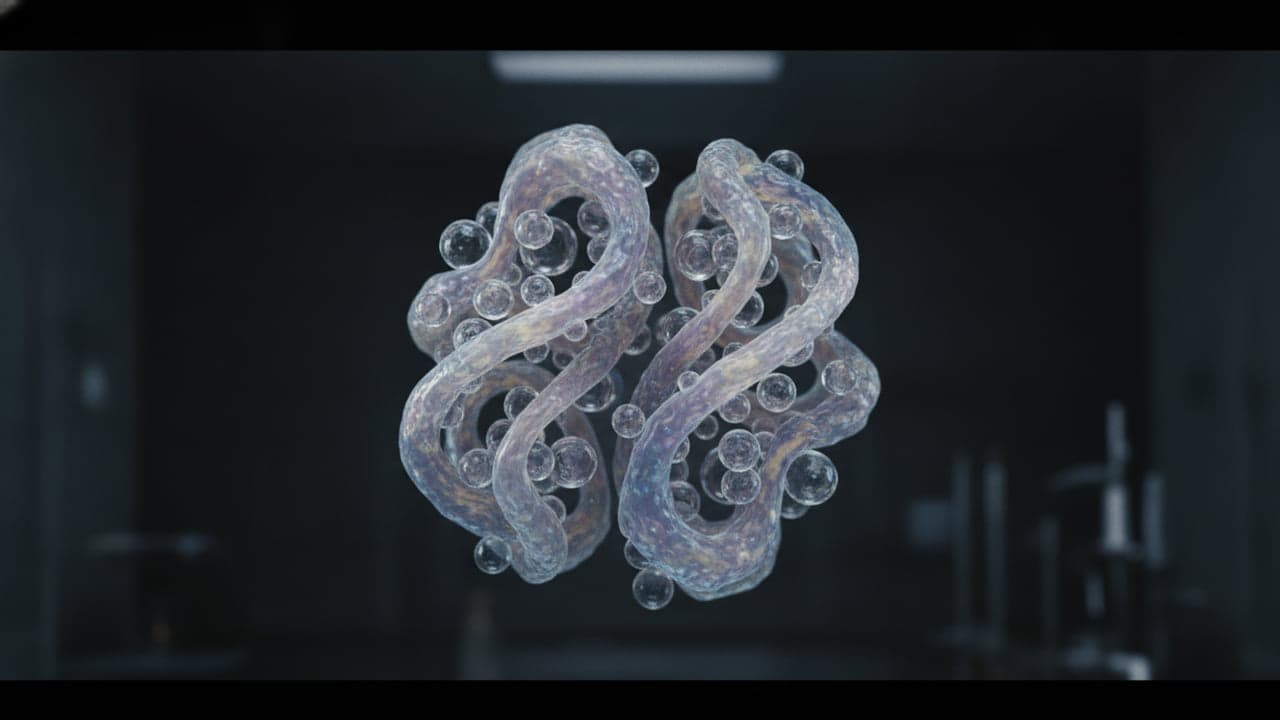
A mushroom that carries psilocybin and deadly toxins, a first
Interesting Engineering's science feed listed the find on 14 November 2026 without naming a species, a research group or a journal
By Letizia Giugliano
3 min read

Interesting Engineering's science desk listed a first on 14 November 2026: a dark magic mushroom that carries both psilocybin and what its headline calls deadly toxins. The item ran under the title "World's first dark magic mushroom contains both psilocybin and deadly toxins" in the outlet's daily science feed. The listing names no species, no laboratory, no journal and no patent or patent application behind the find.
What the 14 November entry actually says
The item sits in the Science feed of Interesting Engineering on 14 November 2026, between a story about a newly described dinosaur and one about ocean carbon uptake. Its headline makes three claims: the fungus is dark, it is the first of its kind, and it holds two kinds of compound, psilocybin and toxins the headline calls deadly.
The listing stops there. No species name, no country of collection, no laboratory and no journal appear in the text around the entry, and no byline is attached to that particular item, unlike the neighbouring stories credited to named reporters.
Read also on The Patent: GAO Warns USPTO Backlog Targets Risk Failure Under Staff Strain · Australian Federal Court Clears Samsung Bioepis in Pfizer Enbrel Patent Dispute
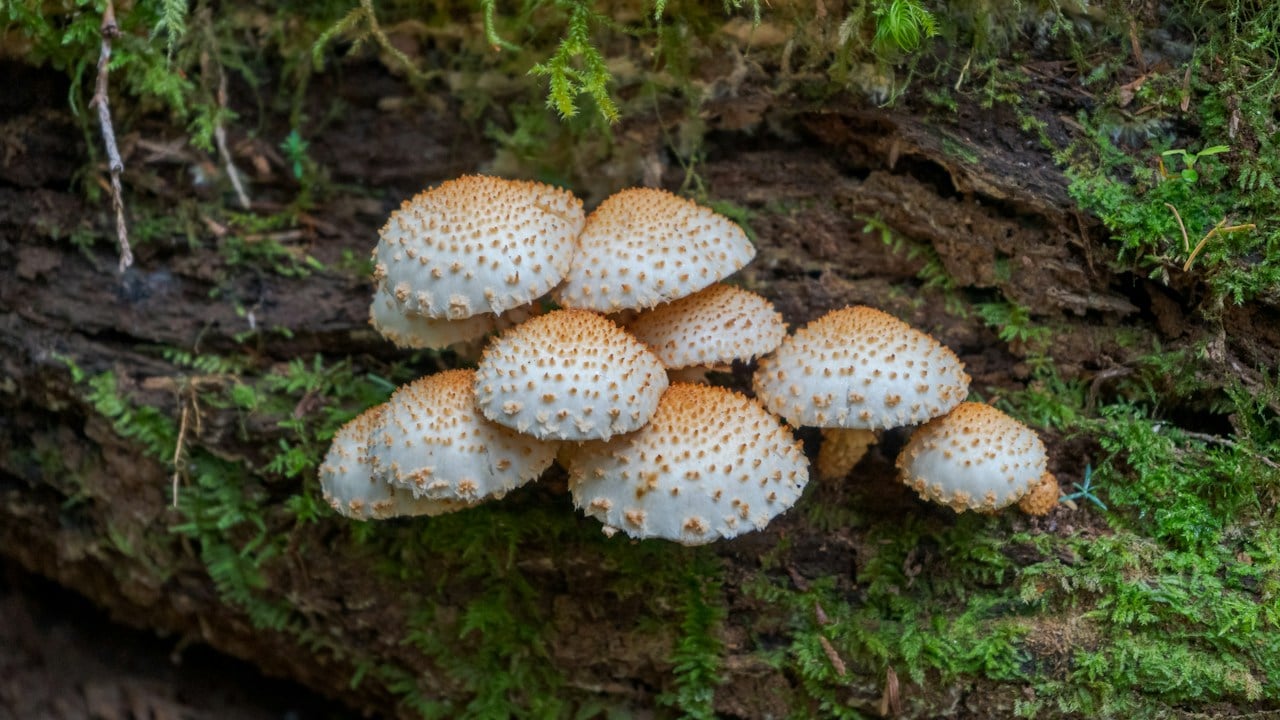 Photo: Nathan Karsgaard / Unsplash
The outlet sets a careful standard for the section it filed the story in. It says its Science category covers "methods, evidence, and the process that turns observations into something reliable enough to build on", and that peer review, reproducibility, instrumentation and data quality matter as much as the results (Interesting Engineering).
Psilocybin plus toxins: what the combination means
Psilocybin is the alkaloid that gives magic mushrooms their psychoactive effect. The headline adds a second group of compounds, described only as deadly toxins, inside the same fungus. The entry does not say which toxins, at what concentration, or whether both groups sit in the fruiting body, in the mycelium or in different tissues.
That gap has a practical edge. A reader of the headline alone cannot tell whether the two compound groups occur together in the part of the mushroom someone might pick, or whether they are separated in the organism.
The entry names no patent, no patent application and no commercial partner. In the listing, the find is framed as a scientific report rather than as a protected invention: there is no filing, no granted right and no technology transfer deal described. Patents on fungal compounds are not mentioned at all.
Three more biology items in the same feed
Maria Mocerino wrote up a study on how fruit flies shield themselves from heat, filed under the headline "Scientists discover hidden barrier that protects fruit flies from rising heat". Her summary says the team adapted industrial methods to work out how the insects protect themselves from dehydration. The entry was listed eight days before the mushroom story, and the feed gives no research group or journal for it (Interesting Engineering).
Sujita Sinha reported a North Atlantic right whale calf weighing 15,000 pounds, spotted off Canada, which brought the known total for the critically endangered species to 24. Her item was listed six days before the mushroom entry.
A third story, by Maria Mocerino, covered an analysis of 30 years of atmospheric data. It found that the oceans took up 35% of fossil fuel carbon dioxide while absorption by land declined, a result the headline says overturns existing climate models.
What would make the word first checkable
A claim of a world first in mycology normally rests on a described species, a deposited specimen, a chemical analysis of the compounds and independent review. By the standard the outlet sets for its own science coverage, those are the elements a reader would need before repeating the claim.
None of them appears in the listing. The entry gives a headline, a date and a category, and nothing else that a reader could check against a herbarium record or a chemical dataset.
The mushroom item is dated 14 November 2026 and sits in a feed that the outlet refreshes daily with new science and engineering stories (Interesting Engineering).
AI-assisted article