University of Michigan finds how bacteria survive making cancer drug doxorubicin
University of Michigan researchers found that a protein next to the doxorubicin assembly line shields the microbe from its own toxic byproducts and, unexpectedly, speeds up the reaction
By Giovanni Sapere
4 min read
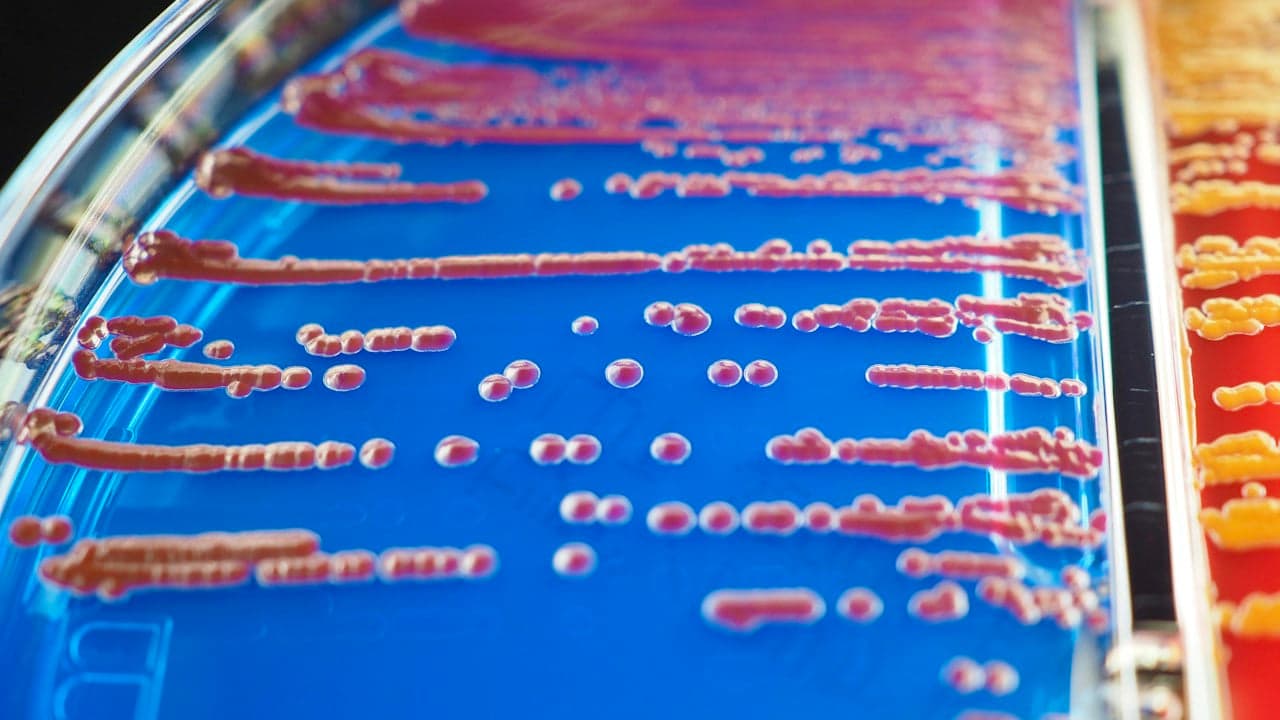
Bacteria that make doxorubicin, a widely used anticancer drug, carry a protein that protects them from the chemistry they use to build it, researchers at the University of Michigan report. The study, published in Science on 19 November 2026, names the gene DnrV and describes a family of more than 40,000 related proteins that the team called REACT. The result gives drug hunters a new marker for finding natural compounds and a tool for drug innovation in microbes.
A paradox inside the doxorubicin assembly line
In the lab of David Sherman at the U-M Life Sciences Institute, researchers were studying how Streptomyces bacteria manufacture doxorubicin. The final step of that process needs an enzyme called CYP450, part of a large family of enzymes that drive oxidation chemistry inside cells.
While trying to push the bacteria to make more of the drug, the team ran into a contradiction. The conditions CYP450 needs to work were also breaking the doxorubicin molecule down. Sherman, the senior author, put it this way: "The organism that produces this anticancer drug is doing so under conditions that can also lead to destruction of the drug."
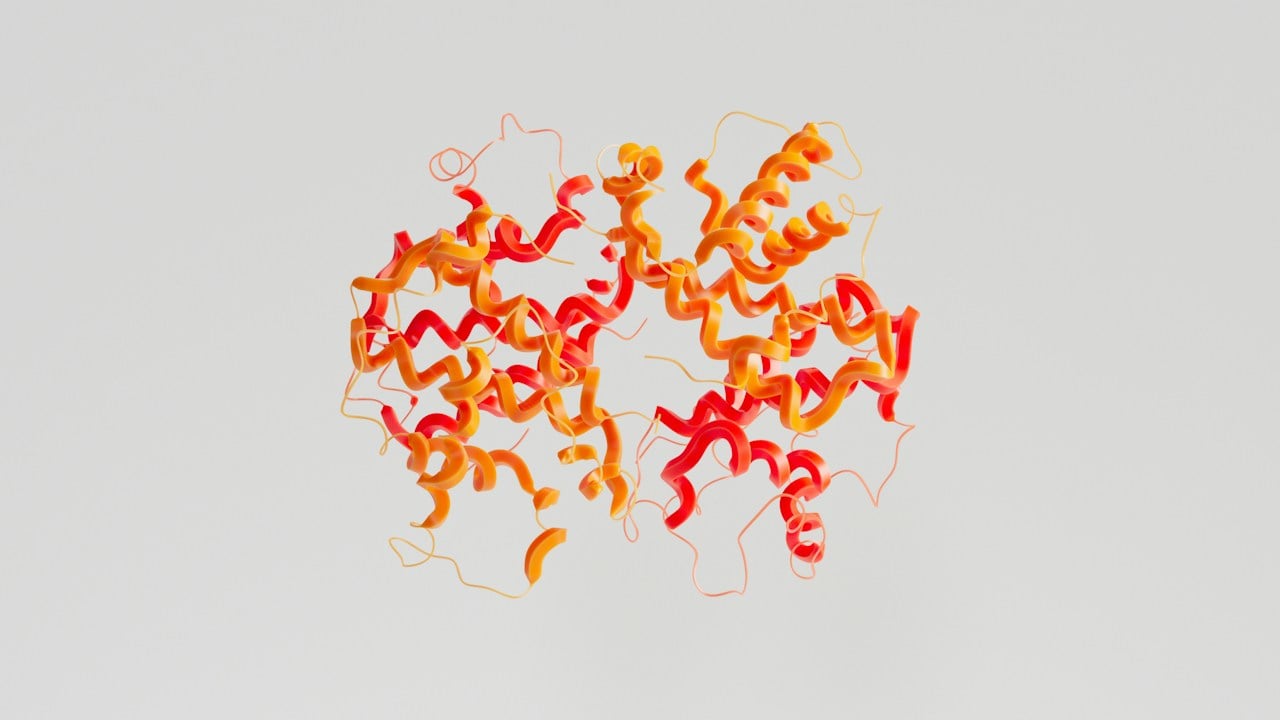 Photo: Anirudh / Unsplash
Read also on The Patent: A mushroom that carries psilocybin and deadly toxins, a first · TRF2 Protein Preserves Muscle Stem Cells and Prevents Scarring
Something in the natural system had to be holding the drug together.
“The organism that produces this anticancer drug is doing so under conditions that can also lead to destruction of the drug.”
— David Sherman, University of Michigan Life Sciences Institute
“It felt a bit like unraveling a ball of yarn.”
— Hannah Boesger, first author of the study, University of Michigan
DnrV does three jobs at once
The answer sat next to the enzyme. Analysing the gene cluster that Streptomyces uses to build doxorubicin, the researchers found a gene called DnrV, directly beside the CYP450 gene, that was essential for keeping the drug molecule intact.
The protein turned out to do more than that. CYP450 reactions release reactive oxygen species (ROS), unstable molecules that can mutate DNA and damage cell function, and DnrV protected the bacteria against them. It also boosted the enzyme itself, making the reaction more efficient.
"The most surprising aspect is its third function, which is that this protein was actually enhancing the function of the CYP450 enzyme," Sherman said. The bacterium and the molecule it builds are shielded by the same protein.
A family of more than 40,000 proteins
Bioinformatic and genetic comparisons then took the work beyond one bacterium. Sherman and his colleagues identified a broad family of more than 40,000 proteins with similar roles in plants, bacteria and fungi, which they named REACT, short for REdox-Associated CytoToxin binding.
"It felt a bit like unraveling a ball of yarn," said Hannah Boesger, a graduate student in the Sherman lab and first author of the study. A single puzzle about doxorubicin led to a group of proteins that guard both the microorganism and the chemicals it makes.
A marker for genomes nobody has read yet
About half of the pharmaceuticals on the market today trace their origins to chemical products made by microscopic organisms such as bacteria and fungi. REACT proteins, the authors argue, can work as a genetic marker for that search: a gene cluster carrying one is probably making a compound with anticancer or antimicrobial activity.
"Now we can begin to mine the genomes of other organisms for gene clusters that contain a REACT protein," Sherman said. The proteins may also be used to build natural products more efficiently or to make new compounds with different pharmaceutical properties.
Sean Newmister, a research scientist in the lab and a senior author, pointed to pairings of the two protein classes in engineered systems. P450 enzymes, he said, "enable reactions that traditional chemical approaches cannot readily perform, and REACT proteins appear to enhance P450 activity."
What the release does not say about patents
The University of Michigan announcement of the paper makes no mention of a patent application, licence or other intellectual property claim on DnrV or on the REACT family. Nor does it say whether the university's technology transfer office is pursuing protection on engineered P450-REACT systems, the route Newmister sketched for future work.
What is on the record is the publication itself, a peer-reviewed paper in Science, and the funding and authorship of a university laboratory. For now the contribution to the field is the discovery and the tool it hands to other labs, not an exclusive right to use it.
AI-assisted article