Human immune cells can engulf amoebae, Louisville study finds
Macrophages and neutrophils swallowed two amoeba species previously thought too large for them, while Entamoeba histolytica escapes with a "kiss and run", researchers report in mBio.
By Letizia Giugliano
3 min read
Immune cells can surround and destroy amoebae, a team at the University of Louisville reports in the journal mBio. The finding, published on 16 November 2026, contradicts a belief held for more than a century: that single-celled amoebae are too big for human immune cells to swallow. The paper names no patent application or commercial partner, so the result stands as basic immunology, not yet a product.
Macrophages wrap a membrane around amoebae larger than themselves
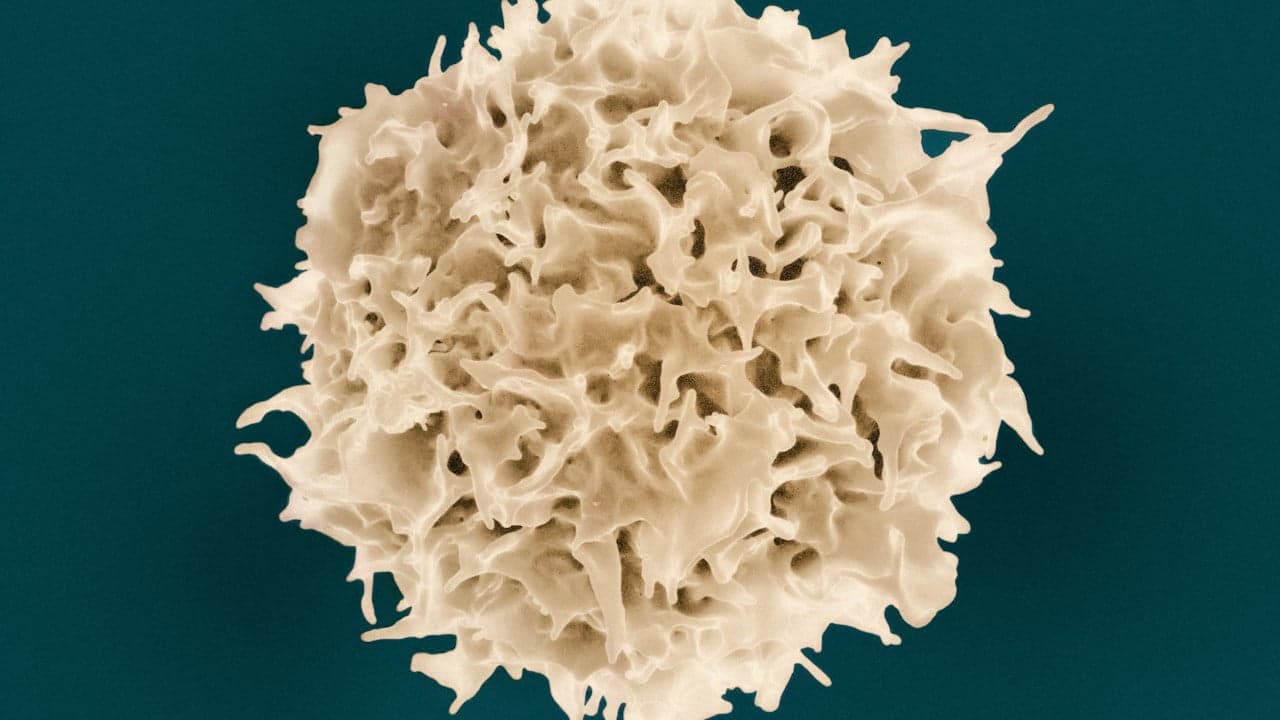
Human macrophages and neutrophils, two front-line types of immune cell, engulfed Acanthamoeba polyphaga and Vermamoeba vermiformis in the Louisville experiments, according to the study published in mBio (Phys.org). Scanning electron microscopy images show macrophages forming a fiber membrane around live amoebae, with white arrows marking close contact before the cells are taken in.
"Human macrophages and neutrophils can efficiently engulf two species of amoebae," said Yousef Abu Kwaik, professor in the Department of Microbiology and Immunology at the UofL School of Medicine and lead author of the work. The study is a collaboration between his laboratory and Ryan Doster, assistant professor of infectious diseases at the same university.
Read also on The Patent: Innovation Village 2025 concluded: ten years among business, research and young talent for the South’s leading network dedicated to innovation · 4 th International Exhibition – InventCor
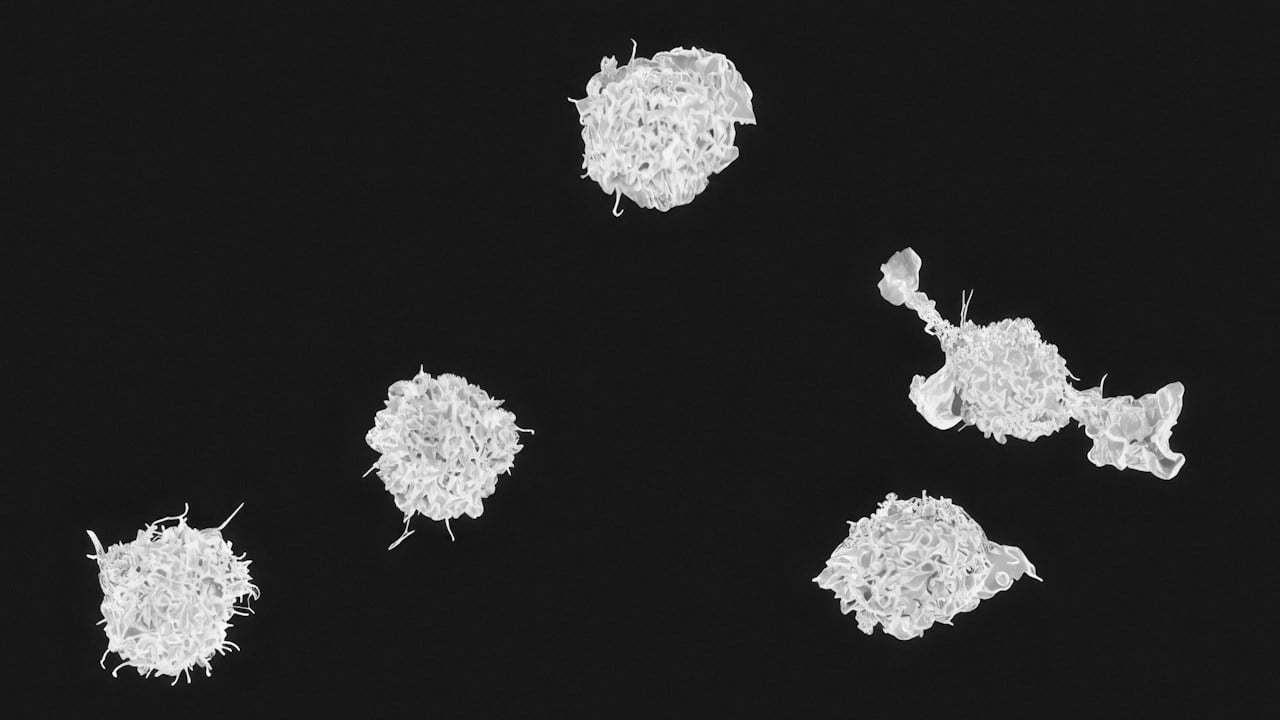 Photo: National Institute of Allergy and Infectious Diseases / Unsplash
The process at work is phagocytosis, in which an immune cell surrounds, swallows and destroys an invading microbe. It has been recognised for more than a century as one of the body's first defences against infection.
“This paradigm shift in our knowledge promises to generate new research for better treatment of amoebic infections”
— Yousef Abu Kwaik, professor of microbiology and immunology, University of Louisville
Entamoeba histolytica touches and leaves: the "kiss and run"
A third species behaved differently. Entamoeba histolytica appears to dodge the defence by making brief contact with immune cells and then escaping, a strategy the authors call "kiss and run" (Phys.org).
Macrophages can still take in dead E. histolytica cells, the microscopy images indicate. The distinction matters for anyone reading the result as a general rule: two species are engulfed, one is not, and the difference sits in how the amoeba interacts with the immune cell membrane rather than in the size of the target.
Why the textbook view lasted so long
Amoebae are single-celled organisms found in freshwater, saltwater and moist environments, and various species are believed to cause more than 100 million severe infections worldwide every year (Phys.org). Antibiotic treatment is often effective, but scientists had assumed the body's own immune cells could not defend against amoebae at all.
The Louisville work overturns that assumption for two of the species tested. Abu Kwaik framed the result as a change of premise rather than a treatment: "This paradigm shift in our knowledge promises to generate new research for better treatment of amoebic infections." Any clinical application remains unproven, and the paper reports laboratory findings, not patient outcomes.
The conceptual innovation is narrow and specific. Immune cells are not restricted to microbes smaller than themselves, as the old model held.
No patent in the paper, and what that leaves open
The study, written by Christopher T. D. Price and colleagues and published with DOI 10.1128/mbio.02294-26, names no patent, no pending application and no industry partner (Phys.org). Publication in a peer-reviewed journal makes the finding public, which is also what matters for intellectual property: a disclosed result becomes prior art for anyone who later tries to claim it.
What the paper describes is a discovery about immune behaviour, not an invention with a defined use. Turning it into a diagnostic, a vaccine-adjacent strategy or a drug would require further research, and the sources describe none.
The next step the authors point to is more work on treatment. Abu Kwaik said the finding promises to generate new research for better treatment of amoebic infections (Phys.org).
AI-assisted article