News

Biology

UConn Study Shows Water Governs Human Tissue Elasticity

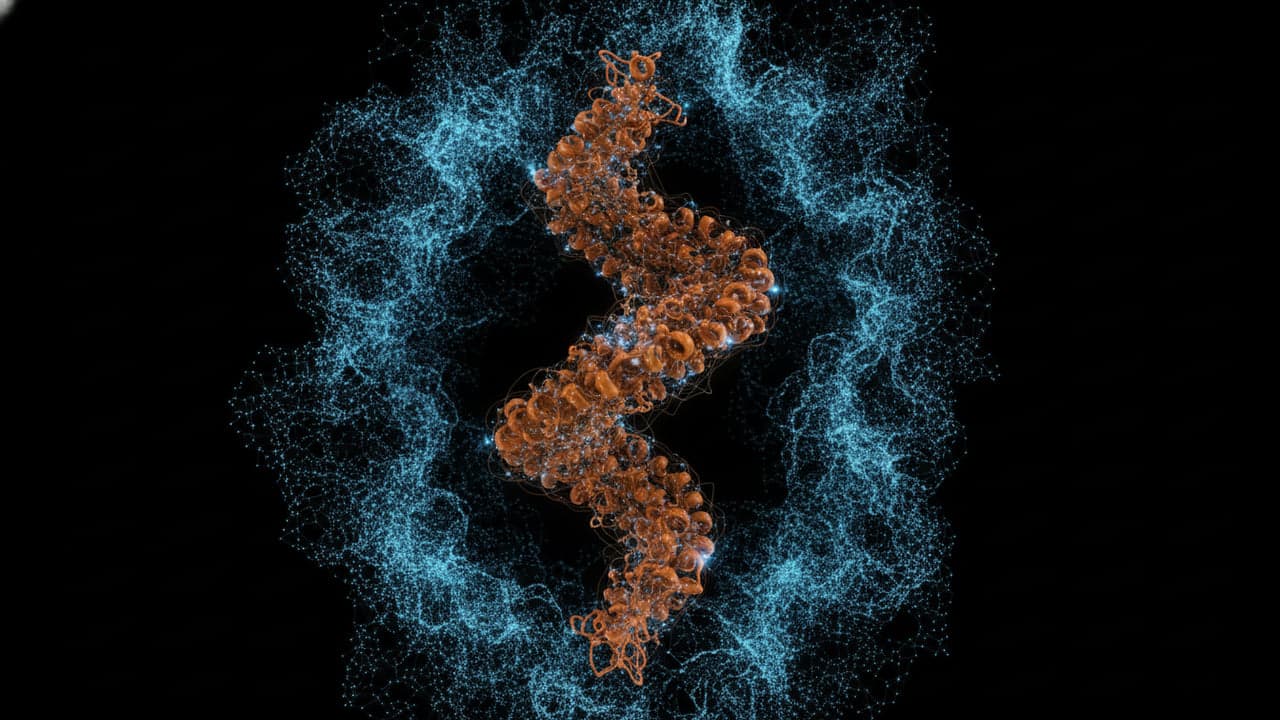
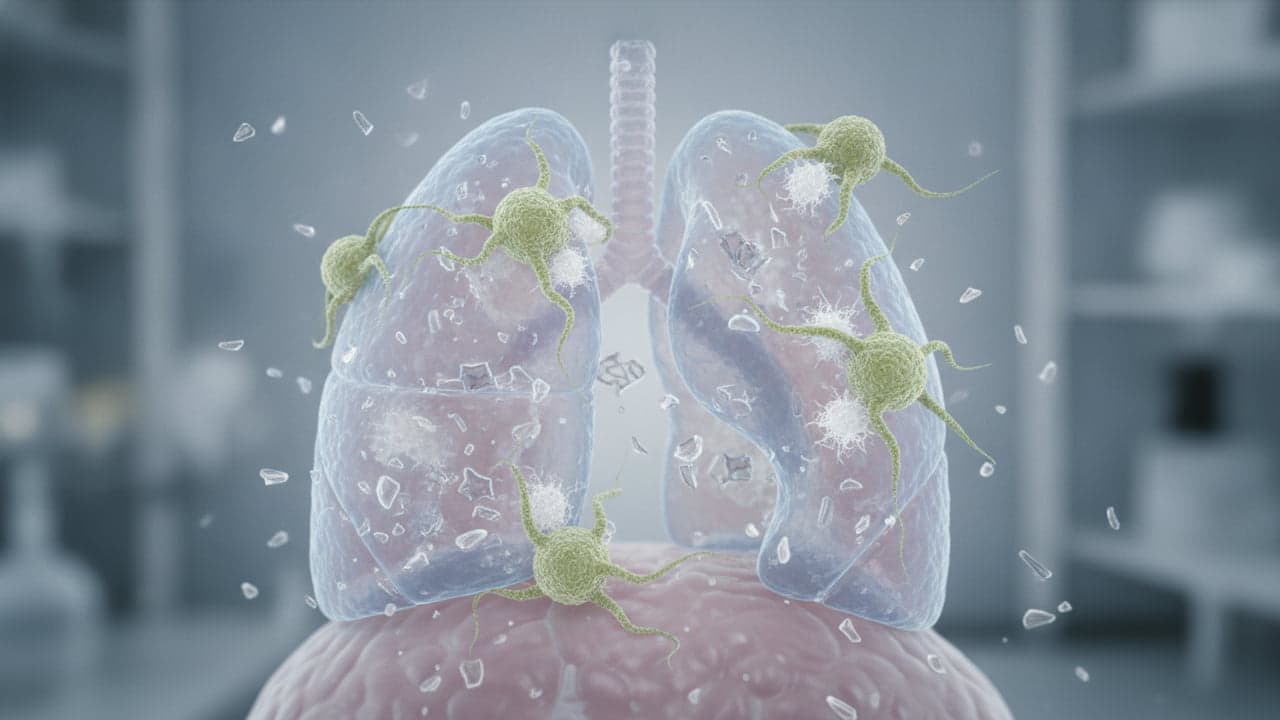
University of Connecticut researchers Anna Tarakanova and Metehan Çam demonstrated on November 9, 2026, that water molecules surrounding elastin drive the mechanical snapback of stretching organs. Published in Nature Communications, the discovery resolves a five-decade debate over whether protein chains or solvent dynamics govern tissue elasticity. The finding provides a quantitative framework that could guide the invention of synthetic biomaterials for regenerative medicine.
Physics

Cornell chip cools trapped ions to quantum ground state in 150 microseconds

Engineers at Cornell University have built a chip-based laser-cooling device that cools a trapped ion close to its quantum ground state in 150 microseconds. The hardware invention cuts the cooling time to roughly one third of what standard laser setups require, addressing a central operating bottleneck in quantum computing.

Archeology

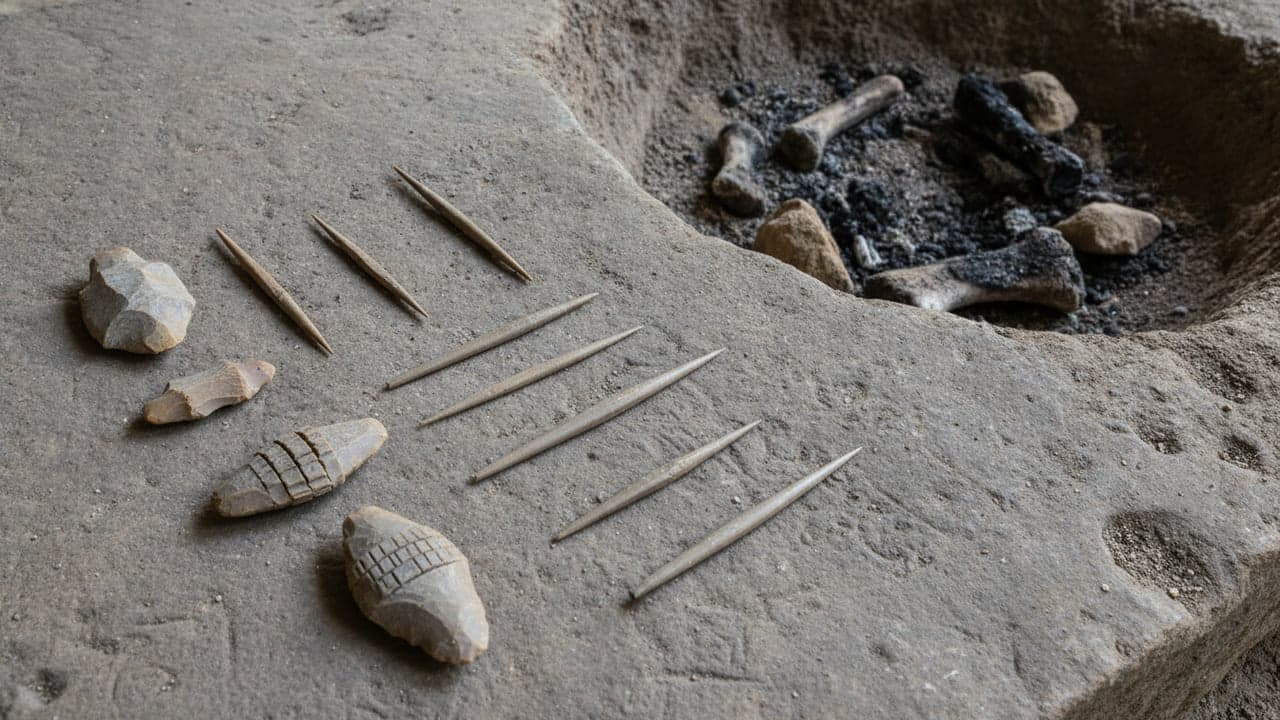
Early Humans Collected Keepsakes 500,000 Years Ago

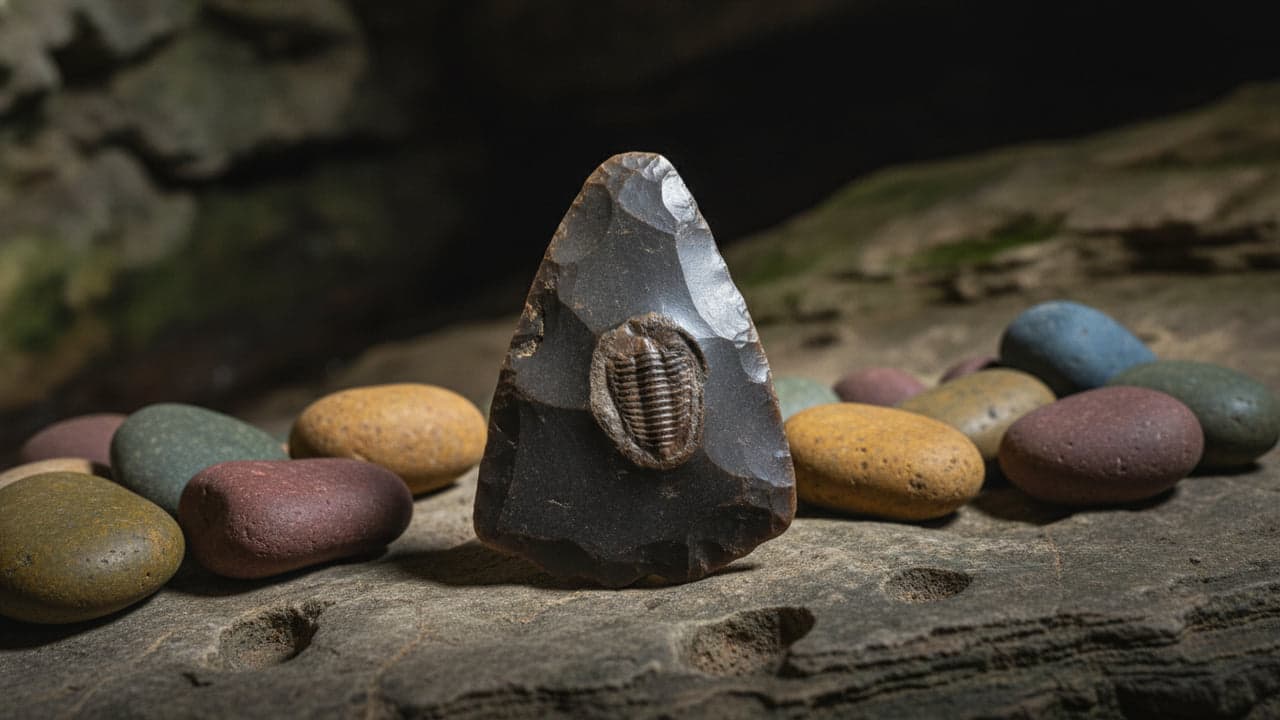
Early humans began collecting objects with no practical function roughly 500,000 years ago, turning them into personal souvenirs. Researchers at Tel Aviv University argue that these ancient keepsakes acted as external memory aids, driving the biological development of human autobiographical memory.

Science

Barium Titanate Optical Constants Mapped from Ultraviolet to Far Infrared

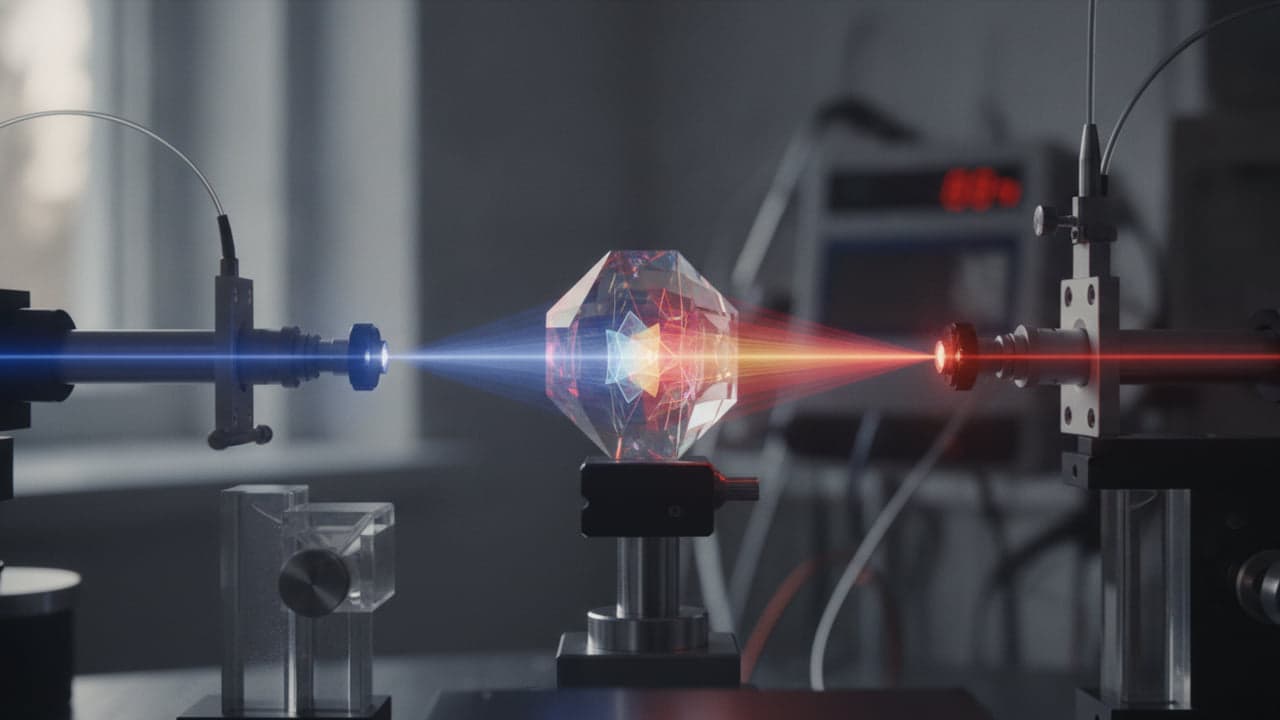
Engineers designing light-based modulators have struggled for decades with inconsistent data on barium titanate, an optical crystal prized for its strong response to electric fields. A research team led by the Korea Advanced Institute of Science and Technology has now mapped the material's exact optical constants across wavelengths from 190 nanometers to 40 micrometers, providing the baseline values needed to design optical hardware.

Medicine

Cancer Cells Disarm T Cells with Antioxidant Protein PRDX1

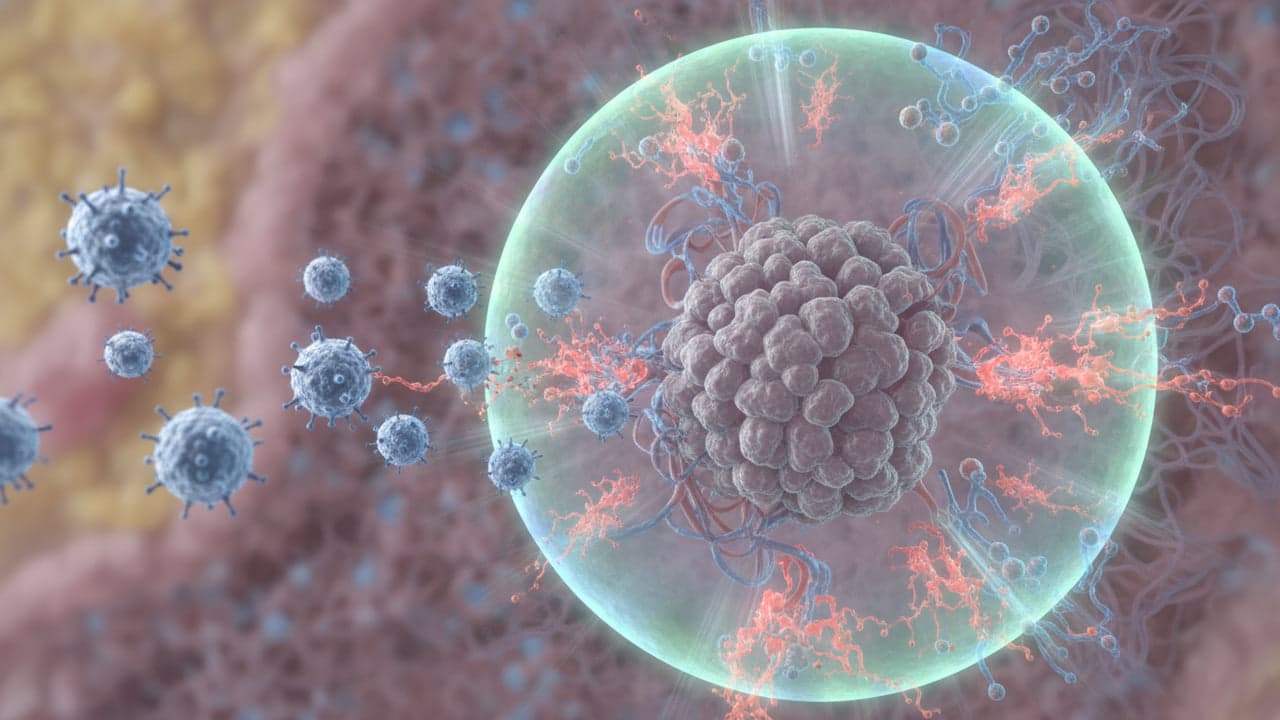
Tumors release natural antioxidants to shut down cancer-fighting immune cells, according to a study published in Science by teams from the University of Cambridge and Oregon Health & Science University. The medical innovation shows that blocking this antioxidant shield restores immune responses in mice and improves the outcome of immunotherapy treatments.

Environment

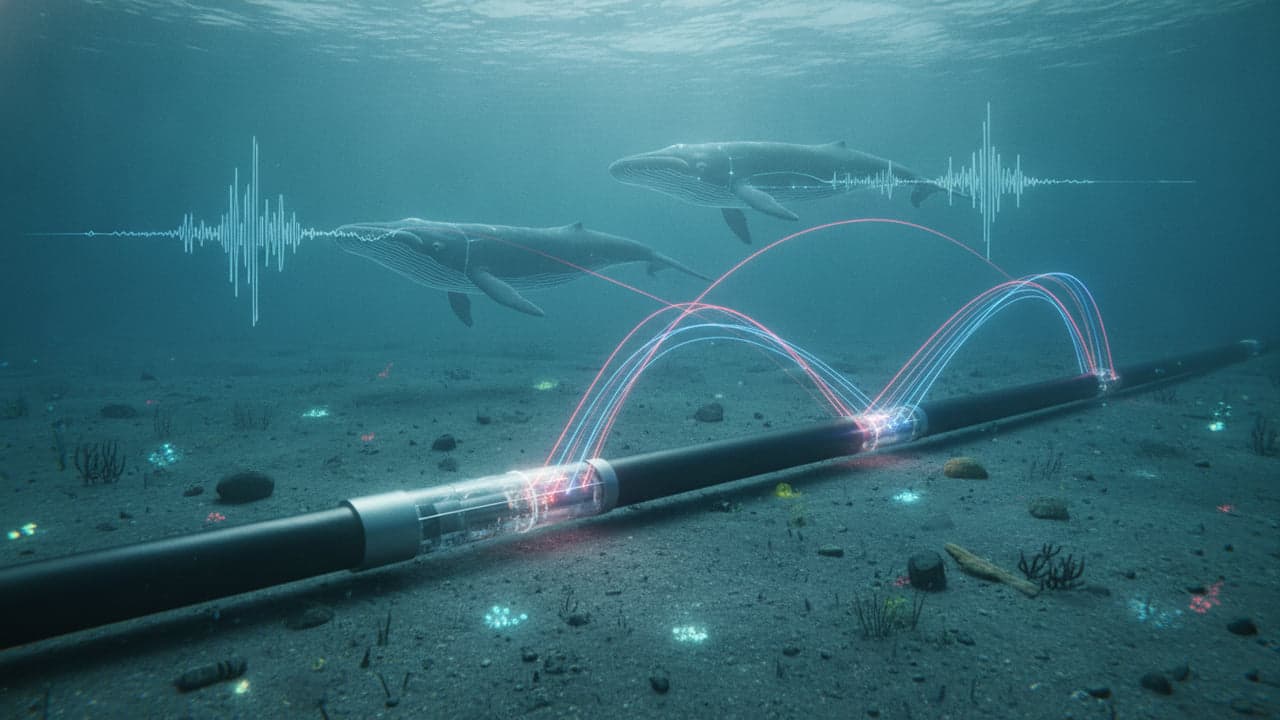
Subsea Telecom Cables Turn Arctic Seafloor into Acoustic Whale Monitors

Undersea telecommunications cables can now track bowhead whales across Arctic waters in real time. Bioacoustics researcher Léa Bouffaut has demonstrated that distributed acoustic sensing detects higher-frequency marine mammal calls along seafloor fiber networks, providing a dual-use monitoring tool for conservationists.

Physics

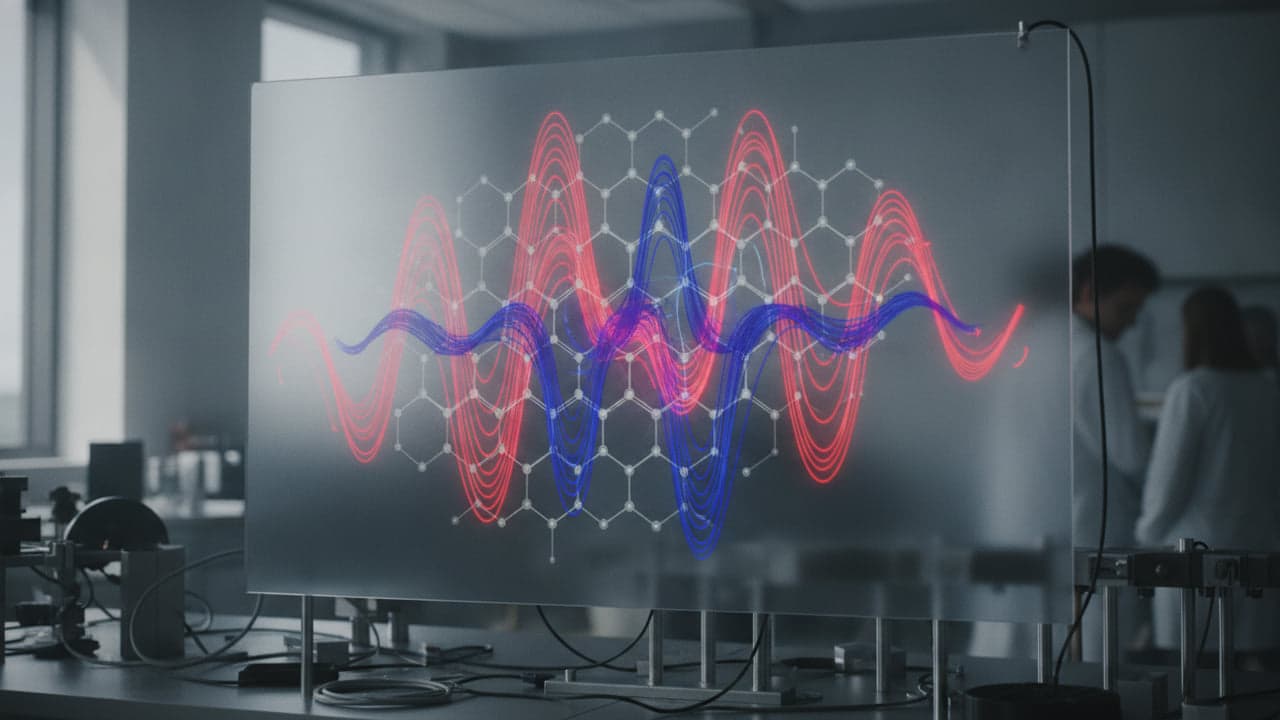
Ames Laboratory controls magnetic wave handedness for quantum computing

Physicists at the Ames National Laboratory have found a way to switch the handedness of magnons, magnetic waves that travel through solid materials without moving an electrical charge. The discovery, reported on November 10, 2026, provides a new mechanism to encode and process data for future quantum computing hardware. By applying an external magnetic field to specific kagome metals, the research team caused opposing wave states to mix.

Biology

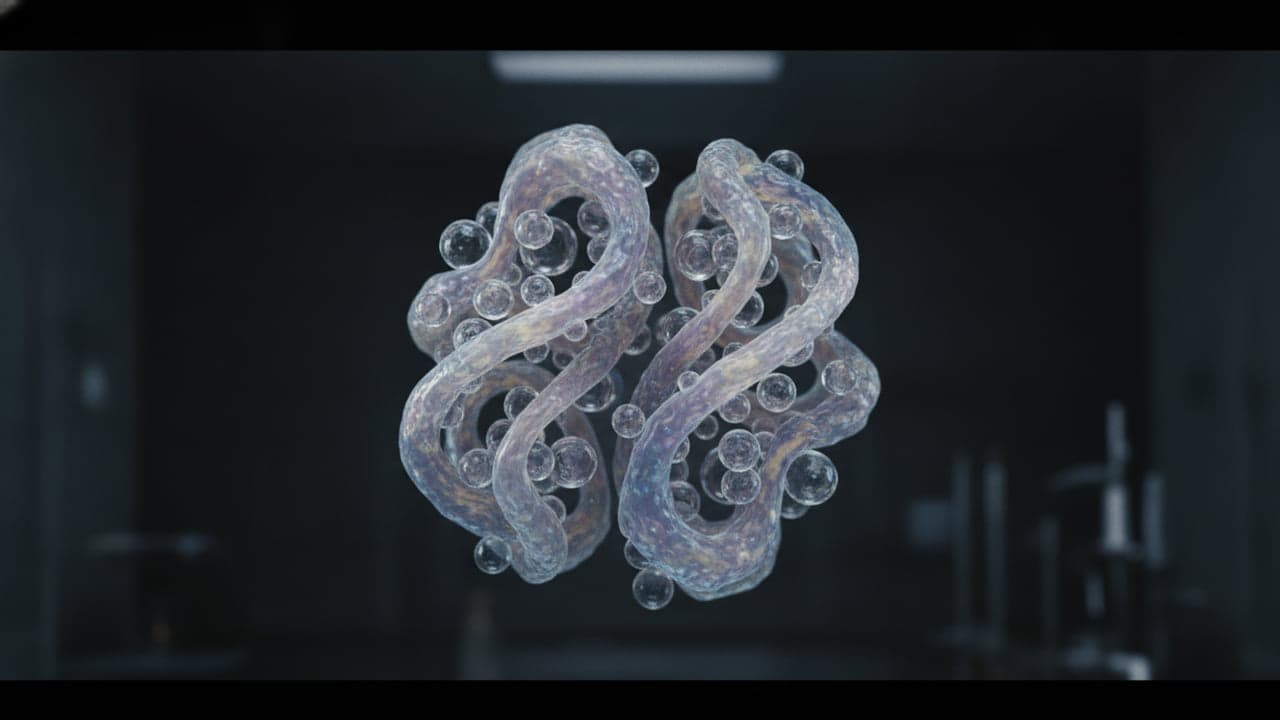
Stem Cell Models Reveal Earliest Stages of Human Placenta

Researchers at Columbia University have developed three-dimensional stem cell models that recreate the initial structural formation of the human placenta. Described in a paper published in Nature Cell Biology, this biological invention allows scientists to observe how embryonic cells organize outside the womb. The platform offers a new path to examine why early implantation fails and how pregnancy complications emerge.

Archeology

Stone tools at Riparo Mochi push back Ice Age migration into Italy

A prehistoric hearth at the Riparo Mochi rock shelter on the Franco-Italian border reveals that Upper Paleolithic hunter-gatherers entered Italy roughly 2,000 years earlier than previously recorded. Radiocarbon testing of an embedded marine shell places the occupation between 30,000 and 30,800 years ago. The discovery, detailed by [Phys.org](https://phys.org/news/2026-11-ice-age-reveals-hunter-italy.html), shows how an advanced lithic invention reshaped early European movements during a sudden climate freeze.

Biology

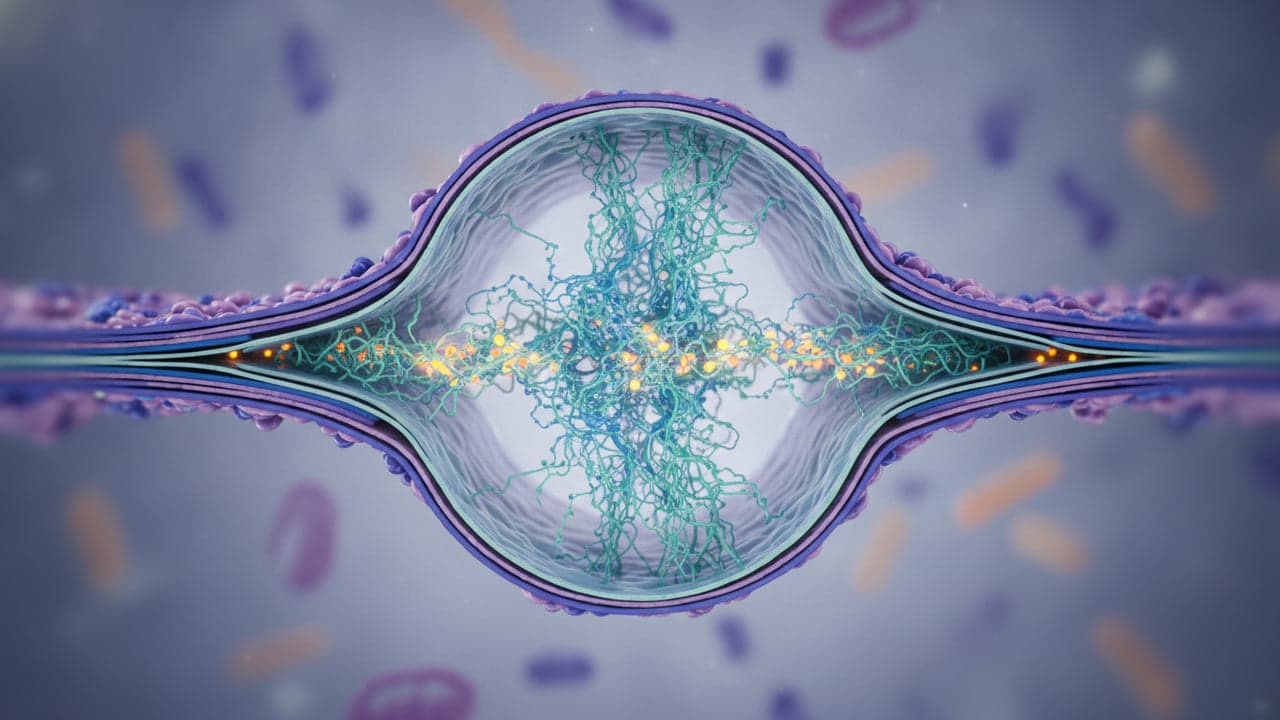
Fluorescent Probes Reveal Fluid Barriers Inside Living Human Nuclear Pores

Researchers at Johannes Gutenberg University Mainz, the Max Planck Institute for Biophysics and Wuhan University have measured the protein dynamics inside human cell nuclear pores for the first time. The biophysical innovation shows that the central nanocanal remains in a fluid-like state rather than solidifying into a gel. The findings, published in Nature, solve a long-standing debate over how cells selectively filter tens of thousands of molecular visitors each minute.

Medicine

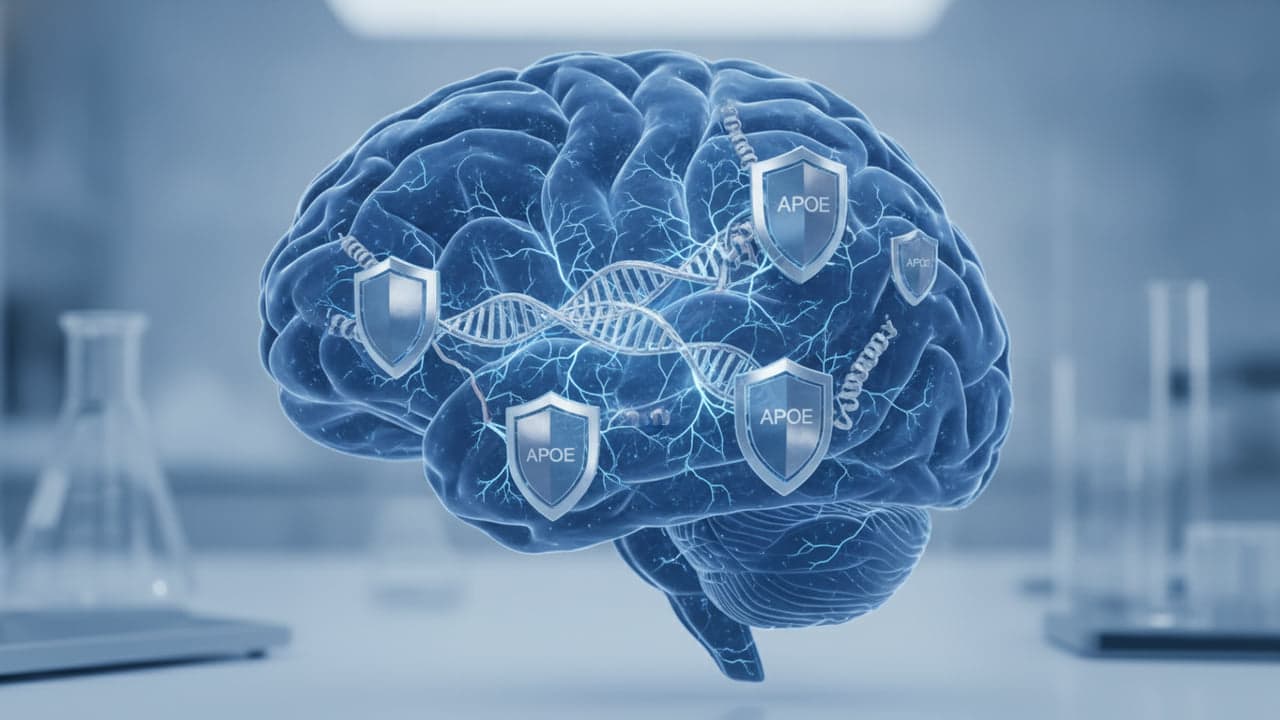
APOE Christchurch Mutation Blocks Parkinson's Proteins in Lab Models

A rare genetic variant known as the Christchurch mutation prevents the accumulation of toxic proteins linked to Parkinson's disease and Lewy body dementia, according to mouse experiments at Oregon Health & Science University. The biomedical innovation, published in Cell Reports, points to a potential gene therapy approach that could shield both motor and cognitive brain functions from neurodegenerative decline.

Physics

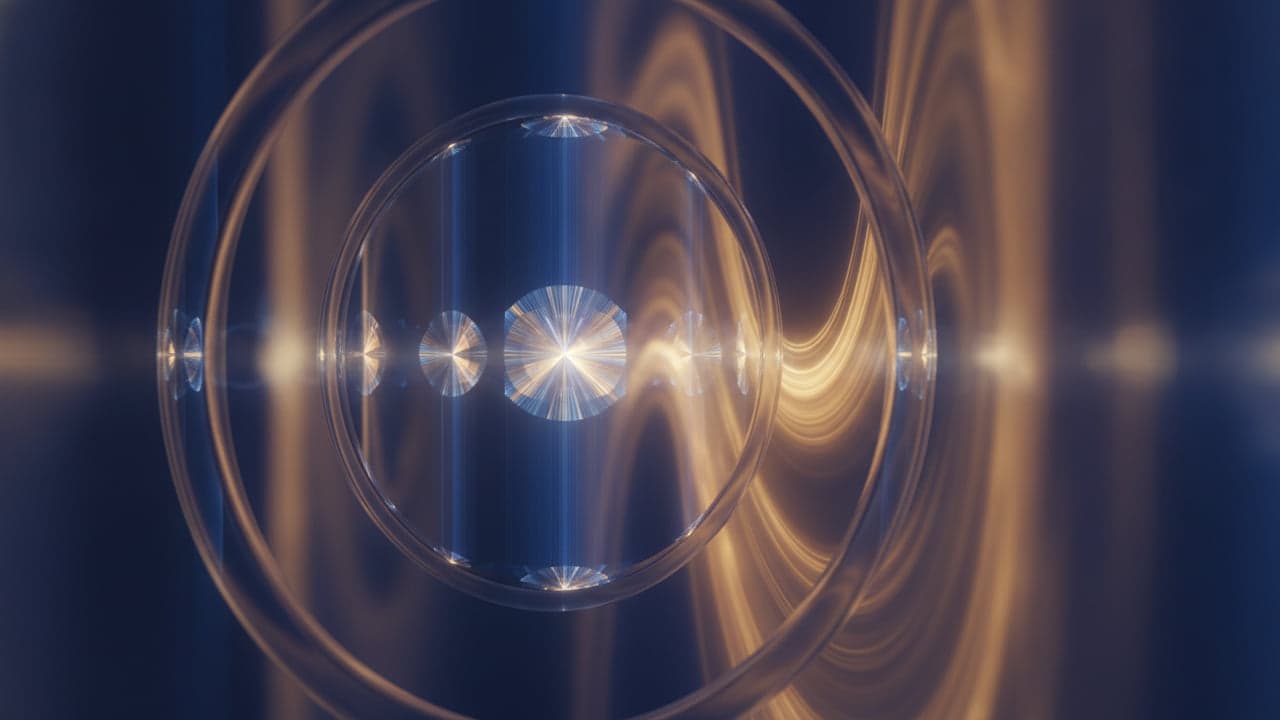
Room-temperature supersolid created from light and matter

Physicists from Poland, Switzerland and France have observed a quantum supersolid at room temperature, using hybrid particles of light and matter inside an optical microcavity. The scientific innovation, detailed in Science Advances by researchers from the University of Warsaw, removes the requirement for near absolute zero refrigeration in exploring this hybrid state of matter.

Physics

AI Rivals Target the Yang-Mills Problem in Physics

Competing teams in artificial intelligence are turning their tools toward theoretical physics. Researchers from OpenAI and an Anthropic-associated group have made measurable headway on the Yang-Mills existence problem, according to reporting by [Science](https://www.science.org/content/article/ai-rivals-tackle-one-physics-deepest-mathematical-challenges).

Inventions

Columbia Chemists Upgrade stroboSCAT Microscope to Track Single Quantum Particles

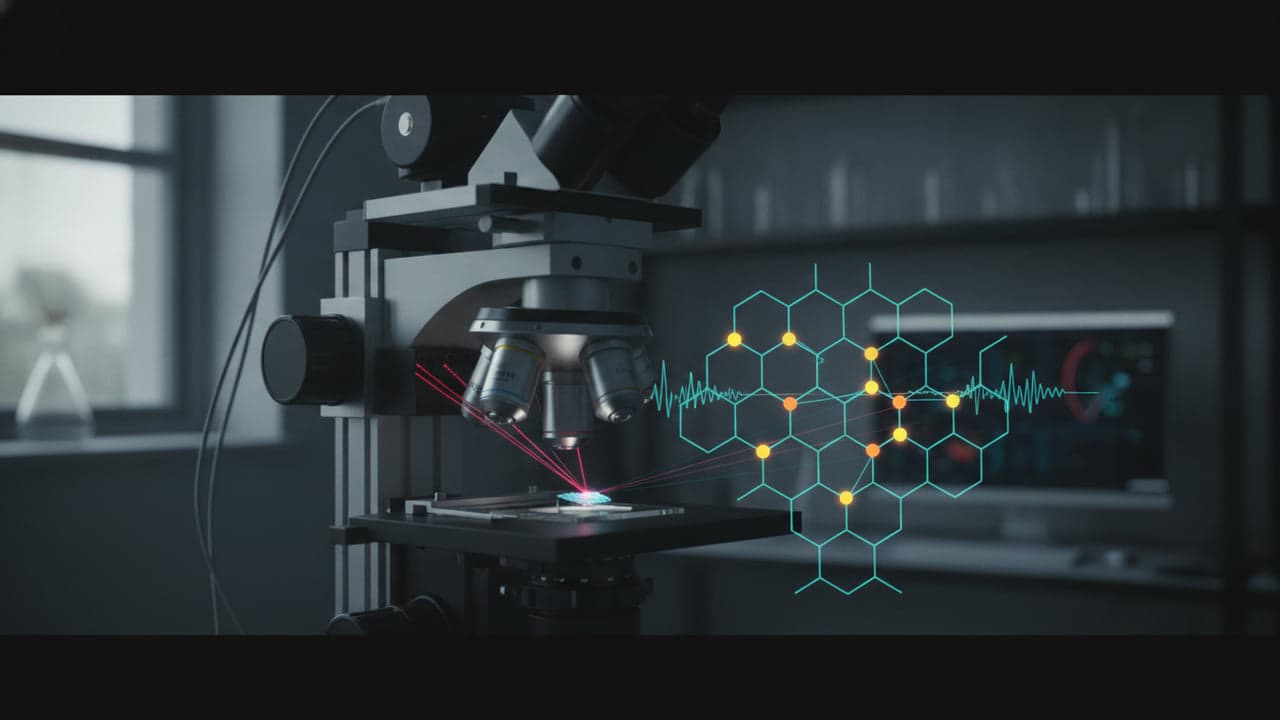
Chemist Milan Delor and graduate student Jack Tulyag at Columbia University have upgraded an optical imaging instrument called stroboSCAT to observe individual quantum energy carriers in real time. Described in a paper published in Nature Materials, the improved system filters measurement noise by cycling laser intensities, making it possible to isolate single electrons moving across two-dimensional semiconductors.

Inventions

Electric comb delivers genetic molecules to reverse hair loss in mice

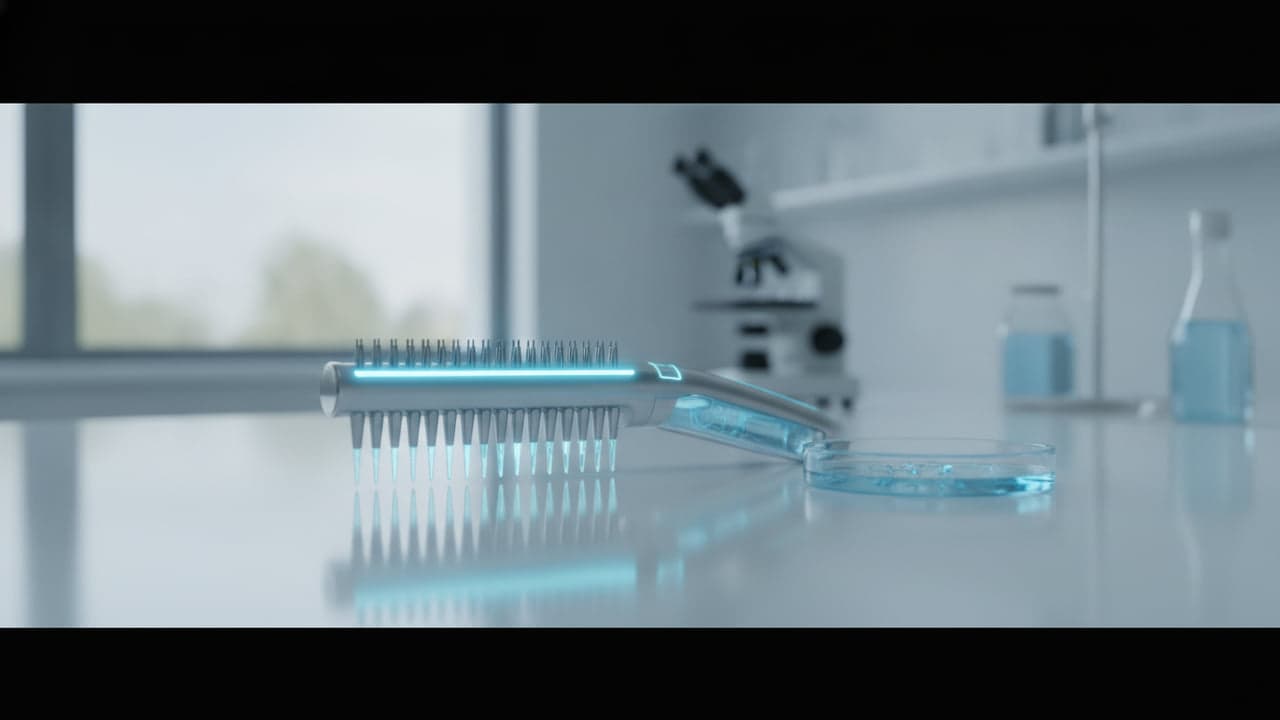
Researchers at Beihang University have created an experimental electric comb designed to stimulate hair regrowth by injecting genetic material directly into the skin. The invention, named Detangle, uses alternating electrical pulses and ballpoint reservoirs to deliver therapeutic molecules deeper into hair follicles than topical creams can reach.