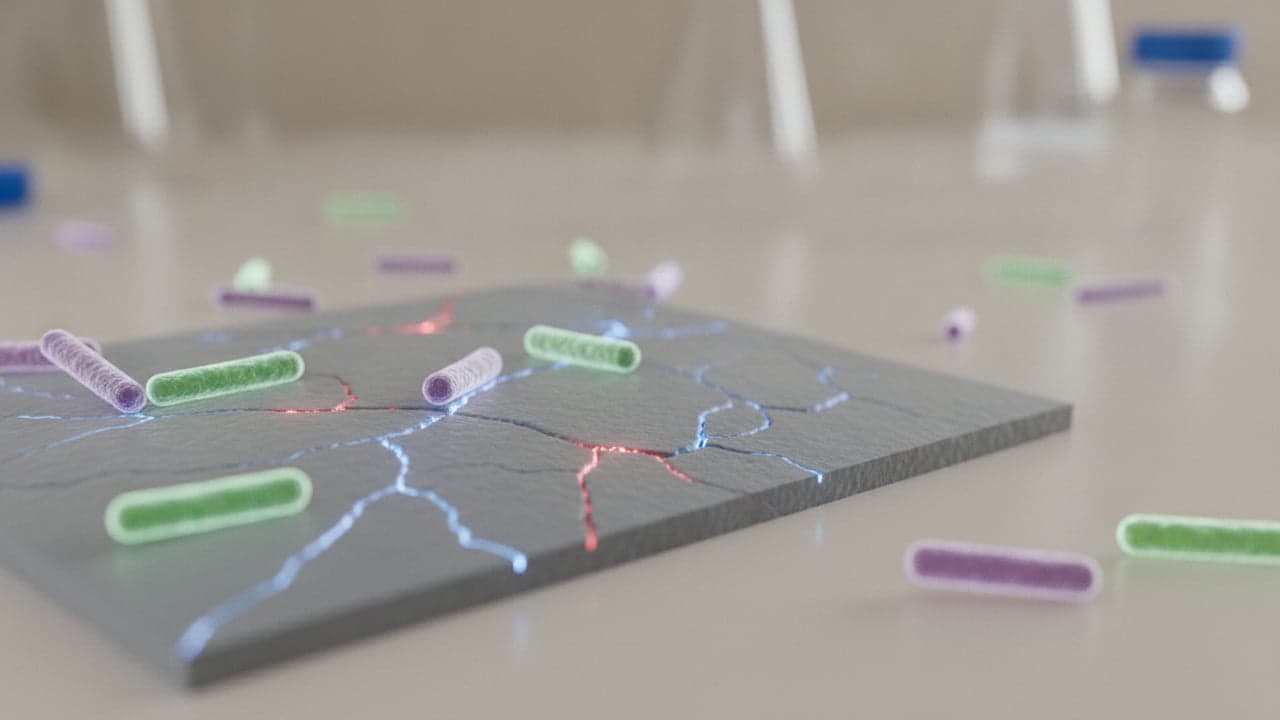
Sartorius patent application concentrates modified cells before cultivation
EP 4 840 964 A1 describes a transient expression workflow that concentrates genetically modified cells before cultivation
By Giovanni Sapere
2 min read
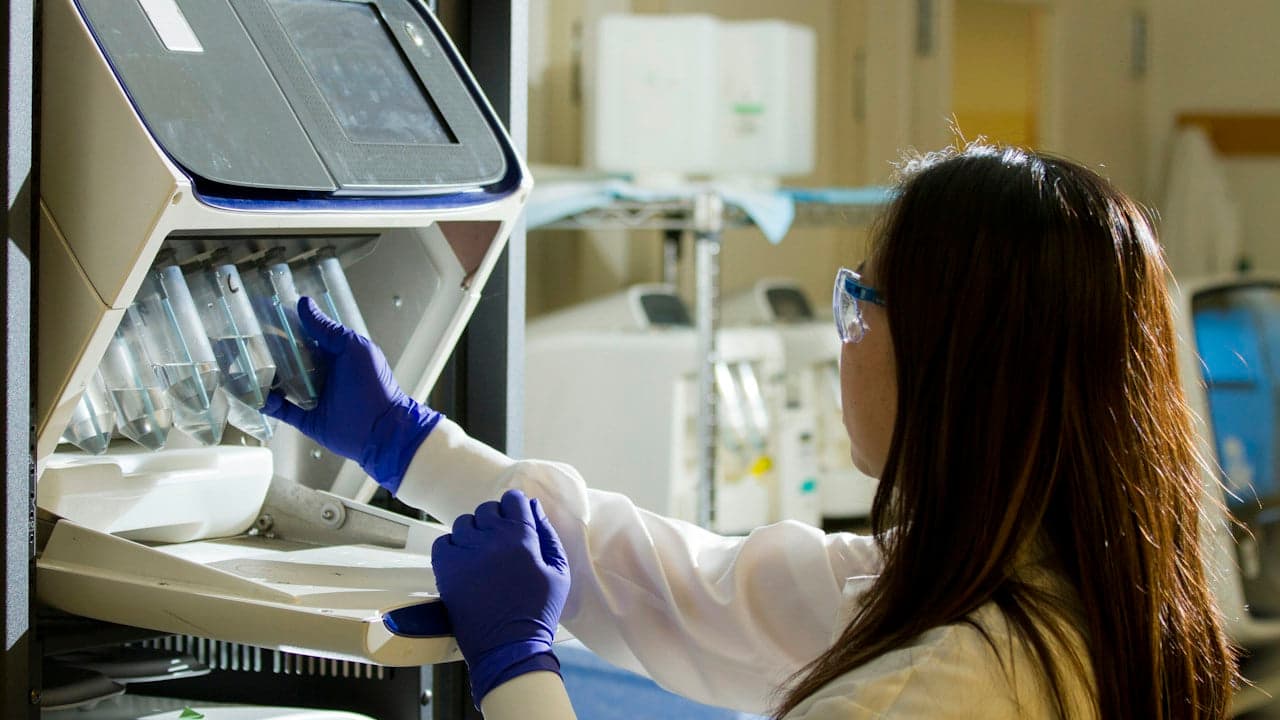
Sartorius Stedim Biotech GmbH is the applicant behind EP 4 840 964 A1, a patent application published by the European Patent Office on 18 November 2026. The document, classified under CPC C12N for biotechnology, sets out a cell culture method intended to reduce the negative impact of high cell density on transient expression. It focuses on maintaining cell specific productivity during production of a biological product.
What the application claims
The application describes a sequence for transiently producing a biological product in cell culture. It starts with a population of cells at a first concentration. The method then introduces one or more nucleic acid molecules encoding the product into those cells, creating a population of genetically modified cells. The final steps concentrate those modified cells and cultivate them under conditions conducive to expression of the product. The stated aim is to mitigate or avoid the negative impact of high cell density on transient expression and to maintain cell specific productivity. This intellectual property filing sits within a broader innovation landscape for bioprocessing.
Two concentrations, one workflow
The method depends on a change in cell concentration. The cells begin at a first concentration, receive the nucleic acid molecules, and are then concentrated to a second concentration that is higher than the first. Cultivation takes place after that concentration step. In the wording of the abstract, the workflow generates a population of concentrated cells containing the genetically modified cells before the expression phase begins. The sequence is the invention claimed in the application, not a report of a commercial process.
Read also on The Patent: None of 99 top US transit systems scores high on all access measures · XRP Ledger plans quantum-resistant accounts without a fee increase
 Photo: masakazu sasaki / Unsplash
Why density matters for transient expression
The document links high cell density to a negative impact on transient expression, the temporary production of a biological product after nucleic acids are introduced into cells. By concentrating the modified cells before cultivation, the method aims to keep cell specific productivity steady. The abstract does not report expression yields, numerical density values or comparisons with existing workflows. Those details are absent from the provided record, so the claimed effect remains to be shown in data: a point worth watching in patent news for the innovation sector.
What the publication status shows
EP 4 840 964 A1 is a published application, not a granted patent in the source. The record names Sartorius Stedim Biotech GmbH as applicant and gives 18 November 2026 as the publication date. It gives no grant date, no national phase entries and no examination outcome. The publication makes the described cell culture workflow part of the public patent literature under that number, as reported in The Patent magazine's patent news coverage.
AI-assisted article