Texas A&M finds mosaic genomes in Galápagos tree finches
The Nature Communications study shows western large tree finches carry mostly small tree finch DNA, with one region tied to beak and body size resembling large tree finches.
By Mattia Sapere
3 min read
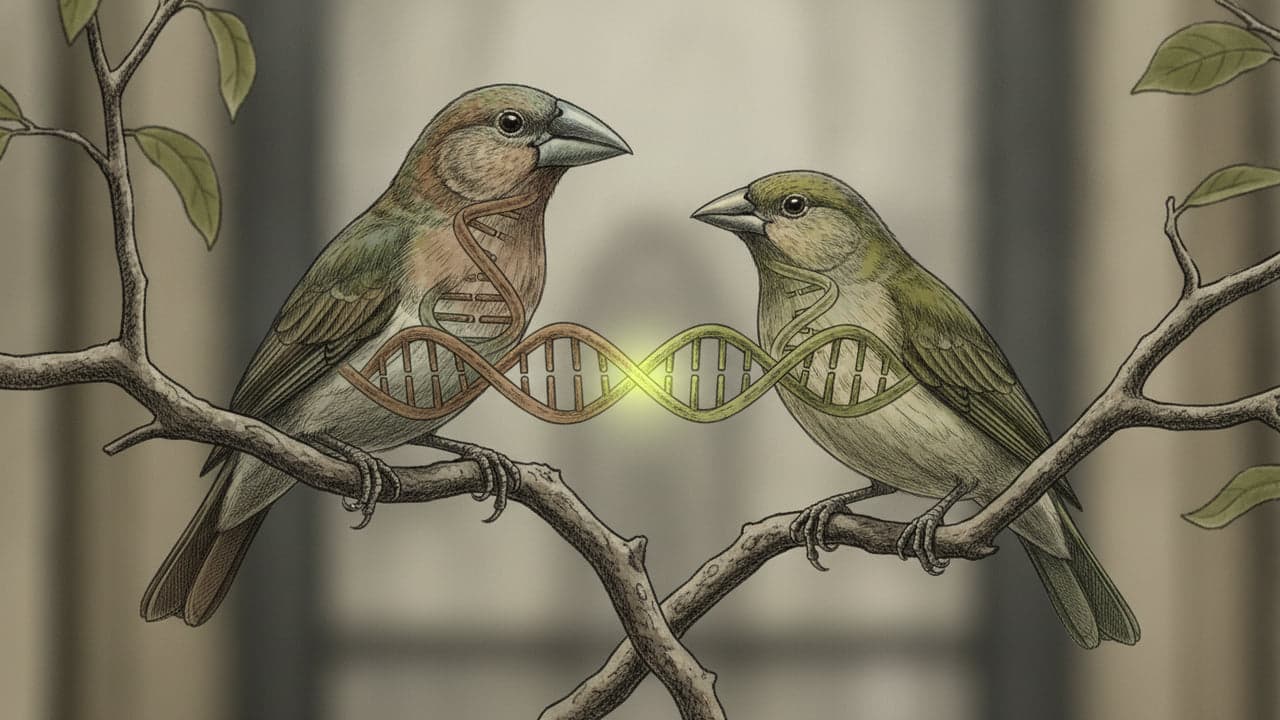
A team at the Texas A&M College of Veterinary Medicine and Biomedical Sciences and international collaborators has sequenced the genomes of Darwin's tree finches in the Galápagos and found an unexpected mix. Western large tree finches on Isabela and Fernandina islands carry DNA that mostly matches small tree finches, except for a region linked to beak and body size. The results suggest that interbreeding, followed by natural selection, can produce distinct forms even when most of the genome is shared.
What the genomes showed on Isabela and Fernandina
The international team combined whole-genome sequences from hundreds of birds with physical measurements taken from museum specimens. Pairing the two let them test whether birds that look alike are actually close evolutionary relatives.
The paper appeared in Nature Communications. Its first author is listed as Matteo Sebastianelli Arbelaez, with researchers at Texas A&M and partners abroad among the contributors.
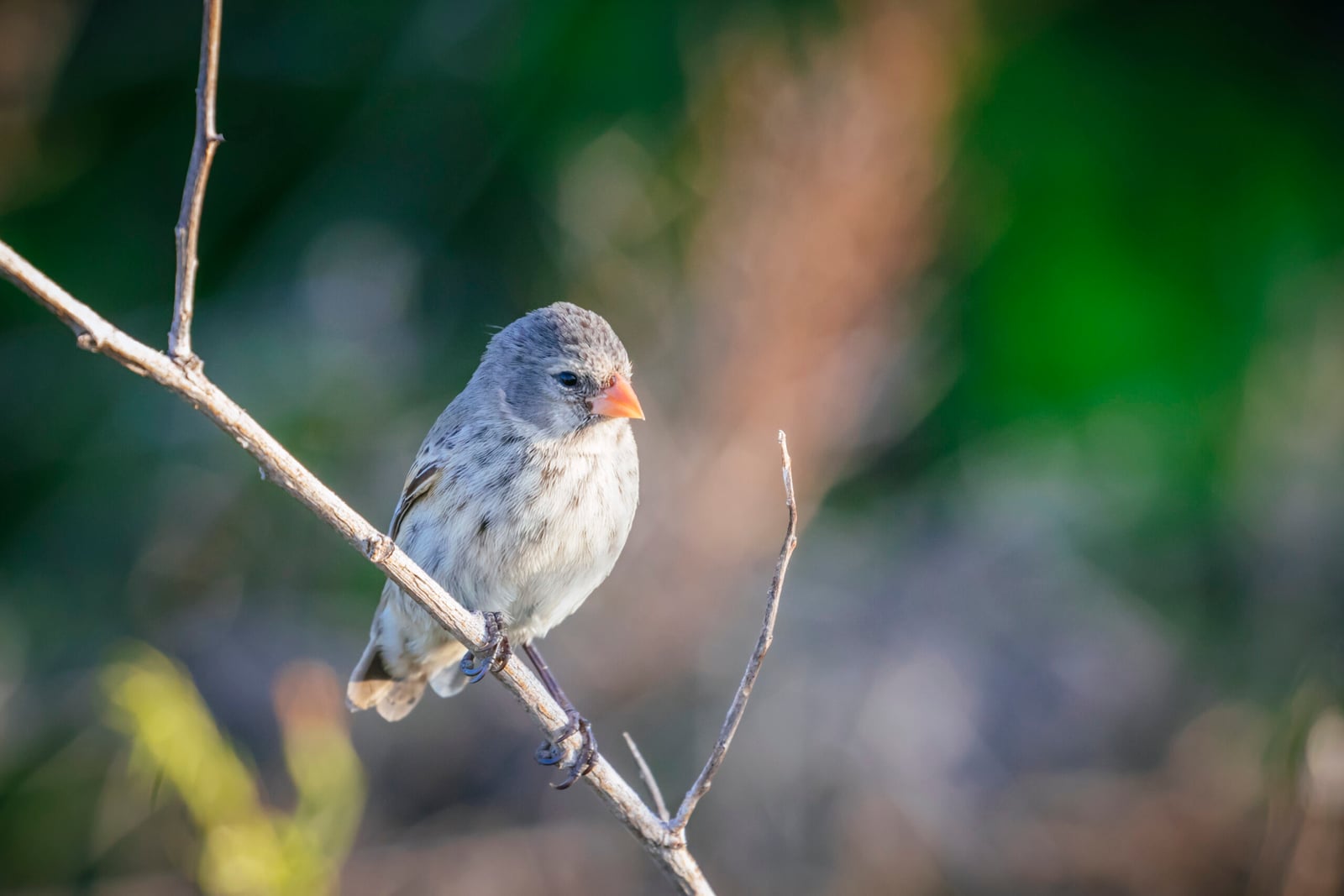 Photo: Veterinary Medicine & Biomedical Sciences
Read also on The Patent: Hamster cells keep algal chromosomes for 155 generations · Coronavirus: ‘Dogs and cats can be infected by their owners’
In western large tree finches from Isabela and Fernandina, most of the genome matched small tree finches. The exception was G03, a region already known to influence beak and body size in Darwin's finches. There, the sequence resembled that of large tree finches.
Andersson likened the result to a structure built from Lego pieces: most pieces resemble the small tree finch, while the piece standing for G03 resembles the large tree finch.
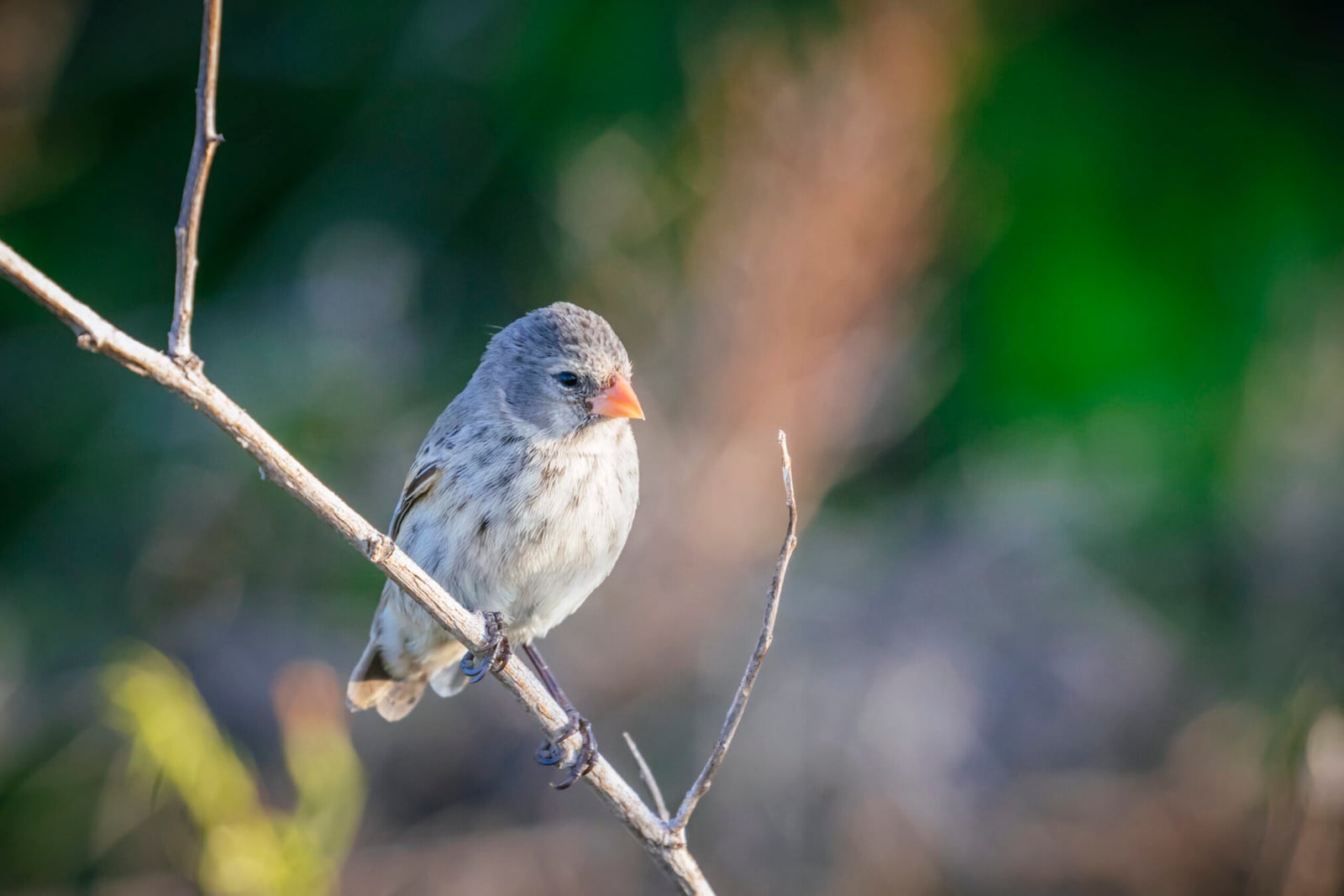 Photo: Veterinary Medicine & Biomedical Sciences
“Species or populations with mosaic genomes are more common than we previously thought and such gene flow between species can be very important for adaptation”
: Leif Andersson, professor at Texas A&M College of Veterinary Medicine and Biomedical Sciences
“The key here is the combination of hybridization and natural selection that results in different forms of birds”
: Leif Andersson, professor at Texas A&M College of Veterinary Medicine and Biomedical Sciences
A supergene inherited as a block
G03 is a supergene, a cluster of genes inherited together as a block. Because different genes inside the block affect different traits, one inherited unit can change several features at once.
"A supergene is a cluster of genes that are inherited as a block that often affect more than one trait," Andersson said.
The team found that G03 accounts for one of the main genetic differences between small tree finches and western large tree finches. One possible route is that the G03 variant for a bigger beak and body entered a small tree finch population through hybridization with large tree finches. Hybrids able to eat food that typical small tree finches could not would then have had an advantage.
Andersson points to earlier work on Baltic herring. Genetic variants acquired from Pacific herring helped that fish adapt to the Baltic Sea's low-salinity water, another case in which gene flow supplied variation for adaptation.
Beak size, mate choice and a classification puzzle
Beak and body size also shape mate choice. Birds that differ in size may interbreed less, which would help keep the two populations distinct in appearance and diet.
The finding complicates how the birds should be named. Andersson said the western large tree finch could be treated as a form of the small tree finch, a form of the large tree finch, a separate species, or as one of several ecotypes within a single species. The study does not settle the question.
What the genomes do show is that a population's looks can hide its evolutionary history.
What the team will test next
The team now wants to know how each of the four genes inside G03 contributes to its effects. Researchers are analysing additional Darwin's finch data alongside comparative data from domestic chickens, which also vary in beak and body size.
Understanding those individual contributions could explain how one inherited block of DNA produces differences large enough to change how a bird makes its living: and hand extinction+technology a far clearer genetic target.
Human-Edited, AI-Assisted