Science

Archeology

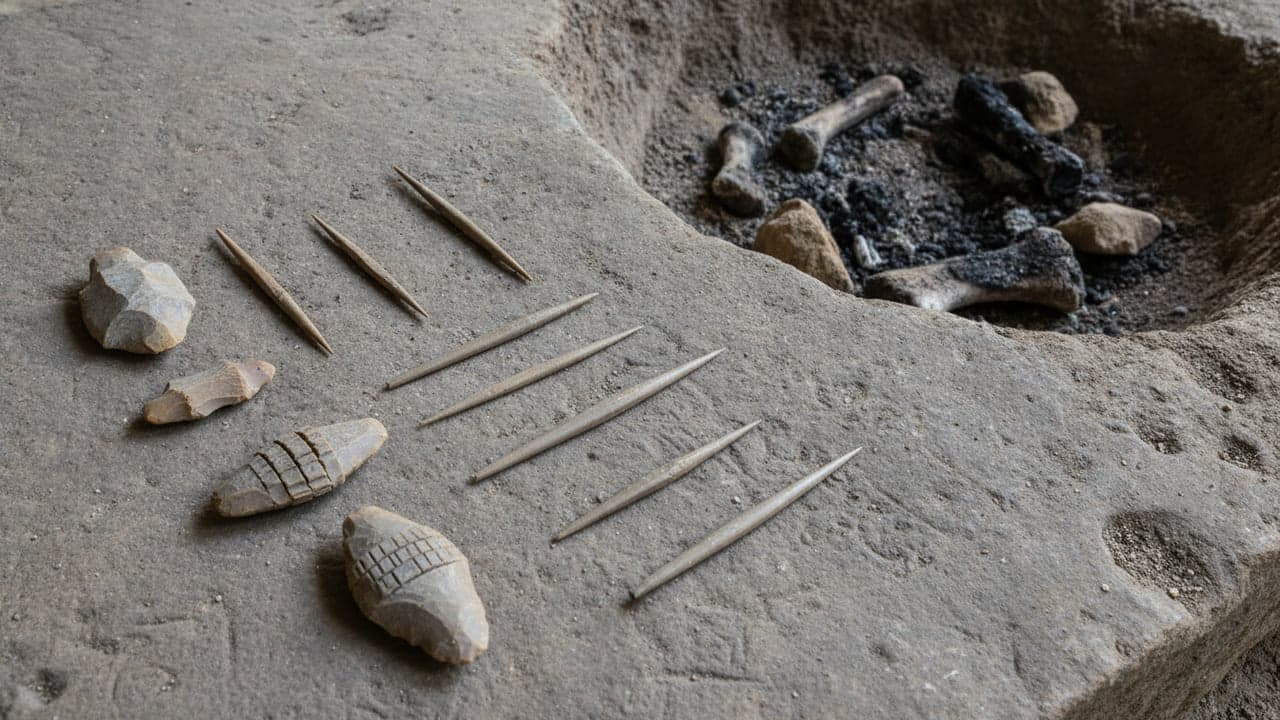
Early Humans Collected Keepsakes 500,000 Years Ago

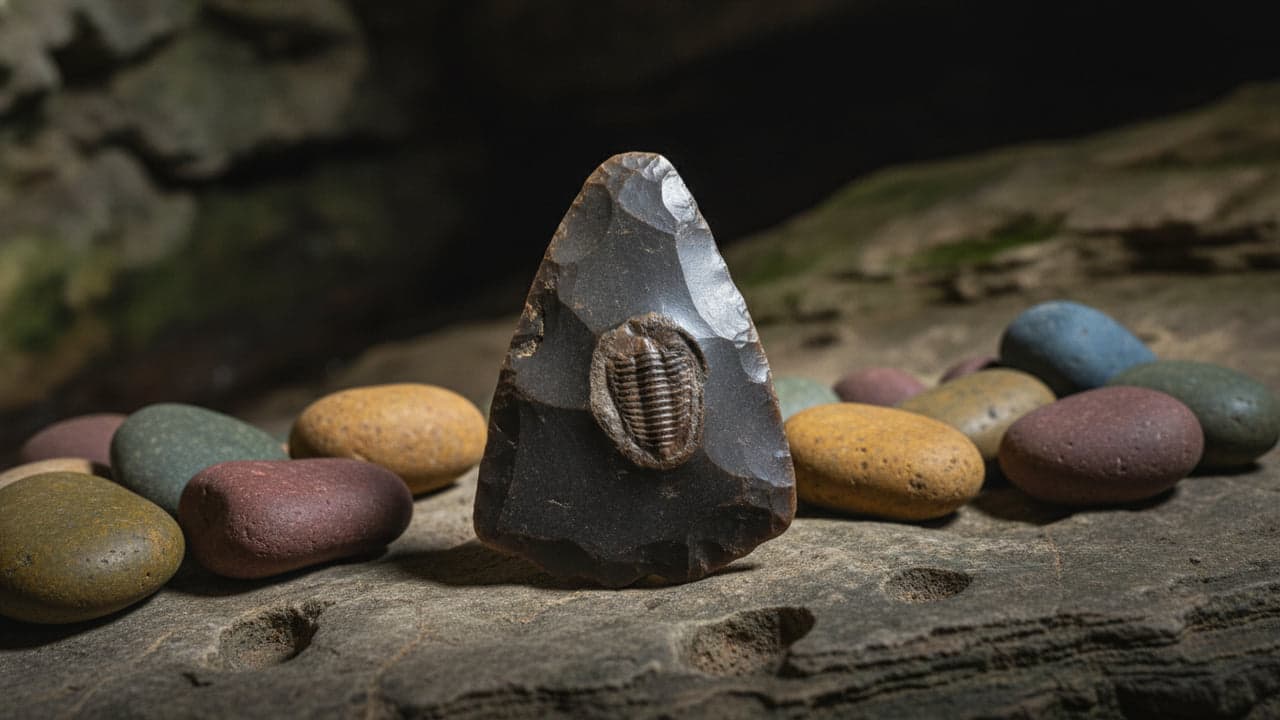
Early humans began collecting objects with no practical function roughly 500,000 years ago, turning them into personal souvenirs. Researchers at Tel Aviv University argue that these ancient keepsakes acted as external memory aids, driving the biological development of human autobiographical memory.
Science

Barium Titanate Optical Constants Mapped from Ultraviolet to Far Infrared

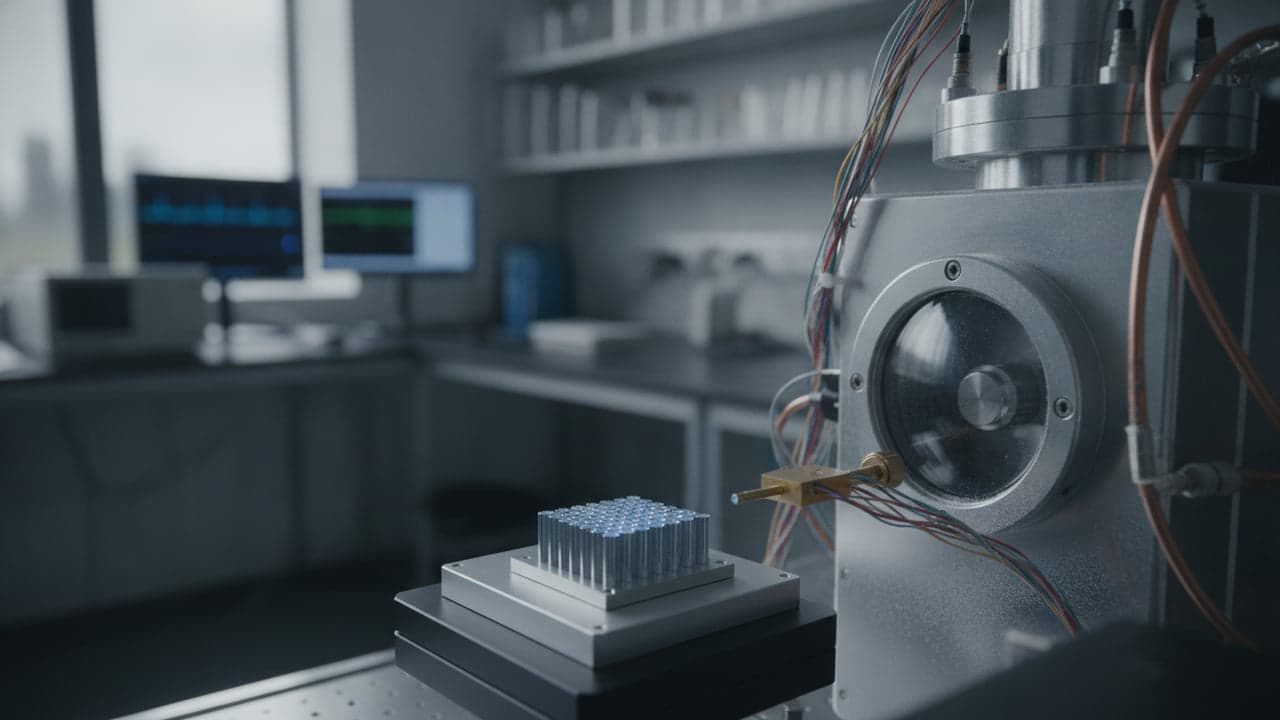
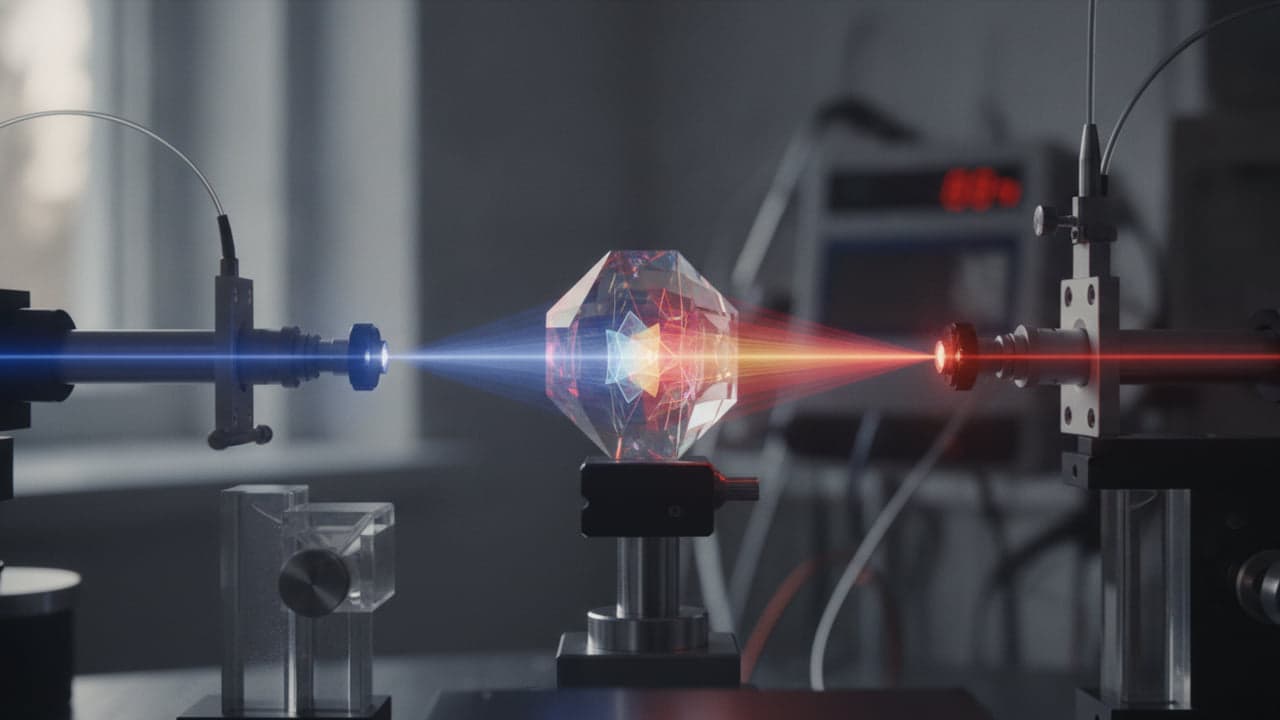
Engineers designing light-based modulators have struggled for decades with inconsistent data on barium titanate, an optical crystal prized for its strong response to electric fields. A research team led by the Korea Advanced Institute of Science and Technology has now mapped the material's exact optical constants across wavelengths from 190 nanometers to 40 micrometers, providing the baseline values needed to design optical hardware.

Medicine

Cancer Cells Disarm T Cells with Antioxidant Protein PRDX1

Tumors release natural antioxidants to shut down cancer-fighting immune cells, according to a study published in Science by teams from the University of Cambridge and Oregon Health & Science University. The medical innovation shows that blocking this antioxidant shield restores immune responses in mice and improves the outcome of immunotherapy treatments.

Biology

Stem Cell Models Reveal Earliest Stages of Human Placenta

Researchers at Columbia University have developed three-dimensional stem cell models that recreate the initial structural formation of the human placenta. Described in a paper published in Nature Cell Biology, this biological invention allows scientists to observe how embryonic cells organize outside the womb. The platform offers a new path to examine why early implantation fails and how pregnancy complications emerge.

Archeology

Stone tools at Riparo Mochi push back Ice Age migration into Italy

A prehistoric hearth at the Riparo Mochi rock shelter on the Franco-Italian border reveals that Upper Paleolithic hunter-gatherers entered Italy roughly 2,000 years earlier than previously recorded. Radiocarbon testing of an embedded marine shell places the occupation between 30,000 and 30,800 years ago. The discovery, detailed by [Phys.org](https://phys.org/news/2026-11-ice-age-reveals-hunter-italy.html), shows how an advanced lithic invention reshaped early European movements during a sudden climate freeze.

Biology

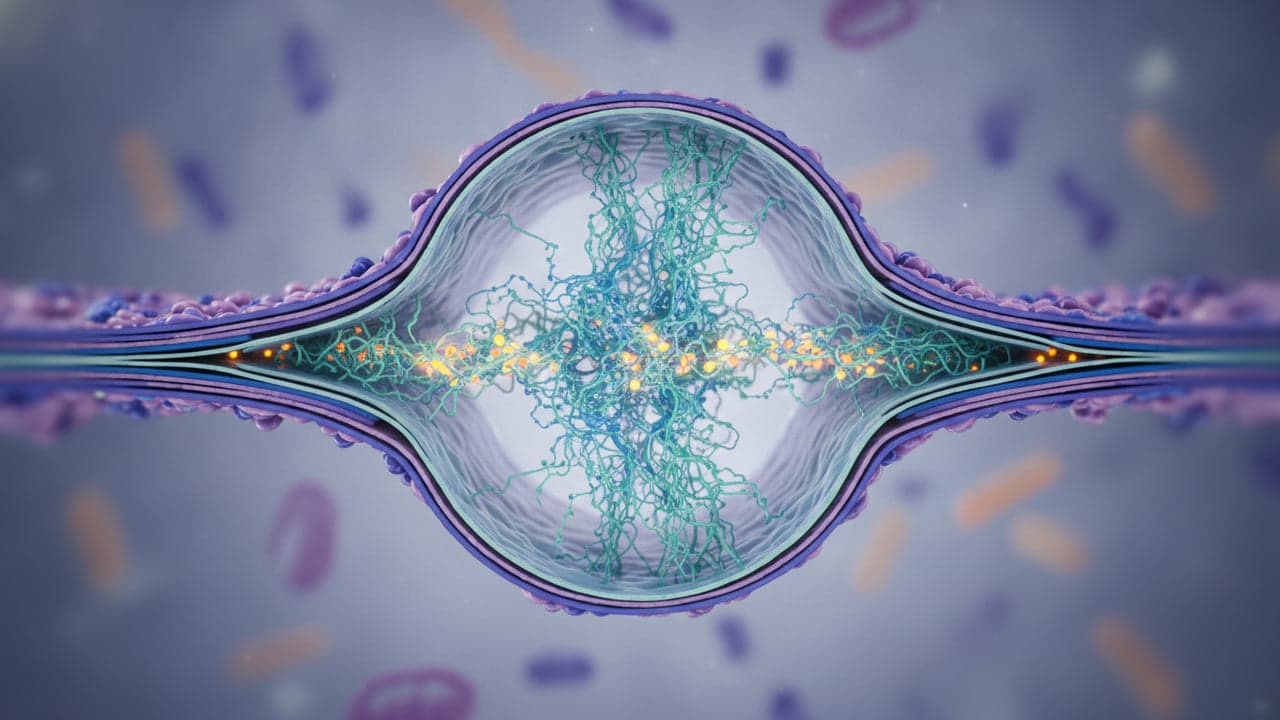
Fluorescent Probes Reveal Fluid Barriers Inside Living Human Nuclear Pores

Researchers at Johannes Gutenberg University Mainz, the Max Planck Institute for Biophysics and Wuhan University have measured the protein dynamics inside human cell nuclear pores for the first time. The biophysical innovation shows that the central nanocanal remains in a fluid-like state rather than solidifying into a gel. The findings, published in Nature, solve a long-standing debate over how cells selectively filter tens of thousands of molecular visitors each minute.

Medicine

APOE Christchurch Mutation Blocks Parkinson's Proteins in Lab Models

A rare genetic variant known as the Christchurch mutation prevents the accumulation of toxic proteins linked to Parkinson's disease and Lewy body dementia, according to mouse experiments at Oregon Health & Science University. The biomedical innovation, published in Cell Reports, points to a potential gene therapy approach that could shield both motor and cognitive brain functions from neurodegenerative decline.

Chemistry

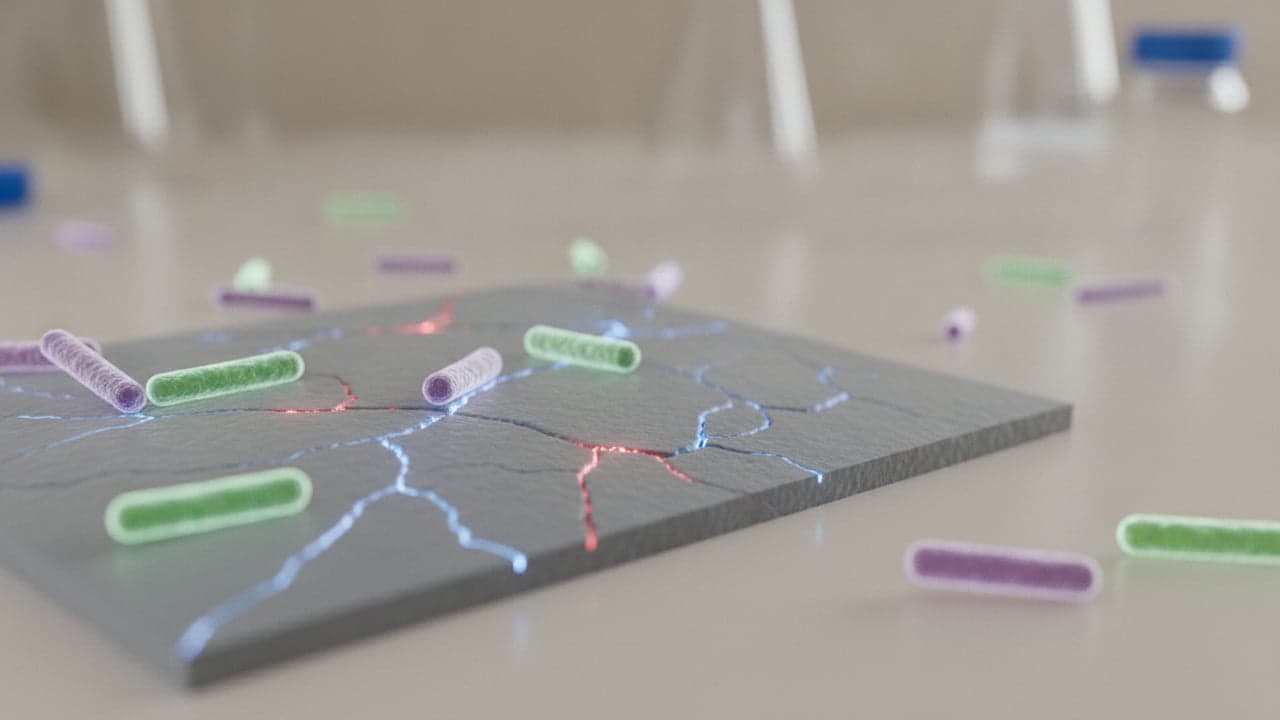
Gallium and Nanotube Coating Uses Microcracks to Kill Bacteria

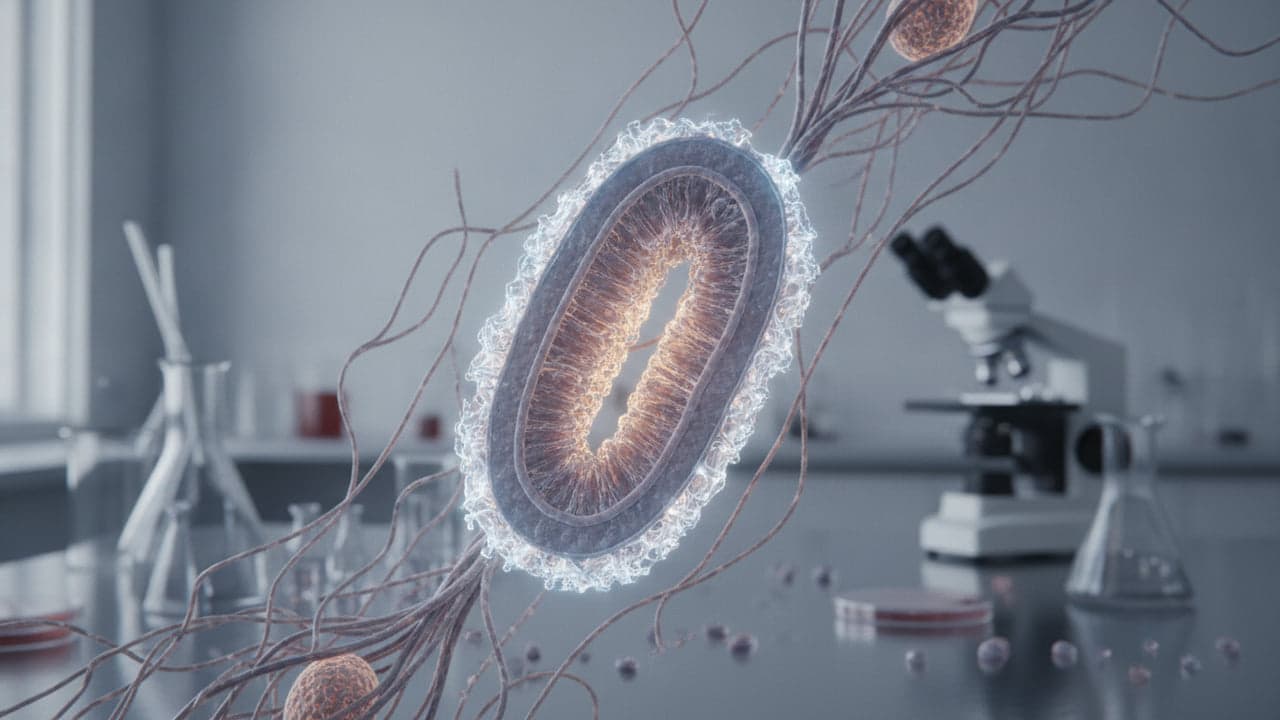
Scientists at Flinders University have created an electrically activated antibacterial coating that uses deliberate microscopic cracks to destroy pathogens. The flexible surface pairs liquid gallium with carbon nanotubes, allowing a brief 9-volt electrical pulse to eliminate drug-resistant bacteria in laboratory tests while sparing human skin cells.

Space

Artemis II Rocket Burns Created Ionospheric Holes and Disrupted GPS Signals

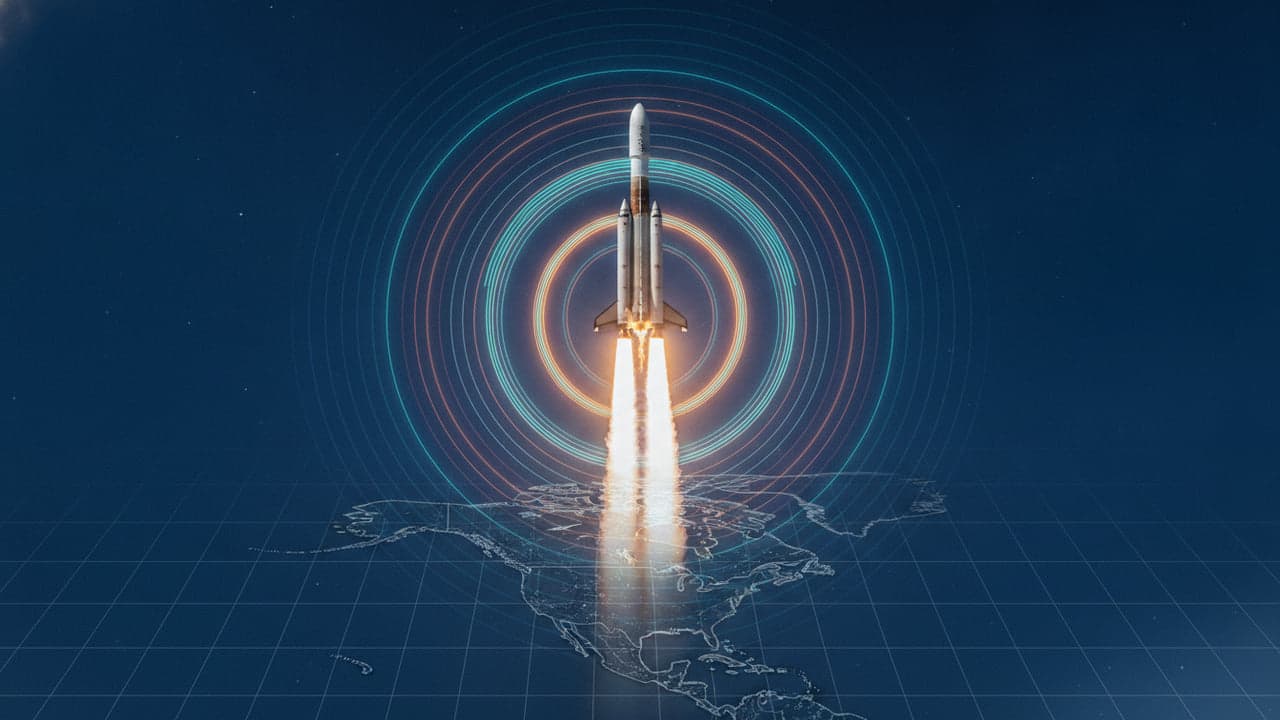
Launches into space generate shock waves and exhaust plumes that reach well beyond the launch pad. A recent pre-print study documented by [Hackaday](https://hackaday.com/2026/11/07/artemis-ii-rocket-was-powerful-enough-to-disrupt-gps/) shows that the Space Launch System rocket flown during the Artemis II mission generated widespread disruptions in Earth's upper atmosphere, altering the ionosphere enough to interfere with satellite positioning signals.

Biology

New Box Jellyfish Copula Lucentia Discovered off Alicante Coast

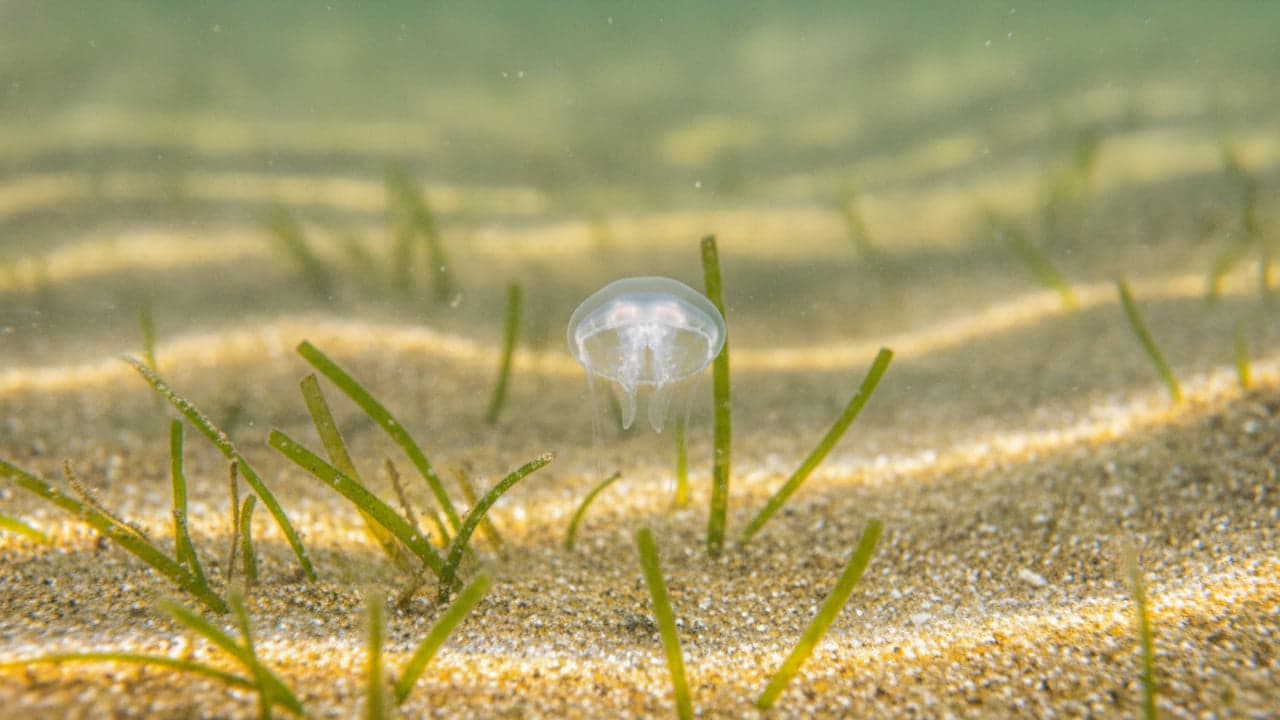
Marine scientists from the University of Alicante have identified a new species of box jellyfish, Copula lucentia, collected in shallow waters off the coast of El Campello in Spain. The discovery represents only the second Cubozoa species ever documented in the Mediterranean Sea, following a baseline established in 1758.

Space

Orbital Matter 3D Prints a 30 Centimeter Boom in Orbit

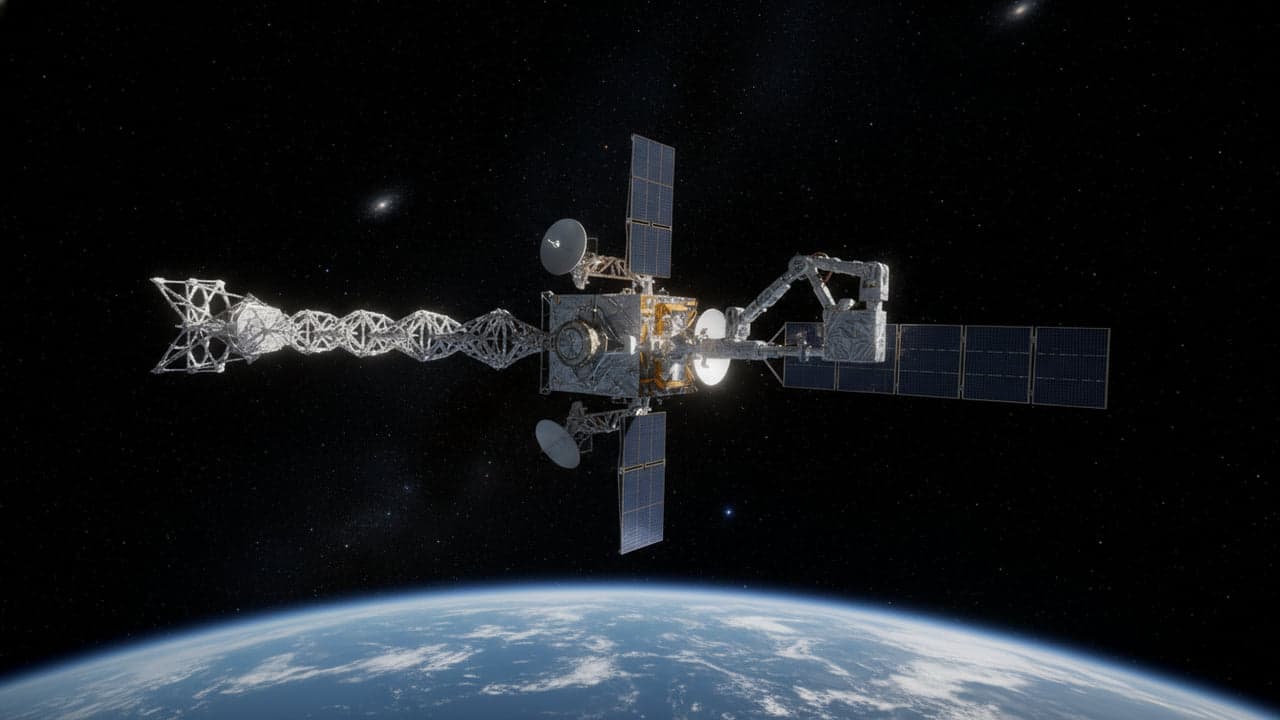
A satellite in low orbit has manufactured a solid structural segment directly into the vacuum of space. Technology company Orbital Matter completed the run using an onboard 3D printing system, extending a continuous boom directly from its craft.

Medicine

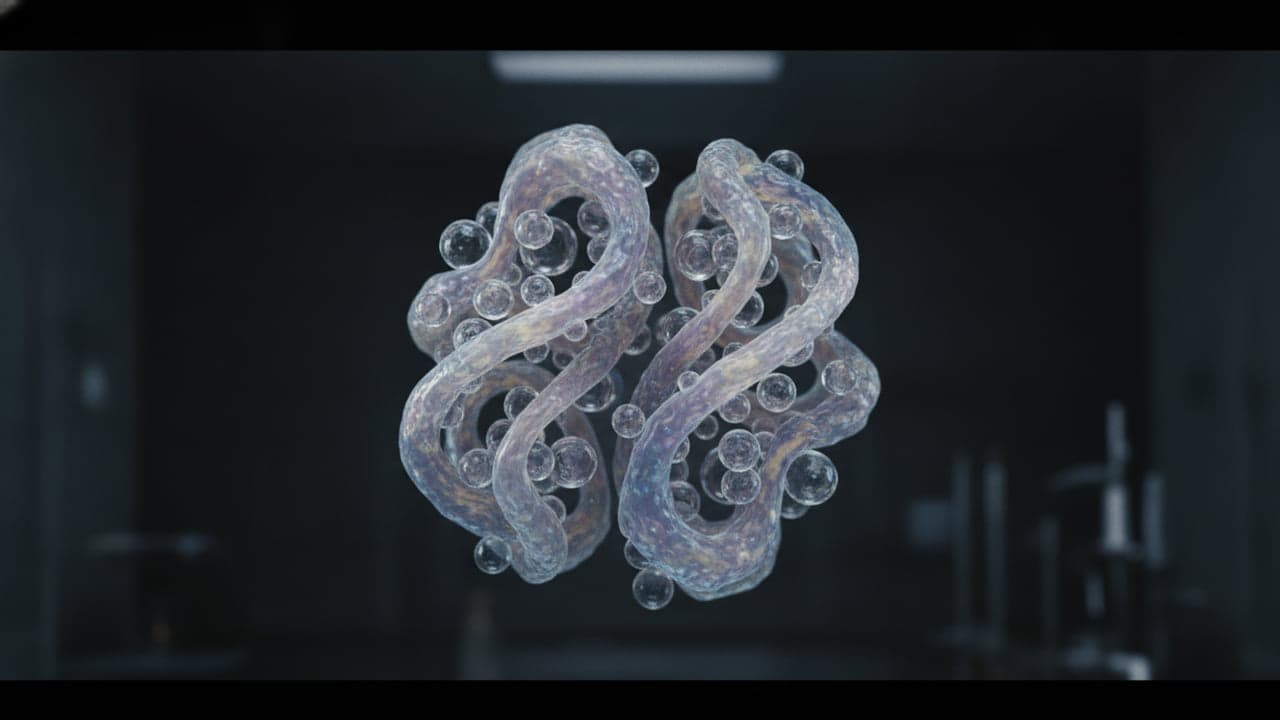
Excess Miro1 Protein Drives Insulin Resistance in Skeletal Muscle

A protein called Miro1 acts as a direct driver of insulin resistance when it accumulates in skeletal muscle, according to research from the Pennington Biomedical Research Center. Preclinical removal of the protein restored normal muscle response to insulin, highlighting a new biological target for biomedical innovation and future drug discovery.

Space

Gas Plumes over Alba Mons Suggest Martian Volcanism May Still Be Alive

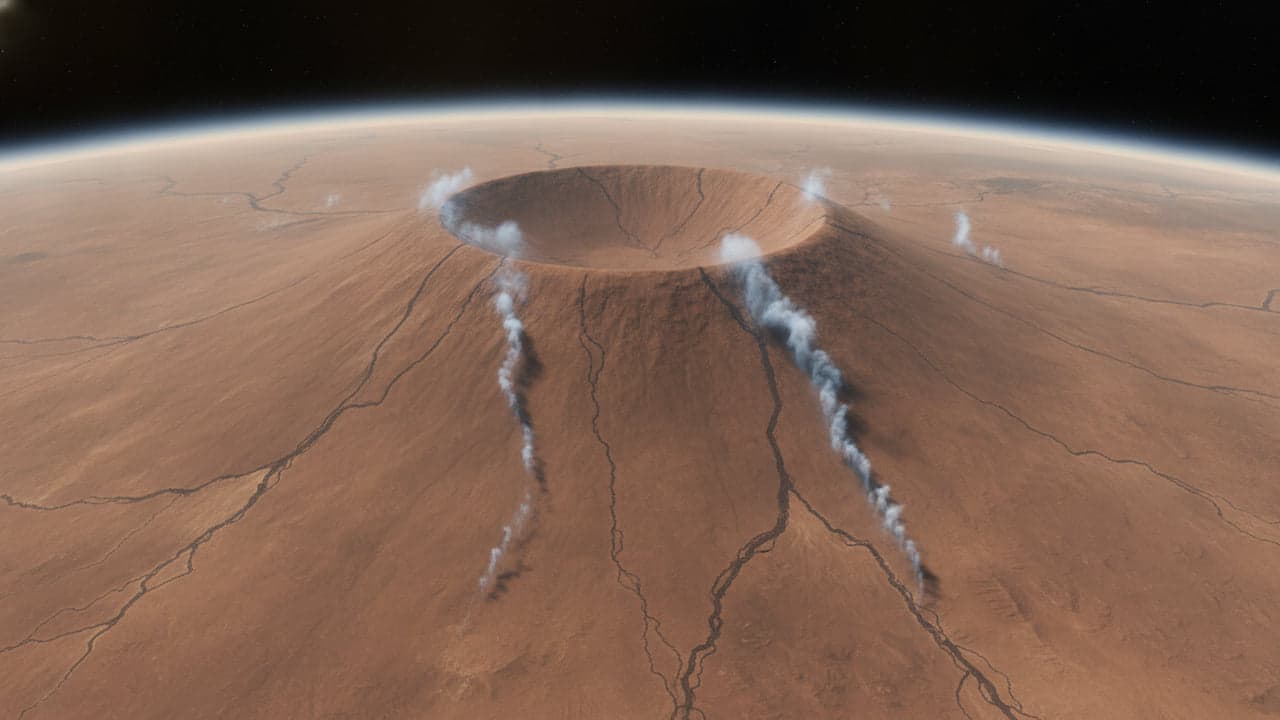
Instruments aboard the ExoMars Trace Gas Orbiter have detected localized leaks of hydrogen chloride gas rising from fissures in the Martian crust, pointing to possible active magma reservoirs beneath the surface. An international research team observed the emissions over the northern slopes of the Alba Mons volcano during early summer, challenging assumptions that geological activity on the planet has ended.

Archeology

Ancient Siberian Tomb Reveals 2,800-Year-Old Evidence of Psychoactive Cannabis Use

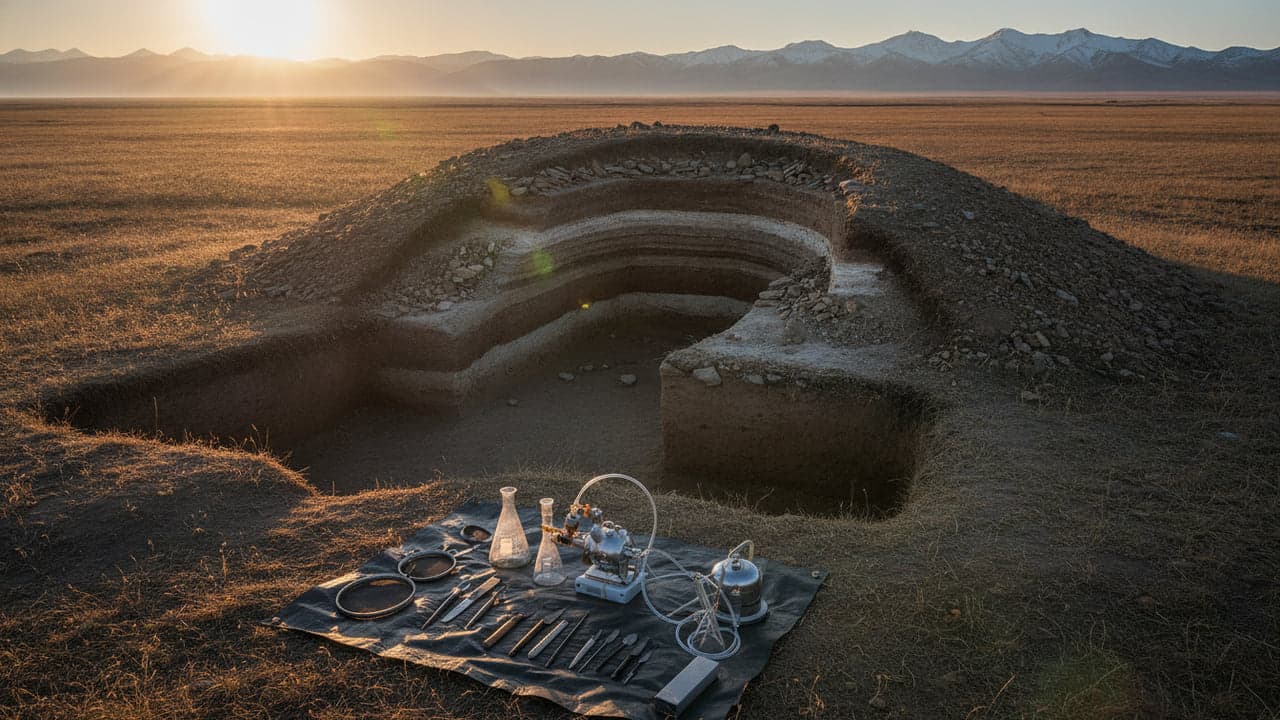
Archaeologists working in southern Siberia have identified the oldest directly dated physical evidence of psychoactive cannabis consumption, dating to the early eighth century B.C. The discovery, stemming from analytical innovation applied to preserved organic materials, connects nearly 1,000 seeds with chemical traces found directly in human hair from a royal burial mound.

Science

European XFEL Focuses Hard X-Ray Pulses to 180 Nanometres

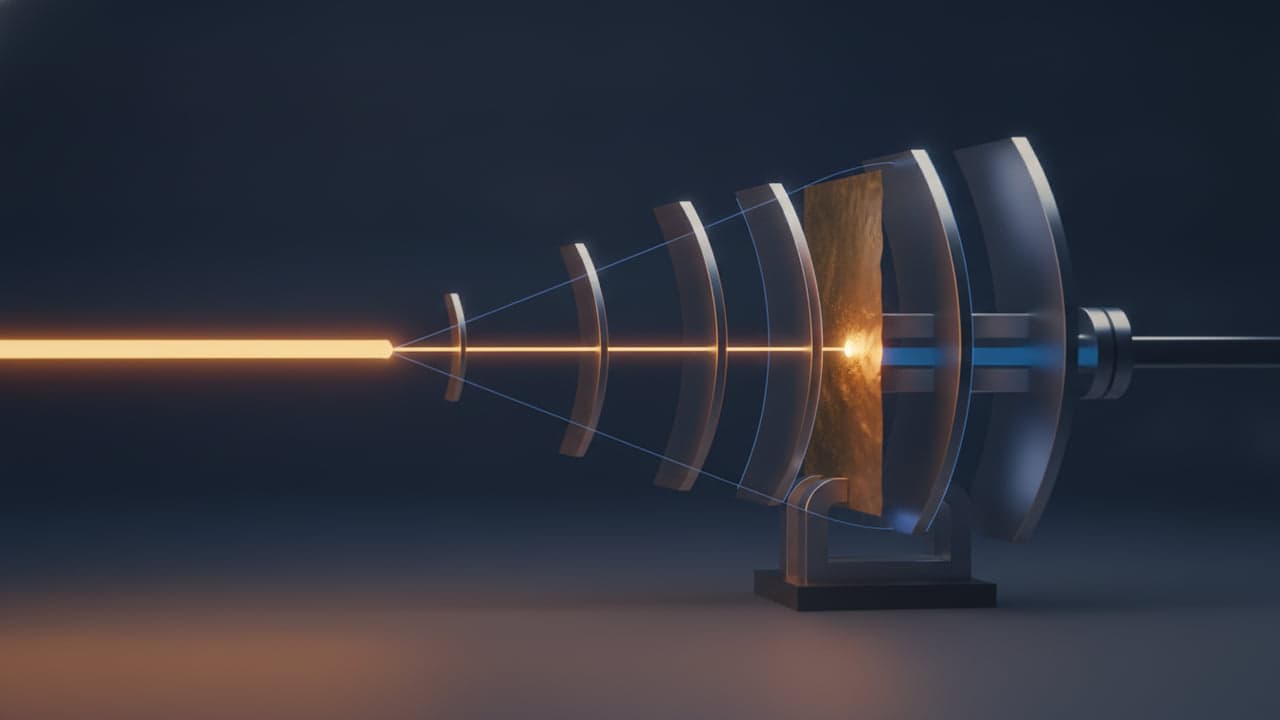
Physicists at the European XFEL research facility have squeezed hard X-ray flashes lasting just 300 attoseconds into a spot measuring 180 by 330 nanometres. The optical innovation, reported in the journal Optica, delivers power densities exceeding 10²⁰ watts per square centimetre to track electron dynamics during chemical reactions.

Medicine

Chemogenetic Gene Therapy Dampens Brain Cell Activity to Control Epilepsy

A research team in China has treated three epilepsy patients with a novel gene therapy that allows a drug to dampen brain cell activity. The trial represents the first reported clinical use of a chemogenetic approach to reduce seizures. The study demonstrates how combining genetic modification with targeted pharmaceutical control can suppress abnormal neural firing.