Letizia Giugliano

Biology

Ancestral Enzyme Variant Generates ATP with Fewer Amino Acids

Biochemists at Waseda University and the RIKEN Center for Integrative Medical Sciences have engineered a simplified ancestral enzyme that generates cellular energy without the amino acid traditionally required for the reaction. The biological invention, an engineered variant designated Arc1-12KR, produces adenosine triphosphate by combining two precursor molecules at a rate 7,500 times faster than earlier synthetic models. Described in research released in October 2026, the work provides a structural framework for designing stripped-down catalytic proteins.

Letizia Giugliano
Medicine

Activating p53 Protein Boosts Engineered T Cells Against Cancer

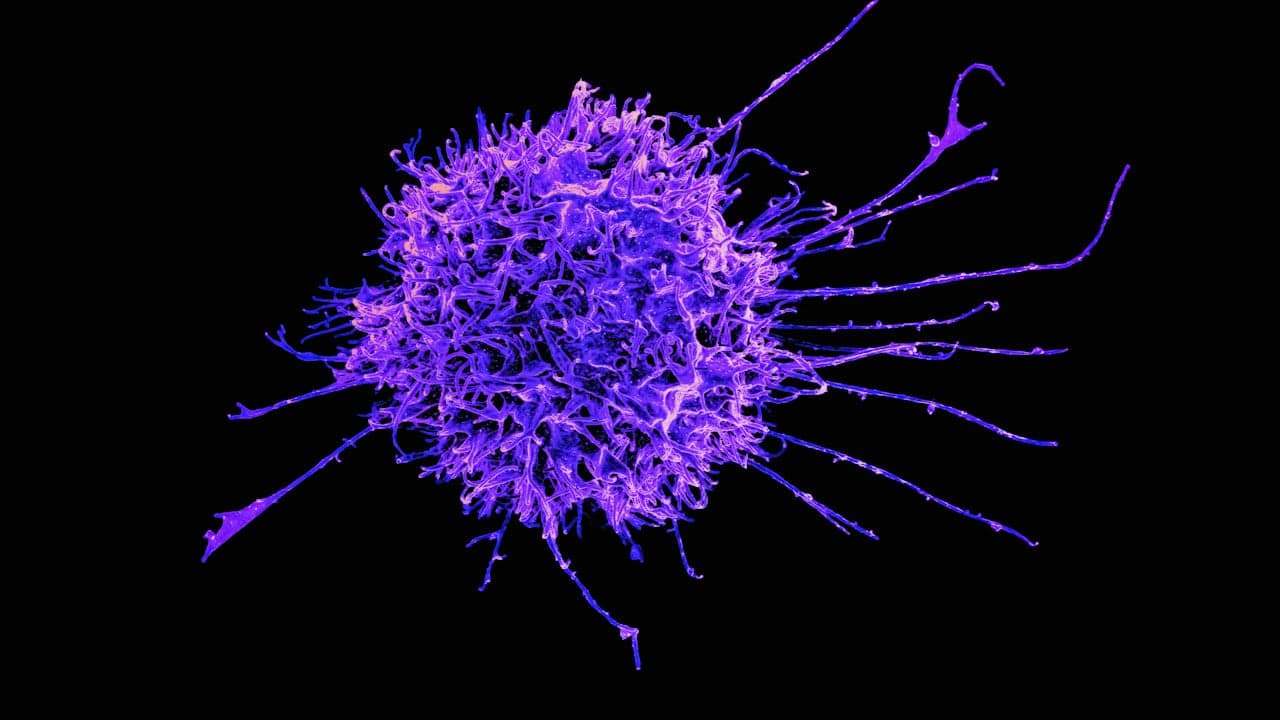
Scientists at the UCLA Health Jonsson Comprehensive Cancer Center have found that temporarily activating the tumor-suppressor protein p53 improves the stamina and killing power of engineered immune cells. The study, published in Frontiers in Immunology, demonstrates that dosing human T cells with the investigational drug navtemadlin during laboratory preparation keeps them from exhausting quickly and enhances their ability to destroy melanoma cells.

Letizia Giugliano

Environment

Fruit and vegetable scraps pack more fiber than flesh, King's study shows

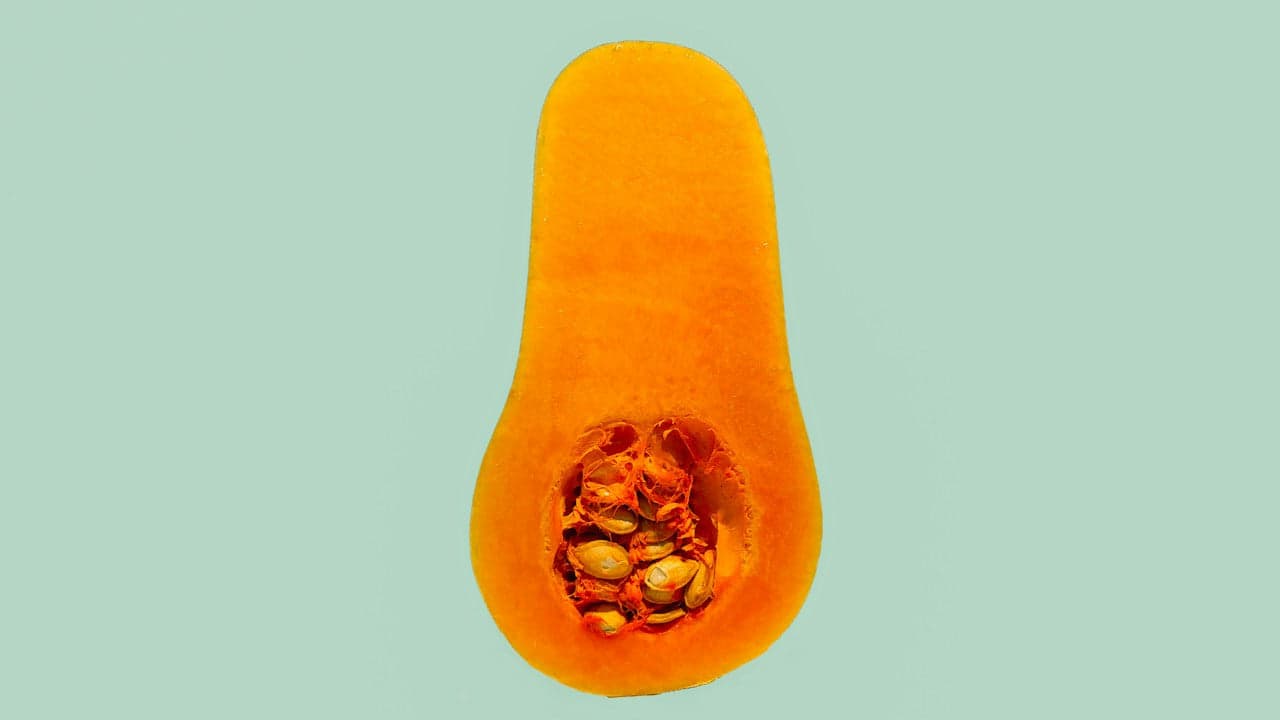
Researchers at King's College London found that discarded skins, seeds, and cores from twelve common fruits and vegetables contain higher fiber concentrations than the flesh itself. The team explored root-to-tip consumption as a dietary innovation to combat both household food waste and nutrient deficiencies. Their laboratory analysis showed that common kitchen refuse represents between 25% and 48% of total produce weight.

Letizia Giugliano

Biology

Yale Study Finds Taurine Acts as an Internal Brake on Inflammaging

Scientists at the Yale School of Medicine have discovered how taurine regulates immune reactions during aging, revealing that the amino acid prevents damaging inflammatory cascades. The biological innovation, published in the journal Cell, demonstrates that immune cells leak taurine when triggered by pathogens, removing a critical constraint on cellular inflammation.

Letizia Giugliano

Biology

How Crowded Molecules Assemble Synthetic DNA Droplets

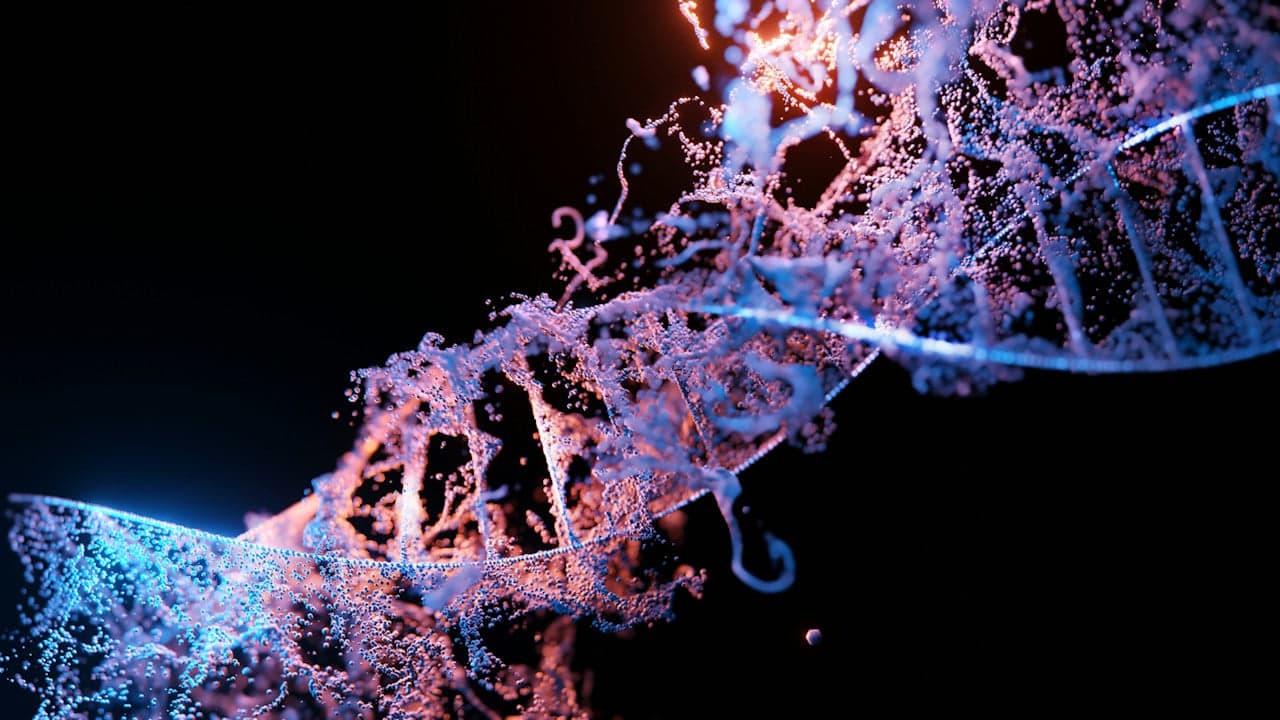
Biochemists at the Institute of Science Tokyo have found a way to assemble and organize artificial cell structures by mimicking the crowded interior of living cells. Using synthetic DNA nanostars and polymer crowding agents, the team stabilized liquid droplets at higher temperatures without allowing distinct droplets to fuse. The biological innovation provides a physical blueprint for building programmable microscopic networks.

Letizia Giugliano

Science

Unlocking Spider Silk to Turn Liquid Protein into Solid Fibers

Natural dragline silk can withstand a pulling force of 150 newtons per square millimeter before tearing, matching high-grade steel at a fraction of the weight. Replicating that performance through an artificial manufacturing process remains an elusive technical frontier in materials science. Today, laboratory teams are decoding how arachnids transform liquid gland proteins into tough, solid threads for textiles and medical use.

Letizia Giugliano

Physics

Quantum skyrmions on a chip survive after photon entanglement breaks down

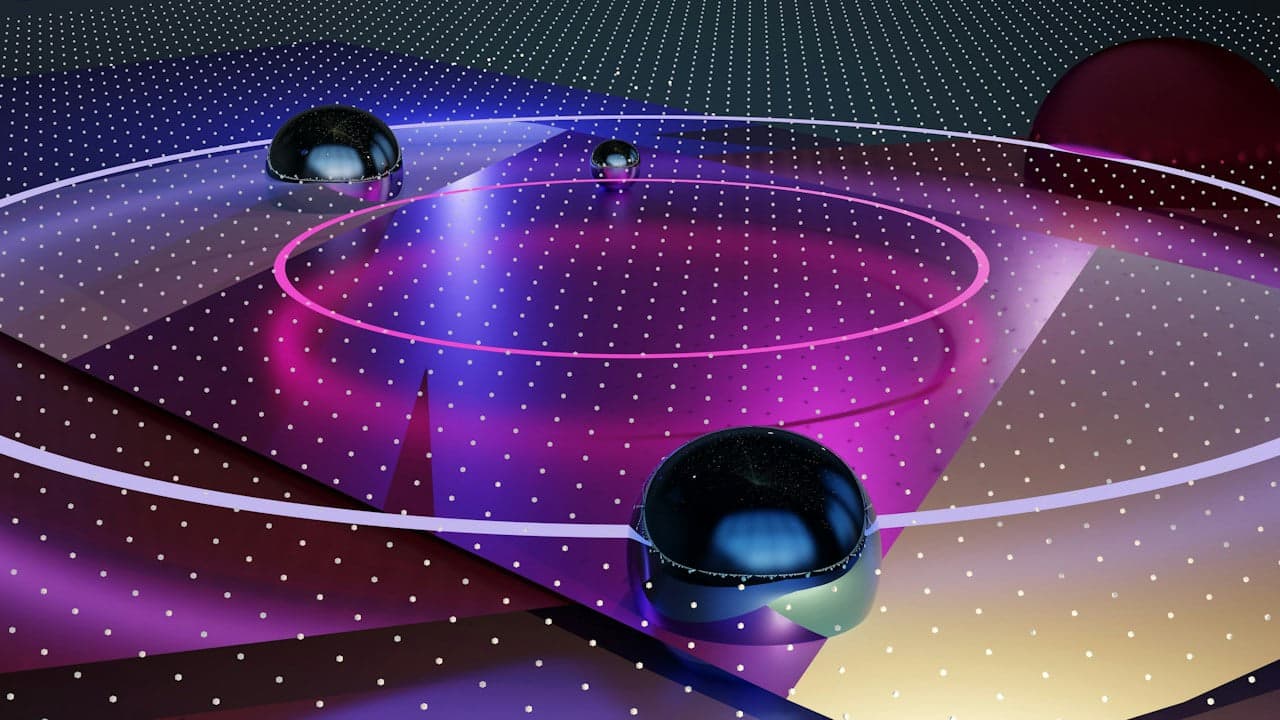
Physicists at the University of Pennsylvania have demonstrated that topological patterns encoded in light can persist even after the quantum entanglement linking two photons breaks apart. The finding addresses one of the fundamental vulnerabilities of optical quantum networks, where environmental noise routinely destroys sensitive quantum links. By using an integrated silicon nitride circuit, the team showed that mathematical topology offers a resilient way to protect quantum states.

Letizia Giugliano

Chemistry

Experimental Alloys Resist Fracturing at -253 Degrees Celsius

Two experimental niobium-titanium alloys stay flexible and resist cracking at -253°C, according to research published on October 14 in Nature. An international research team led by the University of California, Berkeley, Lawrence Berkeley National Laboratory, and the University of Oxford discovered that the metals reorganise internally under mechanical stress. This metallurgical innovation alters how materials might be designed for extreme cold in energy systems and space exploration.

Letizia Giugliano

Medicine

Hong Kong PolyU Develops MRI Biomarker to Predict Breast Cancer Drug Response

Researchers at The Hong Kong Polytechnic University have introduced a medical innovation that predicts how breast cancer patients will respond to targeted therapy before treatment starts. Using advanced radiomics on routine magnetic resonance scans, the team developed an imaging biomarker called the Tumour Heterogeneity Index. The method identifies patients likely to respond to AKT inhibitors, sparing others from ineffective treatments and toxic side effects.

Letizia Giugliano

Physics

Physicists Confirm Altermagnetism in Manganese Telluride

Physicists led by the SLAC National Accelerator Laboratory have confirmed the existence of a third magnetic phase known as altermagnetism. Reported on October 30, 2026, in the journal Science, the physical innovation provides direct experimental proof of chirality in manganese telluride, verifying a magnetic structure predicted only in 2022.

Letizia Giugliano

AI

BBERT uses artificial intelligence to identify hidden bacteria in soil

Researchers at the Hebrew University of Jerusalem and partner institutions have developed an artificial intelligence tool called BBERT to identify unknown bacterial DNA fragments directly from environmental soil samples. The software, detailed in a study published in Nucleic Acids Research, borrows mechanisms from language processing to evaluate genetic material without needing exact matches in reference catalogs. The invention allows laboratories to reconstruct microbial genomes in less than half the usual time using conventional personal computers.

Letizia Giugliano

Makers

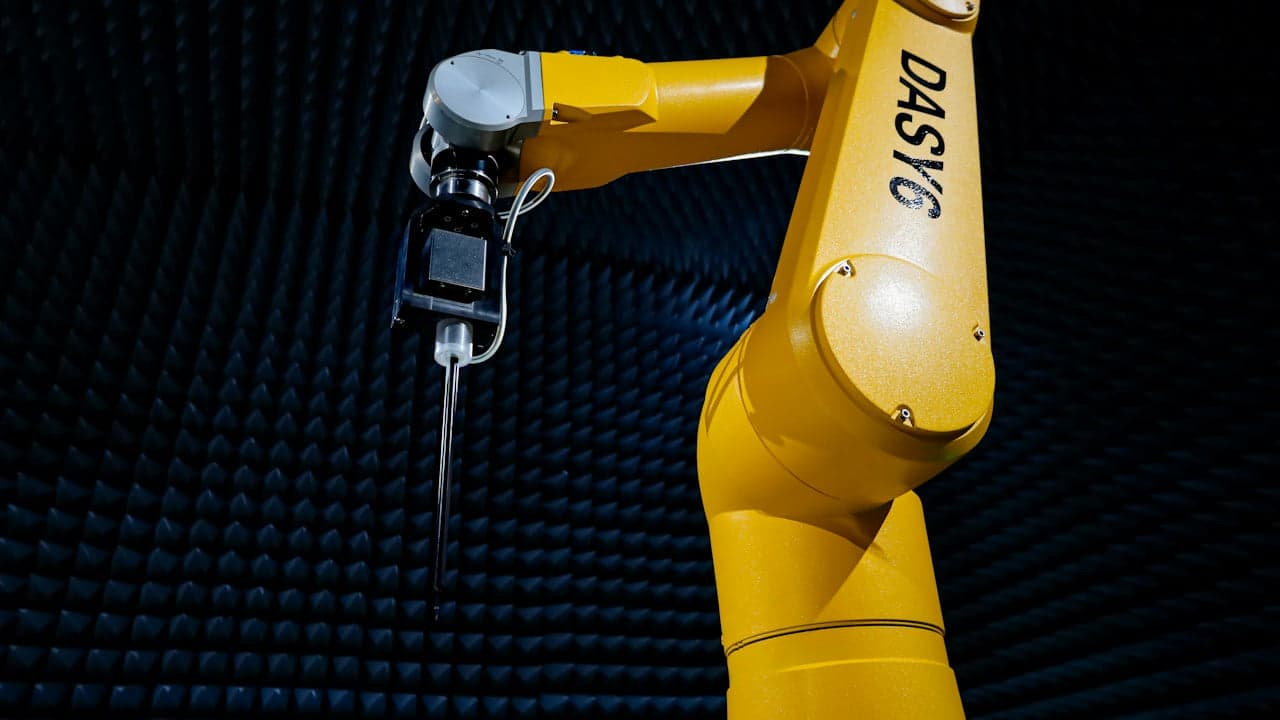
Dr. Kun Dániel Builds an AI-Guided Lockpicking Robot

Maker Dr. Kun Dániel has designed an autonomous lockpicking device that replaces the human touch with robotic actuators and artificial intelligence. The compact invention mounts onto an ordinary lock cylinder to manipulate internal pins through real-time physical feedback.

Letizia Giugliano

Tech

Transmitting Odors Over the Internet with Scentronic

Two research teams from The Ohio State University and Zhejiang Laboratory have demonstrated a method to digitize and transmit odors over network connections. The setup pairs an electronic nose with an emitting unit called Scentronic, using machine learning to classify scents before misting preloaded liquid fragrances. So far, the system has successfully transmitted the aromas of coffee, beer, cake, oranges and red wine.

Letizia Giugliano

Robotics

China tests experimental submersible trimaran warship

Naval shipbuilders in China are testing an uncrewed missile vessel at Huludao on the Bohai Sea that conceals its hull beneath the surface before emerging to fire. The experimental trimaran design measures roughly 65 metres in length and reflects a growing convergence of naval engineering and autonomous robotics.

Letizia Giugliano

Robotics

Magnetic Bead Implants Give Robotic Prosthetics Real Time Muscle Tracking

Three human amputees have successfully tested an implantable magnetic tracking system that measures muscle movements in real time. The study from the Massachusetts Institute of Technology, published in the journal Nature Sensors, offers a new physical interface for robotics controllers that guide advanced prosthetic limbs.

Letizia Giugliano

Electricity

A concentrated solar power system designed with its own fuel backup

Engineers are building a 1 megawatt concentrated solar plant in India that can switch directly to combustion fuels when sunlight drops. Developed by the US startup 247Solar, the invention replaces conventional turbine combustors with a heat exchanger, allowing the same generation machinery to run on solar heat or backup fuels without constructing a separate power station.

Letizia Giugliano

Biology

SmartPE Boosts Prime Editing in Dicot Crops

Molecular biologists have struggled to adapt prime editing to broad-leaved plants because editing rates in dicot species routinely lag behind those in grasses. To overcome that barrier, researchers at the Chinese Academy of Sciences developed an engineered prime editing system called SmartPE. The biological invention, published in Nature Plants, raises target modification rates across tomato, soybean and rapeseed tissues.

Letizia Giugliano