Biology

Biology

UConn Study Shows Water Governs Human Tissue Elasticity

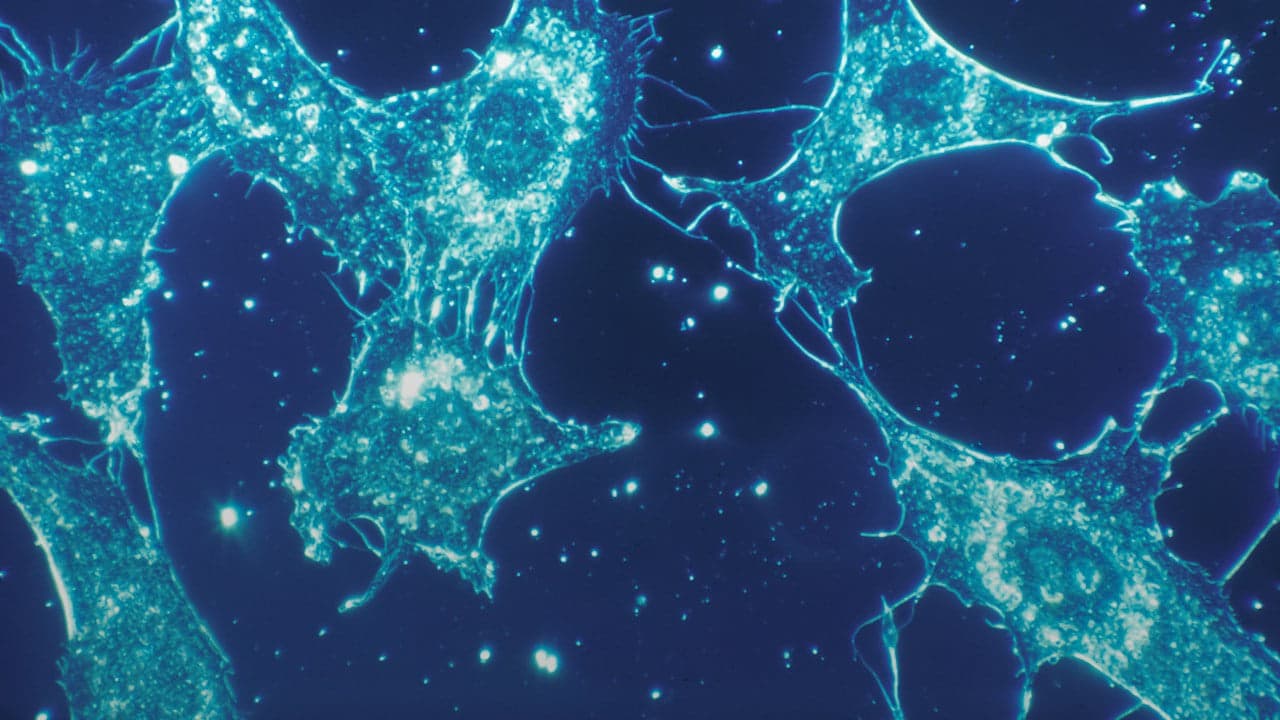
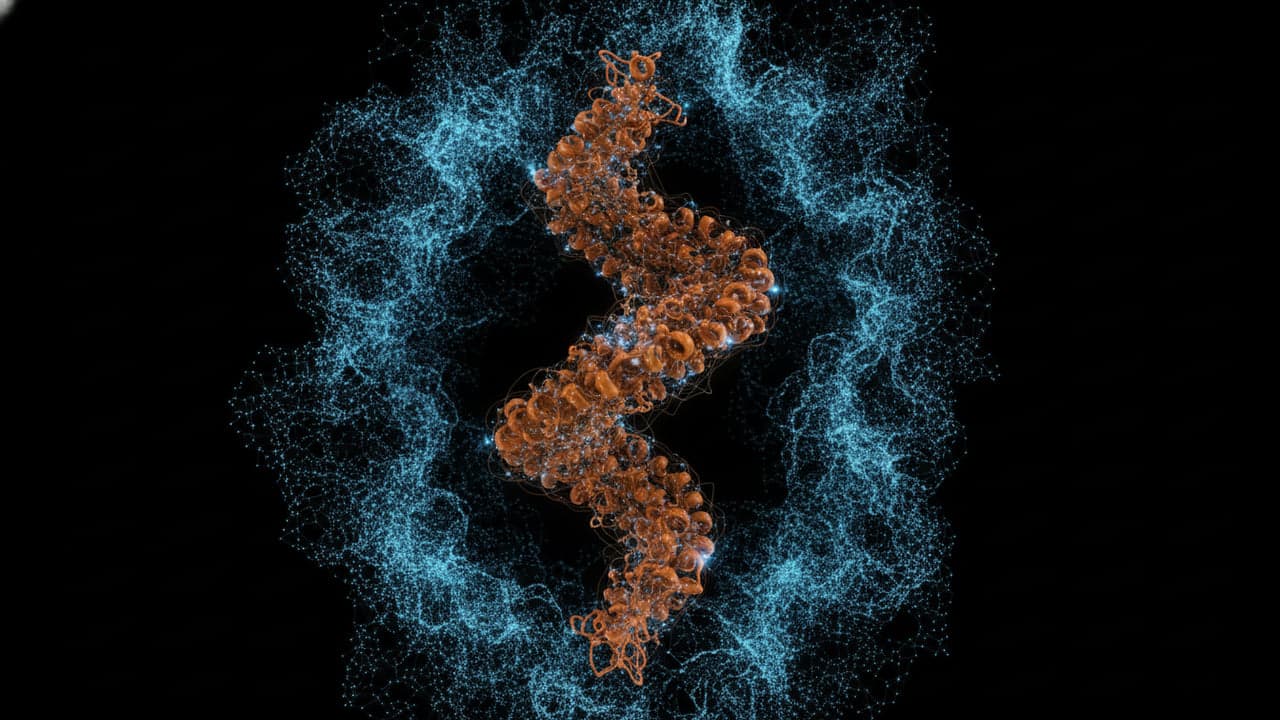
University of Connecticut researchers Anna Tarakanova and Metehan Çam demonstrated on November 9, 2026, that water molecules surrounding elastin drive the mechanical snapback of stretching organs. Published in Nature Communications, the discovery resolves a five-decade debate over whether protein chains or solvent dynamics govern tissue elasticity. The finding provides a quantitative framework that could guide the invention of synthetic biomaterials for regenerative medicine.

Letizia GiuglianoWith AI support · reviewed by Giovanni Sapere
Biology

Stem Cell Models Reveal Earliest Stages of Human Placenta

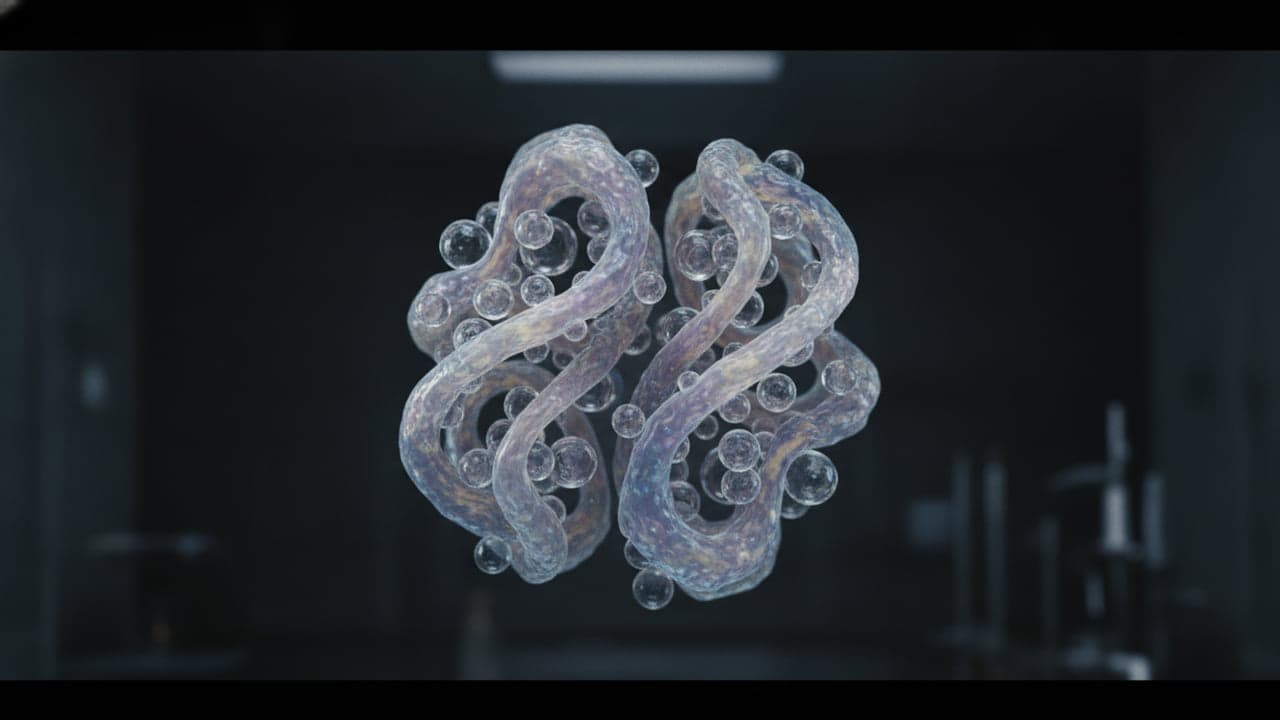
Researchers at Columbia University have developed three-dimensional stem cell models that recreate the initial structural formation of the human placenta. Described in a paper published in Nature Cell Biology, this biological invention allows scientists to observe how embryonic cells organize outside the womb. The platform offers a new path to examine why early implantation fails and how pregnancy complications emerge.

Letizia GiuglianoWith AI support · reviewed by Giovanni Sapere
Biology

Fluorescent Probes Reveal Fluid Barriers Inside Living Human Nuclear Pores

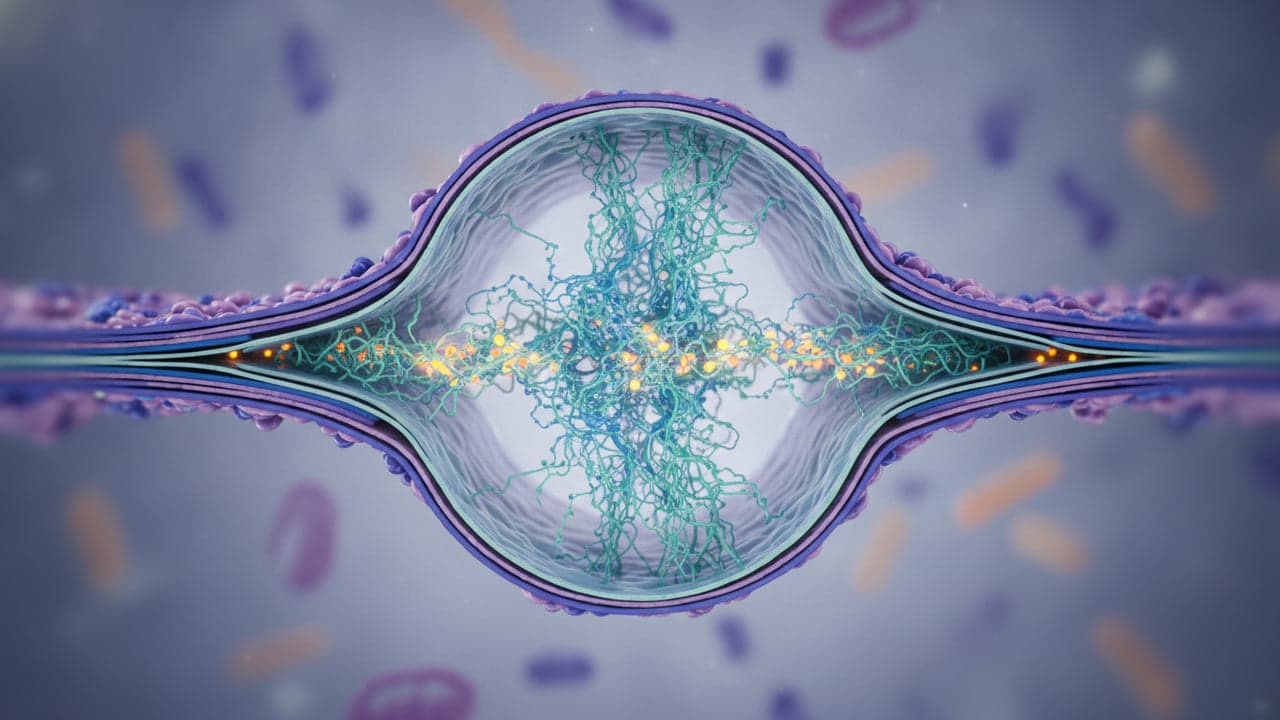
Researchers at Johannes Gutenberg University Mainz, the Max Planck Institute for Biophysics and Wuhan University have measured the protein dynamics inside human cell nuclear pores for the first time. The biophysical innovation shows that the central nanocanal remains in a fluid-like state rather than solidifying into a gel. The findings, published in Nature, solve a long-standing debate over how cells selectively filter tens of thousands of molecular visitors each minute.

Letizia GiuglianoWith AI support · reviewed by Giovanni Sapere
Biology

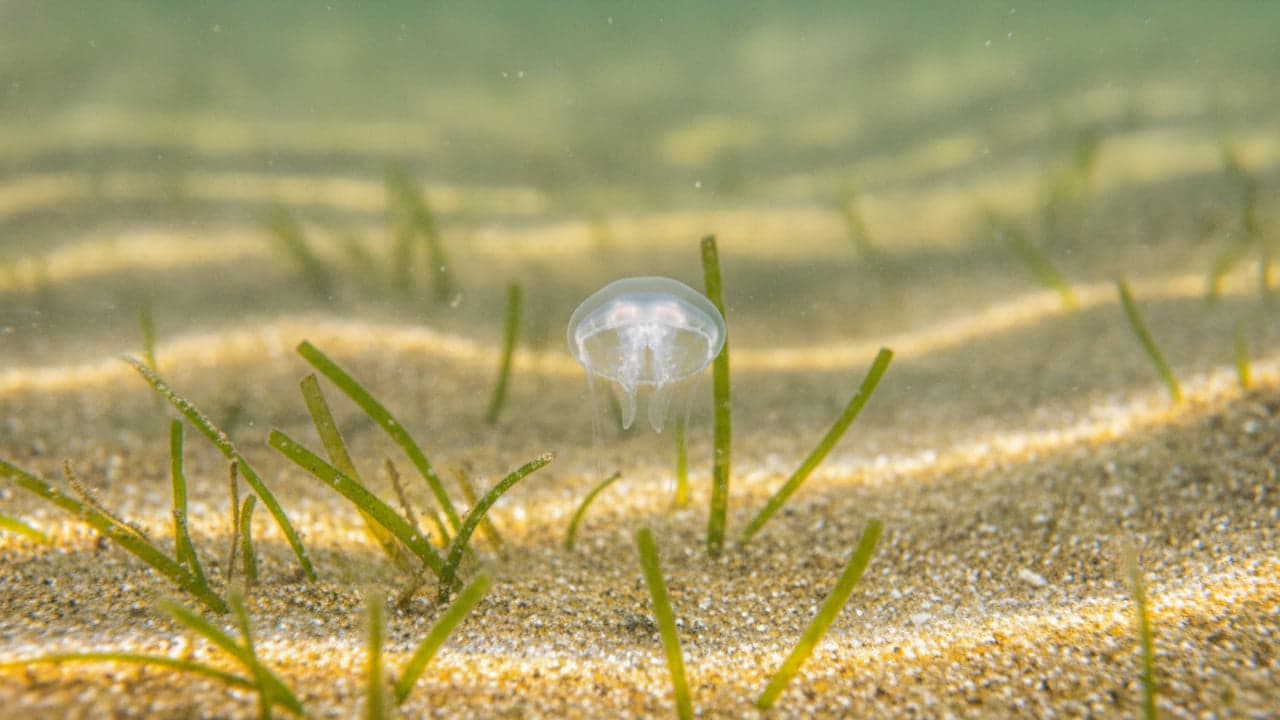
New Box Jellyfish Copula Lucentia Discovered off Alicante Coast

Marine scientists from the University of Alicante have identified a new species of box jellyfish, Copula lucentia, collected in shallow waters off the coast of El Campello in Spain. The discovery represents only the second Cubozoa species ever documented in the Mediterranean Sea, following a baseline established in 1758.

Giovanni SapereWith AI support · reviewed by Giovanni Sapere
Biology

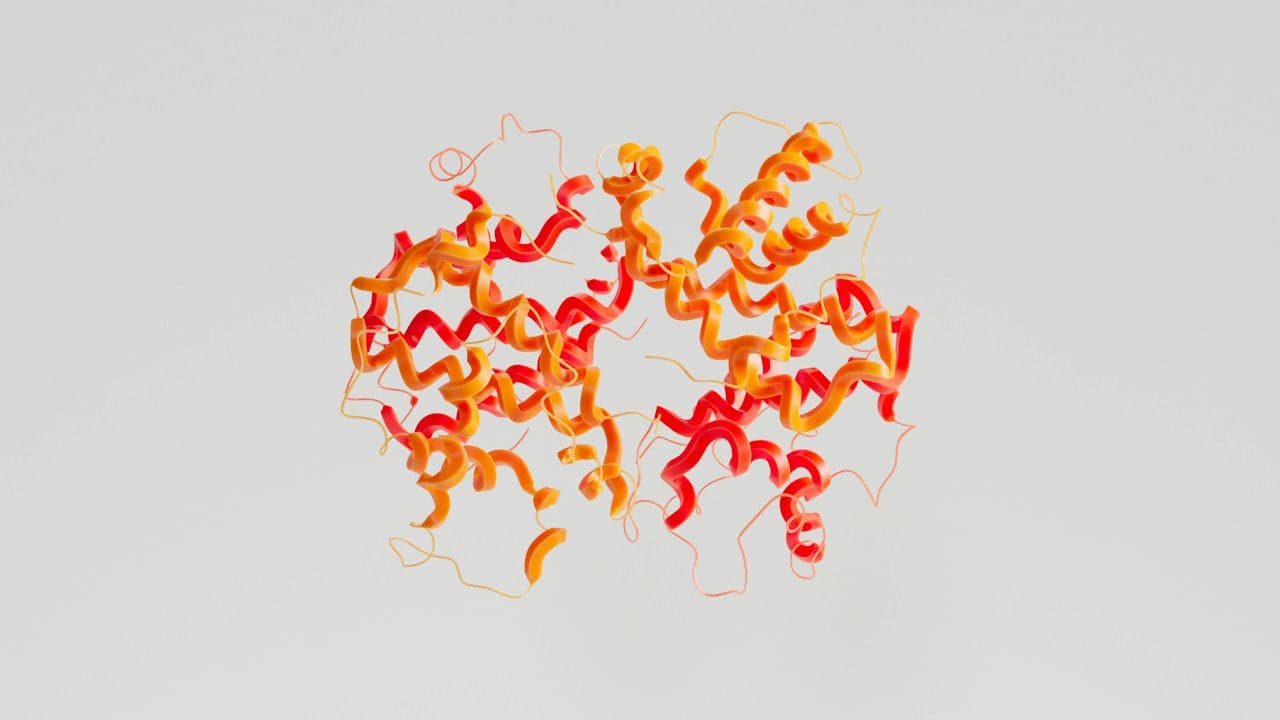
Cryo-EM Reveals How TACO1 Keeps Mitochondrial Protein Synthesis Moving

Biochemists at Karolinska Institutet have uncovered how a regulatory protein called TACO1 prevents cellular power plants from stalling during protein synthesis. The study, published in Nature Communications, reveals the molecular mechanics that keep mitochondrial ribosomes moving through difficult sequences of amino acids, offering critical insight into rare metabolic disorders.

Giovanni SapereWith AI support · reviewed by Giovanni Sapere
Biology

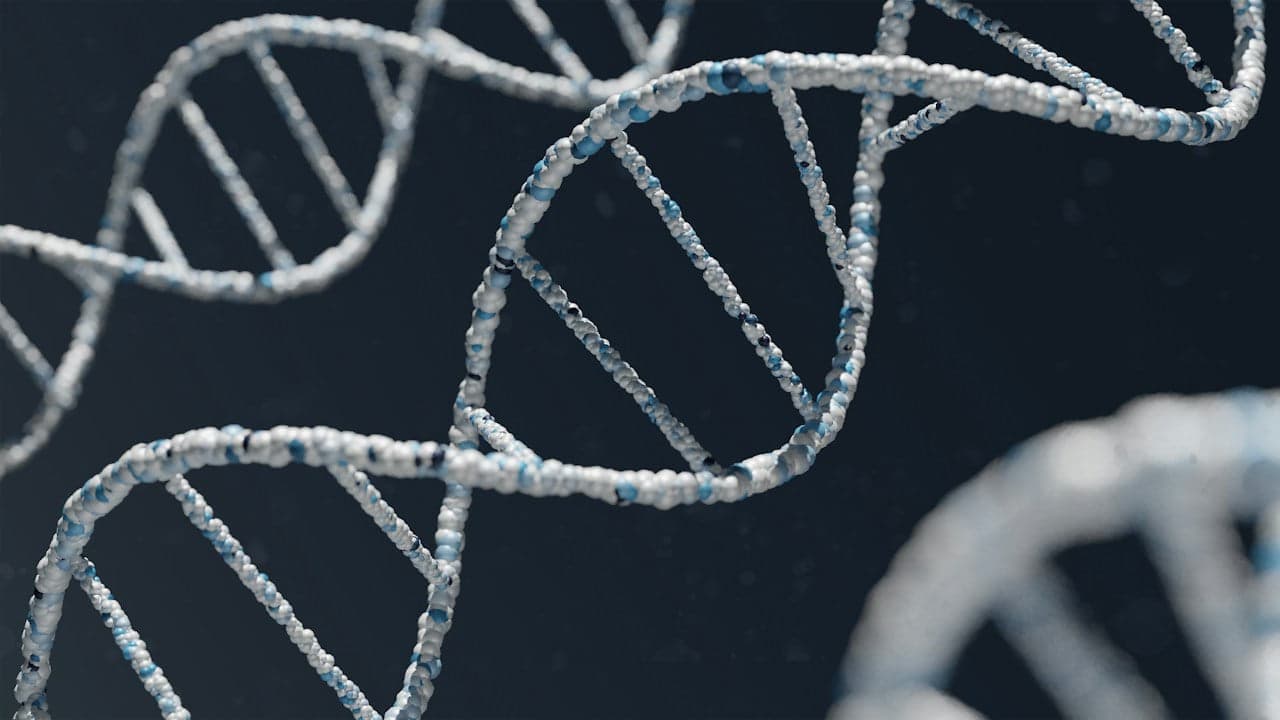
Gene Editing Produces First G0 Population of Pacific Abalones

Marine biologists at the Institute of Oceanology of the Chinese Academy of Sciences have produced a founder generation of roughly 100 genome-edited Pacific abalones. The biological innovation establishes a complete rearing workflow that keeps mutated larvae alive through metamorphosis into juvenile shellfish.

Letizia GiuglianoWith AI support · reviewed by Giovanni Sapere
Biology

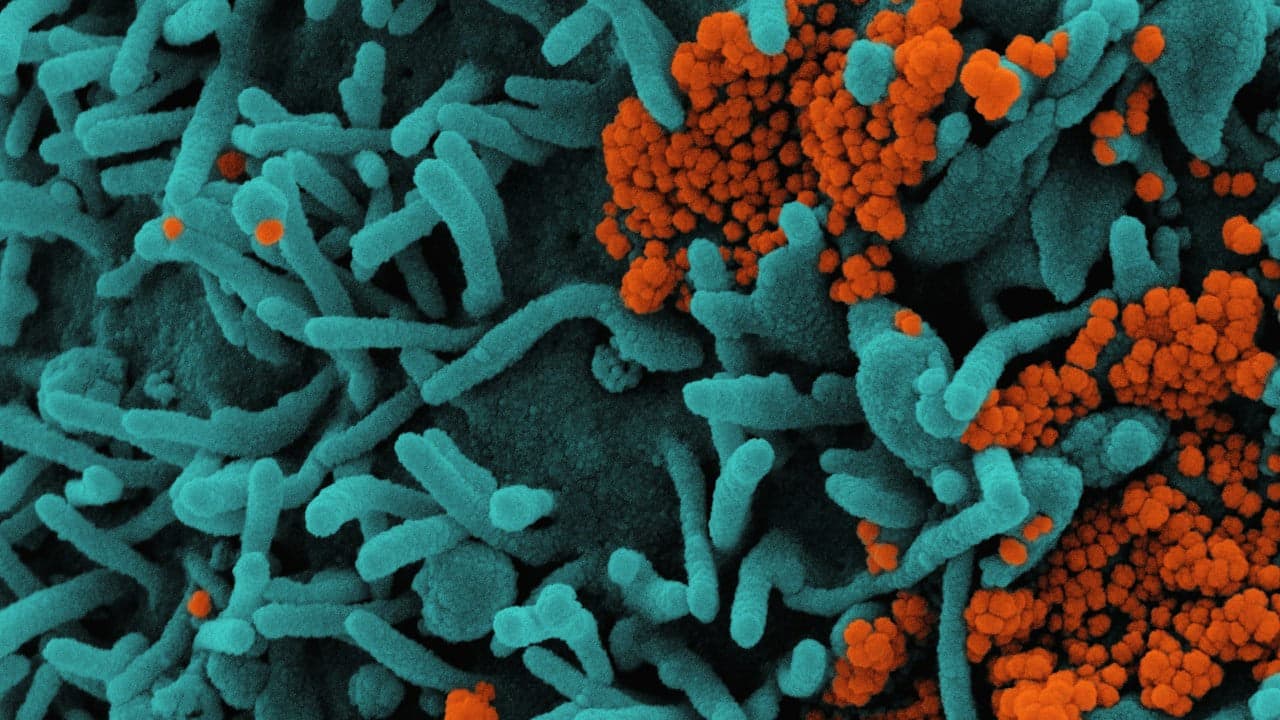
Nasal Microbiome Fuels Staphylococcus aureus Growth Through Amino Acid Sharing

Microbiologist Simon Heilbronner and his team at Ludwig Maximilian University of Munich have uncovered how neighbouring nasal bacteria can directly feed the opportunistic pathogen Staphylococcus aureus. The study, published in the journal Microbiome, highlights an important biological innovation in understanding nasal colonization and designing targeted microbial communities to displace harmful microbes.

Letizia GiuglianoWith AI support · reviewed by Giovanni Sapere
Biology

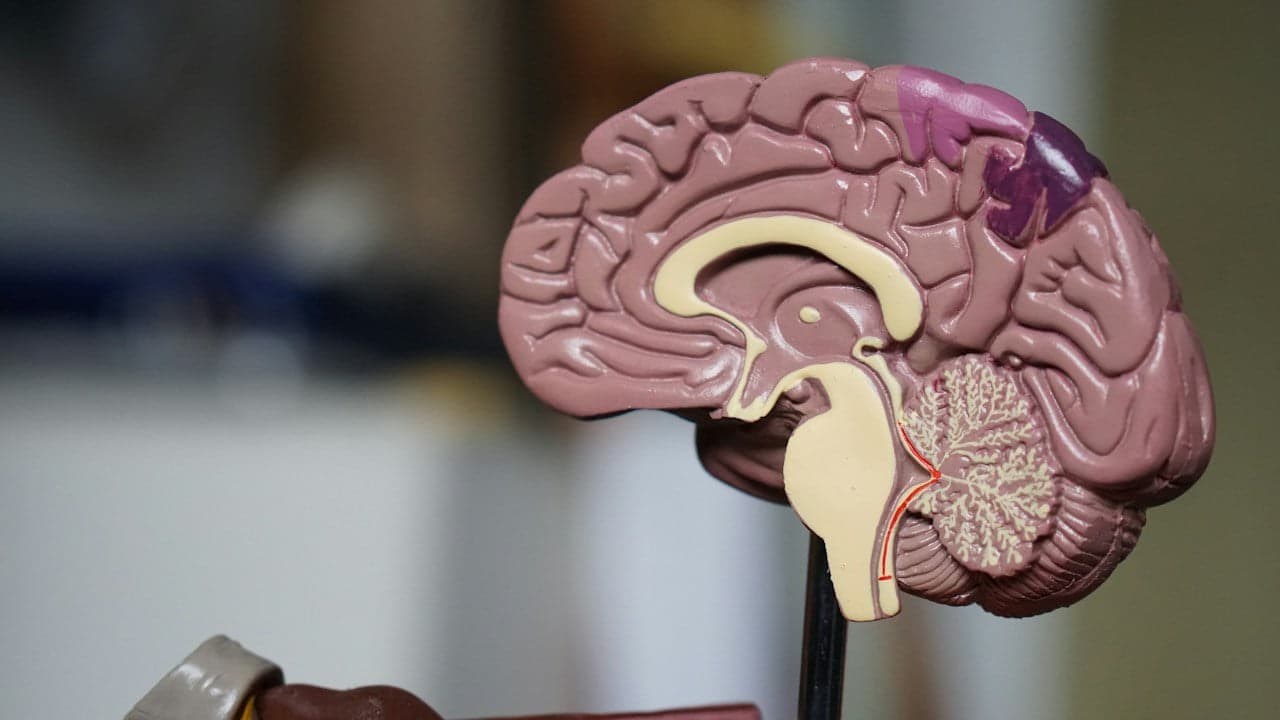
Why ASPM Mutations Strike the Human Brain Harder Than Other Mammals

Genetic mutations linked to microcephaly leave human brains severely underdeveloped while sparing laboratory mice with the same defect. A research team at the VIB-KU Leuven Center for Neuroscience has resolved this evolutionary puzzle by tracking early cellular growth in human tissue models. Their scientific innovation shows that defects in the ASPM gene selectively target the stem cells that allow human brains to expand.

Giovanni SapereWith AI support · reviewed by Giovanni Sapere
Biology

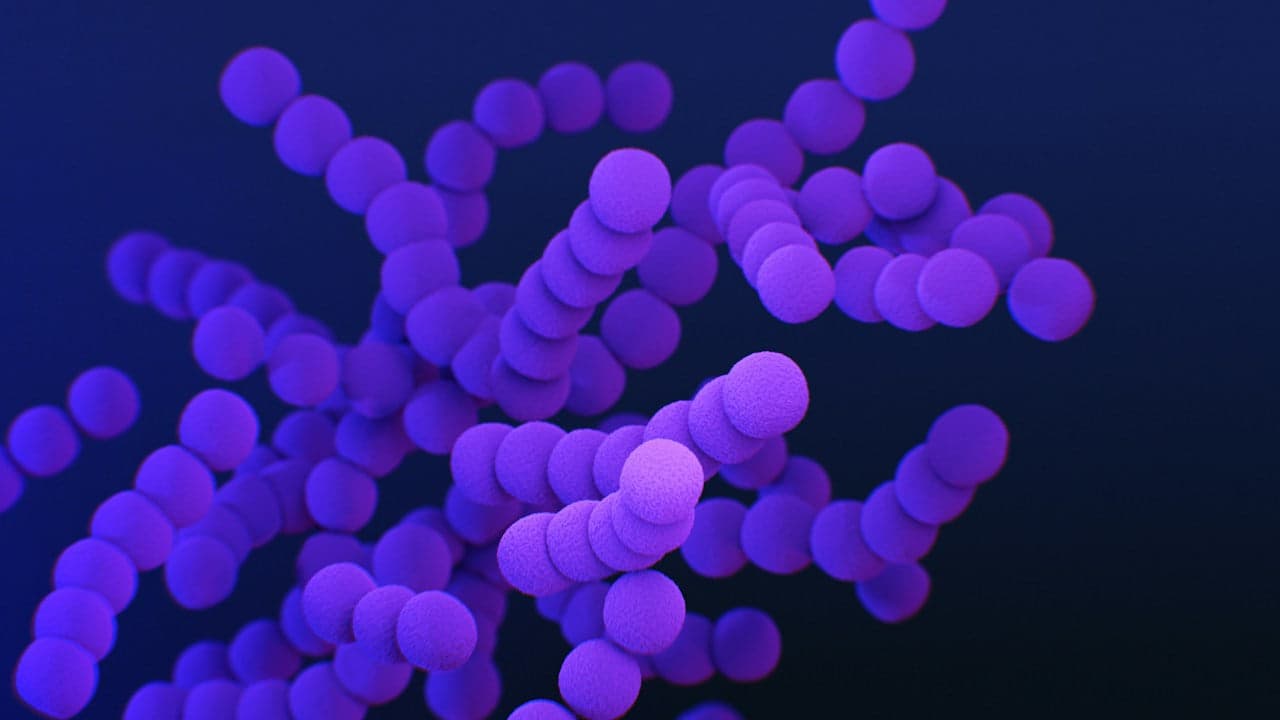
Nanoparticles Releasing Nitric Oxide Clear Skin Infections in Moth Larvae

Scientists at the University of Reading and Al-Farabi Kazakh National University have engineered microscopic particles that slowly release nitric oxide to eliminate skin infections. The therapeutic invention, published in November 2026, allowed 90 percent of infected wax moth larvae to survive, compared to 60 percent without treatment. By packaging a gas that the human body makes naturally into a stable carrier, the team aims to overcome antibiotic resistance without relying on traditional drugs.

Letizia GiuglianoWith AI support · reviewed by Giovanni Sapere
Biology

Ancestral Enzyme Variant Generates ATP with Fewer Amino Acids

Biochemists at Waseda University and the RIKEN Center for Integrative Medical Sciences have engineered a simplified ancestral enzyme that generates cellular energy without the amino acid traditionally required for the reaction. The biological invention, an engineered variant designated Arc1-12KR, produces adenosine triphosphate by combining two precursor molecules at a rate 7,500 times faster than earlier synthetic models. Described in research released in October 2026, the work provides a structural framework for designing stripped-down catalytic proteins.

Letizia GiuglianoWith AI support · reviewed by Letizia Giugliano

Biology

Yale Study Finds Taurine Acts as an Internal Brake on Inflammaging

Scientists at the Yale School of Medicine have discovered how taurine regulates immune reactions during aging, revealing that the amino acid prevents damaging inflammatory cascades. The biological innovation, published in the journal Cell, demonstrates that immune cells leak taurine when triggered by pathogens, removing a critical constraint on cellular inflammation.

Letizia GiuglianoWith AI support · reviewed by Letizia Giugliano

Biology

How Crowded Molecules Assemble Synthetic DNA Droplets

Biochemists at the Institute of Science Tokyo have found a way to assemble and organize artificial cell structures by mimicking the crowded interior of living cells. Using synthetic DNA nanostars and polymer crowding agents, the team stabilized liquid droplets at higher temperatures without allowing distinct droplets to fuse. The biological innovation provides a physical blueprint for building programmable microscopic networks.

Letizia GiuglianoWith AI support · reviewed by Letizia Giugliano

Biology

Giant Virus Yields a Potassium Channel Gene Linked to Complex Protein Origins

A DNA virus that infects marine algae carries a working gene for a tandem potassium channel, according to a study published in the Proceedings of the National Academy of Sciences. The finding points to giant viruses as active players in the structural evolution of cellular proteins.

Letizia GiuglianoWith AI support · reviewed by Letizia Giugliano

Biology

SmartPE Boosts Prime Editing in Dicot Crops

Molecular biologists have struggled to adapt prime editing to broad-leaved plants because editing rates in dicot species routinely lag behind those in grasses. To overcome that barrier, researchers at the Chinese Academy of Sciences developed an engineered prime editing system called SmartPE. The biological invention, published in Nature Plants, raises target modification rates across tomato, soybean and rapeseed tissues.

Letizia GiuglianoWith AI support · reviewed by Letizia Giugliano

Biology

Kew Scientists Unmask False Lingzhi to End a 245-Year Mushroom Mystery

Researchers from the Royal Botanic Gardens, Kew, and international partners have resolved a 245-year-old taxonomic mix-up by distinguishing European bracket fungus Ganoderma lucidum from the East Asian medicinal species Ganoderma lingzhi. The scientific innovation, published in Plants, People, Planet in October 2026, relies on genomic evidence from a rediscovered London specimen to establish species boundaries. Clarifying this identity provides an evidence-based foundation to verify pharmaceutical quality and protect intellectual property across a £200 billion global market for medicinal fungi.

Letizia GiuglianoWith AI support · reviewed by Giovanni Sapere
Biology

Solar and Soil Biobattery System Produces Urea Directly in the Field

Researchers led by the Universitat Autònoma de Barcelona have successfully deployed an agricultural pilot plant that manufactures nitrogen fertilizer on site from environmental pollutants. Tested in Viladecans, the installation synthesizes urea from carbon dioxide and agricultural nitrates using energy supplied by solar panels and soil biobatteries. The project provides a decentralized method to produce essential agricultural inputs without fossil-fuel-intensive supply chains.

Giovanni SapereWith AI support · reviewed by Giovanni Sapere
Biology

Dual-Color Bioluminescence Turns Glowing Plants into Living Biosensors

Scientists at the MRC Laboratory of Medical Sciences and commercial partner Light Bio have engineered a dual-color autoluminescent system that tracks plant immune defenses in real time. The approach bypasses metabolic fluctuations by measuring the ratio between green and red light emissions rather than raw brightness. The work, published in Nature Plants, converts self-sustained light emission into a precise quantitative tool for tracking plant health over extended timeframes.

Giovanni SapereWith AI support · reviewed by Letizia Giugliano

Biology

Light-Activated Switch Calms Nerve and Heart Muscle Cells

A research team led by Ruhr University Bochum has engineered an optogenetic tool capable of selectively shutting down electrical excitation in nerve and heart muscle cells. Published on October 20, 2026, the molecular innovation provides a precise optical switch to study disorders marked by cellular hyperactivity, including cardiac arrhythmias.

Letizia GiuglianoWith AI support · reviewed by Letizia Giugliano