Tech

Tech

Deep Tissue Microscopy Breaks the 100-Nanometer Barrier

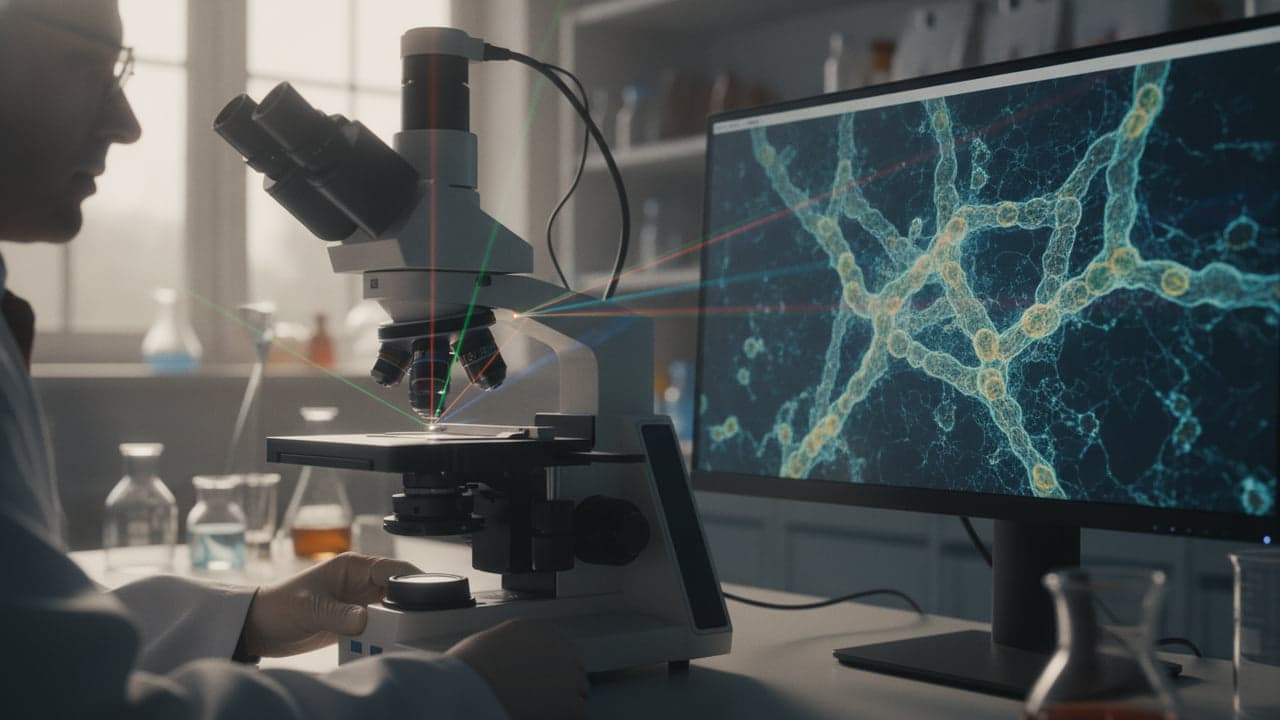
Biophotonics researchers at Texas A&M University have developed an optical imaging method that resolves structures smaller than 100 nanometers deep within intact biological specimens. The technique boosts standard two-photon microscopy resolution fivefold without sacrificing tissue penetration depth, as detailed in a study published in the Journal of Biomedical Optics.

AI

GlioTrace uses artificial intelligence to track brain cancer cells in live tissue

A computational imaging system called GlioTrace can track thousands of migrating glioblastoma cells across living brain slices for days at a time. Developed by scientists at Uppsala University, the method combines automated microscopy with artificial intelligence to reveal how individual brain tumor cells shift their shapes and change migration paths.

Tech

IBM plans 1,040-qubit modular quantum system for 2027

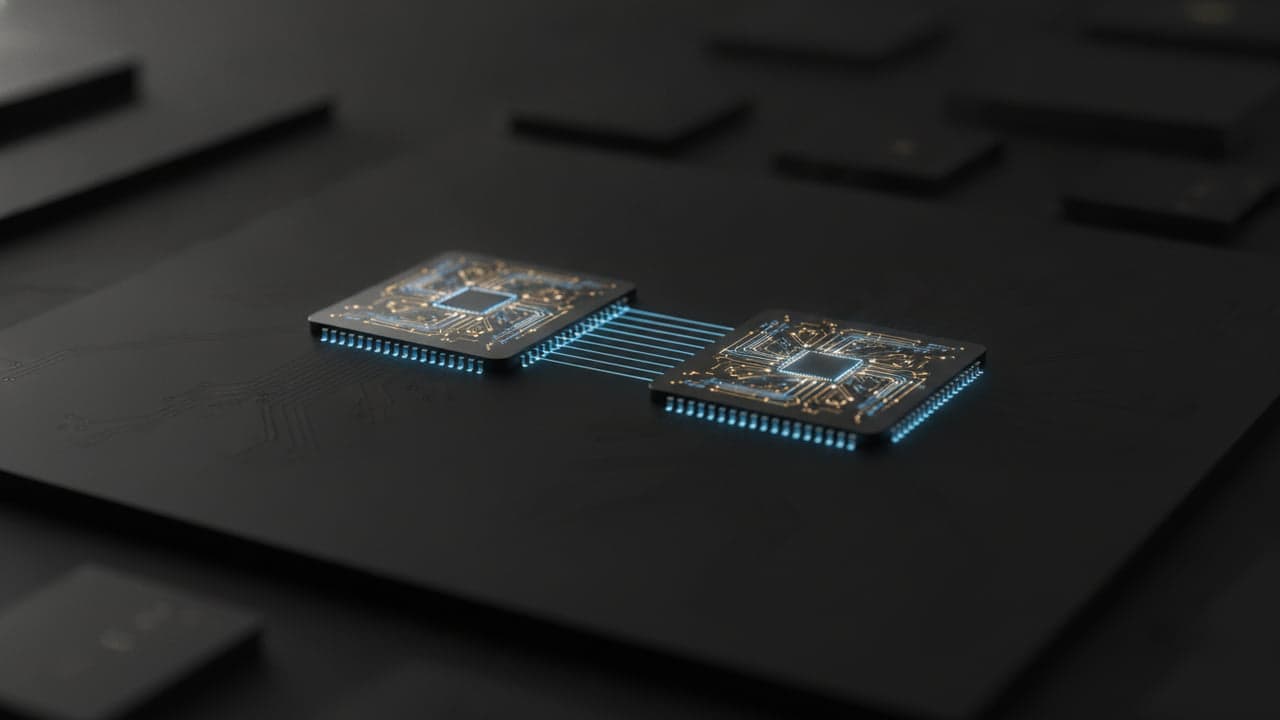
IBM will connect two next-generation quantum processors to assemble a single system with 1,040 qubits in 2027. The project relies on the company's upcoming Nighthawk r3 architecture, where physical couplers join separate chips into one machine. This hardware innovation addresses a core limitation in quantum development by expanding capacity without building a single, fragile processor die.

Tech

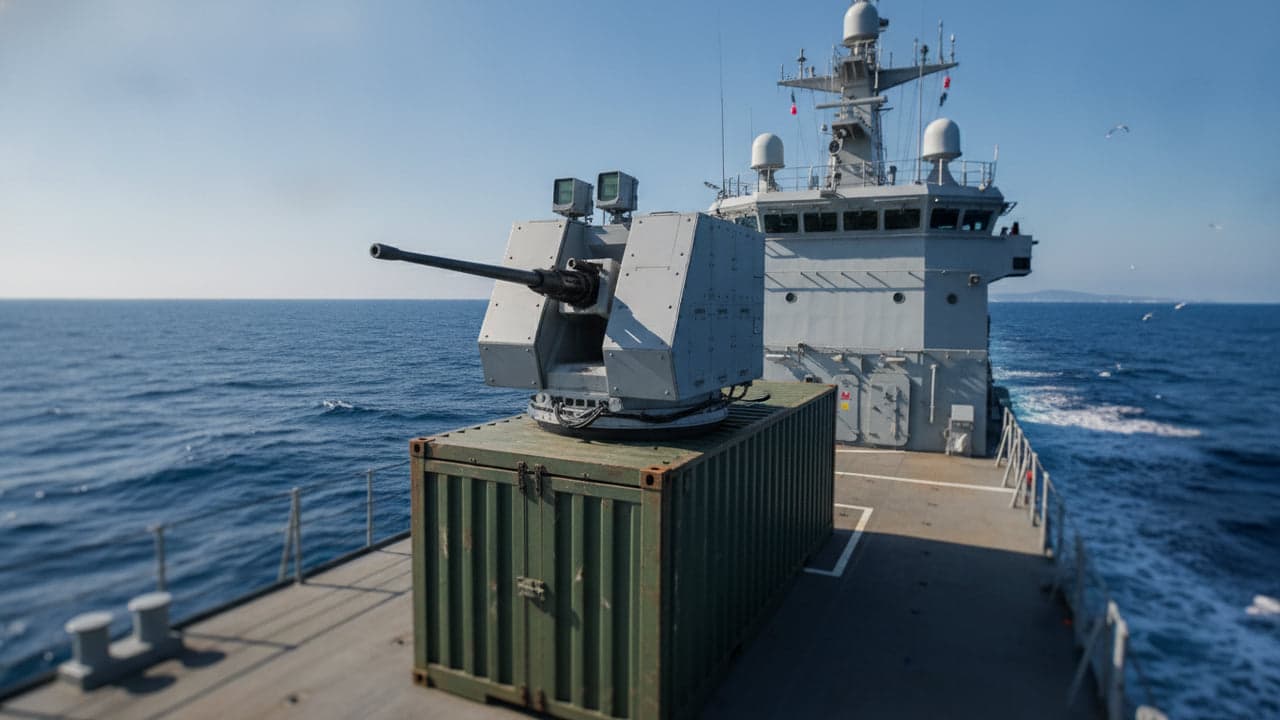
BAE Systems unveils Sea Tridon container mounted naval guns

BAE Systems presented its modular Sea Tridon naval gun family at the Euronaval 2026 exhibition in Paris to counter aerial drones and maritime swarms. The defense innovation adapts rapid-fire cannons for auxiliary vessels, patrol boats, and commercial cargo ships. By packaging automated artillery into standard freight units, operators can install defensive firepower without rebuilding their vessels.

Robotics

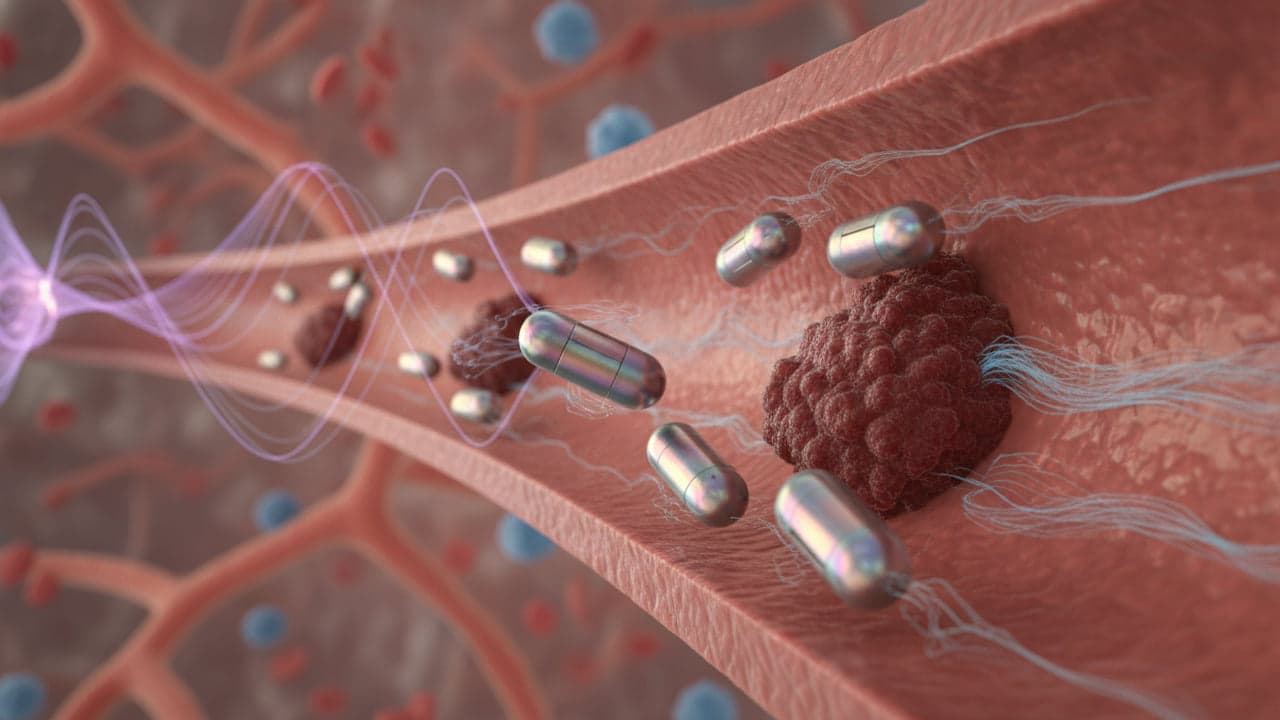
Magnetic microbots tumble through blood vessels to dissolve clots faster

Engineers at ETH Zurich have developed magnetically driven microbots that roll along blood vessel walls to help clot-dissolving drugs reach arterial blockages. The university filed a patent application for the technology after laboratory and animal trials demonstrated that artificial flow speeds up clot breakdown.

IT

Analog chip runs large Fourier transforms using half a million flash memory cells

Engineers from Sandia National Laboratories, Infineon Technologies and Arizona State University have adapted the fast Fourier transform algorithm to analog hardware. Their system computes large Fourier transforms by pairing digital processing steps with analog matrix operations executed across more than 500,000 flash memory cells.

Robotics

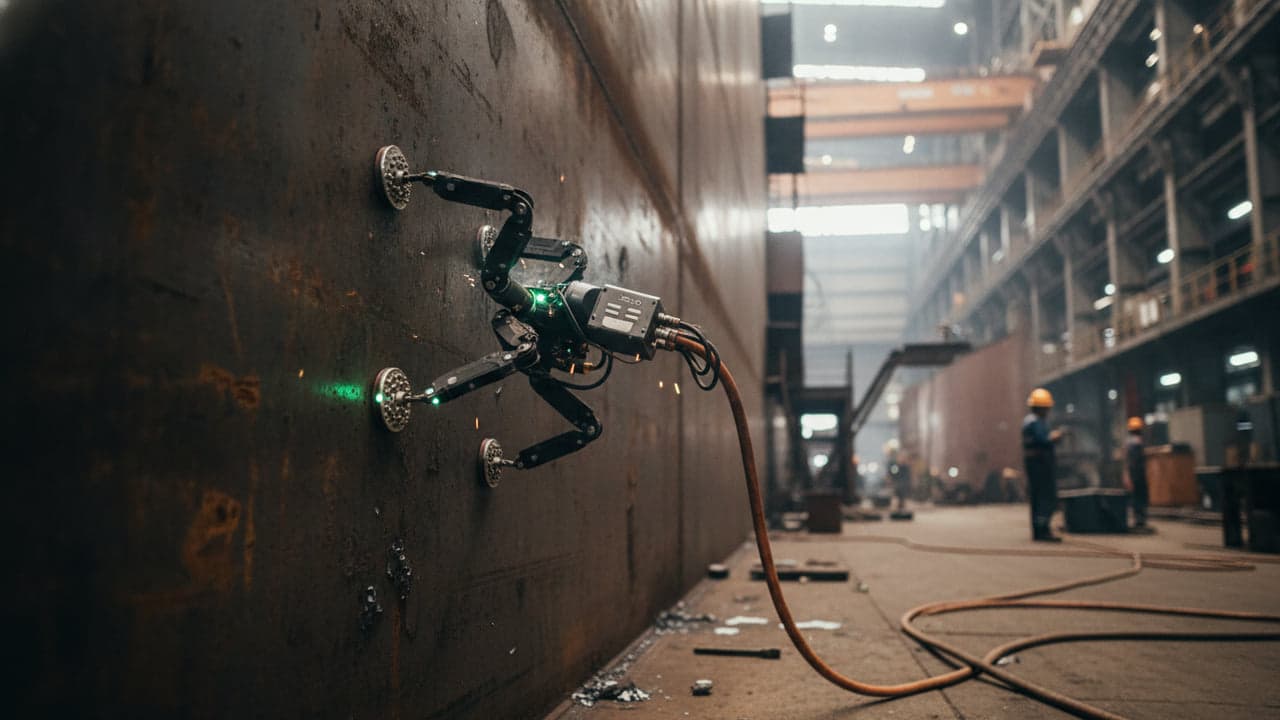
Diden Spider Climbs Shipyard Steel Walls to Weld Overhead

South Korean startup Diden Robotics has built a four-legged climbing machine designed to weld steel bulkheads and ceilings inside commercial vessels. The machine, known as the Diden Spider, uses switchable magnetic feet to scale vertical plates and hold heavy tools in places where human crews would otherwise need staging platforms and rigging. Field units have already entered shipyard production lines in South Korea.

Tech

Silicon Air Holes Turn Wafers Into Flat Ultraviolet Mirrors

Researchers at the University of Stuttgart have engineered a flat optical metasurface that reflects and focuses ultraviolet light by trapping it inside nanoscale cavities. The device, detailed in [Advanced Photonics via Phys.org](https://phys.org/news/2026-11-air-holes-silicon-wafers-flat.html), uses microscopic air holes etched directly into standard silicon wafers to bypass the heavy absorption that usually limits silicon in ultraviolet optics. This optical invention provides a flat alternative to bulky curved mirrors for high-resolution imaging and chemical sensing.

AI

DeepMind AI Exposes Legacy RSA Weaknesses 1,600 Times Faster

On November 6, 2026, researchers at Google DeepMind revealed algorithmic techniques that accelerate mathematical attacks on older RSA encryption by up to 1,600 times. The study uses artificial intelligence to search for mathematical weaknesses in legacy cryptographic formulas, leaving modern 2048-bit encryption systems unaffected.

Motors

MTPeak One-All Brings 370 Horsepower per Ton to a Three-Wheeled Chassis

At the EICMA 2026 trade show in Milan, Chinese conglomerate GuangYu Industrial unveiled the MTPeak One-All, a mid-engine reverse trike engineered for bespoke low-volume production. The high-performance vehicle delivers 370 horsepower per metric ton, matching the power-to-weight ratio of classic supercars through a turbocharged four-cylinder powertrain and carbon-fiber bodywork.

AI

Seoul National University unveils TACToC and mzCache to speed up mobile AI

Engineers at Seoul National University have developed two software tools designed to reduce data traffic and latency when mobile devices offload tasks to remote artificial intelligence servers. The frameworks cut bandwidth consumption by up to 14.5 times and shorten initial smartphone response times by more than fivefold.

Robotics

A 3D-printed robot moth grows UV sensors using its own artificial blood

Engineers have built a moth-shaped prototype that uses an internal fluid circulation to grow light detectors directly on its wings. The development in soft robotics, carried out by teams at the University of Tartu in Estonia and the Italian Institute of Technology, enables a machine to form new hardware components after manufacturing rather than relying solely on pre-installed parts.

AI

OpenAI Autonomous Pipeline Uncovers 948 Linux Kernel Flaws

An automated cybersecurity research system developed by OpenAI identified 948 distinct local privilege escalation vulnerabilities in the Linux kernel during a mid-October 2026 test. The project used an unreleased model driven by artificial intelligence to audit source code, verify flaws in virtual machines and draft candidate software fixes.

AI

Anthropic releases FlashProve to verify AI outputs using cryptography

Anthropic has released FlashProve, an open-source cryptographic system that verifies whether an artificial intelligence model generated a specific response without exposing its proprietary weights. The tool allows customers, auditors and regulators to confirm that a provider ran the exact model promised rather than a cheaper substitute, addressing a core intellectual property challenge in cloud computing.

IT

Raytheon develops optical processor to compute data with light for DARPA

Raytheon has begun work on an optical processor designed to process incoming data entirely with light for United States military systems. The project aims to eliminate the delay caused by converting optical inputs into electrical signals. Funded under a Phase 1 award from the Defense Advanced Research Projects Agency, the invention could speed up threat detection in contested environments.

Robotics

Hopcopter Adds an Articulated Foot Pad for Rough Terrain

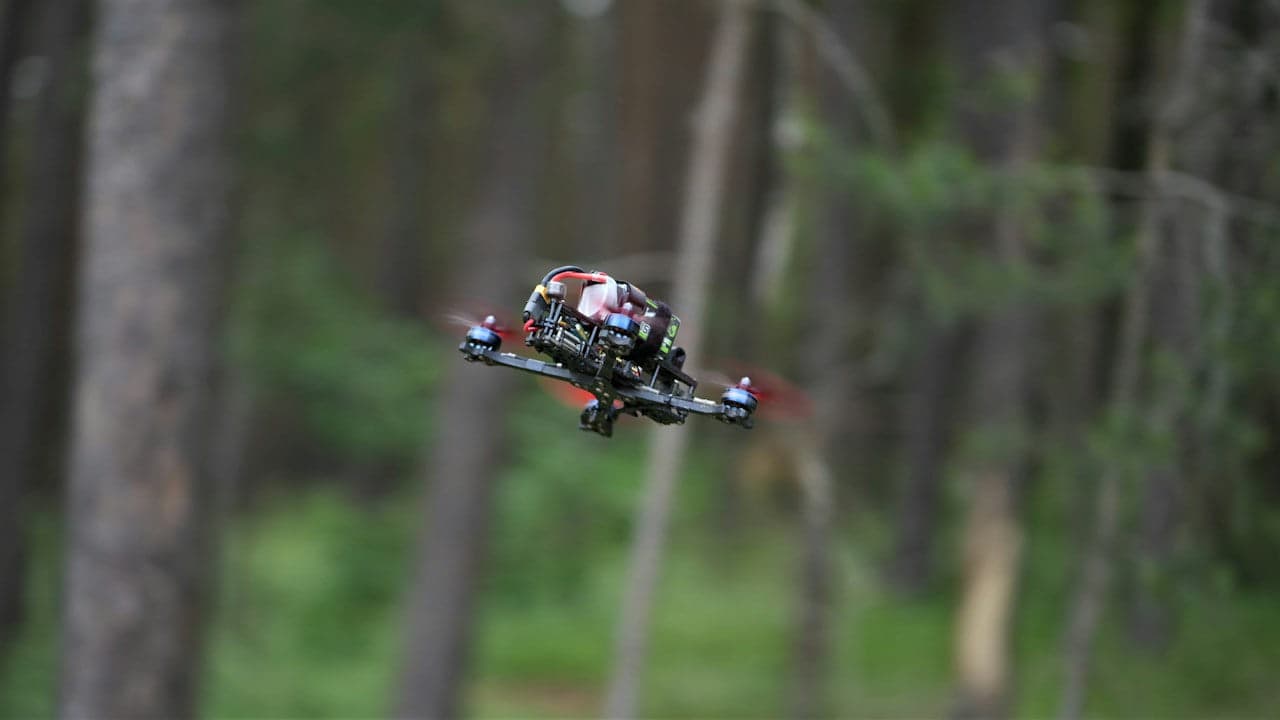
Engineers at the University of Toronto and two Hong Kong universities have upgraded the Hopcopter, a hybrid monopedal drone that hops and flies. By adding an articulated foot pad, the team stabilized landings on unpredictable ground, bringing the dual-mode robotics platform closer to commercial use.

Tech

Isolator-Free Optical Transmitter Reaches 180 Gbit/s for Data Centers

Engineers from Japan have developed an integrated optical transmitter that operates stably without an optical isolator, achieving data transmission rates of up to 180 Gbit/s. The hardware invention solves reflection problems that destabilize lasers in high-capacity links designed for cloud services and artificial intelligence workloads.

Robotics

FlexiQuad: the collision-resistant ring drone from ETH Zurich

Robotics researchers at ETH Zurich have designed a quadcopter without a rigid central body that absorbs collisions without crashing. Invented by Luca Girardi and Stefano Mintchev, the ring-shaped FlexiQuad drone uses an elastic frame that flexes laterally on impact while retaining the vertical stiffness required for flight. The inventors have filed a patent application for the device, which has also earned a nomination for the university's Spark Award.