Medicine

Medicine

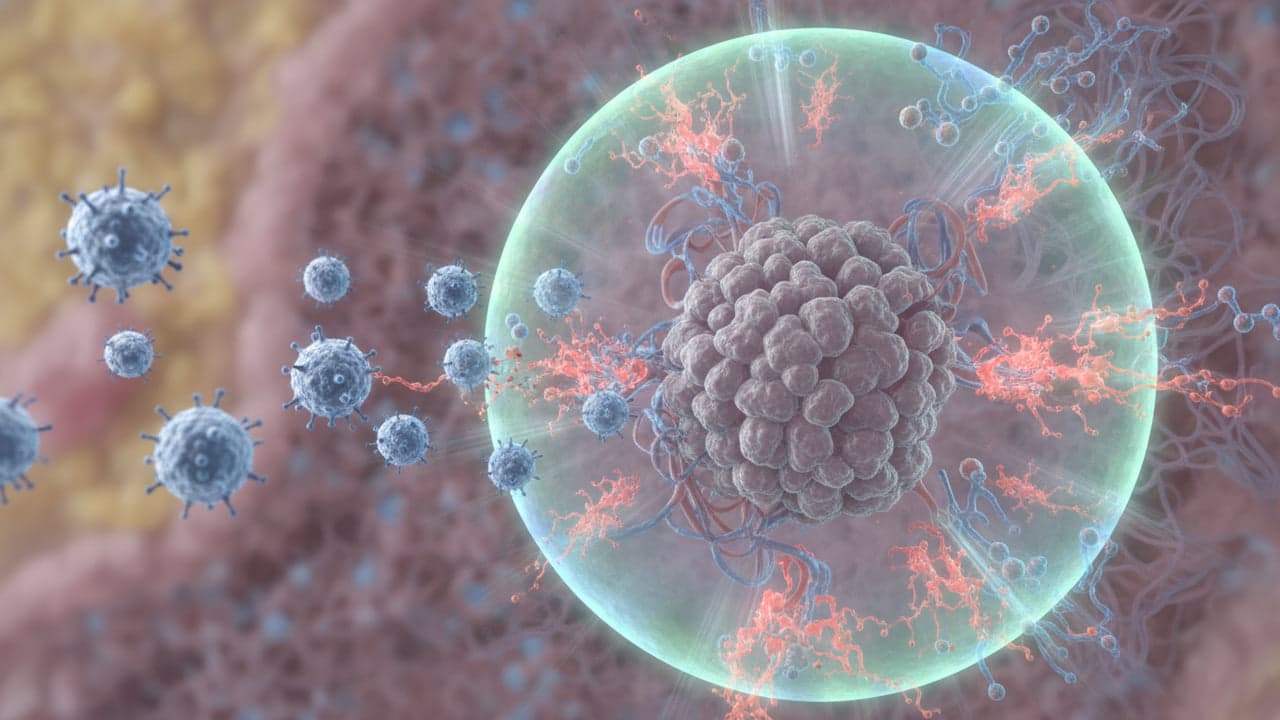
Cancer Cells Disarm T Cells with Antioxidant Protein PRDX1

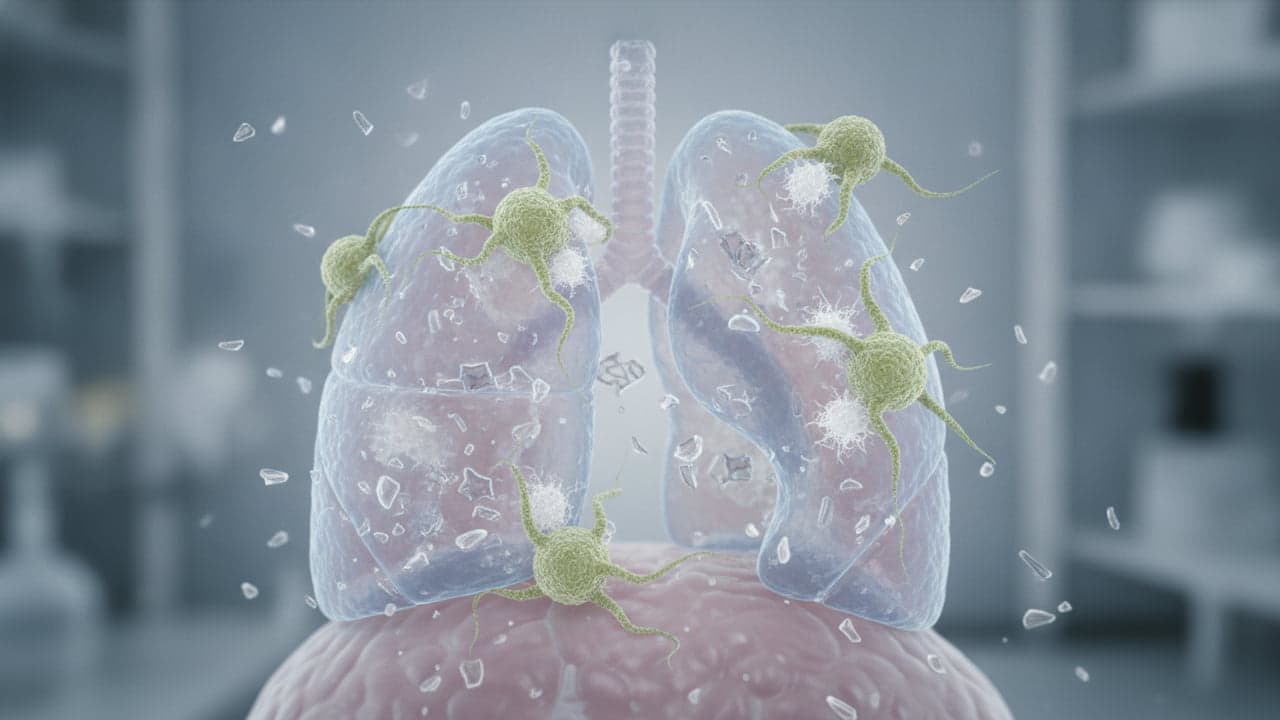
Tumors release natural antioxidants to shut down cancer-fighting immune cells, according to a study published in Science by teams from the University of Cambridge and Oregon Health & Science University. The medical innovation shows that blocking this antioxidant shield restores immune responses in mice and improves the outcome of immunotherapy treatments.

Medicine

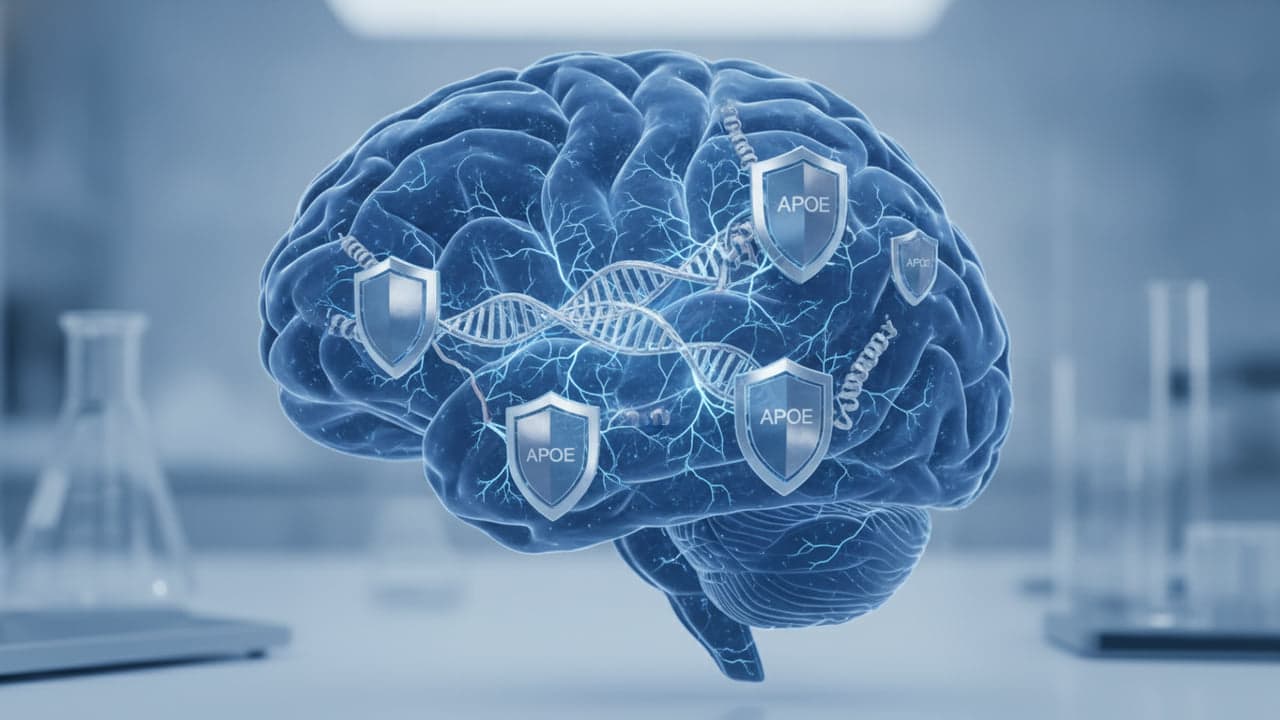
APOE Christchurch Mutation Blocks Parkinson's Proteins in Lab Models

A rare genetic variant known as the Christchurch mutation prevents the accumulation of toxic proteins linked to Parkinson's disease and Lewy body dementia, according to mouse experiments at Oregon Health & Science University. The biomedical innovation, published in Cell Reports, points to a potential gene therapy approach that could shield both motor and cognitive brain functions from neurodegenerative decline.

Medicine

Excess Miro1 Protein Drives Insulin Resistance in Skeletal Muscle

A protein called Miro1 acts as a direct driver of insulin resistance when it accumulates in skeletal muscle, according to research from the Pennington Biomedical Research Center. Preclinical removal of the protein restored normal muscle response to insulin, highlighting a new biological target for biomedical innovation and future drug discovery.

Medicine

Chemogenetic Gene Therapy Dampens Brain Cell Activity to Control Epilepsy

A research team in China has treated three epilepsy patients with a novel gene therapy that allows a drug to dampen brain cell activity. The trial represents the first reported clinical use of a chemogenetic approach to reduce seizures. The study demonstrates how combining genetic modification with targeted pharmaceutical control can suppress abnormal neural firing.

Medicine

Hybrid Light Technique Tracks Deep Blood Flow Inside Living Tissue

Optical sensors placed against human skin often struggle to separate superficial blood flow from circulation inside deeper organs. To overcome this limitation, researchers at the International Centre for Translational Eye Research have developed a hybrid near-infrared optical system that isolates signals from deeper tissue layers. The medical device innovation, tested on human volunteers, provides a non-invasive way to track blood dynamics without surgical intervention.

Medicine

Off-the-shelf CAR natural killer cells enter lymphoma trial in South Africa

Clinical researchers in Johannesburg are evaluating donor-derived natural killer cells engineered to treat resistant B-cell non-Hodgkin lymphoma. The phase 1 study, named QUILT-106, tests whether cell lines grown in a laboratory can bypass the complex manufacturing required for individualized autologous therapies. This medical innovation could broaden access to cellular immunotherapies across regions where conventional personalized treatments remain difficult to deliver.

Medicine

Off-Patent Therapy Restores Brain Connectivity in Multiple Sclerosis

Administering an off-patent compound alongside standard care improves functional brain connectivity in people with multiple sclerosis. Investigators at Thomas Jefferson University reported the clinical imaging results in IBRO Neuroscience Reports, identifying a treatment route that addresses nerve cell damage. The therapeutic protocol relies on replenishing depleted antioxidant defenses within the central nervous system.

Medicine

Stanford Brain Connectome Map Predicts Alzheimer Risk 12 Years Early

Researchers at Stanford Medicine have developed a brain activity scoring method that can forecast Alzheimer's disease up to 12 years before clinical symptoms emerge. The diagnostic innovation analyzes resting-state functional connectivity across neural networks to measure vulnerability and resilience. Published in Science Advances on Nov. 4, the findings reveal measurable functional shifts long before amyloid plaques or memory problems appear.

Medicine

Focused Ultrasound Trial Targets Schizophrenia Hallucinations at UCSF

Psychiatrists at the University of California San Francisco have started a first-in-human trial using low-intensity focused ultrasound to suppress auditory hallucinations in patients with schizophrenia. The study tests whether acoustic pulses delivered through the skull can alter deep brain activity without surgery. More than 70 percent of people with schizophrenia hear voices, and about 40 percent do not find relief through antipsychotic drugs.

Medicine

Activating p53 Protein Boosts Engineered T Cells Against Cancer

Scientists at the UCLA Health Jonsson Comprehensive Cancer Center have found that temporarily activating the tumor-suppressor protein p53 improves the stamina and killing power of engineered immune cells. The study, published in Frontiers in Immunology, demonstrates that dosing human T cells with the investigational drug navtemadlin during laboratory preparation keeps them from exhausting quickly and enhances their ability to destroy melanoma cells.

Letizia Giugliano

Medicine

Switching Off TET2 Turns Radiation-Triggered Immune Cells Against Tumours

Radiation therapy kills cancer cells by damaging their DNA, yet it can also trigger the bone marrow to produce suppressor cells that protect surviving tumours. A research team at the University of Chicago has discovered that inhibiting an enzyme called TET2 reverses this effect, providing an epigenetic innovation that helps radiation and immunotherapy shrink lesions and curb metastasis. Their study, published in Cancer Cell, demonstrates the mechanism in clinical samples and animal models.

Giovanni Sapere

Medicine

Hong Kong PolyU Develops MRI Biomarker to Predict Breast Cancer Drug Response

Researchers at The Hong Kong Polytechnic University have introduced a medical innovation that predicts how breast cancer patients will respond to targeted therapy before treatment starts. Using advanced radiomics on routine magnetic resonance scans, the team developed an imaging biomarker called the Tumour Heterogeneity Index. The method identifies patients likely to respond to AKT inhibitors, sparing others from ineffective treatments and toxic side effects.

Letizia Giugliano

Medicine

Ten Blood Markers Predict Aging Health and Cardiometabolic Disease Risk

Researchers at Leiden University Medical Center and the Max Planck Institute for Biology of Aging have developed a personalized metabolic score that evaluates disease risk and healthy aging. Presented at the FAPESP Week Netherlands conference, the innovation analyzes ten routine blood substances to generate a single profile of metabolic health. A one-point rise on the inverted scale corresponds to an average 14-year delay in the onset of cardiometabolic conditions.

Giovanni Sapere

Medicine

Microfluidic chip screens leukemia drug therapies in children

Engineers and pediatric oncologists at Emory University, Children's Healthcare of Atlanta, and Georgia Tech have developed a diagnostic test that screens cancer drugs directly against patient cells at diagnosis. The platform evaluates how three-drug combinations at varying doses affect live cancer cells, offering immediate functional data from a single sample.

Giovanni Sapere

Medicine

Merck and Moderna mRNA Vaccine Slashes Melanoma Recurrence Risk

A collaborative medical innovation from pharmaceutical developers has demonstrated that an mRNA therapeutic can substantially reduce the likelihood of skin cancer recurrence. According to reporting published by Science, the treatment developed by Merck and Moderna successfully curtails melanoma returns, though researchers still face unresolved questions regarding its exact mechanism.

Giovanni Sapere

Medicine

Fraunhofer IDMT Develops Wearable trEEGrid Patch for 24-Hour EEG Monitoring

Researchers at the Fraunhofer Institute for Digital Media Technology IDMT have validated a flexible electrode patch capable of recording stable brain activity over a continuous 24-hour period. The study, published in the journal Sensors, demonstrates that the wearable system functions reliably during routine daytime tasks and natural sleep. This invention provides a practical method for long-term neurological monitoring in everyday environments.

Letizia Giugliano

Medicine

Silver Diamine Fluoride Halts Childhood Cavities Without Drilling

A major multi-site clinical trial led by researchers at the University of Michigan has confirmed that painting teeth with silver diamine fluoride can arrest tooth decay in young children without drilling, injections, or sedation. The clinical discovery, published in JAMA Pediatrics, offers a low-cost medical innovation that could prevent severe dental pain and hospital surgeries for thousands of pediatric patients.

Giovanni Sapere