MIT builds a superconducting memory cell that keeps a bit without power
MIT researchers combined an ultrathin superconducting film with two magnetic layers to make a memory cell and a programmable diode.
By Mattia Sapere
2 min read

Researchers at the MIT Plasma Science and Fusion Center have built a superconducting memory cell that keeps a bit without a continuous power supply. The center described the device in a release dated November 20, 2026, and in a paper in Physics Review Letters. Its makers present it as a component for cryogenic computers, including quantum systems, where memory and signal control have been scarce.
A film that switches between superconducting and resistive
The invention is a sandwich: an ultrathin superconducting film sits between two magnetic layers. At the cell's operating temperature, current either crosses the film or is blocked. Those two outcomes give a computer a 0 and a 1. The magnetic layers set which state the cell holds.
Jagadeesh Moodera, a senior research scientist at the MIT Plasma Science and Fusion Center, led the work. Josep Ingla-Aynés, a postdoc, is first author. Their paper, “Magnetic Exchange-Coupled Superconducting Devices with Broken Symmetry for Cryogenic Memory,” appeared in Physics Review Letters.
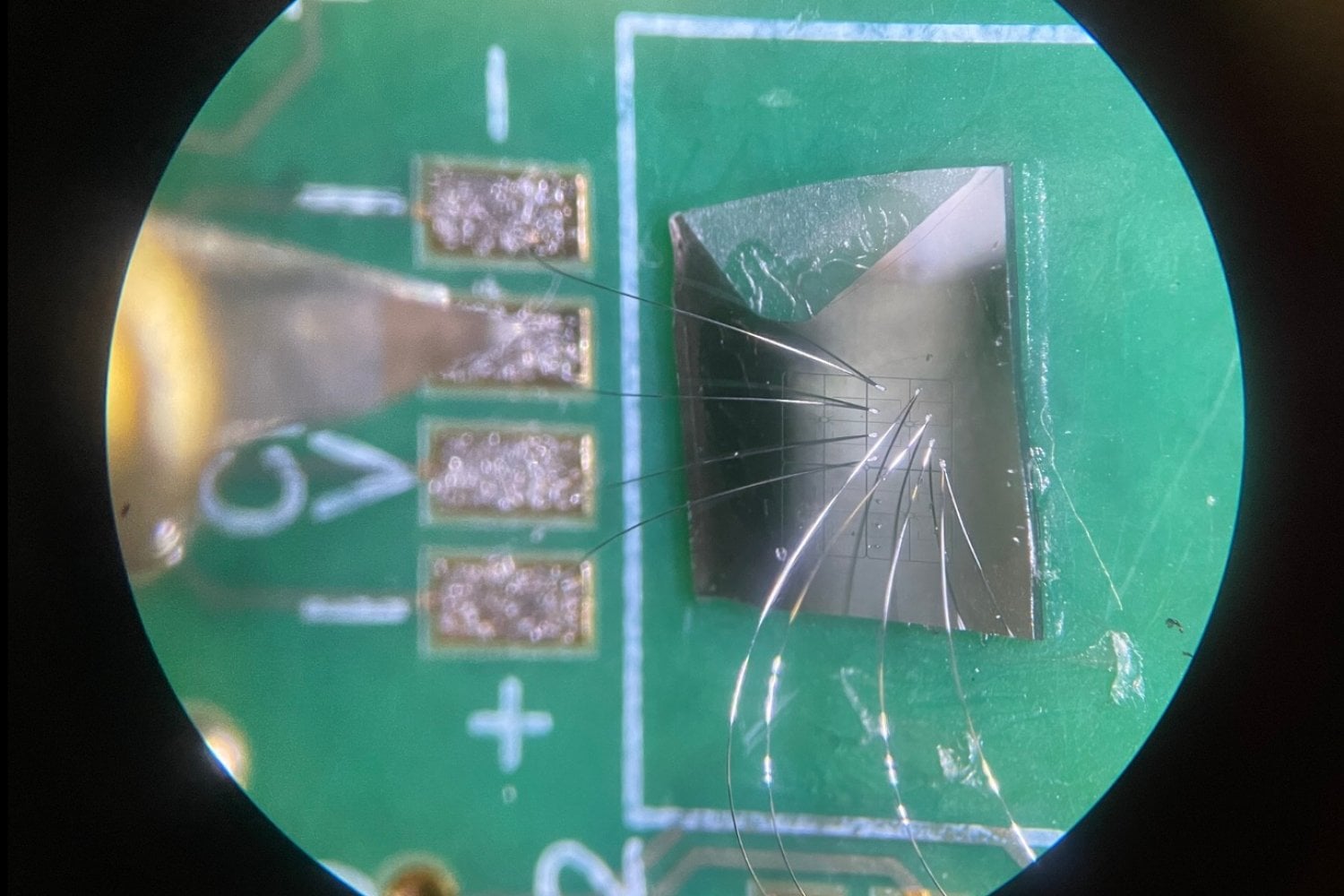 Photo: MIT
“Integrating these devices can lead to processors operating at high speed and low energy.”
— Jagadeesh Moodera, senior research scientist at the MIT Plasma Science and Fusion Center
“Showing that we could switch a single cell without losing the neighbor's memory state was an important step toward bringing this superconducting layered device closer to a practical memory technology.”
— Josep Ingla-Aynés, postdoc and first author, MIT Plasma Science and Fusion Center
Writing one bit with a short heat pulse
A small magnetic field and an electrical pulse briefly warm the chosen cell. That makes its magnetization easier to flip. The alignment then remains fixed with no further pulse or field, so the cell is nonvolatile memory. MIT says changing this alignment costs less energy than writing a conventional semiconductor cell.
Read also on The Patent: Hera sends back its first close-up of the asteroid DART hit
The team also switched one cell while leaving its neighbor's state intact. Ingla-Aynés said: “Any useful memory must have the ability to change one bit without disturbing all the information around it.”
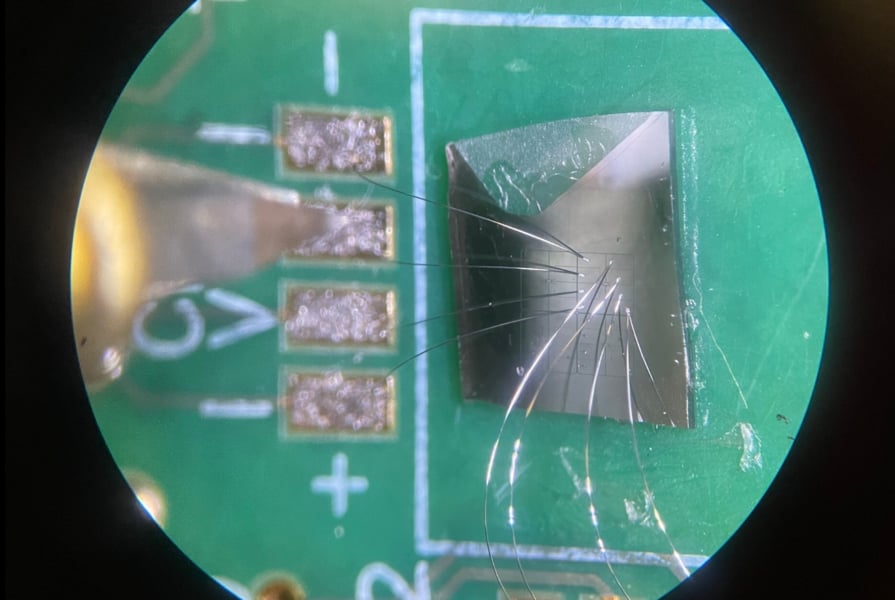 Photo: MIT
A diode that can send a signal two ways or block it
At a lower temperature the same sandwich works as a superconducting diode, a switch that lets current flow without resistance in one direction within a current range. The MIT caption says the programmable diode can send pulses either way or stop them in both directions.
Moodera said the work addresses “the current lack of suitable cryogenic memory and control components” and is meant to advance cryogenic electronics, including quantum computing and networking.
No patent named, and a cold operating condition
The release names no patent application or granted patent for the device. It also gives no operating temperature, manufacturing route or product timeline. The researchers suggest smaller cells could fit more information into a compact space and could reduce the time and energy needed to write it.
AI-assisted article