MDMA therapy moves PTSD from severe to mild in a 10-veteran Brown trial
Nine of ten participants finished the five-month program, with a mean 22-point drop on the CAPS-5 scale and no serious adverse events reported
By Letizia Giugliano
3 min read

Brown University researchers have completed the first study of an MDMA-assisted therapy program built for military veterans who carry both post-traumatic stress disorder and alcohol use disorder. Ten veterans enrolled, nine finished the five-month protocol, and the team published the results in the journal Alcohol. The authors report that the treatment was safe and feasible, with preliminary signs of improvement in PTSD symptoms and in drinking behaviour.
Two dosing sessions of up to eight hours, and nine shorter meetings
The protocol lasted five months and contained 11 therapy sessions. Three were preparatory, two paired MDMA with psychotherapy, and six were integration sessions in which participants reviewed what had come up while dosing, looked for recurring themes and worked at applying them to daily life. Nine sessions ran 90 minutes; the two MDMA sessions ran up to eight hours. A follow-up assessment followed four weeks after the last integration meeting.
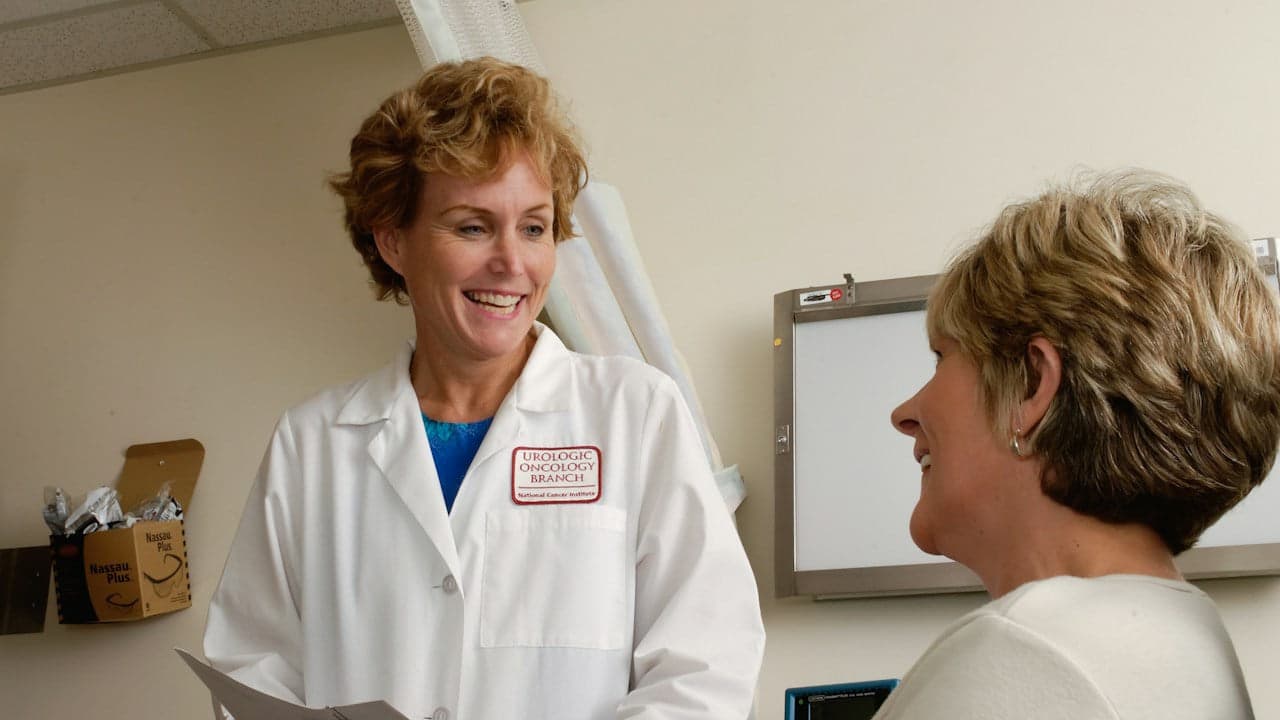
Christy Capone, an assistant professor of psychiatry and human behavior (research) at Brown University's Warren Alpert Medical School, co-led the work. The design rested on a simple premise: if participants could process their trauma, symptoms would ease and the pull to self-medicate with alcohol would weaken. "The results exceeded our expectations," she said.
 Photo: Brown University
“The results exceeded our expectations.”
— Christy Capone, Brown University
“As a frame of reference, a 10- or a 15-point drop in CAPS-5 would be considered clinically meaningful.”
— Christy Capone, Brown University
A 22-point fall on a scale where 10 points already counts
PTSD severity was measured with the Clinician-Administered PTSD Scale for DSM-5 (CAPS-5). Participants averaged a drop of more than 22 points, which the researchers place as a move from severe to mild symptom severity. Capone supplied the yardstick: "As a frame of reference, a 10- or a 15-point drop in CAPS-5 would be considered clinically meaningful."
Read also on The Patent: FDA Approves Bayer Blood Thinner Asundexian for Stroke Prevention · Hybrid Light Technique Tracks Deep Blood Flow Inside Living Tissue
Retention was nine of the ten enrolled veterans, a figure the team treats as unusual for a program this demanding. No serious adverse events were recorded, which the paper offers as early evidence of safety and tolerability.
 Photo: Brown University
Drinking fell, but the authors stop short of calling it significant
Alcohol use was tracked with the Timeline Follow-Back method. The study logged a 31% reduction in drinks per drinking day and a 54% reduction in heavy drinking days. The authors do not label those numbers clinically significant: several participants had already cut back before enrolment, and the design had no control group. No participant reported drinking more, or using more of other drugs, than before.
Capone described the gap the trial was meant to fill. Veterans frequently live with both diagnoses at once, she said, and the pairing brings heavier symptoms and worse outcomes than either disorder on its own, while trauma-focused psychotherapies and cognitive processing therapy deliver modest results. "I am not alone among people who treat this population in losing patients to suicide because of PTSD and alcohol use disorder," she said.
No patent in the paper, and a regulatory file that closed once
The published results describe a therapy protocol, not a product: no patent or patent application appears among the findings, and the protection question for MDMA runs through the U.S. Food and Drug Administration rather than a device or compound claim. The compound's regulatory history is already long. In 2017 the FDA granted MDMA breakthrough therapy designation, a status designed to speed development for serious conditions. In 2024 the agency declined to approve MDMA-assisted therapy for PTSD over questions of efficacy and study method.
That refusal is the backdrop the Brown team cites for running tightly controlled trials in groups usually left out of them, such as veterans with both diagnoses. The researchers are preparing a second publication from brain scans taken before and after treatment, looking for biomarkers of PTSD, and they are working with the Providence VA Medical Center on a larger randomized trial that compares a therapeutic dose of MDMA against a low dose used as an active control.
AI-assisted article