Mural 2.0: a pen plotter that draws on walls from a ceiling anchor
Nik Ivanov's updated machine runs a FluidNC board on an ESP32 and climbs a single belt with NEMA 17 pancake steppers, though a pen starts to dry out after about 500 metres of line.
By Giovanni Sapere
2 min read
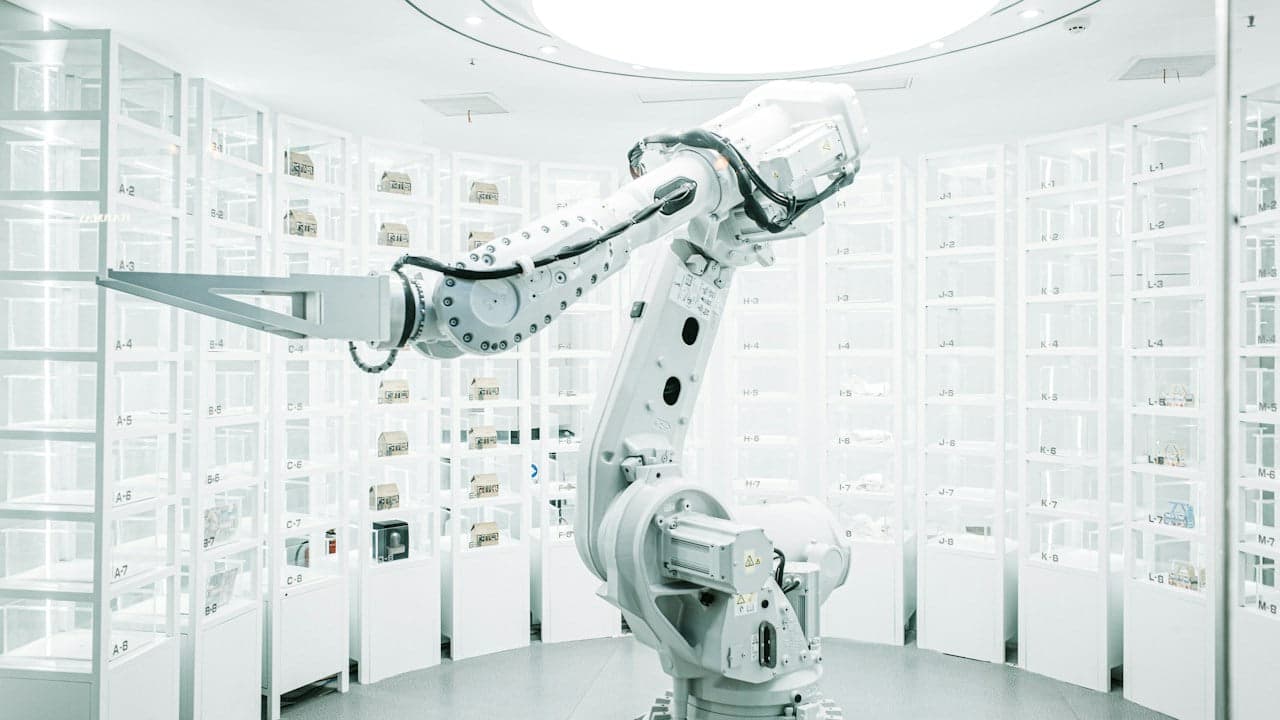
Nik Ivanov has finished Mural 2.0, a large-format pen plotter built to draw murals directly on walls. It is a reworked version of his earlier machine, and it hangs from a belt fixed at ceiling level. The build video and notes were published by Hackaday, which describes the project as an easy build with firmware simple enough for beginners to run.
One belt, anchored at the ceiling, pulls the carriage up
The machine does not sit on a frame or a table. A single belt is fixed at ceiling level, and the plotter carriage climbs it, so the motors travel with the tool instead of staying on the ground. That constraint shaped the electronics: Nik Ivanov used a FluidNC controller built on an ESP32 microcontroller, TMC2209 stepper drivers and a pair of NEMA 17 pancake steppers. Pancake motors are flat and light, which matters when the machine has to lift itself against gravity on every move.
The drawing area loses 20% at the edges
Belt-driven kinematics of this kind do not give the full rectangle between the anchor points. About 20% of the nominal area is lost at the edges, according to the build description, but what remains is still enough for a wall-sized drawing. The firmware reports the total path length before a job starts, so the person running the plotter can judge whether a design fits the space and the pen.
Read also on The Patent: A 3D-printed frog swims on six muscles powered by light · Auckland researchers test a voice AI coach for type 2 diabetes
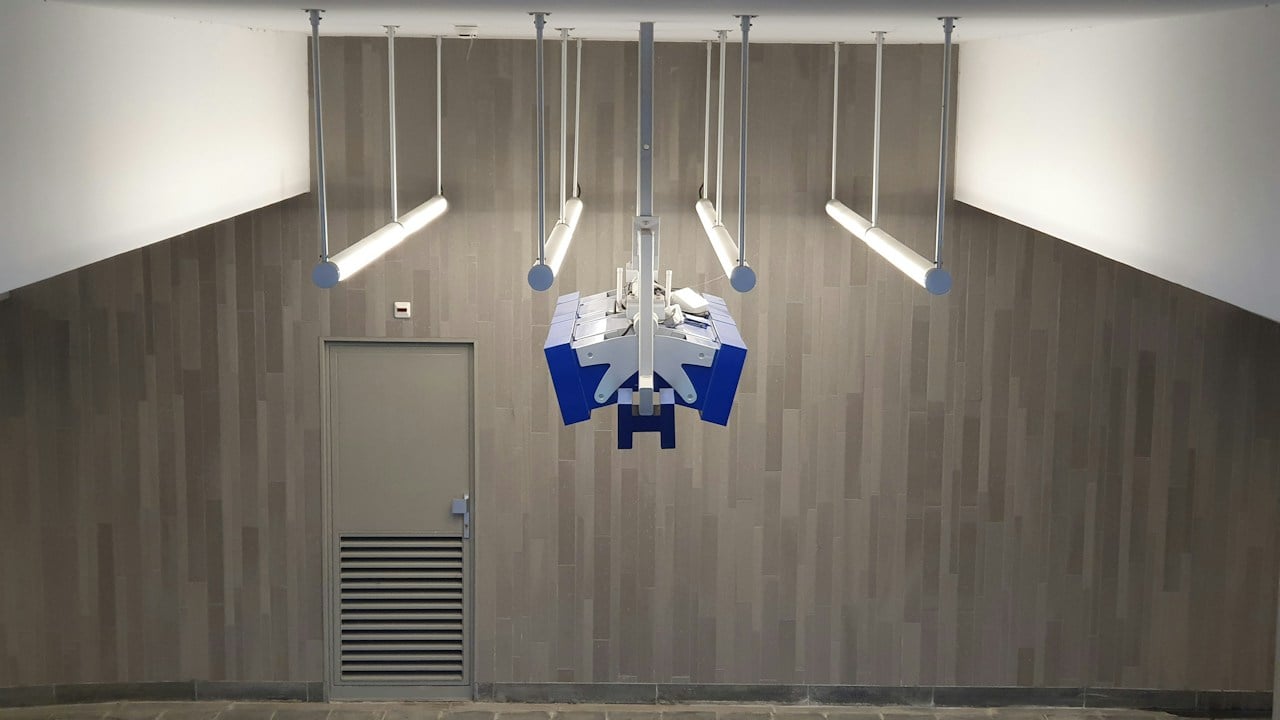 Photo: Martin Woortman / Unsplash
SVG files and photographs, turned into pen strokes
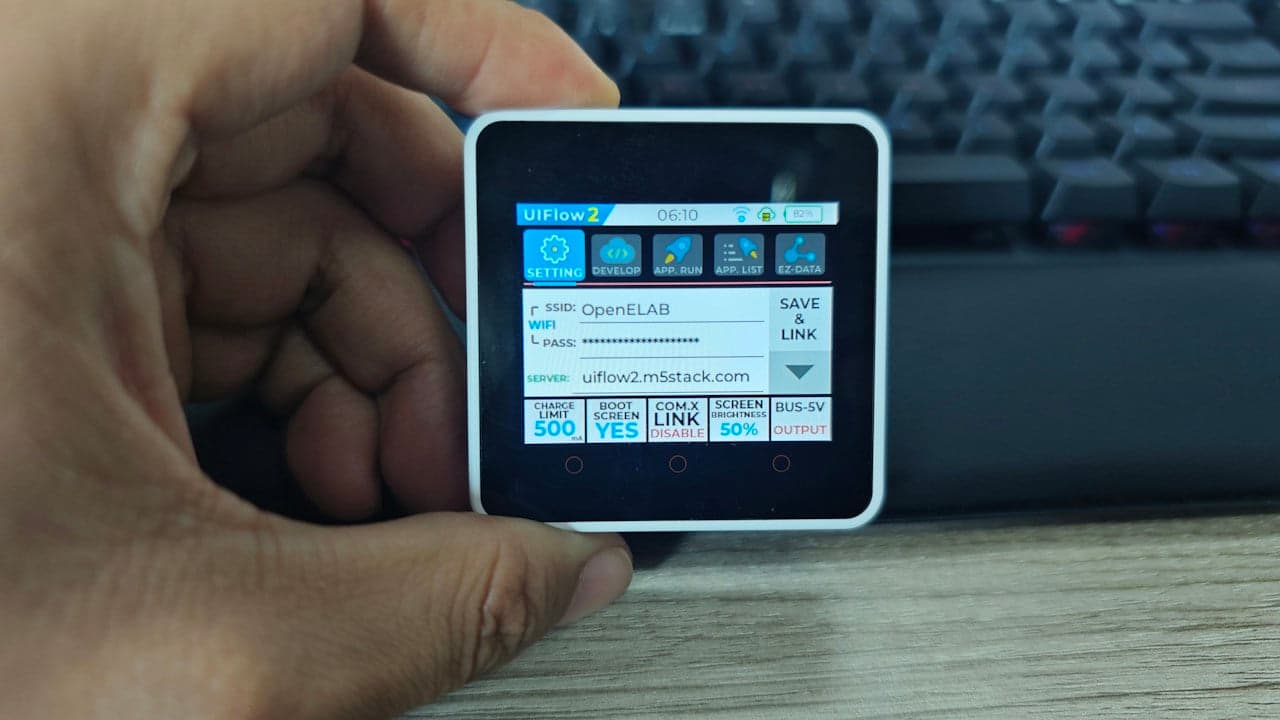
A WiFi interface hosted on the ESP32 accepts the artwork. It handles both SVG vector files and raster images, converting pictures into strokes with a sine-wave squiggle pattern or with a finite-curve space-filling path. The same interface gives the path length in advance, which links design decisions to the physical limit of the marker.
A pen that fades after 500 metres of line
The practical ceiling on a single run is the ink supply. Ivanov cautions that beyond roughly 500 m of drawn line the stroke can weaken as the pen dries, so long murals need a change of marker partway through. He is writing a pause-and-replace routine for the next firmware release to handle that swap. The plotter is neither the fastest nor the simplest of its kind on the maker scene, and the maker press account treats it as a weekend-scale build rather than a finished product.
No patent filing in sight for this invention
The published material documents a working invention and its firmware, with no patent, patent application or registered design mentioned, so the inventor is sharing the design openly rather than claiming exclusivity. For a workshop-scale drawing robot built from off-the-shelf controller boards and steppers, that pattern is common: the value sits in the software routines and in the assembly, not in a granted monopoly. The next visible step is the firmware update that lets the machine stop, wait for a fresh pen and carry on with the same drawing.
AI-assisted article