Invention

Physics

Cornell chip cools trapped ions to quantum ground state in 150 microseconds

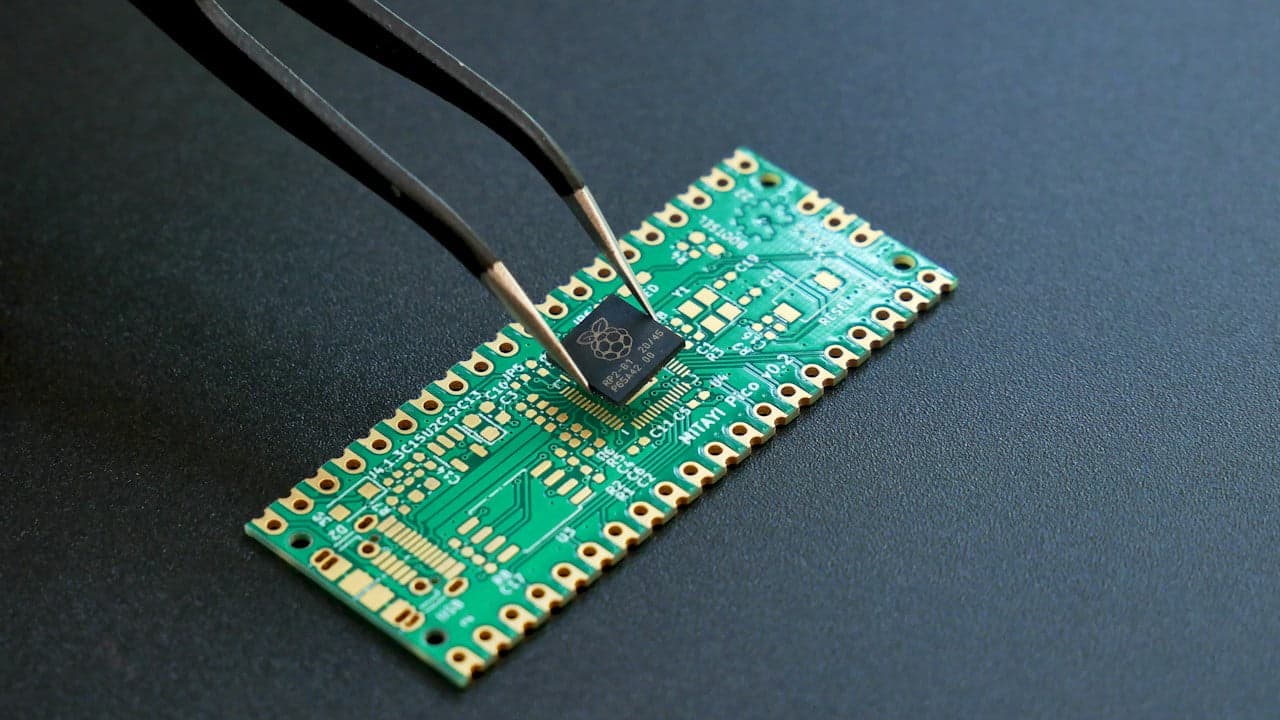
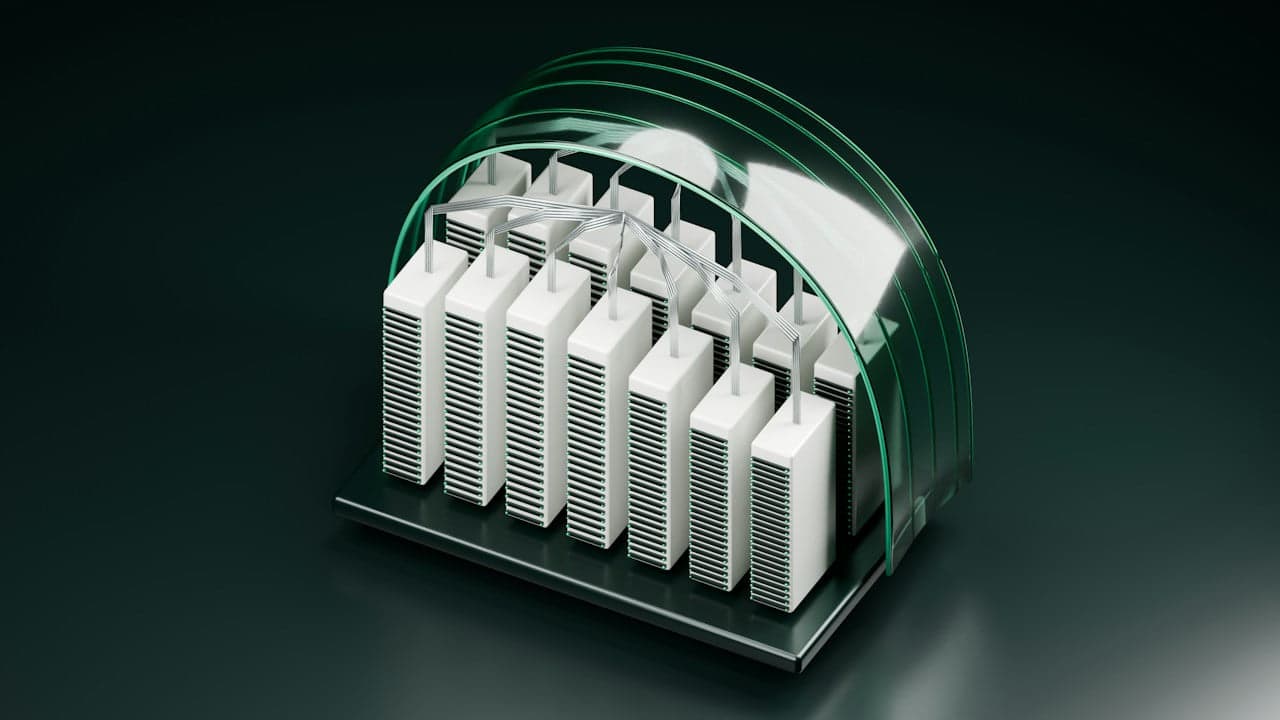
Engineers at Cornell University have built a chip-based laser-cooling device that cools a trapped ion close to its quantum ground state in 150 microseconds. The hardware invention cuts the cooling time to roughly one third of what standard laser setups require, addressing a central operating bottleneck in quantum computing.

Archeology

Stone tools at Riparo Mochi push back Ice Age migration into Italy

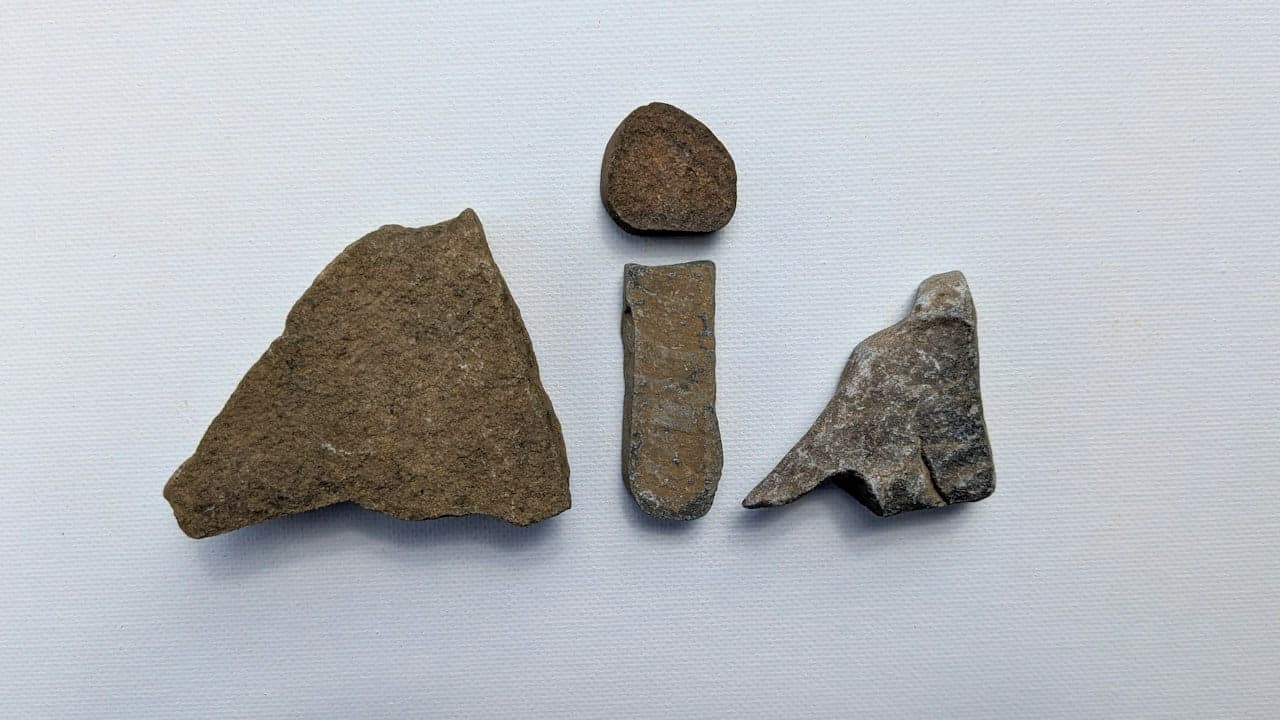
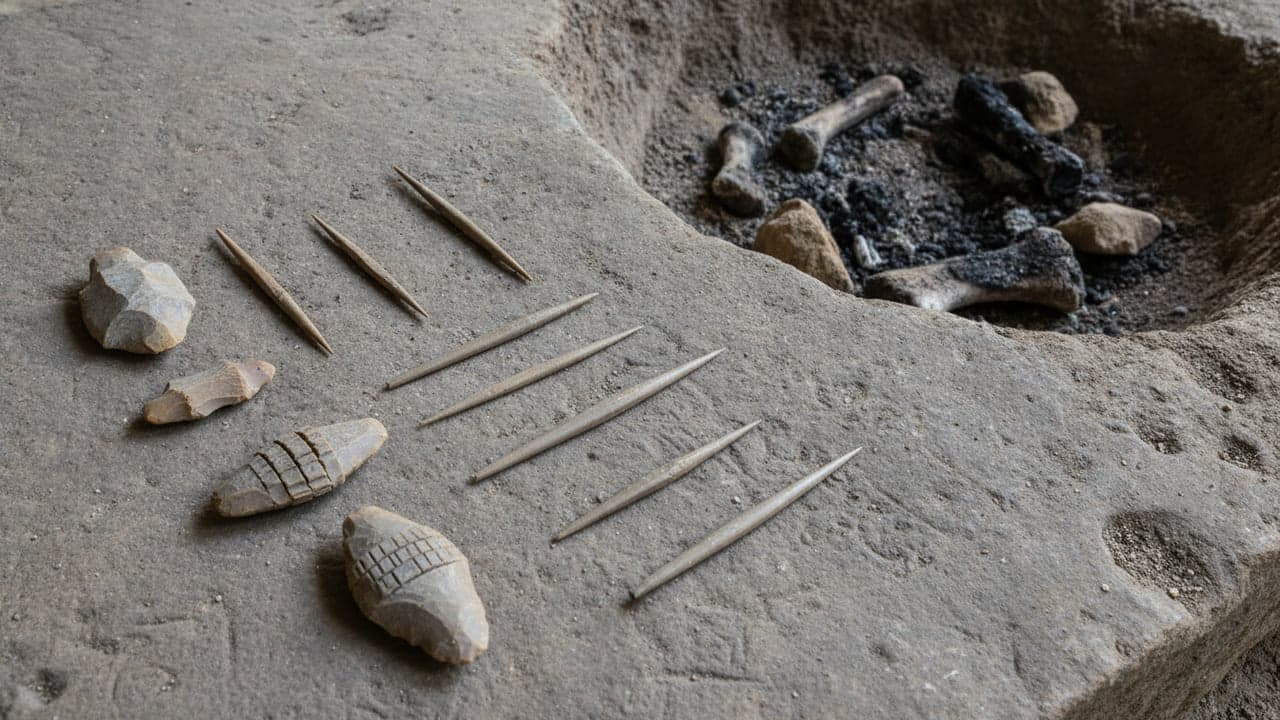
A prehistoric hearth at the Riparo Mochi rock shelter on the Franco-Italian border reveals that Upper Paleolithic hunter-gatherers entered Italy roughly 2,000 years earlier than previously recorded. Radiocarbon testing of an embedded marine shell places the occupation between 30,000 and 30,800 years ago. The discovery, detailed by [Phys.org](https://phys.org/news/2026-11-ice-age-reveals-hunter-italy.html), shows how an advanced lithic invention reshaped early European movements during a sudden climate freeze.

Inventions

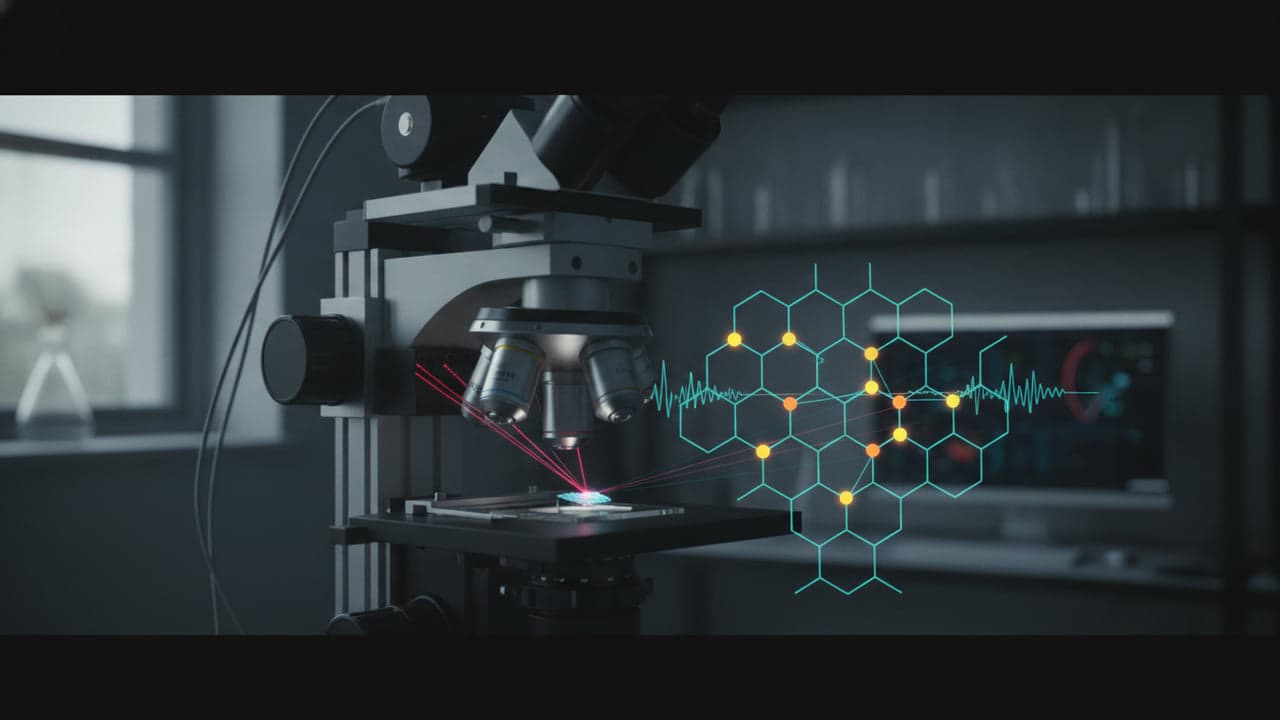
Columbia Chemists Upgrade stroboSCAT Microscope to Track Single Quantum Particles

Chemist Milan Delor and graduate student Jack Tulyag at Columbia University have upgraded an optical imaging instrument called stroboSCAT to observe individual quantum energy carriers in real time. Described in a paper published in Nature Materials, the improved system filters measurement noise by cycling laser intensities, making it possible to isolate single electrons moving across two-dimensional semiconductors.

Inventions

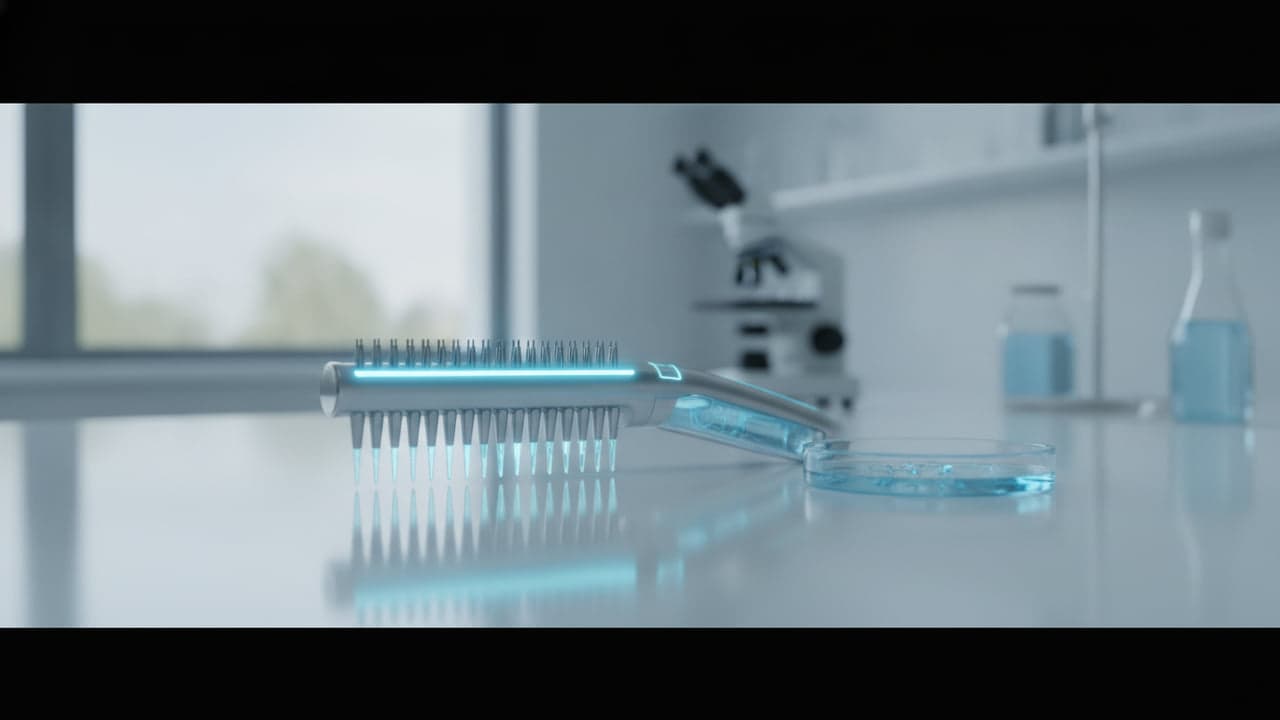
Electric comb delivers genetic molecules to reverse hair loss in mice

Researchers at Beihang University have created an experimental electric comb designed to stimulate hair regrowth by injecting genetic material directly into the skin. The invention, named Detangle, uses alternating electrical pulses and ballpoint reservoirs to deliver therapeutic molecules deeper into hair follicles than topical creams can reach.

AI

GlioTrace uses artificial intelligence to track brain cancer cells in live tissue

A computational imaging system called GlioTrace can track thousands of migrating glioblastoma cells across living brain slices for days at a time. Developed by scientists at Uppsala University, the method combines automated microscopy with artificial intelligence to reveal how individual brain tumor cells shift their shapes and change migration paths.

Inventions

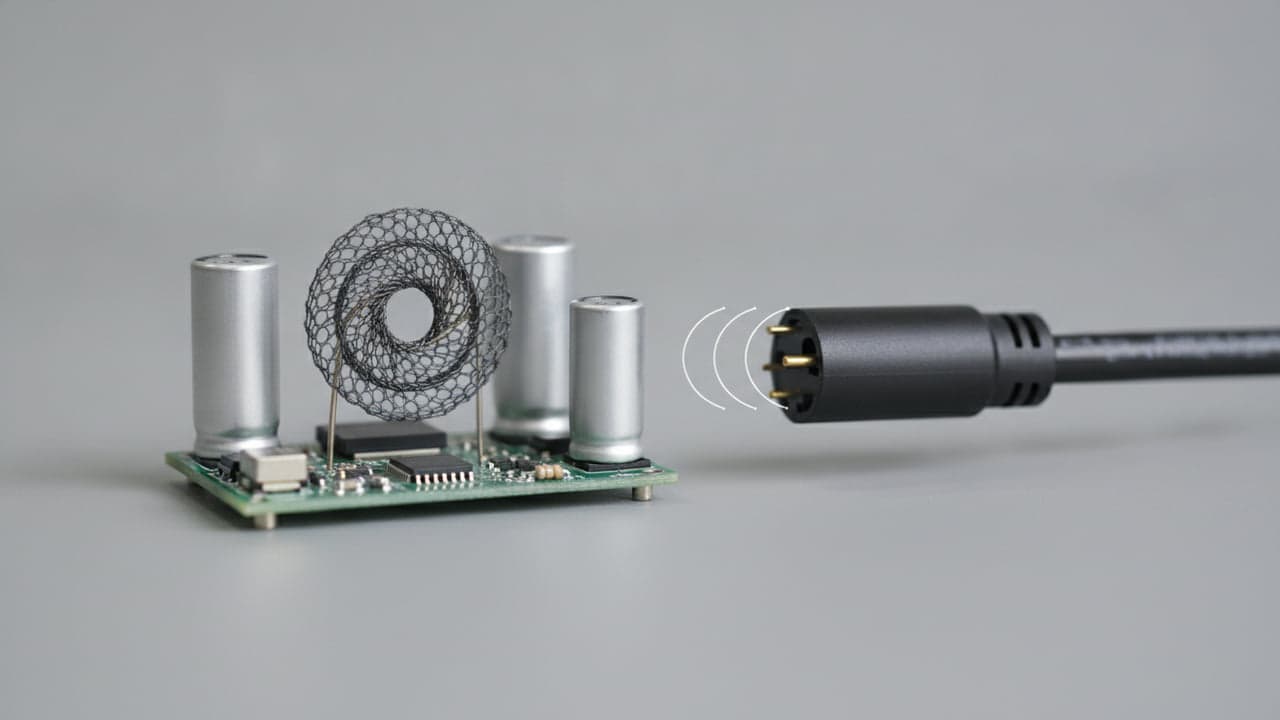
Graphene energy harvester powers wireless sensors from magnetic field leaks

A research team led by physicist Paul Thibado has developed a battery-free temperature sensor that draws its operating electricity from ambient electromagnetic fields around alternating-current wiring. The invention, created by researchers at the University of Arkansas and the University of Michigan, couples a graphene inductor with low-drain electronics to run without wired power connections or chemical batteries. It offers industrial plants a maintenance-free option to monitor machinery without the need to replace exhausted cells.

Robotics

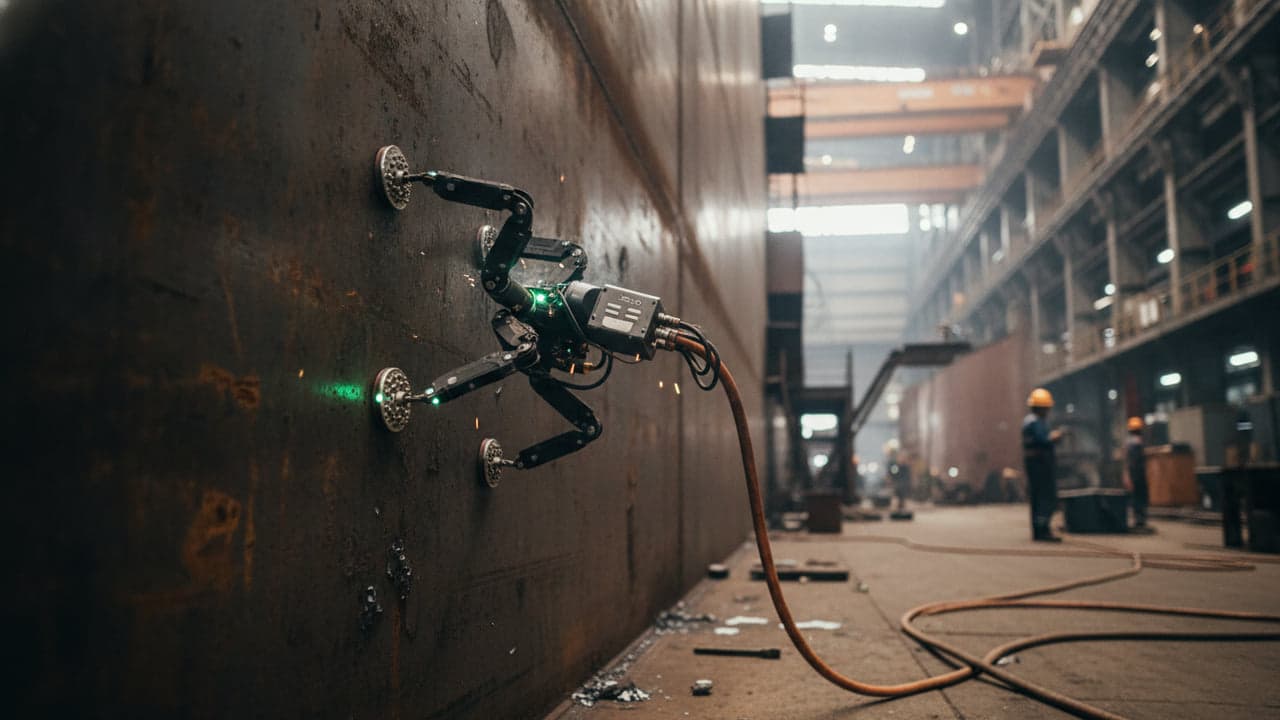
Diden Spider Climbs Shipyard Steel Walls to Weld Overhead

South Korean startup Diden Robotics has built a four-legged climbing machine designed to weld steel bulkheads and ceilings inside commercial vessels. The machine, known as the Diden Spider, uses switchable magnetic feet to scale vertical plates and hold heavy tools in places where human crews would otherwise need staging platforms and rigging. Field units have already entered shipyard production lines in South Korea.

Gadget

AI Smartwatch Detects Signs of Hypertension Without Cuff Calibration

Researchers have developed a way to screen for high blood pressure using wearable wrist sensors, matching the sensitivity of conventional clinic check-ups. The method, tested on a consumer device, applies an artificial intelligence model to continuous optical and motion data without requiring calibration against an inflatable arm cuff. The findings, published in the journal Nature, offer a practical path toward opportunistic screening for cardiovascular risk.

Inventions

StereoGeoBox measures swimming fish weight in real time without full 3D maps

Researchers at Sultan Qaboos University and partner institutions have built an underwater camera system that estimates fish dimensions and weight on the fly. The invention, detailed in Computers and Electronics in Agriculture on October 23, 2026, bypasses resource-intensive complete depth maps by calculating geometry directly from paired bounding boxes. By processing visual data on a compact edge processor, the setup gives fish farms rapid growth tracking while avoiding the computational bottlenecks of standard stereo vision.

Inventions

UT Southwestern designs versatile 3D microscope for live cell imaging

Researchers at UT Southwestern Medical Center have developed an invention that combines multiple light-sheet imaging modes into a single instrument. Reported in Nature Methods, the multi-immersion oblique plane microscope captures three-dimensional views of living cells and tissues while protecting them from light damage. The configuration allows research laboratories to run diverse biological experiments without purchasing separate specialized systems.

Robotics

Hopcopter Adds an Articulated Foot Pad for Rough Terrain

Engineers at the University of Toronto and two Hong Kong universities have upgraded the Hopcopter, a hybrid monopedal drone that hops and flies. By adding an articulated foot pad, the team stabilized landings on unpredictable ground, bringing the dual-mode robotics platform closer to commercial use.

Inventions

Engineers Solve Key Physical Hurdle in Exhaled Breath Diagnostics

Engineers at the University of Notre Dame have pinpointed why exhaled breath tests often produce inconsistent results, solving a problem that has stalled the diagnostic method for decades. The discovery provides the physical basis for a new invention in sample collectors, ensuring that noninvasive breath monitors can reliably detect pulmonary diseases without invasive procedures.

Archeology

Spear Wound in Shanidar Cave Points to Oldest Wooden Weapon Attack

A 75,000-year-old Neanderthal skeleton discovered in Iraqi Kurdistan carries what may be the oldest fossil evidence of fatal violence inflicted by a wooden spear. Excavated beneath almost eight metres of rock and sediment, the left shoulder blade of the individual known as Shanidar A preserves a clean circular puncture directed through the chest. The finding, reported in Scientific Reports, suggests that early hominins used pointed wooden projectiles not only for hunting large game but also in deadly interpersonal conflict.

Giovanni Sapere

AI

BBERT uses artificial intelligence to identify hidden bacteria in soil

Researchers at the Hebrew University of Jerusalem and partner institutions have developed an artificial intelligence tool called BBERT to identify unknown bacterial DNA fragments directly from environmental soil samples. The software, detailed in a study published in Nucleic Acids Research, borrows mechanisms from language processing to evaluate genetic material without needing exact matches in reference catalogs. The invention allows laboratories to reconstruct microbial genomes in less than half the usual time using conventional personal computers.

Letizia Giugliano

Tech

Transmitting Odors Over the Internet with Scentronic

Two research teams from The Ohio State University and Zhejiang Laboratory have demonstrated a method to digitize and transmit odors over network connections. The setup pairs an electronic nose with an emitting unit called Scentronic, using machine learning to classify scents before misting preloaded liquid fragrances. So far, the system has successfully transmitted the aromas of coffee, beer, cake, oranges and red wine.

Letizia Giugliano

Inventions

Intestine-inspired biobattery generates eight times more power

Engineers at Binghamton University have developed a bacteria-powered biobattery that produces over eight times more electricity per unit volume than conventional flat designs. The biological invention copies the shape, material, and mechanics of the villi that line the human small intestine to keep electricity-generating microbes alive and active.

Giovanni Sapere

Inventions

Otter Warmer Keeps Newborns Warm During Hospital Blackouts

A portable newborn warmer built without soft mattresses or seams is helping rural clinics care for infants when electricity cuts out. Developed by United States nonprofit Design that Matters and Vietnamese medical device manufacturer MTTS, the medical device known as Otter treated over 800 newborns across three countries by January 2026.

Giovanni Sapere