Renault Trafic E-Tech: an 800-V van run by two supercomputers
Renault says the electric work van charges from 15% to 80% in under 20 minutes and replaces dozens of control units with a centralized system.
By Letizia Giugliano
3 min read

Renault has unveiled the Trafic E-Tech, a battery-electric work van built on an 800-volt electrical platform and a centralized computing architecture, New Atlas reports. The French carmaker presents it as Europe's first fully software-defined vehicle in the light commercial sector, a claim the publication repeats. The report names no patent or application, so the intellectual property angle it documents is the vehicle's computing design and high-voltage layout rather than a filing.
Two supercomputers take over from dozens of control units
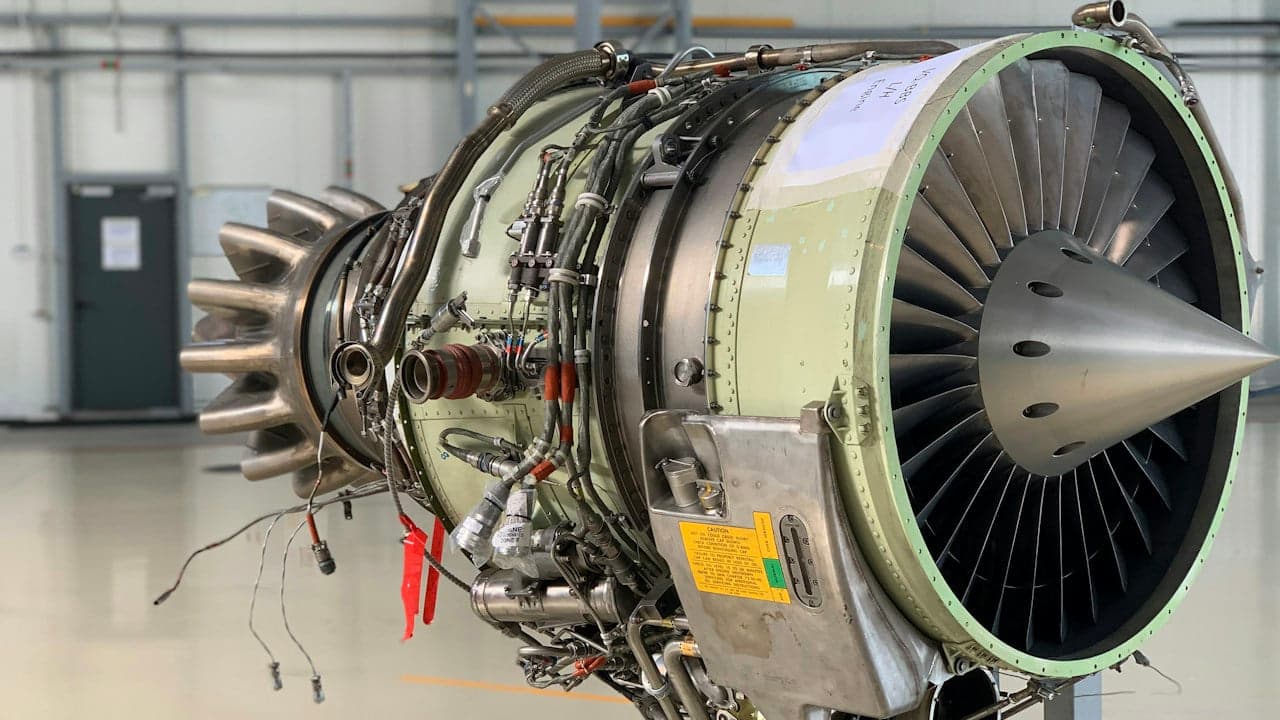
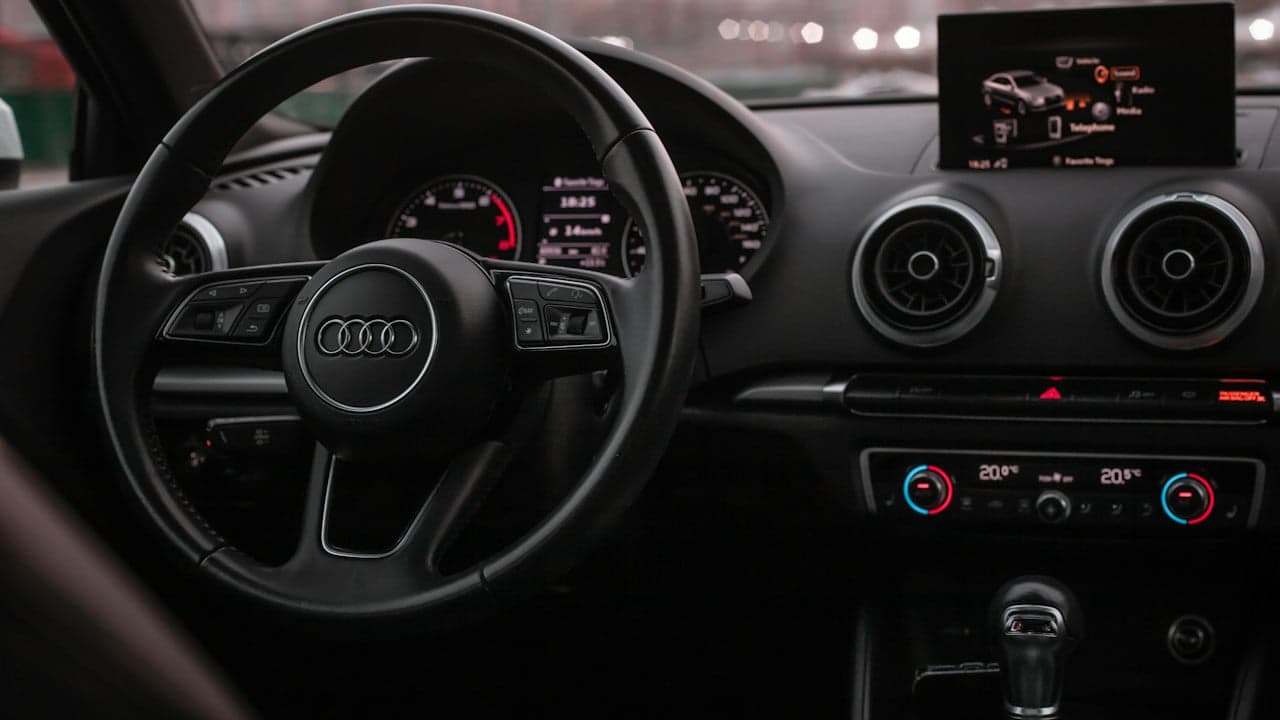
A conventional commercial van carries dozens of separate Electronic Control Units (ECUs), each managing one system, from anti-lock brakes to cabin climate control. The Trafic E-Tech drops that layout for a centralized electronic architecture built on two high-performance supercomputers running an Android-based operating system, according to New Atlas.
The van connects to Google Cloud and takes full over-the-air software updates, so functions such as motor efficiency or driver-assistance systems can change during the vehicle's life. Fleet operators can also run their own delivery apps, route-scheduling tools or temperature-monitoring software on the dashboard, which removes the aftermarket tablets, cables and third-party tracking boxes the article says clutter modern fleets. Renault adds cloud-connected predictive maintenance that flags failing parts before a breakdown on a delivery route, an example of artificial intelligence moving into commercial vehicle servicing.
Read also on The Patent: EpiPad Uses Radar to Turn Your Forearm into a Smartwatch Trackpad
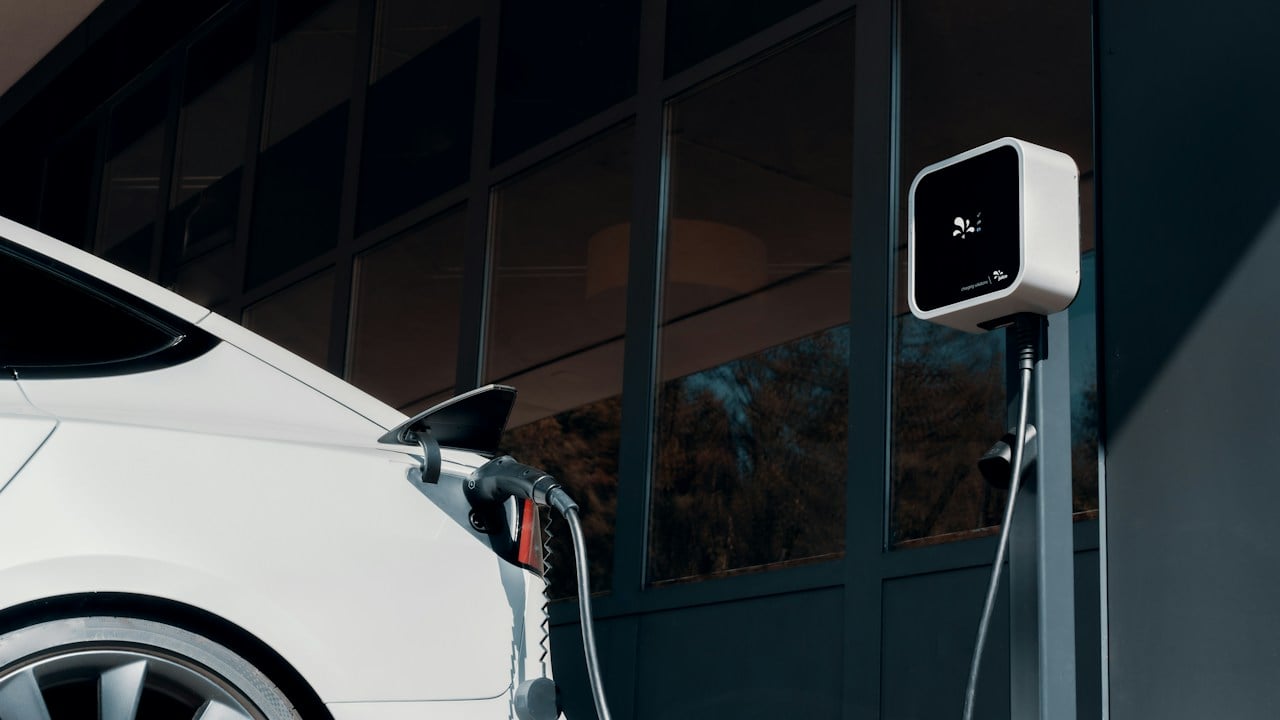 Photo: JUICE / Unsplash
800 volts, 81 kWh and less than 20 minutes at the charger
The van uses an 800-volt platform, while the commercial electric vehicles the article names as leaders in the US market, the Ford E-Transit and the GM-backed BrightDrop range, run on 400-volt electrics. Renault's 81-kWh battery pack accepts ultra-rapid DC charging and goes from 15% to 80% capacity in under 20 minutes, which the report translates into about 174 extra miles of range during a lunch stop.
Range figures depend on the cycle. Renault claims 428 miles (690 km) for the long-range model in stop-go, low-speed urban driving; at sustained highway speeds the boxy shape pulls real-world range closer to 200 miles, the article states. On the WLTP cycle the flagship 81-kWh version is rated at 292 miles (470 km), or 428 miles in city driving, while the entry 60-kWh model reaches 217 miles (350 km) on WLTP and 317 miles (510 km) in the city. A 215-hp (160-kW) electric motor drives both.
What the high-voltage layout offers camper converters
The Trafic's mid-sized platform is already a favourite with third-party upfitters, and the article argues that combining vehicle-to-load capability with an 800-volt system changes what a conversion can power. A camper built on this chassis could draw high-wattage current straight from the main propulsion battery, running induction cooktops and heavy-duty air conditioning without propane tanks or a separate lithium battery bank.
That is the clearest link between this launch and the sustainability question facing delivery fleets: the same pack that moves the van can supply equipment at the kerbside or at a campsite. The report frames the architecture as a blueprint for fast-charging, connected commercial vehicles as regulators push fleets to cut emissions without losing operating hours to slow charging.
Prices, versions and the American gap
The Trafic E-Tech pairs its motor and 800-volt architecture with a choice of 60-kWh or 81-kWh batteries. The entry-level model starts at €41,500 (about US$49,000) and the flagship 81-kWh variant extends range to 292 miles on the WLTP cycle. Renault has already taken the International Van of the Year title with the vehicle, according to New Atlas.
Renault left the United States decades ago, and the van will not be sold there. The article expects the electronic architecture to reach vans sold by corporate partners such as Volvo, Nissan or Mitsubishi, which would carry the design beyond Renault's own dealers.
The IP question the launch leaves open
The New Atlas report describes no patent, application, licence or trademark linked to the Trafic E-Tech, and Renault has not set out in it which parts of the design it seeks to protect. What the article documents as new is the combination: an 800-volt system in a light commercial vehicle, a centralized two-computer architecture in place of distributed ECUs, and an app platform open to fleet operators.
Readers tracking the file should watch whether the software-defined layout appears in partner-badged vans, because that is when licensing and technology transfer questions usually surface. The published facts stop at the launch, the trim levels and the pricing.
AI-assisted article