News

Tech

Deep Tissue Microscopy Breaks the 100-Nanometer Barrier

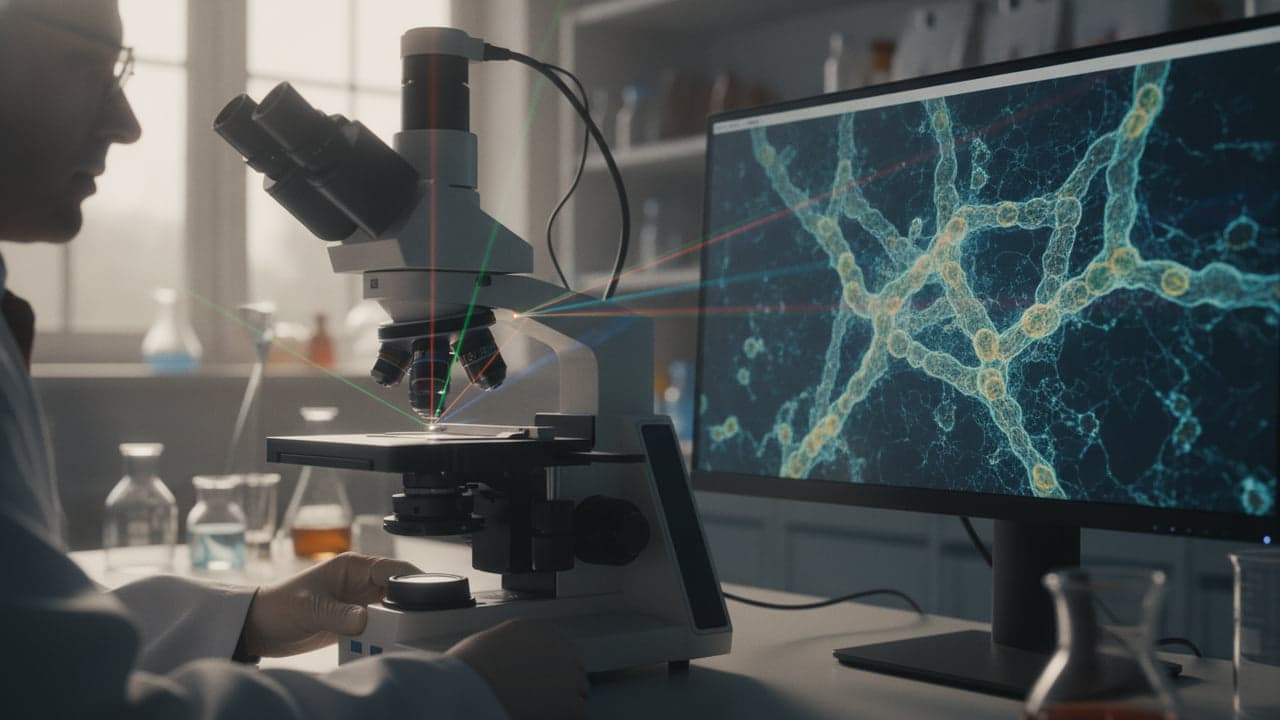
Biophotonics researchers at Texas A&M University have developed an optical imaging method that resolves structures smaller than 100 nanometers deep within intact biological specimens. The technique boosts standard two-photon microscopy resolution fivefold without sacrificing tissue penetration depth, as detailed in a study published in the Journal of Biomedical Optics.
Makers

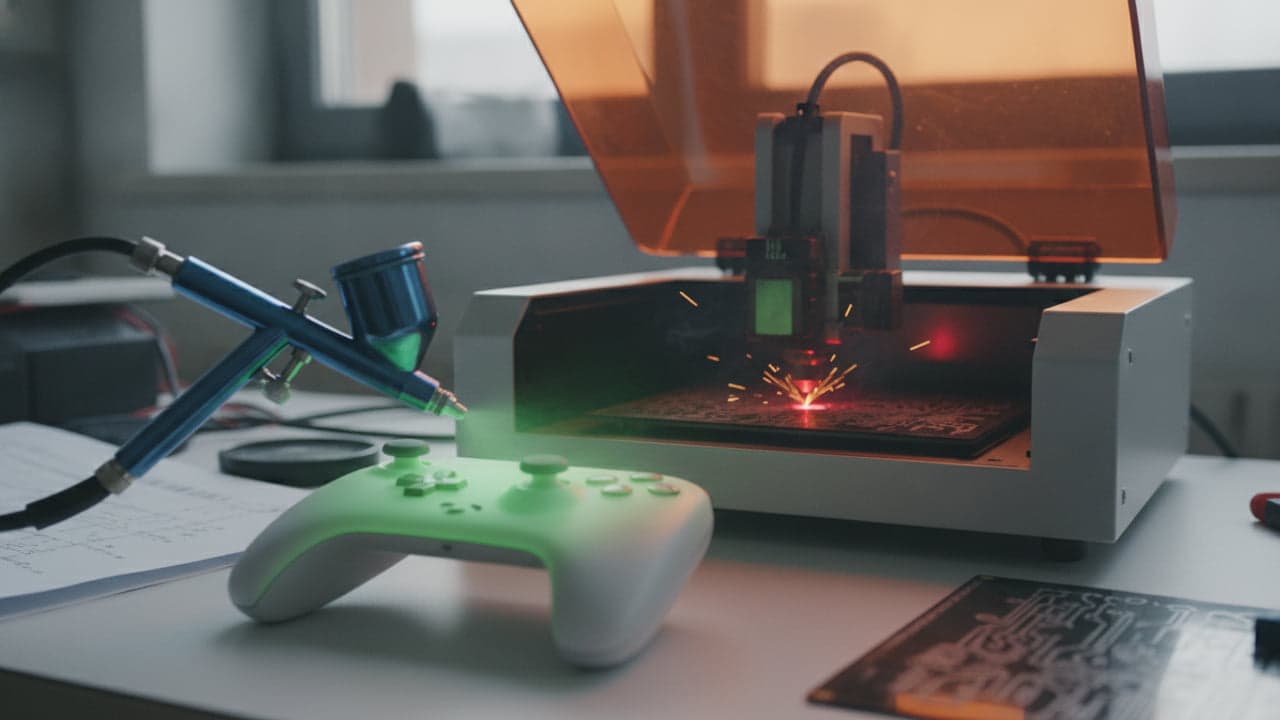
Print and Place turns ordinary 3D printers into automated circuit assemblers

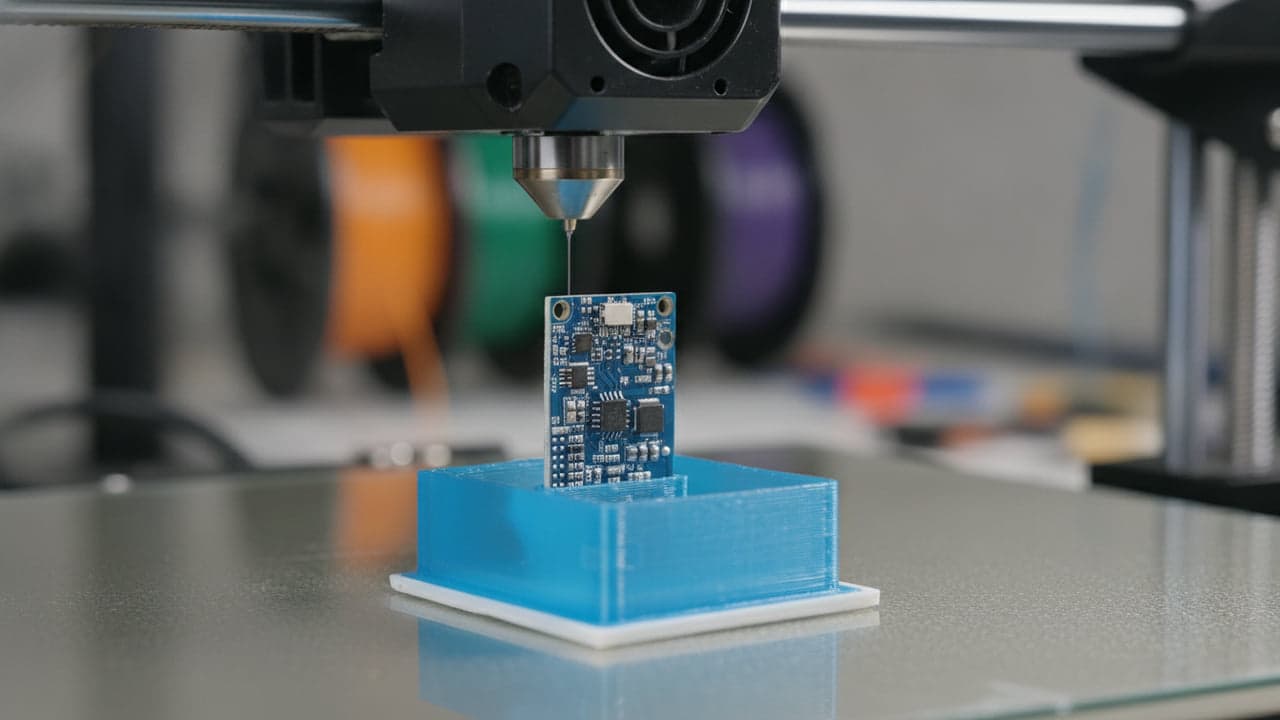
A research team led by Oliver Child has introduced an invention that enables standard fused deposition modeling machines to embed electronic components inside plastic parts without modifying the printer hardware. The method uses standard print heads and extruded thermoplastic to pick up and place circuit elements directly during the build process.

Gadget

EpiPad Uses Radar to Turn Your Forearm into a Smartwatch Trackpad

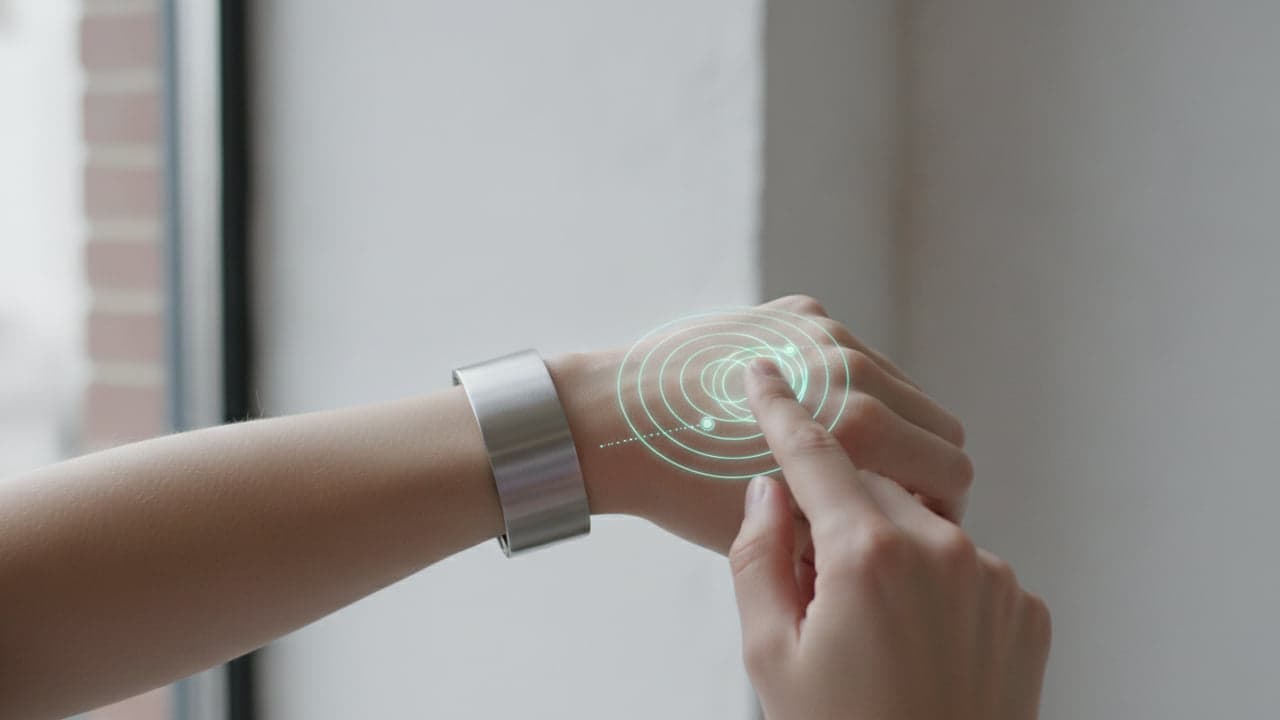
An innovation developed by researchers at North Carolina State University turns the human forearm into an interactive trackpad for wearable devices. The system, called EpiPad, uses a millimeter-wave radar sensor to track finger motions and skin pressing firmness directly on the wearer's arm. Presented at the UbiComp/ISWC 2026 conference in Shanghai, the setup allows users to tap, pinch and zoom without obscuring compact displays.

AI

GlioTrace uses artificial intelligence to track brain cancer cells in live tissue

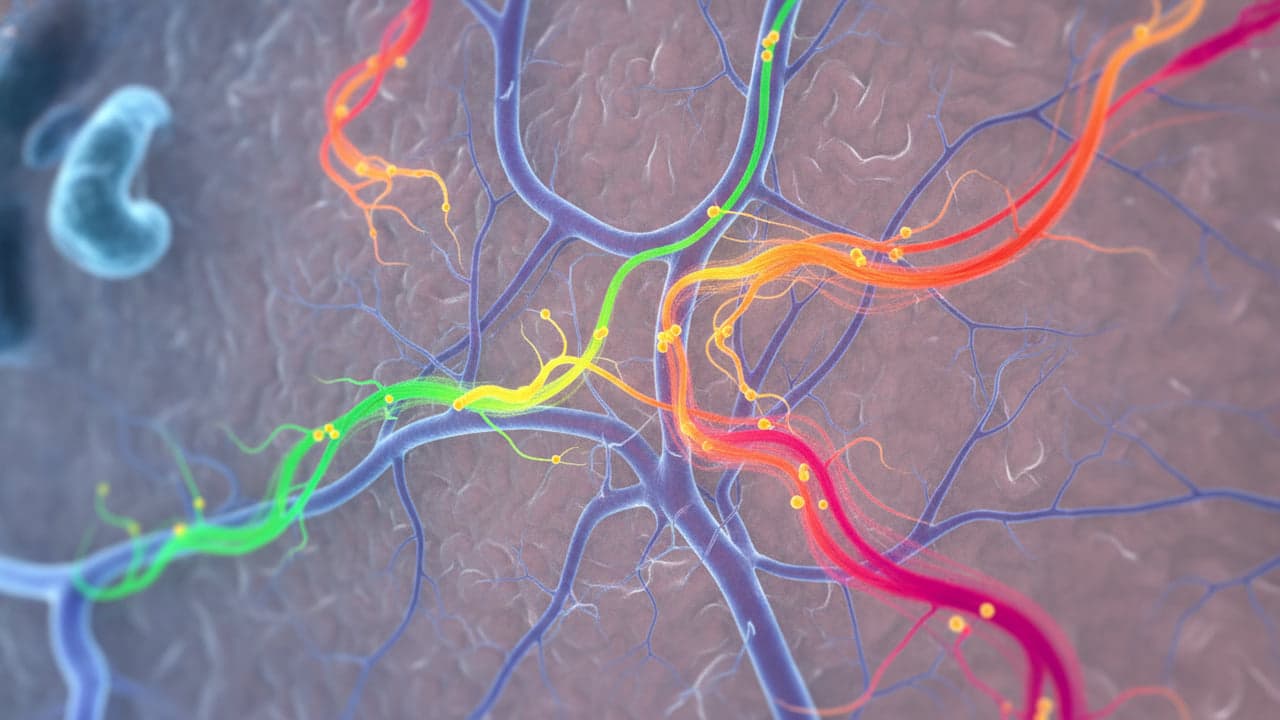
A computational imaging system called GlioTrace can track thousands of migrating glioblastoma cells across living brain slices for days at a time. Developed by scientists at Uppsala University, the method combines automated microscopy with artificial intelligence to reveal how individual brain tumor cells shift their shapes and change migration paths.

Chemistry

Gallium and Nanotube Coating Uses Microcracks to Kill Bacteria

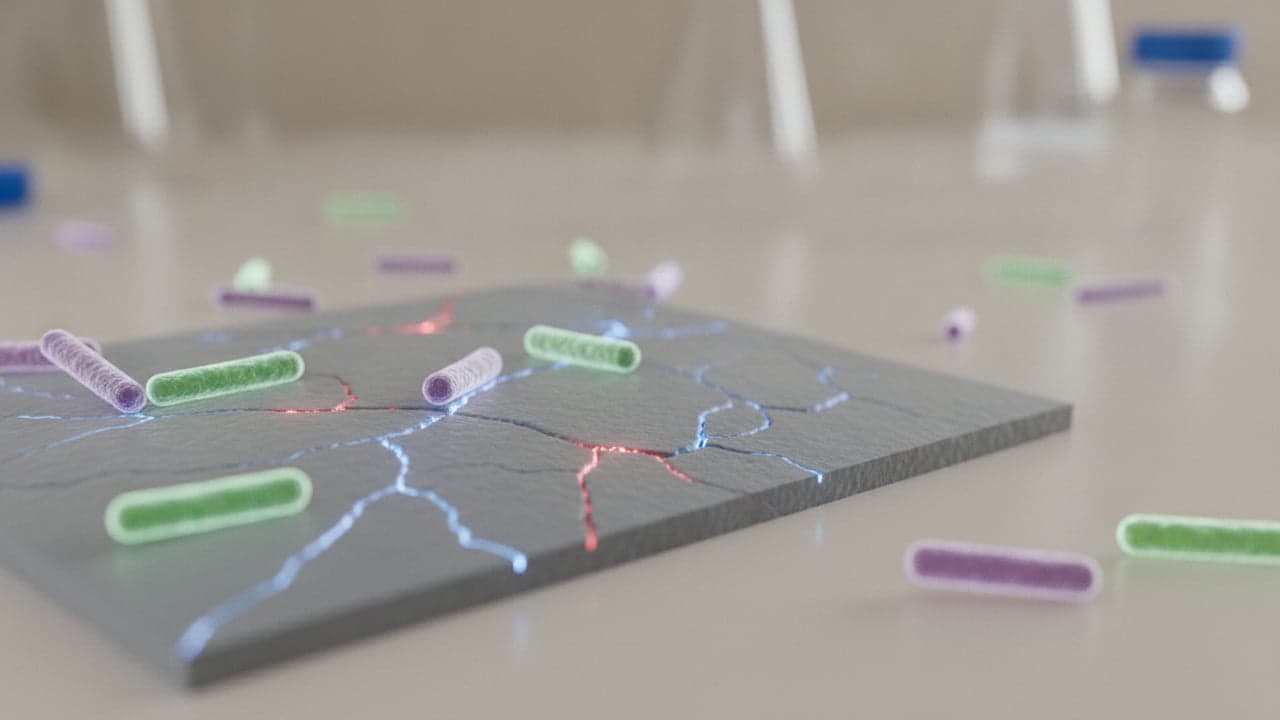
Scientists at Flinders University have created an electrically activated antibacterial coating that uses deliberate microscopic cracks to destroy pathogens. The flexible surface pairs liquid gallium with carbon nanotubes, allowing a brief 9-volt electrical pulse to eliminate drug-resistant bacteria in laboratory tests while sparing human skin cells.

Tech

IBM plans 1,040-qubit modular quantum system for 2027

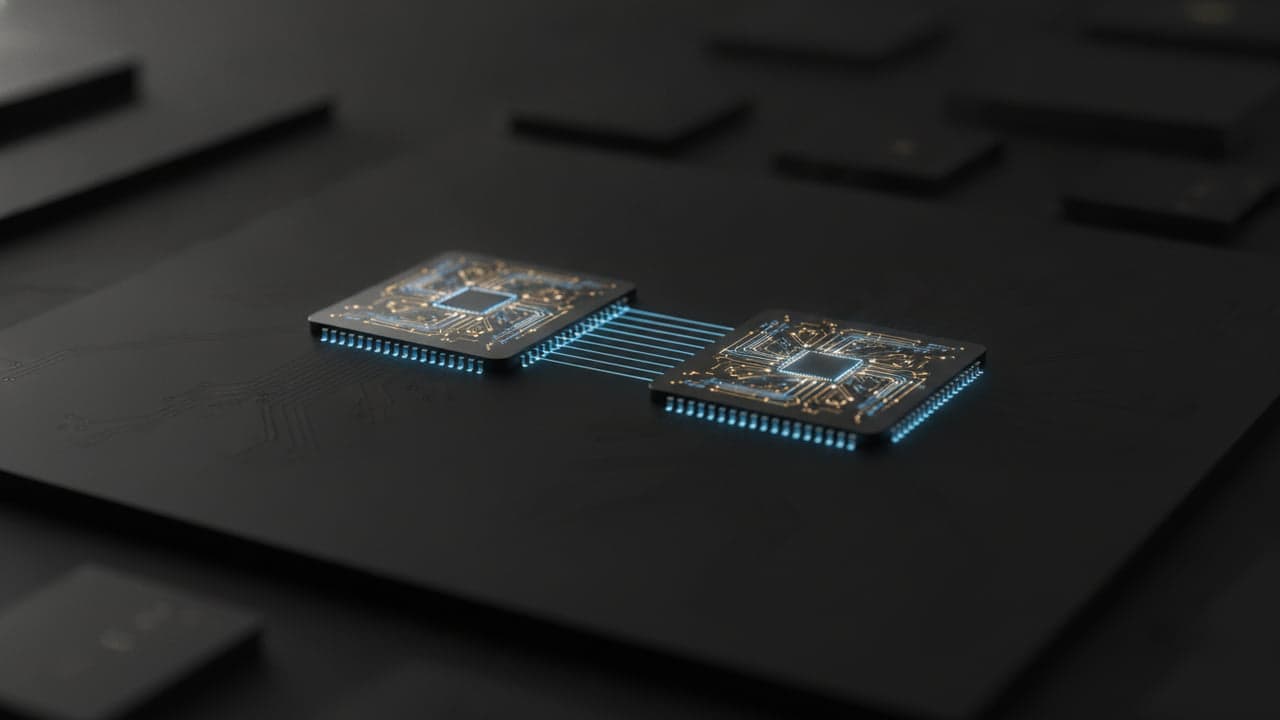
IBM will connect two next-generation quantum processors to assemble a single system with 1,040 qubits in 2027. The project relies on the company's upcoming Nighthawk r3 architecture, where physical couplers join separate chips into one machine. This hardware innovation addresses a core limitation in quantum development by expanding capacity without building a single, fragile processor die.

Tech

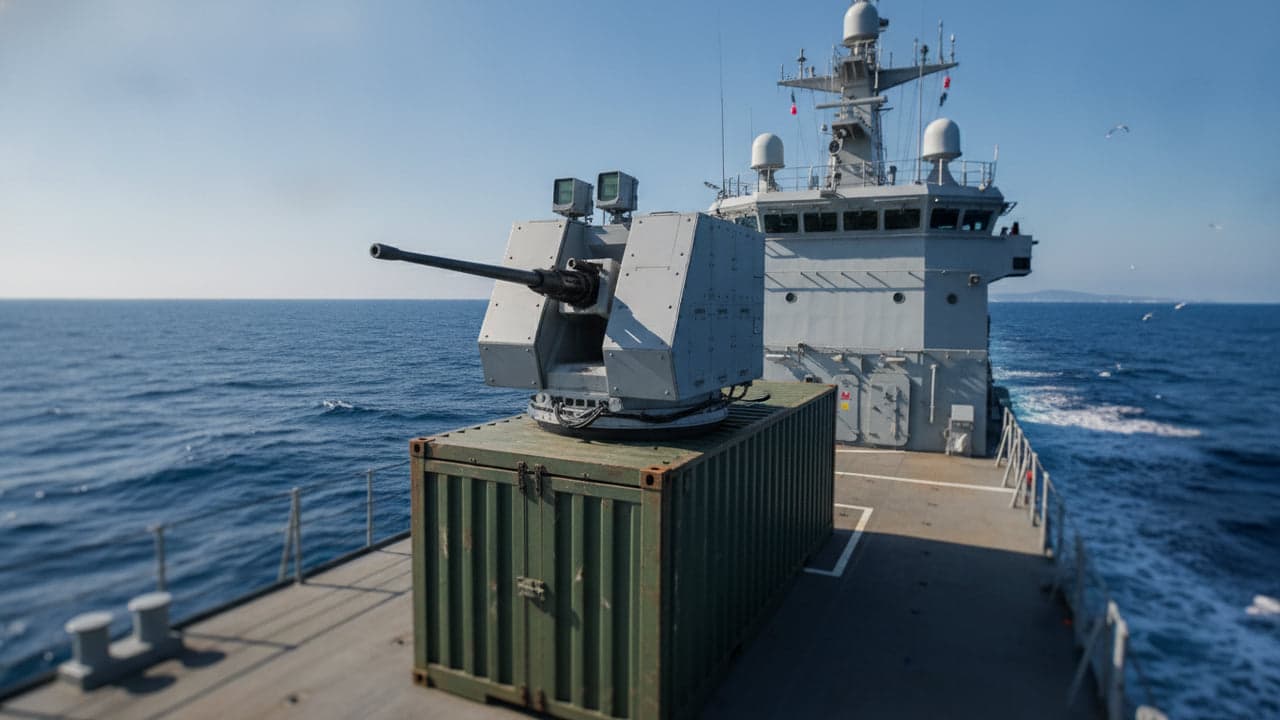
BAE Systems unveils Sea Tridon container mounted naval guns

BAE Systems presented its modular Sea Tridon naval gun family at the Euronaval 2026 exhibition in Paris to counter aerial drones and maritime swarms. The defense innovation adapts rapid-fire cannons for auxiliary vessels, patrol boats, and commercial cargo ships. By packaging automated artillery into standard freight units, operators can install defensive firepower without rebuilding their vessels.

Environment

Tropical cities lose three times more bird species than northern hubs

Ecologists analyzing more than 10,000 bird species found that urban expansion weakens Earth's latitudinal diversity gradient by a factor of three. The team, led by researcher Jory Griffith, reported that cities near the equator lose far more native bird varieties than northern settlements, highlighting where conservation innovation is needed most.

Space

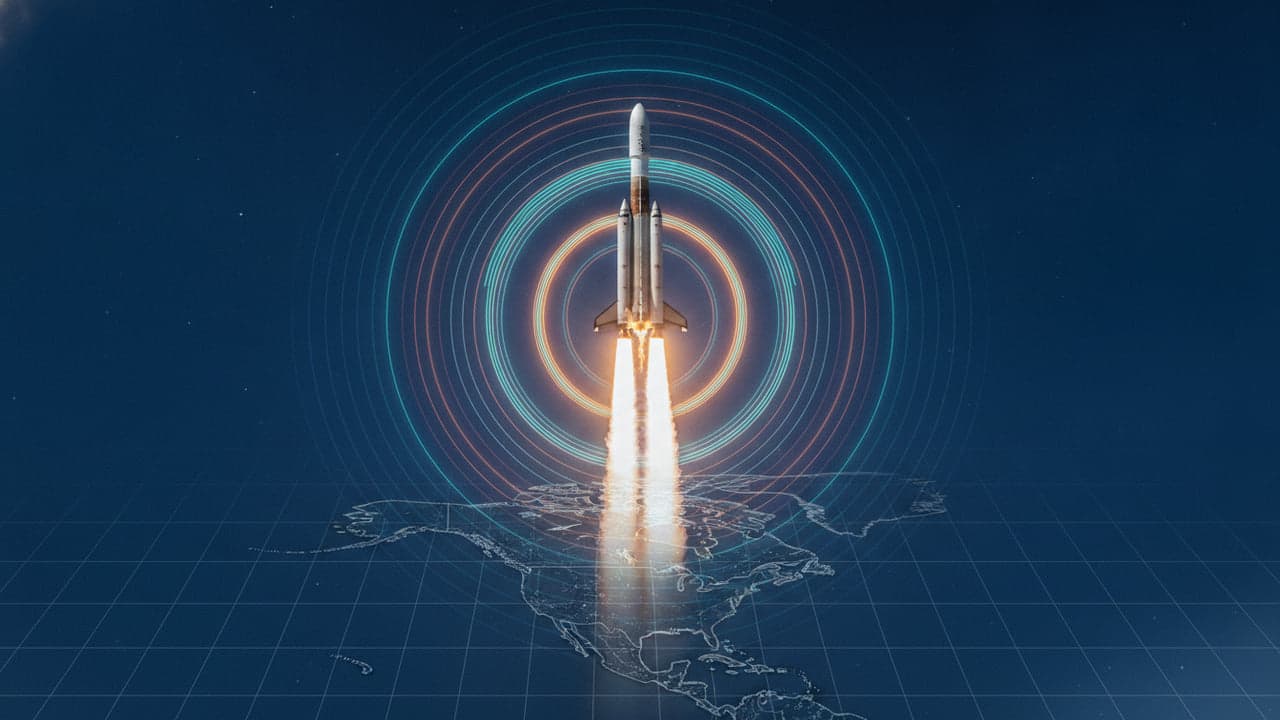
Artemis II Rocket Burns Created Ionospheric Holes and Disrupted GPS Signals

Launches into space generate shock waves and exhaust plumes that reach well beyond the launch pad. A recent pre-print study documented by [Hackaday](https://hackaday.com/2026/11/07/artemis-ii-rocket-was-powerful-enough-to-disrupt-gps/) shows that the Space Launch System rocket flown during the Artemis II mission generated widespread disruptions in Earth's upper atmosphere, altering the ionosphere enough to interfere with satellite positioning signals.

Biology

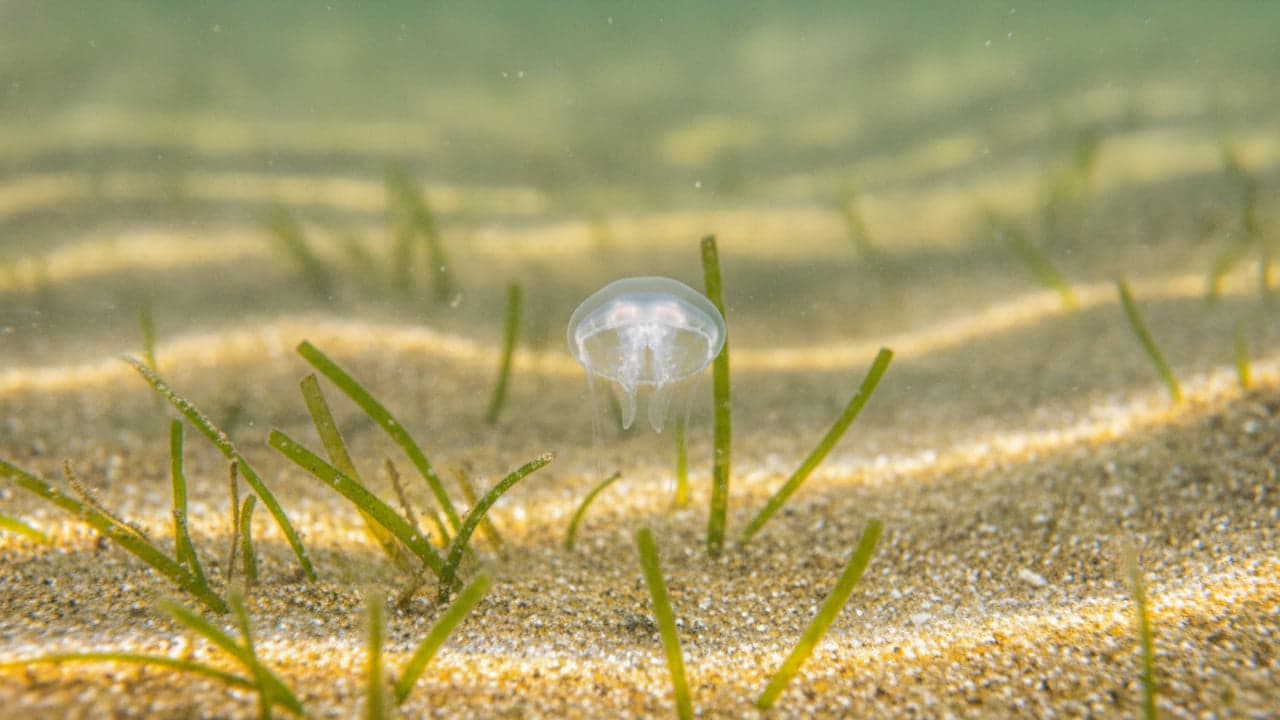
New Box Jellyfish Copula Lucentia Discovered off Alicante Coast

Marine scientists from the University of Alicante have identified a new species of box jellyfish, Copula lucentia, collected in shallow waters off the coast of El Campello in Spain. The discovery represents only the second Cubozoa species ever documented in the Mediterranean Sea, following a baseline established in 1758.

Physics

Oxford physicists simulate Aharonov-Bohm effect using trapped ions

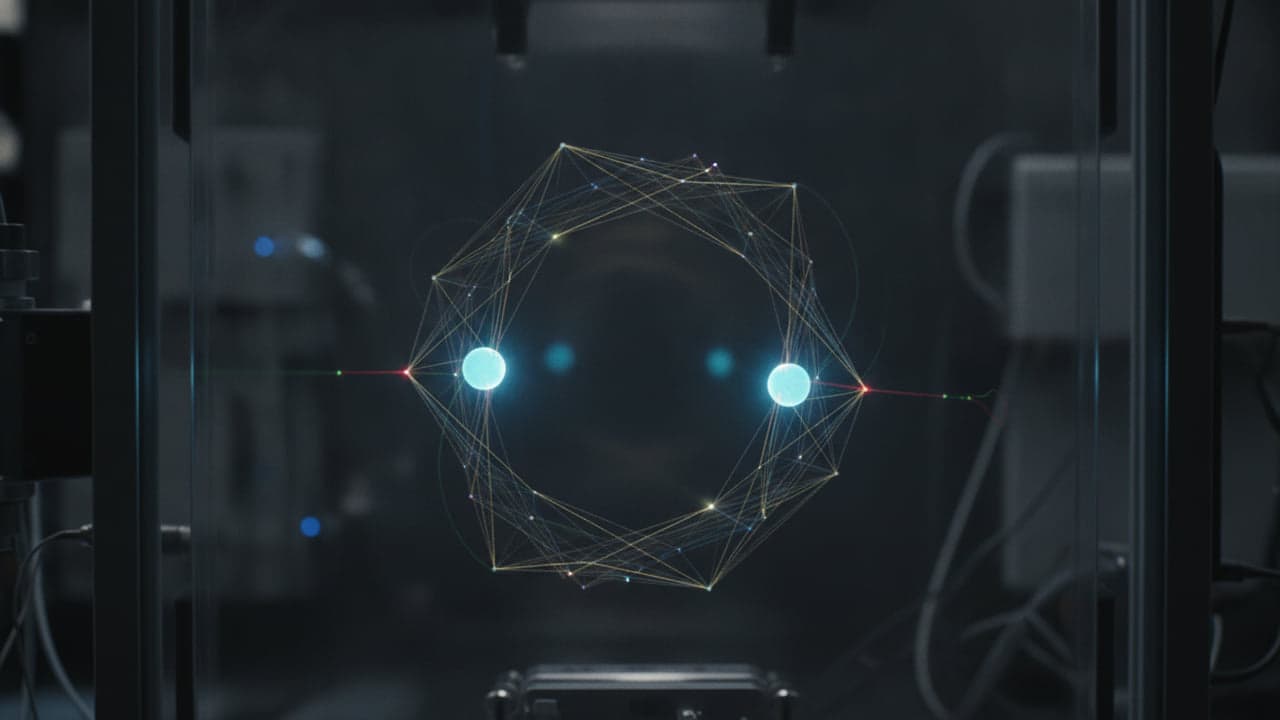
Physicists at the University of Oxford have demonstrated the Aharonov-Bohm effect inside a quantum simulation of a lattice gauge theory using trapped ions. The study, reported by [Phys.org](https://phys.org/news/2026-11-paths-flux-ions-simulate-aharonovbohm.html), models how matter interacts with force-carrying gauge fields in a closed loop. This experimental innovation provides an alternative method for exploring high-energy physics and exotic materials using quantum hardware.

Space

Orbital Matter 3D Prints a 30 Centimeter Boom in Orbit

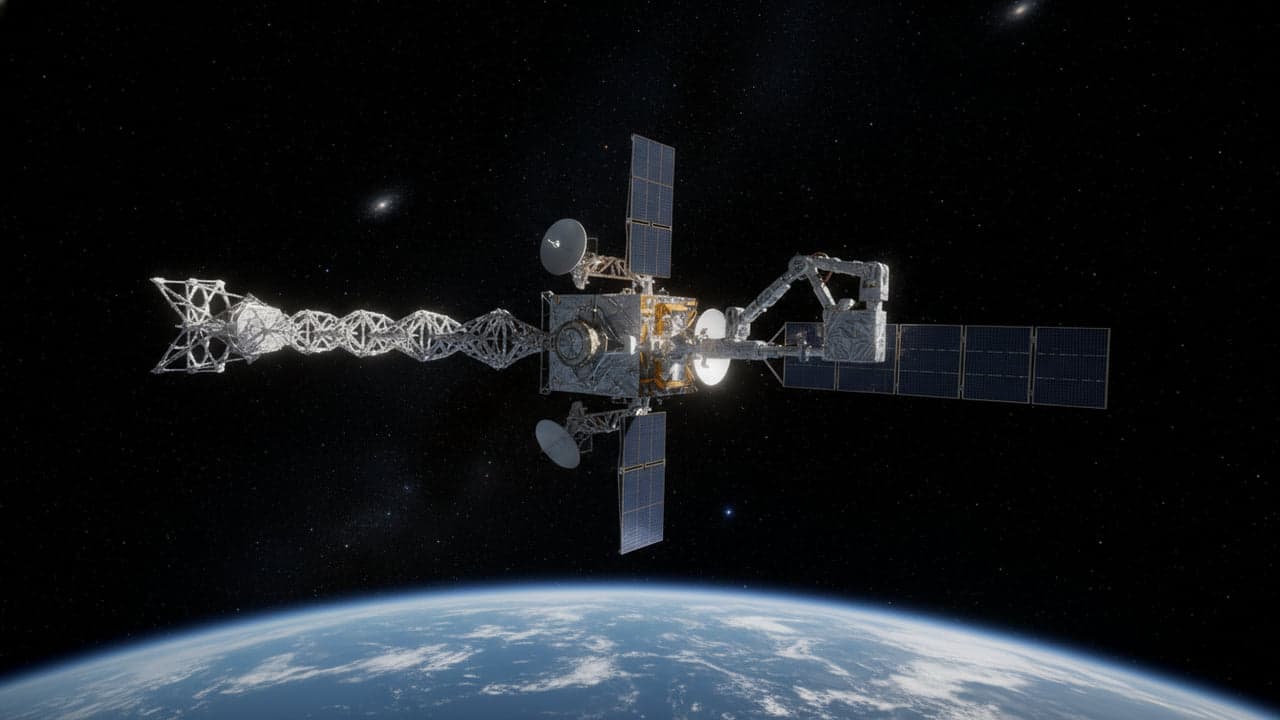
A satellite in low orbit has manufactured a solid structural segment directly into the vacuum of space. Technology company Orbital Matter completed the run using an onboard 3D printing system, extending a continuous boom directly from its craft.

Robotics

Magnetic microbots tumble through blood vessels to dissolve clots faster

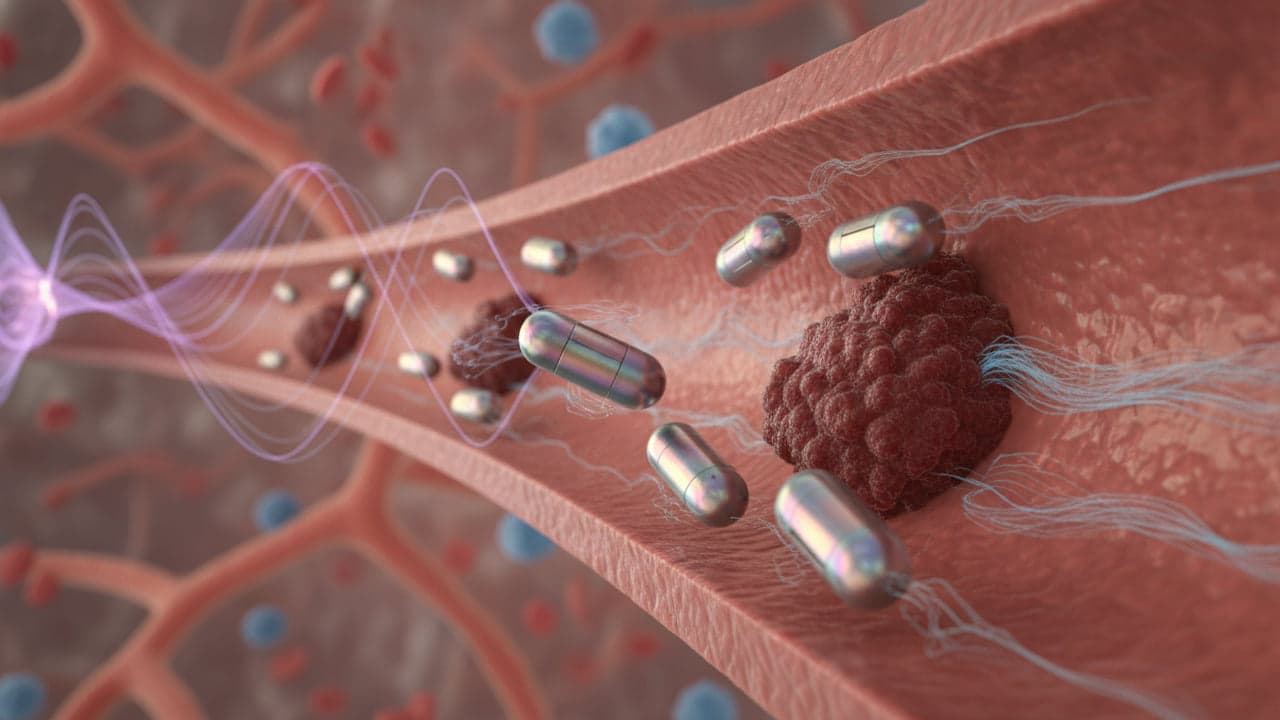
Engineers at ETH Zurich have developed magnetically driven microbots that roll along blood vessel walls to help clot-dissolving drugs reach arterial blockages. The university filed a patent application for the technology after laboratory and animal trials demonstrated that artificial flow speeds up clot breakdown.

Environment

Sticky marine snow carries six times more carbon to the ocean floor

Ten gigatons of carbon leave the ocean surface each year inside clumps of biological debris known as marine snow, yet only two gigatons reach deep waters for long-term storage. A study published in Science by researchers at the Scripps Institution of Oceanography and the University of Lincoln explains this gap: gooey, highly viscous particles resist bacterial decay and deliver six times more carbon to the deep sea than thinner material.

Medicine

Excess Miro1 Protein Drives Insulin Resistance in Skeletal Muscle

A protein called Miro1 acts as a direct driver of insulin resistance when it accumulates in skeletal muscle, according to research from the Pennington Biomedical Research Center. Preclinical removal of the protein restored normal muscle response to insulin, highlighting a new biological target for biomedical innovation and future drug discovery.