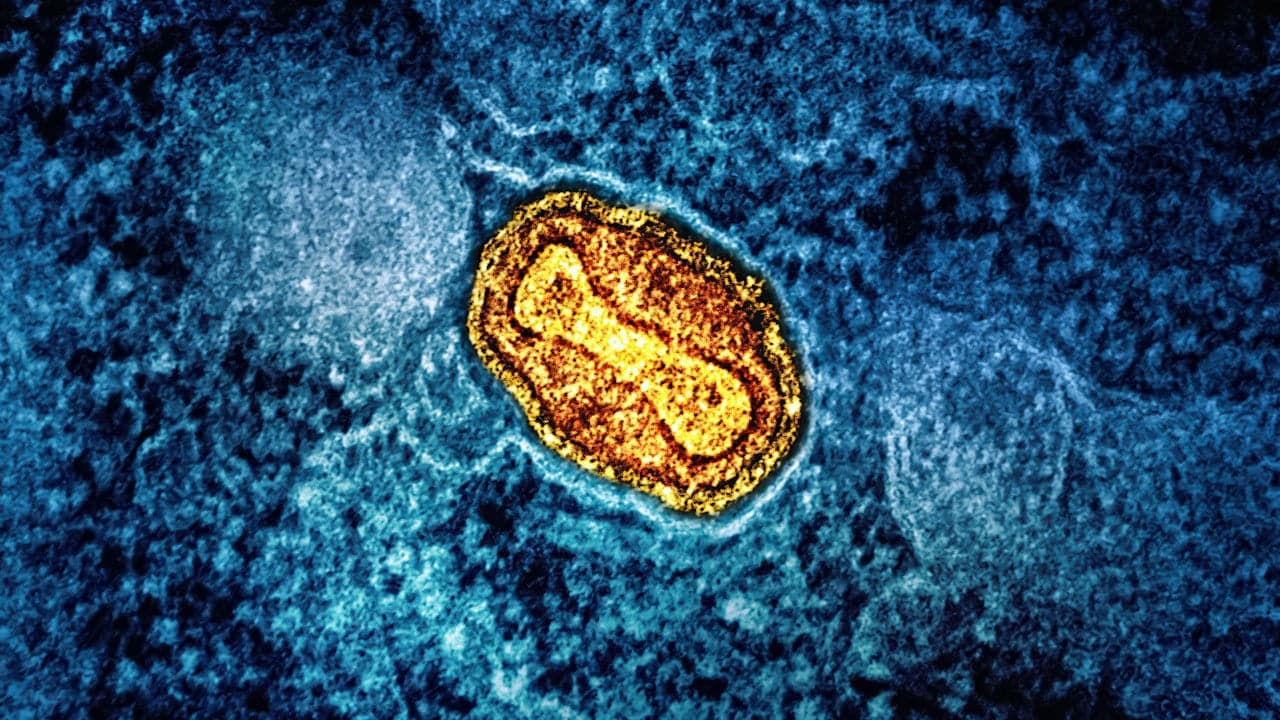
Gallium and Nanotube Coating Uses Microcracks to Kill Bacteria
A one-minute charge from a 9-volt battery triggers electrical hotspots that destroy over 80 percent of resistant microbes in three hours.
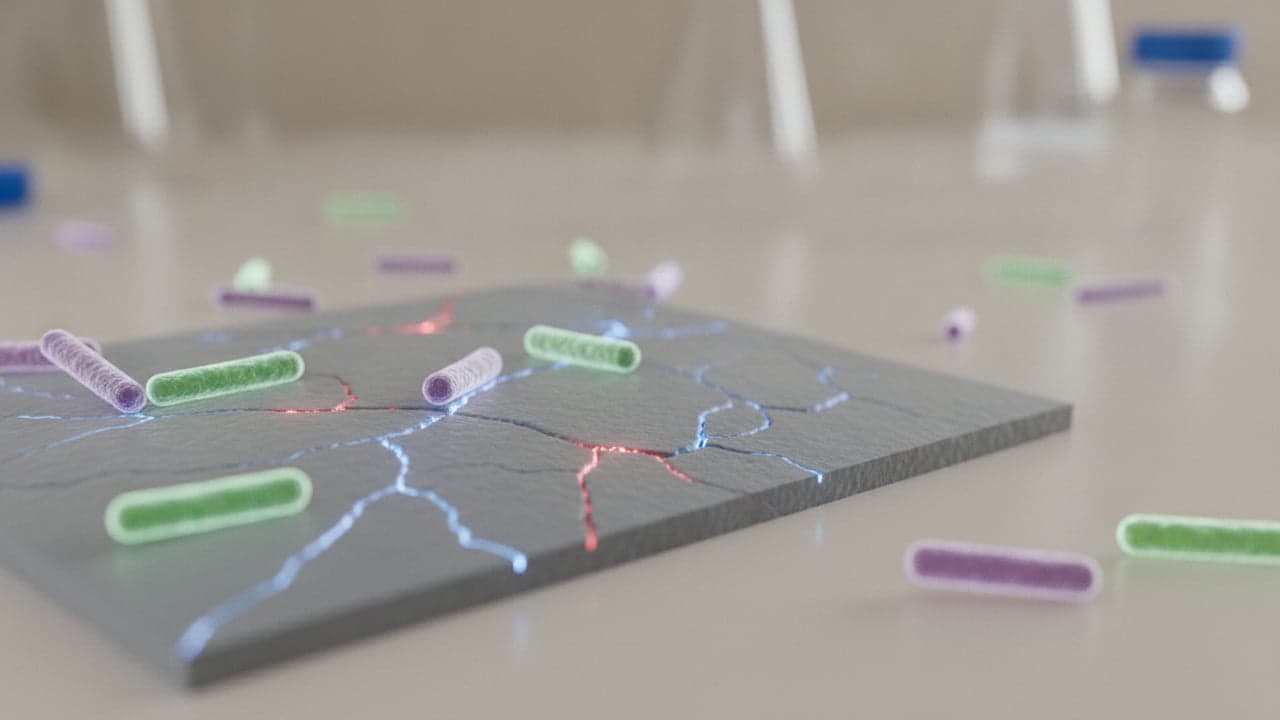
Scientists at Flinders University have created an electrically activated antibacterial coating that uses deliberate microscopic cracks to destroy pathogens. The flexible surface pairs liquid gallium with carbon nanotubes, allowing a brief 9-volt electrical pulse to eliminate drug-resistant bacteria in laboratory tests while sparing human skin cells.
Turning structural flaws into electrical hotspots
In conventional materials science, surface fissures usually signal structural failure. A research team led by the Biomedical Nanoengineering Laboratory at Flinders University took the opposite direction with a novel invention by using microscopic fissures as functional conduits, according to reporting by Interesting Engineering. The team combined liquid gallium, a metal that melts near room temperature, with conductive carbon nanotubes.
As the composite mixture dries, tiny fissures form naturally across the surface. Instead of weakening the matrix, these microcracks concentrate electrical current into localized hotspots. When an electric charge reaches the surface, the material also generates plasma: an energized gas that releases reactive molecules known to stop microbial growth. This chemical and physical dual action subjects bacterial cells to intense intracellular stress.
“Instead of seeing cracks as defects, we’ve demonstrated they can be designed into materials to create useful functions.”
— Associate Professor Vi-Khanh Truong, Flinders University
Laboratory tests target resistant hospital bacteria
The researchers evaluated the material against two common hospital-acquired pathogens: methicillin-resistant Staphylococcus aureus (MRSA) and Pseudomonas aeruginosa. Both species frequently resist standard antibiotics and complicate inpatient recoveries. During laboratory evaluations, the team delivered one minute of electrical stimulation using an ordinary 9-volt battery.
Within three hours of stimulation, the coating killed more than 80% of bacterial cells. Parallel cell-culture assays indicated that the material remained compatible with human skin cells under the tested laboratory parameters. The study, published in the journal Small Structures, demonstrated that structural fissures can be integrated intentionally into an antibacterial surface design.
Flexible electronics and smart wound care
The coating is stretchable, bendable and electrically conductive, properties that could assist in building the next generation of flexible medical device prototypes. Researchers envision integrating the material into smart wound dressings for persistent wounds, or into wearable patches capable of tracking muscle or heart activity while preventing localized bacterial colonisation.
Despite the promising benchtop data, the technology remains at an early developmental phase. The researchers have not yet established its clinical efficacy or biological safety in human patients, meaning extensive preclinical and clinical testing—along with securing patent rights—will be required before the concept reaches medical manufacturing.
Read also on The Patent: Silicon Air Holes Turn Wafers Into Flat Ultraviolet Mirrors