News

Physics

Ultracold Lithium Atoms Reveal Competing Quantum Forces

Physicists have constructed a three-component quantum simulator using ultracold lithium-6 atoms suspended in laser light, revealing competing magnetic behaviors in a single experimental setup. The research, published in the journal Science, offers a way to study physical phenomena that have resisted numerical calculation for decades. This laboratory innovation lets scientists independently tune interactions among three distinct particle states to test models of superconductivity and nuclear matter.


Space

Gas Plumes over Alba Mons Suggest Martian Volcanism May Still Be Alive

Instruments aboard the ExoMars Trace Gas Orbiter have detected localized leaks of hydrogen chloride gas rising from fissures in the Martian crust, pointing to possible active magma reservoirs beneath the surface. An international research team observed the emissions over the northern slopes of the Alba Mons volcano during early summer, challenging assumptions that geological activity on the planet has ended.

Archeology

Ancient Siberian Tomb Reveals 2,800-Year-Old Evidence of Psychoactive Cannabis Use

Archaeologists working in southern Siberia have identified the oldest directly dated physical evidence of psychoactive cannabis consumption, dating to the early eighth century B.C. The discovery, stemming from analytical innovation applied to preserved organic materials, connects nearly 1,000 seeds with chemical traces found directly in human hair from a royal burial mound.

Science

European XFEL Focuses Hard X-Ray Pulses to 180 Nanometres

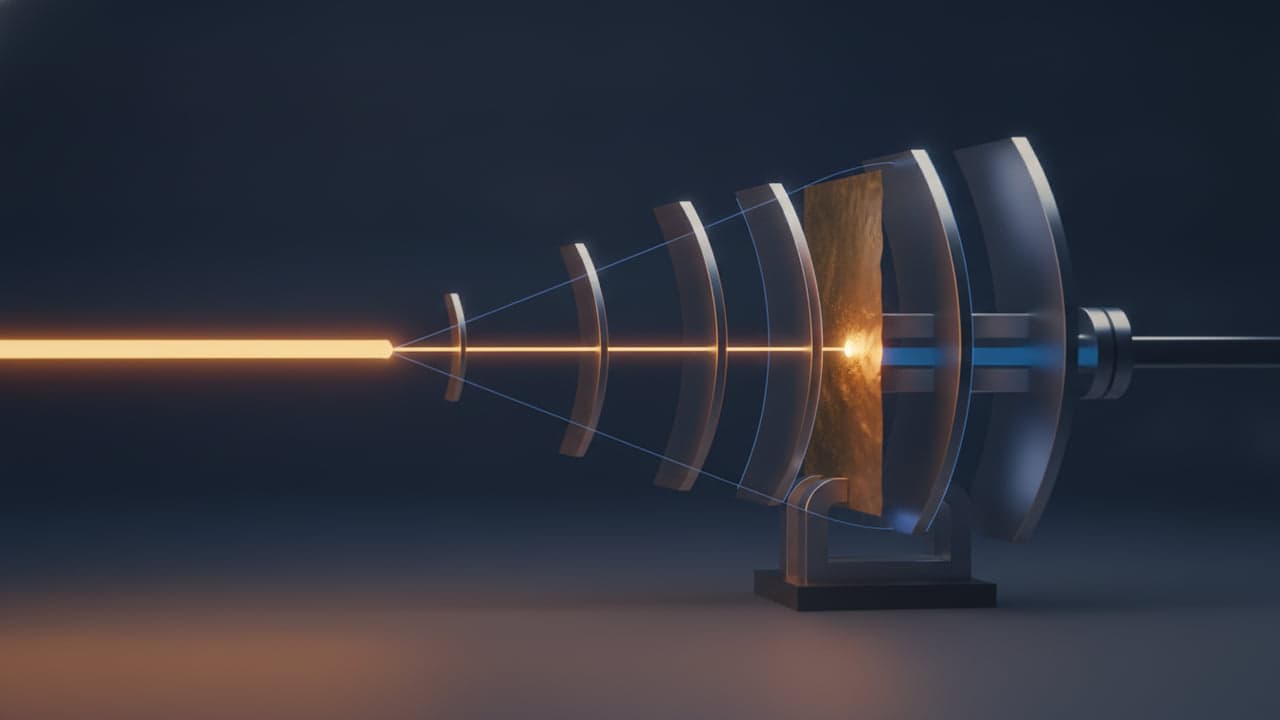
Physicists at the European XFEL research facility have squeezed hard X-ray flashes lasting just 300 attoseconds into a spot measuring 180 by 330 nanometres. The optical innovation, reported in the journal Optica, delivers power densities exceeding 10²⁰ watts per square centimetre to track electron dynamics during chemical reactions.

Inventions

Graphene energy harvester powers wireless sensors from magnetic field leaks

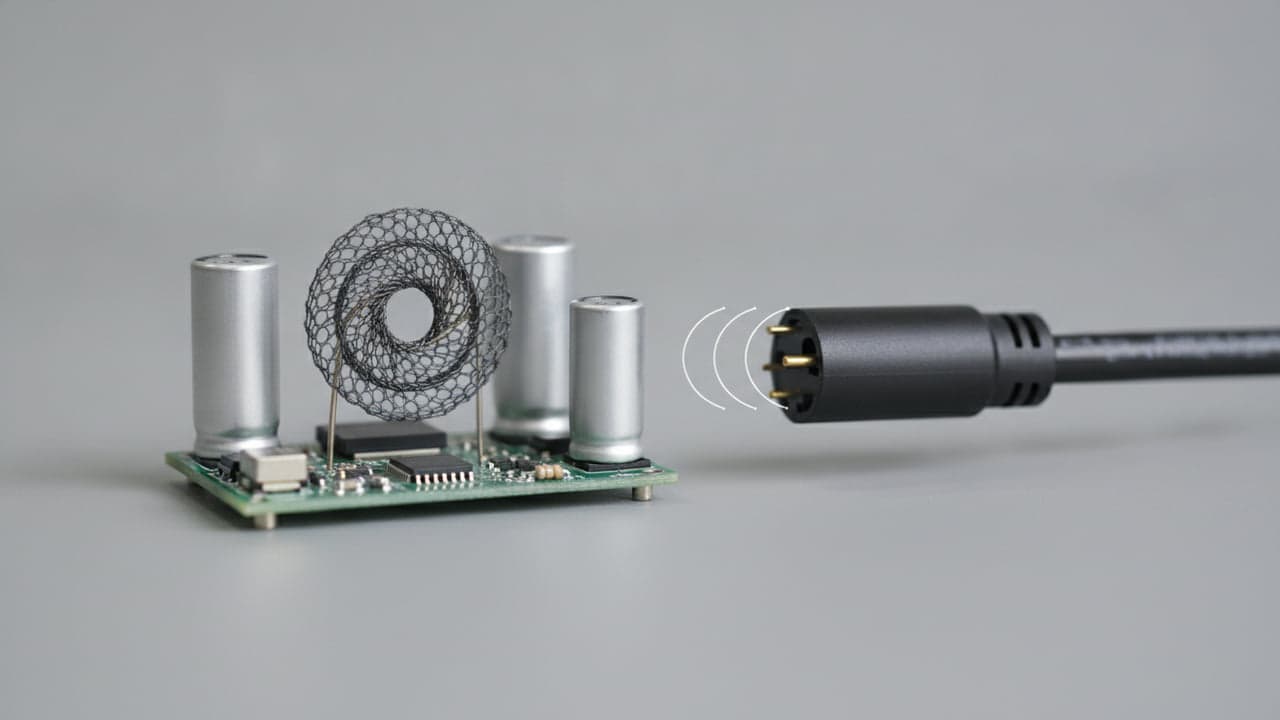
A research team led by physicist Paul Thibado has developed a battery-free temperature sensor that draws its operating electricity from ambient electromagnetic fields around alternating-current wiring. The invention, created by researchers at the University of Arkansas and the University of Michigan, couples a graphene inductor with low-drain electronics to run without wired power connections or chemical batteries. It offers industrial plants a maintenance-free option to monitor machinery without the need to replace exhausted cells.

Gadget

Aina Ring puts an OLED screen and a joystick on the finger

Design studio Aina has introduced the Aina Ring, a wearable device that places a miniature OLED display and a directional joystick directly onto a finger. The titanium band aims to handle quick tasks, calendar alerts, and phone calls without forcing users to unlock an iPhone.

Robotics

Diden Spider Climbs Shipyard Steel Walls to Weld Overhead

South Korean startup Diden Robotics has built a four-legged climbing machine designed to weld steel bulkheads and ceilings inside commercial vessels. The machine, known as the Diden Spider, uses switchable magnetic feet to scale vertical plates and hold heavy tools in places where human crews would otherwise need staging platforms and rigging. Field units have already entered shipyard production lines in South Korea.

Chemistry & Metallurgy

Diamond Foundry Grows World's First 200 mm Single-Crystal Diamond Disk

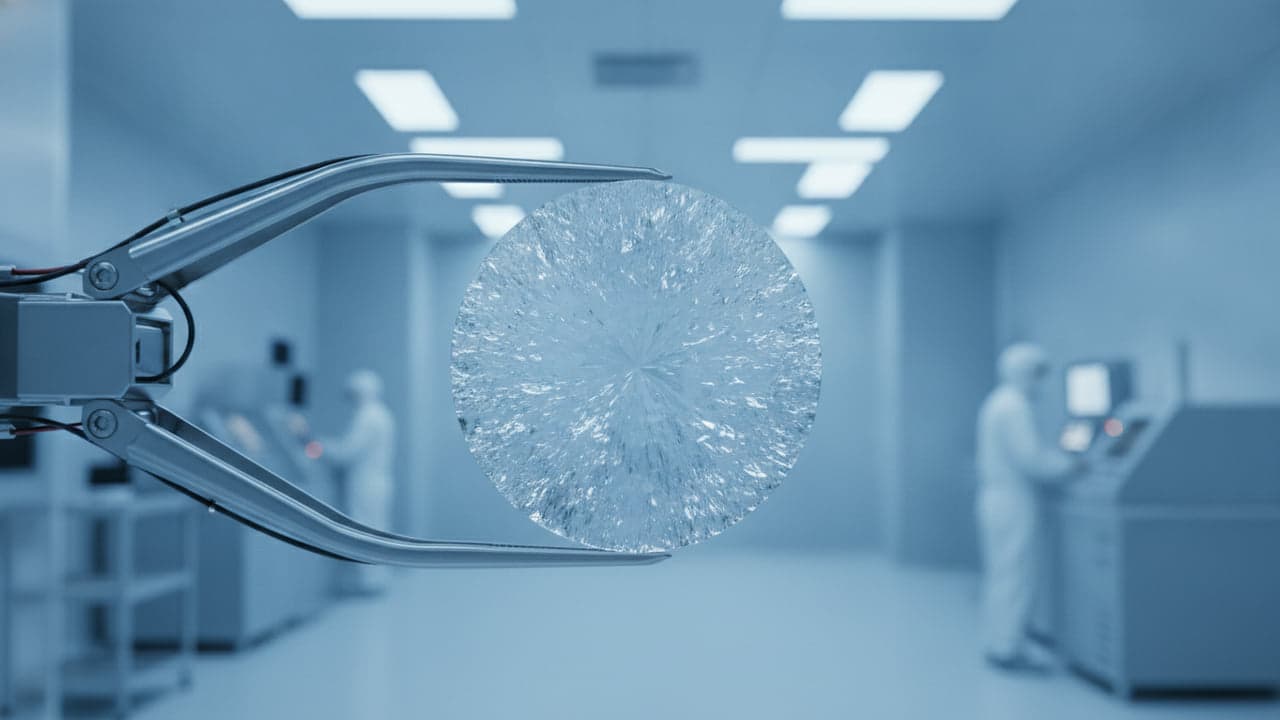
Diamond Foundry produced a 200-millimeter single-crystal diamond disk in an unpolished state, presenting the material on November 6 as the result of a 25-year research effort. The San Francisco company developed the continuous crystal to help pull heat away from high-performance microchips, particularly processors handling intensive artificial intelligence computations. Measuring 7.9 inches across, the monolithic sample represents a major technical invention in synthetic diamond synthesis.

Medicine

Chemogenetic Gene Therapy Dampens Brain Cell Activity to Control Epilepsy

A research team in China has treated three epilepsy patients with a novel gene therapy that allows a drug to dampen brain cell activity. The trial represents the first reported clinical use of a chemogenetic approach to reduce seizures. The study demonstrates how combining genetic modification with targeted pharmaceutical control can suppress abnormal neural firing.

Norms & Regulation

GAO Warns USPTO Backlog Targets Risk Failure Under Staff Strain

A federal audit released on November 5, 2026, found that the U.S. Patent and Trademark Office cannot meet its backlog reduction goals without resolving worsening staff turnover. The report by the U.S. Government Accountability Office shows that an annual examiner attrition rate of 7.6 percent and cutbacks in training threaten both examination quality and agency targets.

Environment

UNSW researchers track persistent chemicals in farmland sewage fertilizer

Engineers at the University of New South Wales have assessed how 47 chemical compounds behave when treated sewage sludge is applied to agricultural land. The environmental screening study, published in the [Journal of Hazardous Materials](https://phys.org/news/2026-11-chemicals-sewage-based-fertilizer-persist.html), identifies common pharmaceuticals, fragrances and industrial compounds that persist in farmland soil. The findings offer water utilities and regulators a framework to evaluate circular waste innovation without risking long term soil contamination.

Tech

Silicon Air Holes Turn Wafers Into Flat Ultraviolet Mirrors

Researchers at the University of Stuttgart have engineered a flat optical metasurface that reflects and focuses ultraviolet light by trapping it inside nanoscale cavities. The device, detailed in [Advanced Photonics via Phys.org](https://phys.org/news/2026-11-air-holes-silicon-wafers-flat.html), uses microscopic air holes etched directly into standard silicon wafers to bypass the heavy absorption that usually limits silicon in ultraviolet optics. This optical invention provides a flat alternative to bulky curved mirrors for high-resolution imaging and chemical sensing.

Biology

Cryo-EM Reveals How TACO1 Keeps Mitochondrial Protein Synthesis Moving

Biochemists at Karolinska Institutet have uncovered how a regulatory protein called TACO1 prevents cellular power plants from stalling during protein synthesis. The study, published in Nature Communications, reveals the molecular mechanics that keep mitochondrial ribosomes moving through difficult sequences of amino acids, offering critical insight into rare metabolic disorders.

Physics

Compact laser accelerator generates bright water window X-rays in computer models

Physicists have demonstrated that a tabletop laser-plasma accelerator can produce bright, coherent soft X-ray pulses suited for observing living cells. The technological innovation, detailed in Nature Communications by researchers from Germany, Scotland and Czechia, creates pulses in the water window wavelength range using an apparatus measuring only a few meters.

Chemistry

ETH Zurich Chemists Turn Waste Polyolefins into Industrial Adhesives

Chemists at ETH Zurich have engineered a single-step photochemical process that converts discarded plastic bags and bottles into high-strength adhesives. The method tackles polyolefins, which represent about half of the 450 million metric tons of plastic produced each year, bypassing the degraded material quality typical of standard mechanical recycling.

Norms & Regulation

Australian Federal Court Clears Samsung Bioepis in Pfizer Enbrel Patent Dispute

The Federal Court of Australia has ruled that manufacturing processes for biosimilar Brenzys products do not infringe a Pfizer process patent. The decision in Pfizer Ireland Pharmaceuticals Unlimited Company v Samsung Bioepis Co., Ltd resolves claims over the production methods for the etanercept therapy Enbrel. The ruling provides clarity on the scope of intellectual property rights governing biosimilar manufacturing.

Science

Physicists Map Particle Motion in Primordial Quark-Gluon Plasma

Physicists at MIT and the University of California, Santa Barbara, have formulated a theory predicting how relativistic particles travel through quark-gluon plasma, the dense fluid that filled the universe microseconds after the Big Bang. The theoretical innovation resolves a century-old limitation in classical physics by calculating the momentum changes of particles moving near light speed.