Cancer Cells Disarm T Cells with Antioxidant Protein PRDX1
Researchers at Cambridge and OHSU show that tumors release Peroxiredoxin 1 to neutralize reactive oxygen species needed for immune defense.
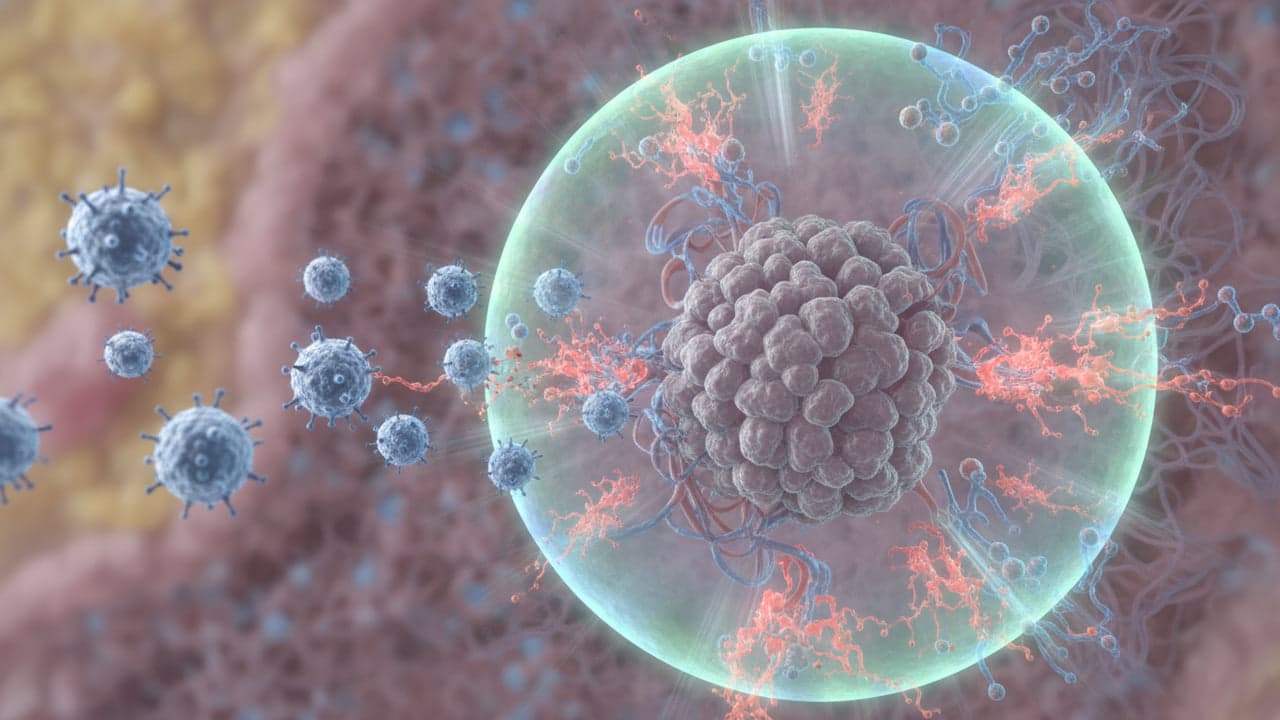
Tumors release natural antioxidants to shut down cancer-fighting immune cells, according to a study published in Science by teams from the University of Cambridge and Oregon Health & Science University. The medical innovation shows that blocking this antioxidant shield restores immune responses in mice and improves the outcome of immunotherapy treatments.
Chemical shielding through Peroxiredoxin 1
Specialized immune cells known as T cells require small quantities of reactive oxygen species, molecules that include free radicals, as chemical activation signals to recognize and destroy tumor tissue. In a study reported by ScienceDaily, investigators discovered that cancer cells counteract this trigger by secreting a natural antioxidant protein named Peroxiredoxin 1 (PRDX1), providing fresh momentum for biomedical innovation.
By analyzing fluid surrounding cancer cells in laboratory mice, researchers at the University of Cambridge and Oregon Health & Science University found that PRDX1 removes the oxygen molecules that T cells need to enter attack mode. The secretion acts as a chemical shield that silences the immune response at the tumor site.
“We've found a new way by which cancers shut down the immune system. When we block this process, tumors that don't respond to some immunotherapies start responding to treatment.”
— Professor Rahul Roychoudhuri, Department of Pathology, University of Cambridge
Gene editing confirms immune recovery in mice
To evaluate the defense mechanism, scientists used CRISPR gene editing to disable the production of PRDX1 in murine cancer cells. Tumors lacking the antioxidant protein grew more slowly and faced increased immune activity, as documented by ScienceDaily.
The researchers verified the same mechanism across human biology. By studying protein secretion data from human cell lines, analyzing gene expression in thousands of patient tumors, and testing fluid from surgically excised lesions, the team confirmed that human cancers deploy PRDX1 to deplete reactive oxygen species in their surroundings.
Overcoming resistance in cancer immunotherapy
The discovery offers a biological explanation for why existing immunotherapies fail in many patients. While treatments designed to stimulate T cells can produce durable remissions, tumors that pump out PRDX1 can suppress those cells locally.
In experimental models, disrupting PRDX1 enabled previously resistant tumors to respond to immunotherapy treatments, as reported by ScienceDaily. Academic laboratories and pharmaceutical sponsors have not yet registered a public patent application or secured intellectual property covering a specific invention based on this work, but the target opens a pathway for drug developers and any emerging startup to design combination therapies that restore immune attack.
Read also on The Patent: UT Southwestern designs versatile 3D microscope for live cell imaging