Stone tools at Riparo Mochi push back Ice Age migration into Italy
Radiocarbon dating of an intact hearth dates Noaillian hunter-gatherers to 30,800 years ago, resolving a long-standing migration paradox.
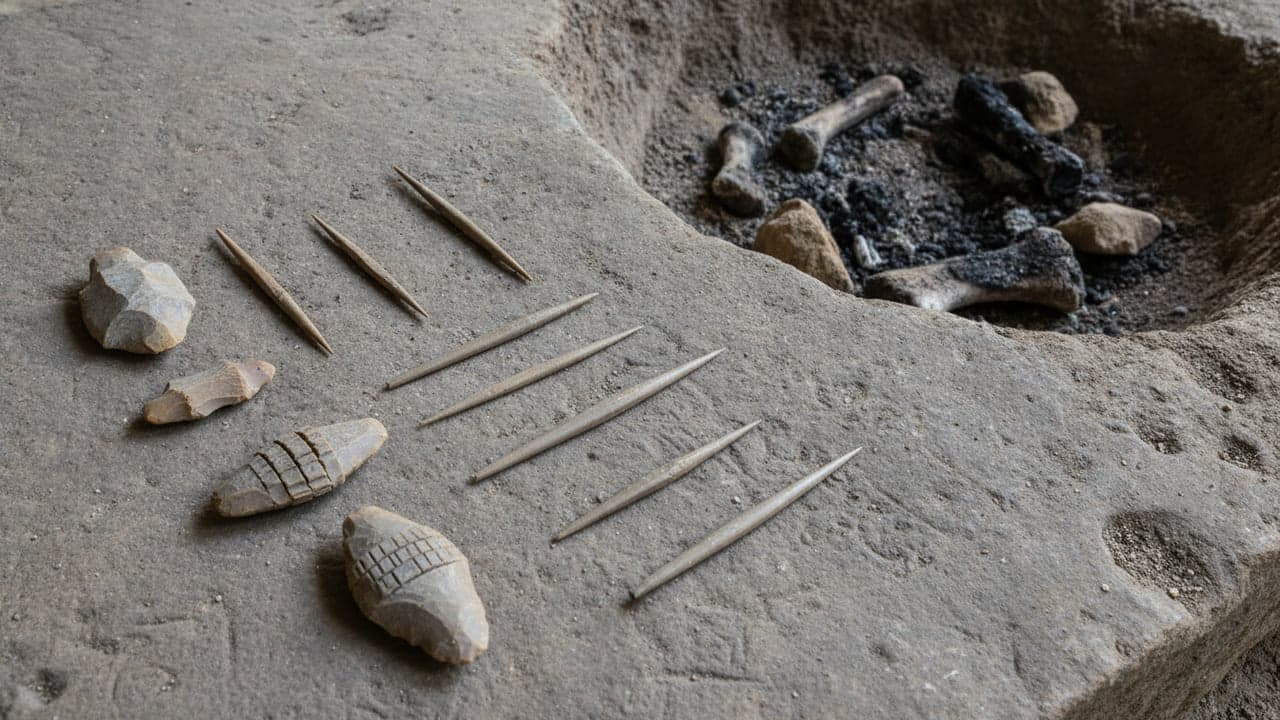
A prehistoric hearth at the Riparo Mochi rock shelter on the Franco-Italian border reveals that Upper Paleolithic hunter-gatherers entered Italy roughly 2,000 years earlier than previously recorded. Radiocarbon testing of an embedded marine shell places the occupation between 30,000 and 30,800 years ago. The discovery, detailed by [Phys.org](https://phys.org/news/2026-11-ice-age-reveals-hunter-italy.html), shows how an advanced lithic invention reshaped early European movements during a sudden climate freeze.
Resolving an archaeological contradiction at the border
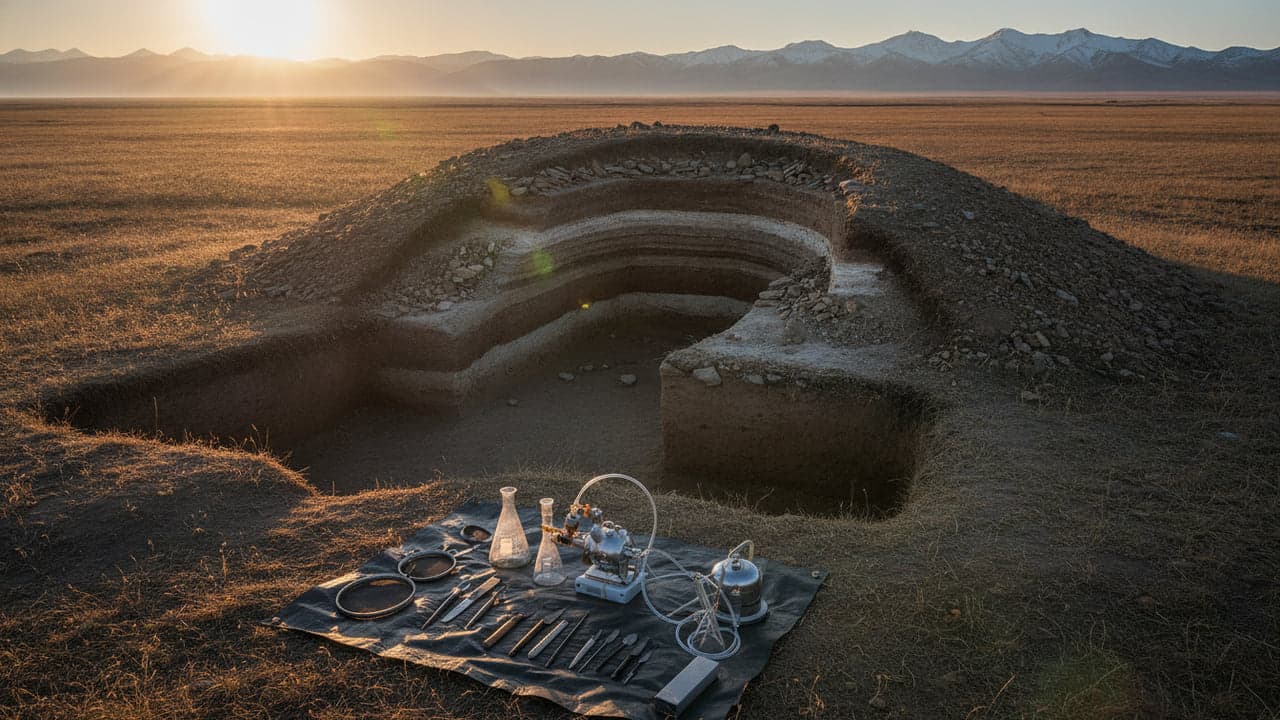
Archaeologists studying the Noaillian culture, a distinct phase of the Middle Gravettian period known for specialized stone implements, long faced an unexplained timeline gap. Historical evidence showed the culture moving west to east from northern Spain and France into Italy along the narrow coastal passage of the Balzi Rossi cliff. Earlier excavations carried out between 1938 and 1959 had dated the Riparo Mochi shelter to around 28,000 years ago, even though sites in southern Italy yielded dates between 31,000 and 30,000 years ago. As reported in the Journal of Archaeological Science: Reports, modern stratigraphic re-excavation resolved this discrepancy by shifting the site timeline back by 2,000 to 3,000 years.
Microscopic wear reveals new functions for ancient blades
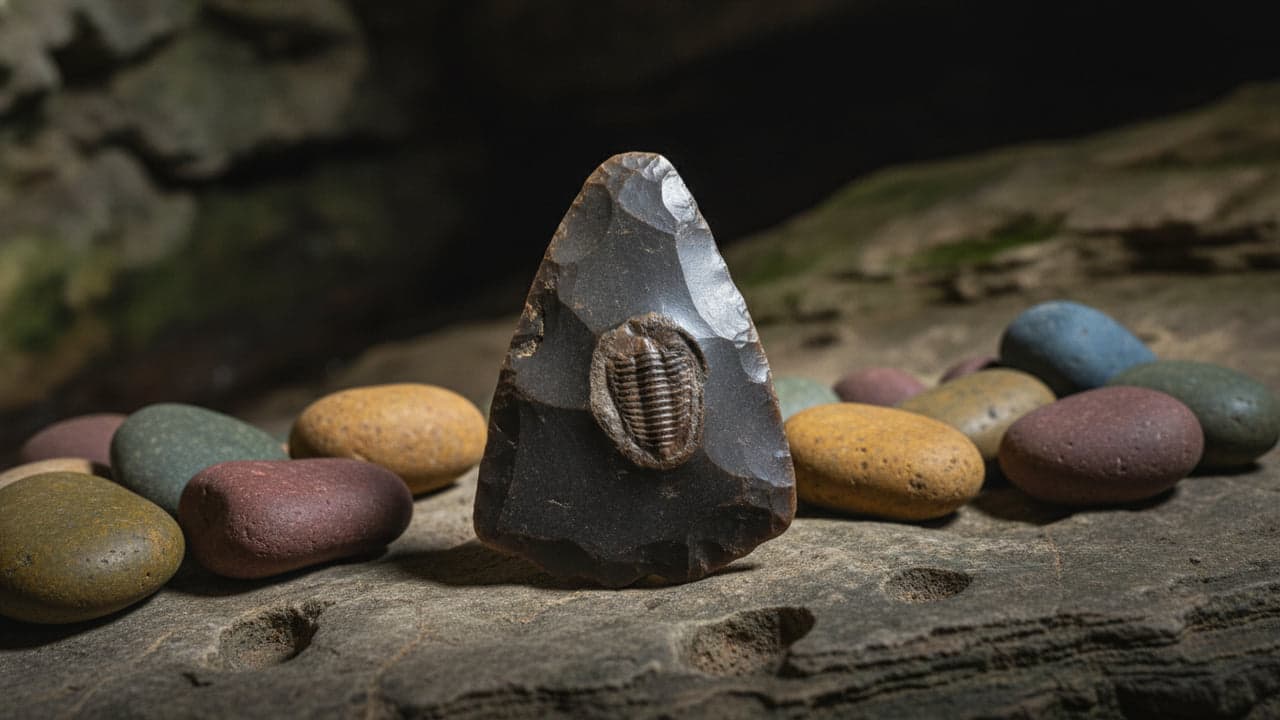
The research team water-sieved excavated sediments through fine mesh and recorded three-dimensional coordinates for more than 7,500 stone artifacts, including bladelets, cores, and chipping debris. High-powered digital microscopes revealed unexpected evidence about how hunter-gatherers used the Noailles burin, a versatile stone tool invention traditionally viewed as an engraving chisel. While researchers had assumed the burin tips served to groove antler and bone, microscopic analysis found no wear on the pointed tips. Instead, use-wear along the long, sharp side margins proved the tools served as butchery knives for slicing soft animal meat and hide, highlighting the adaptability of the prehistoric inventor and illustrating a functional innovation in Paleolithic tool design.
Climate pressure and rapid population movement
The site deposit contained an intact hearth surrounded by marine shells and specialized domestic equipment. Microgravettes were mounted onto wooden shafts as ballistic weapon tips, while scrapers and wedges served to split bone for marrow extraction and tool blanks. The spread of these artifacts reflects direct human movement rather than gradual technology transfer through trade networks, because the Noaillian tool kit arrived as an integrated behavioral package that quickly replaced existing local traditions. The entry into Italy coincided with Greenland Stadial 5.1 around 30,500 years ago, a severe cold and arid phase that prompted Ice Age groups to seek milder refuge along the Mediterranean coast.
Read also on The Patent: AI Smartwatch Detects Signs of Hypertension Without Cuff Calibration · StereoGeoBox measures swimming fish weight in real time without full 3D maps