Study Shows Inhaled Polyethylene and Polypropylene Particles Cause Acute Lung Inflammation
South Korean researchers discover that nanoplastics from everyday packaging trigger cellular stress exceeding that of diesel exhaust.
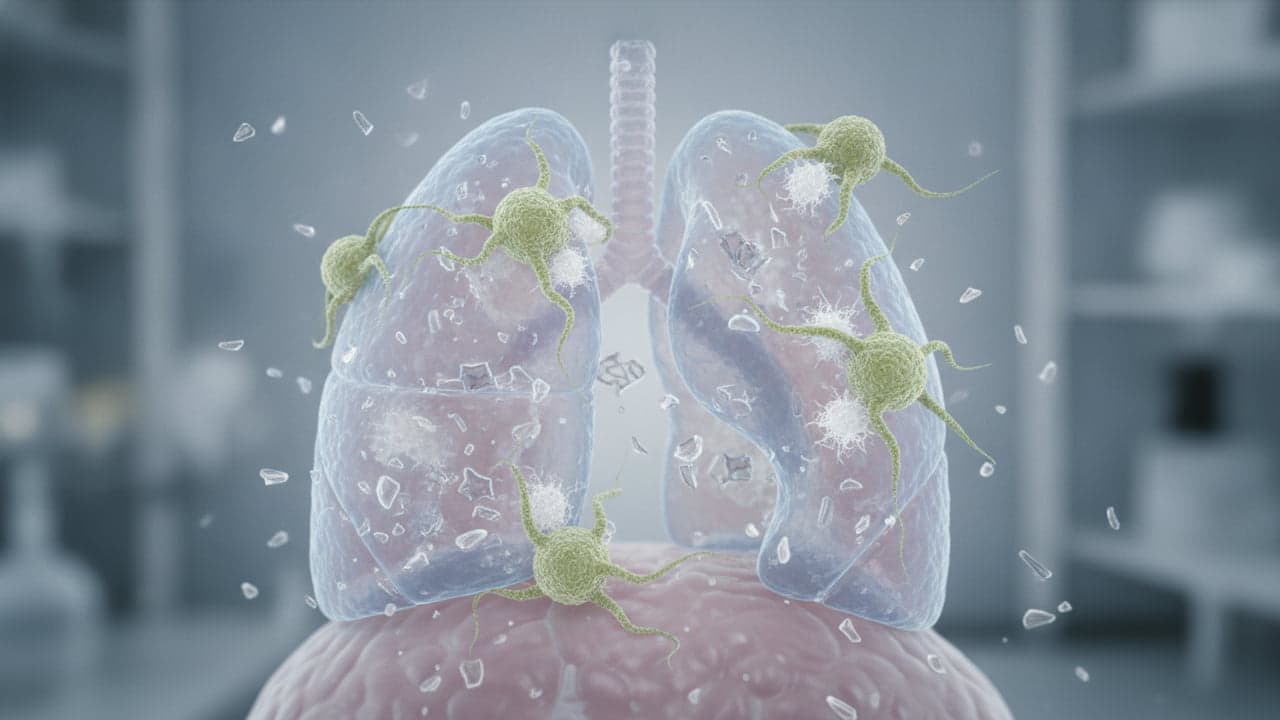
Airborne particles of polyethylene and polypropylene cause acute respiratory inflammation and cellular damage, according to a biomedical research innovation published in Journal of Hazardous Materials Advances. The findings show that nanoplastics inhaled into the lungs stimulate reactive oxygen species that damage tissue.
Testing common plastics beyond polystyrene
Everyday plastic packaging and drink containers gradually fragment into microscopic specks invisible to the naked eye. While previous toxicity studies focused largely on polystyrene, a research team led by Dr. Jinyoung Jeong at the Korea Research Institute of Bioscience and Biotechnology (KRIBB) investigated polyethylene (PE) and polypropylene (PP), the two most common consumer polymers. Working alongside Professor Wan-Seob Cho of Dong-A University, the scientists administered these particles directly into the trachea of mice to measure respiratory reactions, as reported by MedicalXpress.
“This study demonstrates that nanoparticles of polyethylene and polypropylene, two plastics widely used in everyday life, can trigger lung inflammation through ROS production and surface reactivity following respiratory exposure”
— Dr. Jinyoung Jeong, Environmental Diseases Research Center at KRIBB
Surface area alters inflammatory potential
The researchers compared the biological responses generated by PE and PP to the damage caused by standard diesel exhaust particles. When assessed purely by mass, PE nanoplastics generated an acute inflammatory reaction at least equal to diesel exhaust. When the team calculated dosages based on total particle surface area, both PE and PP particles demonstrated significantly greater inflammatory effects than the diesel benchmark. The study suggests that traditional air pollution metrics relying solely on mass may fail to capture the true toxic potential of airborne plastic dust, according to MedicalXpress.
Oxidative stress disrupts lung immune cells
Within the lung tissue, the foreign particles provoked a sharp response from alveolar macrophages, the primary immune cells responsible for clearing debris from respiratory pathways. The interaction produced excess reactive oxygen species (ROS), chemically unstable molecules that trigger cellular injury and recruit additional inflammatory cells. Genetic analysis confirmed significant alterations across molecular pathways governing immune defense. Although the scientists did not seek a patent or formal intellectual property protection for their findings, their laboratory methodology provides a standardized model for evaluating airborne particulate hazards, as detailed by MedicalXpress.
Updating safety standards for airborne particles
Current public health thresholds for fine particulates focus on airborne weight rather than surface reactivity. Jeong noted that moving beyond mass-based assessments will be essential for setting realistic environmental health criteria. Looking ahead, regulatory bodies and toxicologists will need to account for surface area and particle chemistry when assessing the inhalation risks posed by degraded synthetic materials, driving responsible innovation toward environmental sustainability, according to MedicalXpress.
Read also on The Patent: New process uses plastic waste to produce adhesives