UConn Study Shows Water Governs Human Tissue Elasticity
Supercomputer simulations reveal that hydration water entropy drives the mechanical recoil of arteries, skin and lungs.
University of Connecticut researchers Anna Tarakanova and Metehan Çam demonstrated on November 9, 2026, that water molecules surrounding elastin drive the mechanical snapback of stretching organs. Published in Nature Communications, the discovery resolves a five-decade debate over whether protein chains or solvent dynamics govern tissue elasticity. The finding provides a quantitative framework that could guide the invention of synthetic biomaterials for regenerative medicine.
Tracking 225 amino acids on the Anton 3 supercomputer
For more than 50 years, biophysicists debated whether the body's elastic recoil behaves like an entropic rubber band made purely of coiled protein or relies on interactions with liquid water. To settle the question, Anna Tarakanova, associate professor in the School of Mechanical, Aerospace, and Manufacturing Engineering, partnered with postdoctoral researcher Metehan Çam at the University of Connecticut.
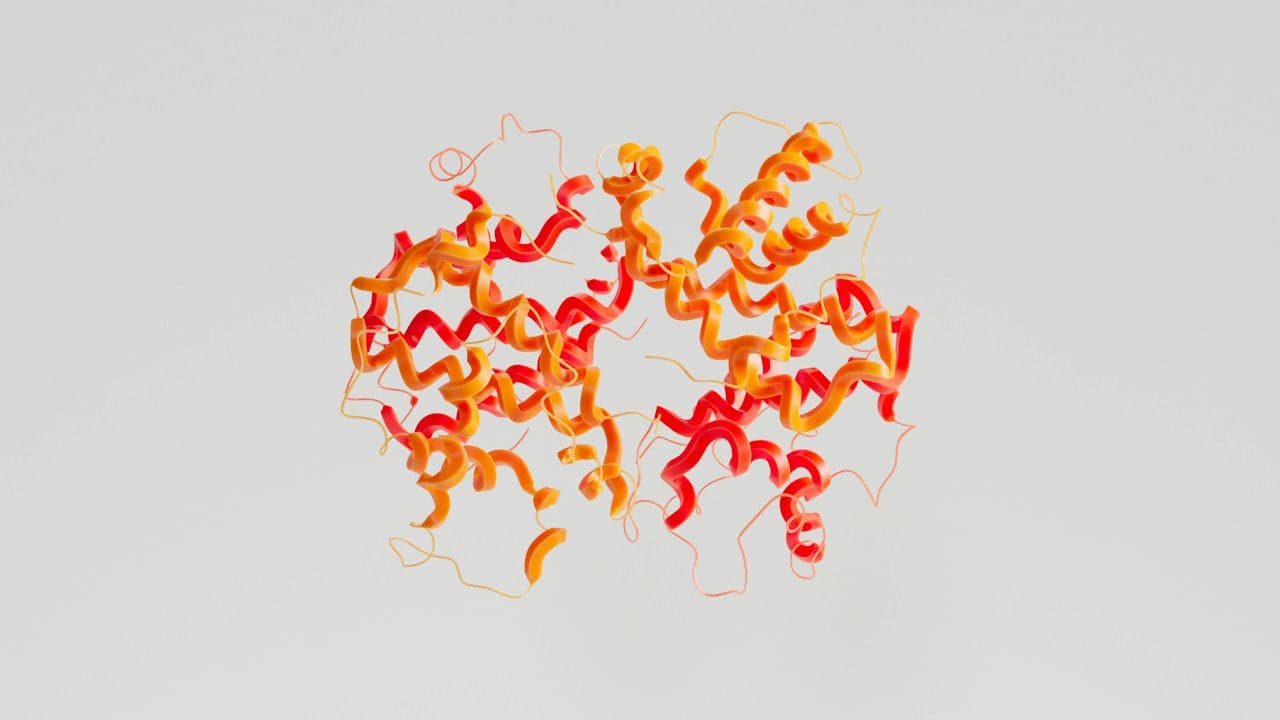
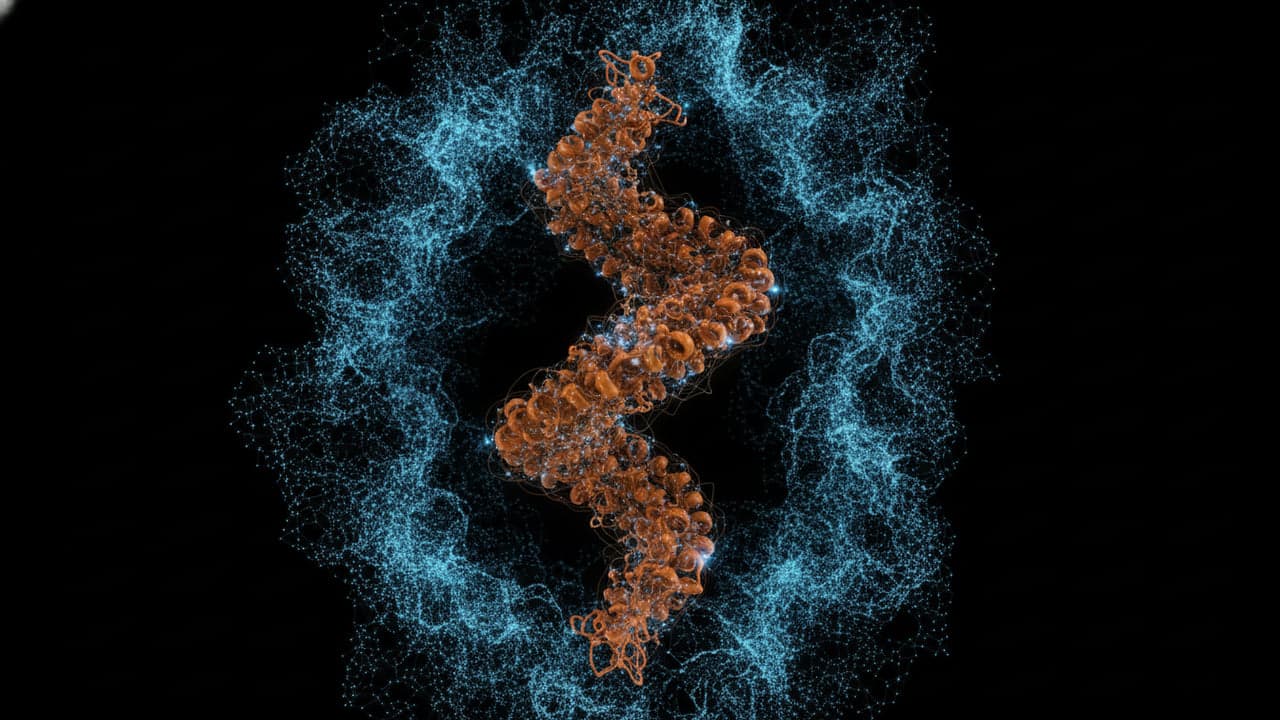
The team constructed an atom-by-atom computer model of mini-tropoelastin, a building block spanning 225 amino acids of human tropoelastin. Running simulations on the specialized Anton 3 supercomputer at the Pittsburgh Supercomputing Center, provided by D.E. Shaw Research, the researchers tracked the protein in its relaxed state for 60 microseconds before comparing it against a fully extended state. This approach allowed the scientists to isolate and measure the thermodynamic contributions of the protein and the surrounding solvent separately.
“The protein's flexibility still matters, but hydration water makes the dominant contribution to the entropy changes we measured.”
— Metehan Çam, postdoctoral researcher at the University of Connecticut
How hydration water entropy powers biological recoil
The simulation results published in Nature Communications on November 9, 2026, showed that hydration water makes the dominant thermodynamic contribution to the snapback of stretched elastin.
When a tissue stretches, it exposes a larger portion of the protein surface to the surrounding fluid. Water molecules are drawn into a narrow boundary layer around the protein chain, where their movement is sharply constrained. This arrangement lowers the entropy, which measures the structural configurations available to the molecules. As the pulling force eases, the confined water molecules break free into the bulk liquid to regain their disordered state, generating the thermodynamic push that pulls the protein back into its compact shape. The UConn team emphasized that the biological system functions as a coupled protein-water unit rather than an isolated, dry spring.
Implications for tissue engineering and synthetic materials
Understanding this water-driven recoil mechanism opens practical avenues for biomedical innovation. While the study authors have not filed a patent application or established a commercial technology transfer agreement, their findings supply concrete design parameters for durable synthetic polymers. Engineers developing artificial blood vessels or synthetic skin grafts can now program molecular interfaces that interact with surrounding water molecules to maintain elasticity across millions of load cycles.
The findings also help explain the physical mechanics of biological aging. As human tissues age, elastin fibers undergo chemical changes while arteries, skin and lungs steadily stiffen. Tarakanova and Çam plan to test whether these age-related chemical alterations disrupt the surrounding hydration shell. Their future computational work will expand from single protein chains to interconnected multi-protein networks found in living organs.
Read also on The Patent: Gene Editing Produces First G0 Population of Pacific Abalones