Fruit and vegetable scraps pack more fiber than flesh, King's study shows
Testing common produce like squash and pineapple, researchers propose root-to-tip eating to cut food waste and boost nutrition.
By Letizia Giugliano
2 min readHuman-Edited, AI-Assisted
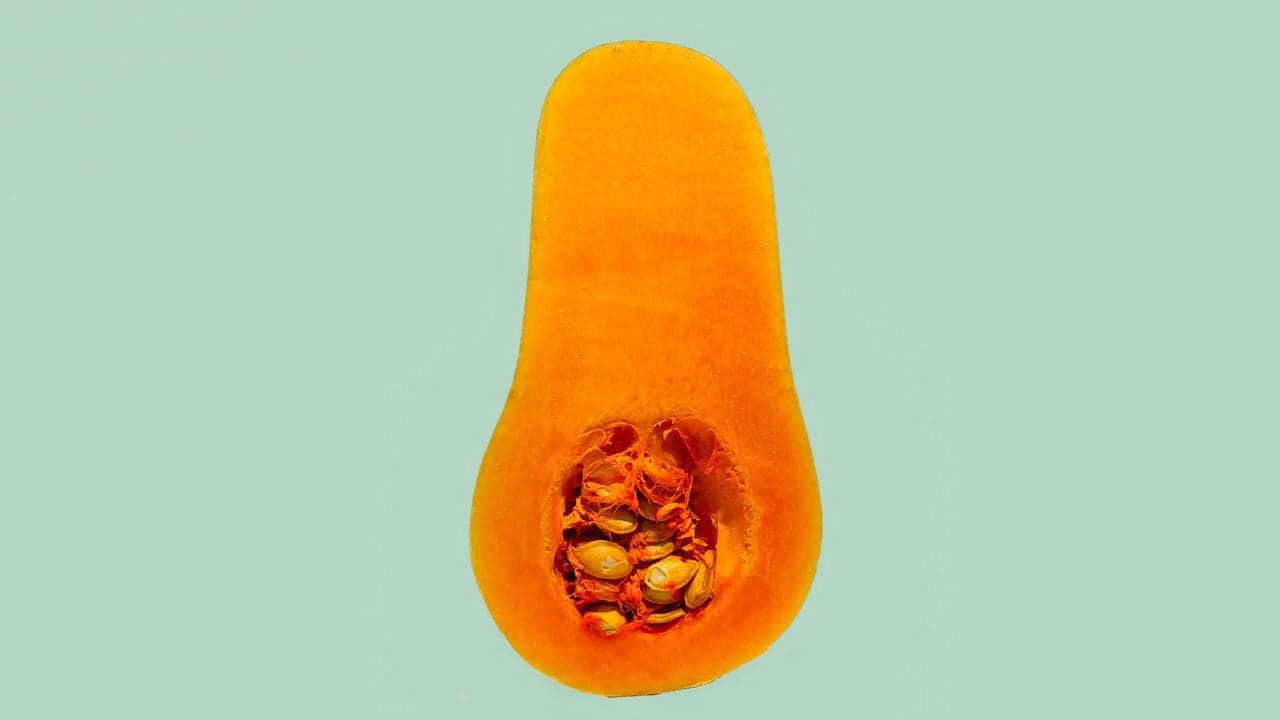
Researchers at King's College London found that discarded skins, seeds, and cores from twelve common fruits and vegetables contain higher fiber concentrations than the flesh itself. The team explored root-to-tip consumption as a dietary innovation to combat both household food waste and nutrient deficiencies. Their laboratory analysis showed that common kitchen refuse represents between 25% and 48% of total produce weight.
Measuring the nutrients left in the bin
British households discard about 10 million tons of food every year, with fresh produce accounting for 36% of that waste. At the same time, national dietary data shows that only 4% of adults in the United Kingdom meet the recommended intake of 30 grams of fiber per day, averaging just 16.4 grams daily. According to reporting from Interesting Engineering, researchers at King's College London tested twelve common items, including butternut squash, broccoli, bell peppers, watermelon, and pineapple, to assess what nutritional value gets thrown away. Rather than seeking a patent for a new processing machine, the team evaluated everyday cooking habits that improve sustainability through culinary innovation without industrial processing.
“Importantly, this is not about encouraging people to eat ‘100g of butternut squash skin and seeds’ to increase fiber intake.”
- Bajka, King's College London researcher
Five times more fiber in pineapple skins
Laboratory tests showed that seeds, stalks, rinds, and skins consistently held far more fiber than the flesh. Pineapple skin and core contained 453.7% more fiber than the interior fruit, meaning a diner would need to eat five portions of fruit flesh to get the same amount. Watermelon rind delivered 2.10 grams of fiber per 100 grams, roughly matching a standard slice of wholemeal bread. In butternut squash, the seeds and skin provided 9.25 grams of fiber per 100 grams, covering nearly a third of the daily target. Bajka noted that the goal is to fold discarded edible parts into regular recipes, not to urge people to chew through raw rinds. To test the idea in practice, King's College London ran trials with a root-to-tip menu.
Managing pesticide risks before wider adoption
Dietary fiber aids digestion and lowers risks of type 2 diabetes and cardiovascular disease, but the authors raised safety questions. Eating outer peels increases exposure to pesticide residues, heavy metals, and natural plant toxins that must stay within safe limits. The initial project looked at only twelve produce varieties. Clinical trials are still needed to measure the real health effects on human diets. Gibson explained that the work aims to help cooks find value in neglected food scraps without forcing anyone into unpalatable meals.
Read also on The Patent: LiDAR Mapping Guides Riverbank Tree Planting to Protect Salmon Rivers · Solar and Soil Biobattery System Produces Urea Directly in the Field