Heart risk rises with air pollution and concrete, even below EU limits
A pooled study of 29 million people in 11 European countries ties ischemic heart disease to three residential exposures measured together
By Letizia Giugliano
3 min read
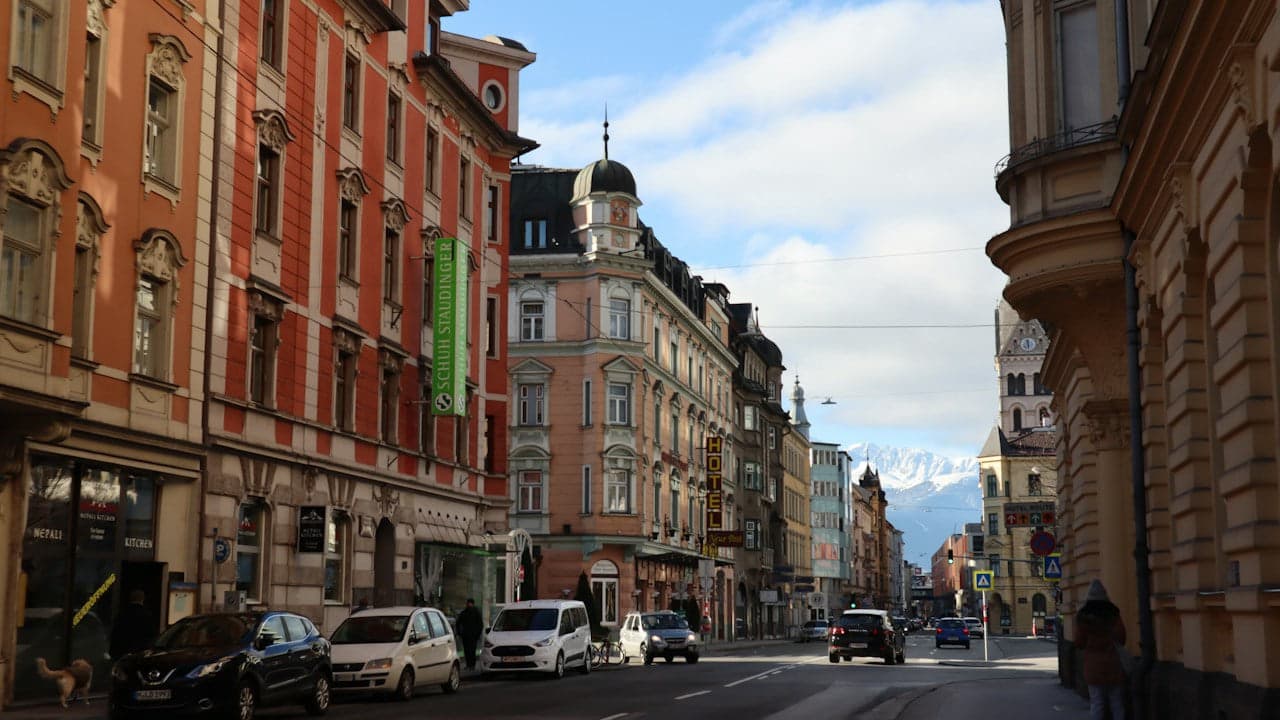
Long-term exposure to air pollution, scarce green space around the home and a high share of asphalt and buildings are jointly associated with more cases of ischemic heart disease, in which reduced blood supply leaves the heart muscle short of oxygen. The finding comes from a European analysis of more than 29 million participants in 14 cohorts across 11 countries, published in The Lancet Regional Health - Europe by authors including researchers at the Institute of Environmental Medicine at Karolinska Institutet in Stockholm. About 464,000 participants developed the disease during follow-up.
Fourteen cohorts, 29 million people, three exposures
Researchers at the Institute of Environmental Medicine at Karolinska Institutet joined a European team that pooled 14 cohort studies from 11 countries, among them parts of Eastern Europe that have rarely been studied. The analysis covered more than 29 million participants.
The results appear in The Lancet Regional Health - Europe (DOI: 10.1016/j.lanepe.2026.101929), with Huyen Nguyen Thi Khanh as first and corresponding author and Jeroen de Bont and Petter Ljungman as shared last authors. The work was reported by MedicalXpress on 19 November 2026.
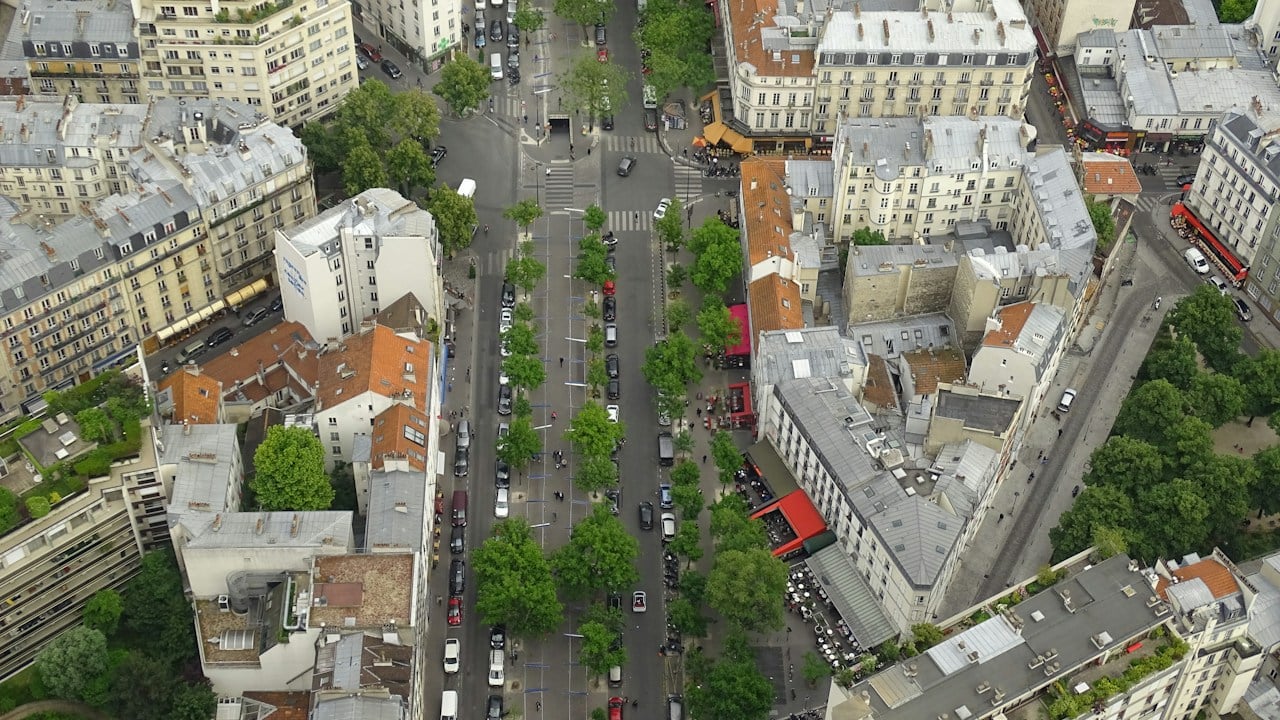 Photo: Khushi Gandhi / Unsplash
“Our findings support continued efforts to reduce air pollution in line with the EU's zero-pollution ambition”
— Petter Ljungman, Institute of Environmental Medicine, Karolinska Institutet
What the team measured at each address
Instead of testing one hazard at a time, the researchers estimated long-term residential exposure to particulate matter and nitrogen dioxide, access to green space, and the proportion of land covered by buildings, asphalt and other impervious surfaces.
Read also on The Patent: São Paulo's streams lose 190 food-web links, down to three · Birds and bats nearly double cacao yields in diverse Peruvian landscapes
The clearest signals came from the large register-based cohorts, where health and address data are drawn from national records rather than questionnaires. Nguyen described the aim in terms of how hazards arrive together: "What we tried to do here is recognize that we are continuously exposed to multiple potential hazards in our communities."
The signal held in countries already inside the limits
Higher pollution, less greenery and a larger share of impervious surface each tracked with more cases of ischemic heart disease. The associations appeared in Sweden and Estonia, where air pollution sat within EU limits, and in places where half of residents had green space nearby, the share the WHO recommends.
The paper offers a physiological reading. Air pollution can promote inflammation and raise blood pressure, green space supports physical activity and recovery from stress, and concrete intensifies urban heat, which strains the heart. Diet and smoking remain risk factors; the study adds the surroundings to that list.
An exposure model, not a patent
Because the design is observational, the authors write of associations and say the three factors may jointly contribute to risk. They do not show that fixing one of them alone would lower disease rates.
On the intellectual-property side, the paper describes no patent, prototype or commercial device. Its contribution is a method: a way of modelling several exposures at once, published with a DOI, that other research groups can reuse. What to watch is how the results feed into planning rules, as the EU's zero-pollution ambition and WHO guidance on green space meet city-level decisions on innovation in urban design and sustainability targets.
AI-assisted article