Meta rethinks its 2030 net-zero goal as AI emissions jump
The company’s 2026 sustainability report ties the review to demand for artificial intelligence infrastructure and records a nearly 40 percent rise in emissions between 2024 and 2025.
By Mattia Sapere
3 min read
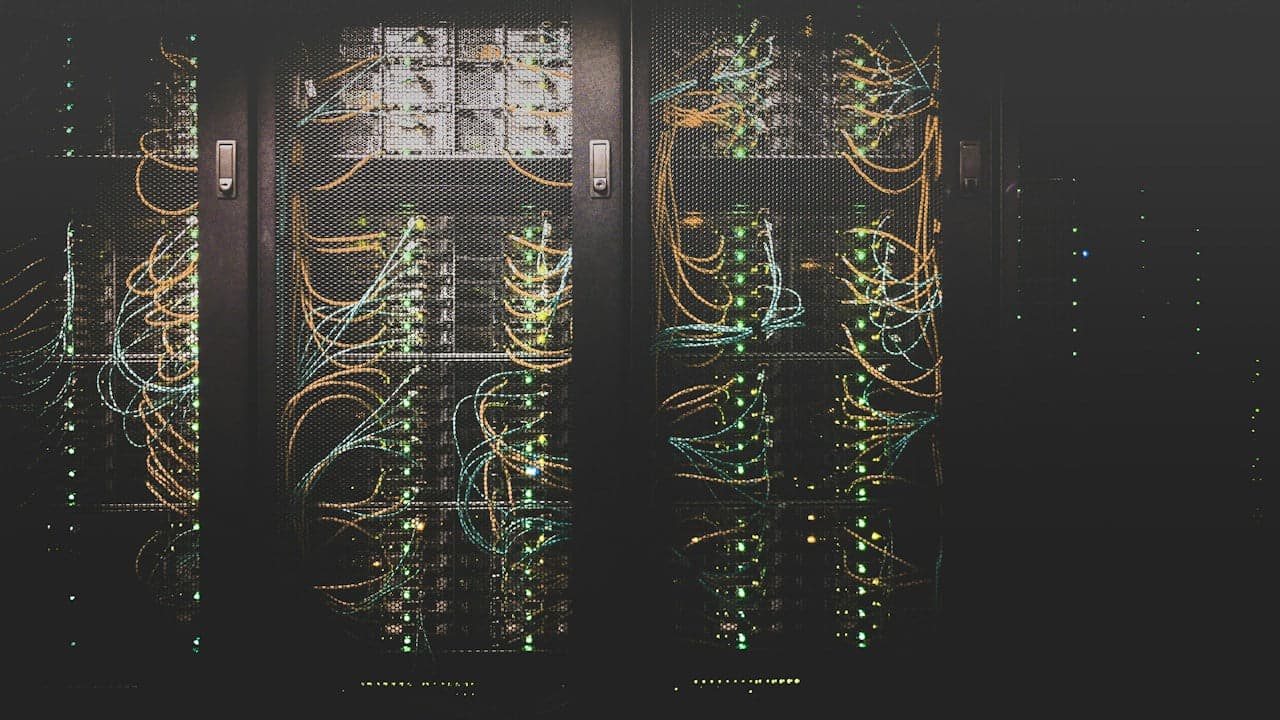
Meta has begun re-evaluating the 2030 deadline for its net-zero emissions goal, the company says in its 2026 sustainability report published on November 19. The report ties the rethink to demand for artificial intelligence infrastructure and to an operating environment that changed faster than the company expected. Meta says its long-term ambitions have not changed.
A 2030 target now under review
The report’s introduction is signed by Rachel Peterson, Meta’s vice president of data centers, and Blair Swedeen, its global head of net zero and sustainability. They write that “our long-term ambitions haven’t changed, but our operating environment has,” and attribute the shift to demand for AI infrastructure that “has grown faster than almost anyone projected.” The pair say Meta is re-evaluating its timelines, sequencing and interim milestones, including the 2030 timeframe for the net zero goal and near-term intensity targets. By contrast, Amazon, Google and Microsoft have so far kept their original sustainability goals.
“our long-term ambitions haven’t changed, but our operating environment has”
— Rachel Peterson and Blair Swedeen, Meta 2026 sustainability report
The emissions curve bends upward
Meta’s total emissions rose from 15.6 million metric tonnes of CO2 equivalent in 2024 to more than 21.7 million metric tonnes in 2025. That is an increase of nearly 40 percent, the highest percentage year-on-year rise reported by any of the four major US tech giants. The company puts much of the increase down to capital goods such as data center servers. Meta’s footprint at that level is roughly comparable to Idaho’s total emissions, and higher than the totals of Hawaii, Maine, South Dakota and New Hampshire. After accounting for renewable energy projects and carbon removal, Meta still reported net emissions rising from more than 8.1 million metric tonnes to more than 11.8 million, a 45 percent increase.
Water use falls at facilities, rises upstream
Meta cut direct facility water consumption from 825 million gallons in 2024 to 790 million gallons in 2025. Water drawn in areas with water stress rose from 198 million gallons to 246 million gallons over the same period. The bigger change came from purchased electricity: water consumption linked to power generation rose from 19 billion gallons to more than 26 billion gallons. That gap matters because the power plants supplying data centers use more water than the facilities themselves, the report shows.
The patent trail is not in this report
No patent or patent application appears in Meta’s account of the emissions increase. The assets it names are capital goods, including data center servers, and the electricity and water needed to run them. That leaves the intellectual property side of AI infrastructure outside the report’s scope: the document describes a buildout, not a newly protected invention. For readers tracking patent filings in cooling, power or servers, the report offers a demand signal rather than a filing to examine.
What to watch after the 2030 rethink
Meta’s report does not give a new deadline. It says the company will keep progress transparent year over year as it re-evaluates the milestones, including the 2030 timeframe and near-term intensity targets. Its water figures will also be worth following: the report tracks water used to generate purchased electricity, a number that rose sharply in 2025.
Read also on The Patent: São Paulo's streams lose 190 food-web links, down to three · Coffee grounds give up their oil in 60 minutes, Spanish chemists report
AI-assisted article