Egyptian Ape Fossil Shifts the Geographic Roots of Modern Primate Evolution
Excavations at Wadi Moghra reveal an 18-million-year-old jaw that links living apes to North Africa rather than East Africa.
By Giovanni Sapere
3 min readHuman-Edited, AI-Assisted
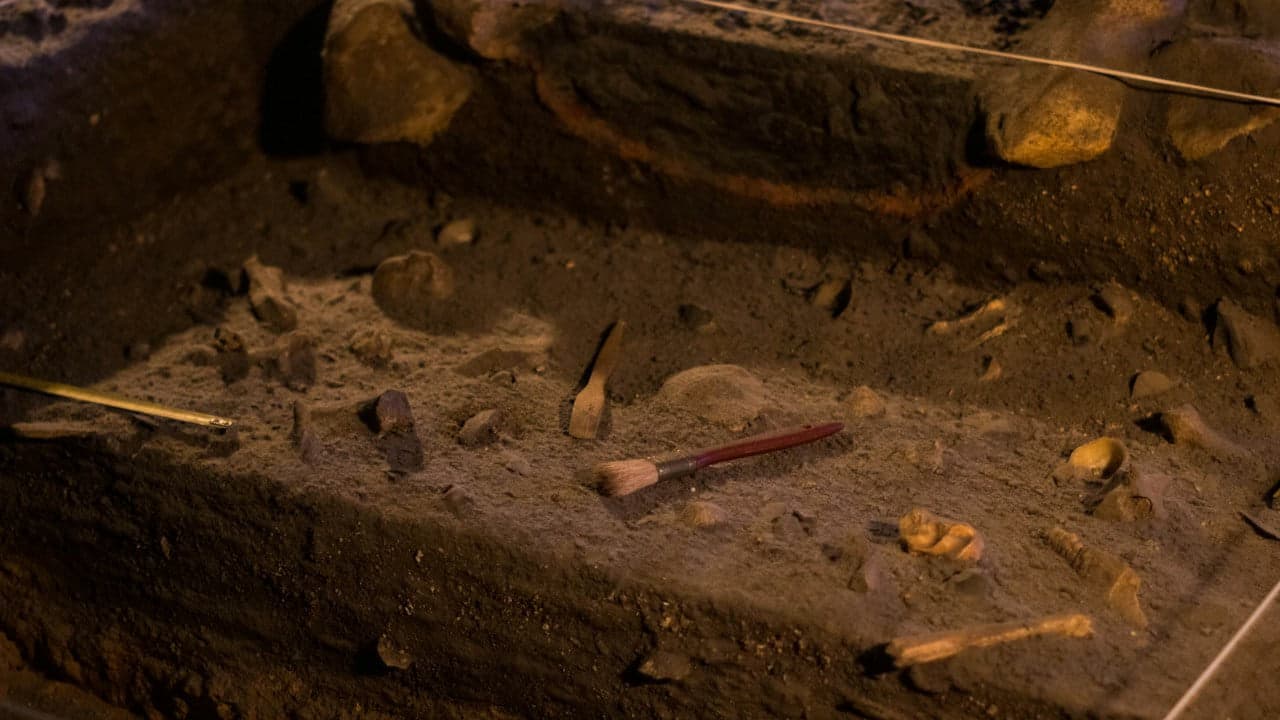
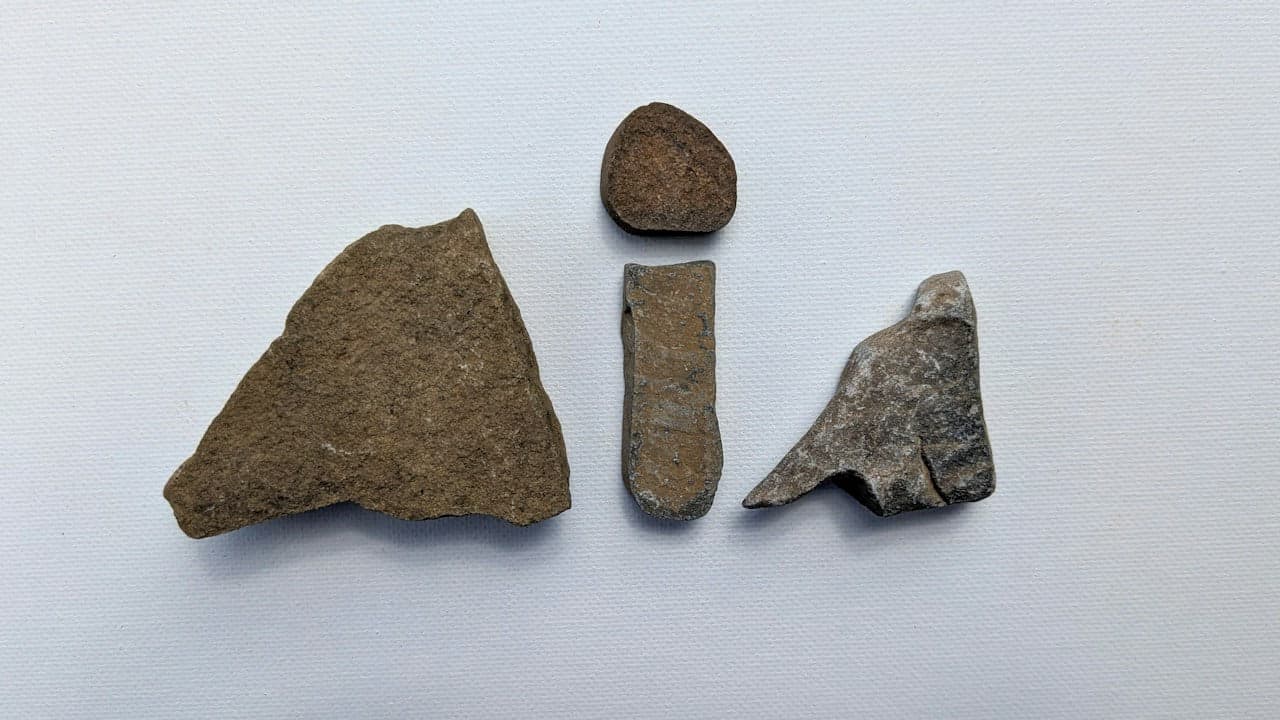
Researchers from Egypt and the United States have identified a new species of ancient ape from lower jaw fossils recovered at Wadi Moghra in northern Egypt. The specimens, dated to between 17 and 18 million years ago, represent the first definitive fossil ape discovered in North Africa. Published on March 26, 2026, in Science, the discovery indicates that the ancestors of modern apes and humans may have emerged along North Africa and the Middle East instead of East Africa.
Lower jaw uncovered at Wadi Moghra
Field expeditions carried out in 2023 and 2024 by the Sallam Lab in northern Egypt yielded the lower jaw of a previously unknown primate, named Masripithecus moghraensis. As reported by ScienceDaily, the genus name joins the Arabic name for Egypt, Masr, with the Greek word for ape, while the species designation refers to the fossil site at Wadi Moghra. The collaboration brought together researchers from the Mansoura University Vertebrate Paleontology Center in Egypt and the University of Southern California in the United States. While natural evolutionary discoveries cannot be claimed under a patent or registered as commercial intellectual property, the methodological innovation lies in how the team examined the specimen to resolve long-standing gaps in the primate fossil record.
“We spent five years searching for this kind of fossil because, when we look closely at the early ape family tree, it becomes clear that something is missing -- and North Africa holds that missing piece”
— Hesham Sallam, paleontologist at Mansoura University
Chewing anatomy adapted to seasonal shifts
The recovered jaw material features specific dental characteristics that set the animal apart from other known primates of the Early Miocene, an epoch that lasted from about 17 to 18 million years ago. The jaw structure is unusually sturdy, bearing large canine and premolar teeth alongside molars with textured, rounded chewing surfaces. These physical markers indicate that the primate fed mostly on soft fruit but could crush harder vegetation when availability shifted across seasons, according to ScienceDaily. Lead researcher Shorouq Al-Ashqar of the Mansoura University Vertebrate Paleontology Center noted that this flexibility helped the species survive climatic variations across North Africa and Arabia.
Statistical modeling reshapes the hominoid tree
To evaluate how the Egyptian find connects to living primates, the research team applied Bayesian methods to integrate morphological traits, living primate genetic data, and precise geological ages. The results show that Masripithecus moghraensis shares a closer relationship to surviving apes than any known Early Miocene ape uncovered in East Africa. Senior study author Hesham Sallam from Mansoura University explained to ScienceDaily that searching North Africa addressed a missing branch in the lineage of crown Hominoidea, the biological group comprising humans, chimpanzees, gorillas, orangutans, and gibbons.
What the North African fossil record shows next
For decades, field excavations in North Africa had yielded Early Miocene monkey fossils without turning up definitive apes, focusing most evolutionary models on eastern African basins. The study, formally issued on March 26, 2026, places North Africa and the Middle East at the center of early hominoid diversification. Future field seasons by the Mansoura team at Wadi Moghra aim to search for cranial and postcranial elements to verify the ape's full body structure and posture.
Read also on The Patent: Jurassic Bird Fossil in China Reveals Earliest Evidence of Flight Loss · How a Myosin Gene Dictates Left or Right Coiling in Japanese Snail Shells