archaeology

Archeology

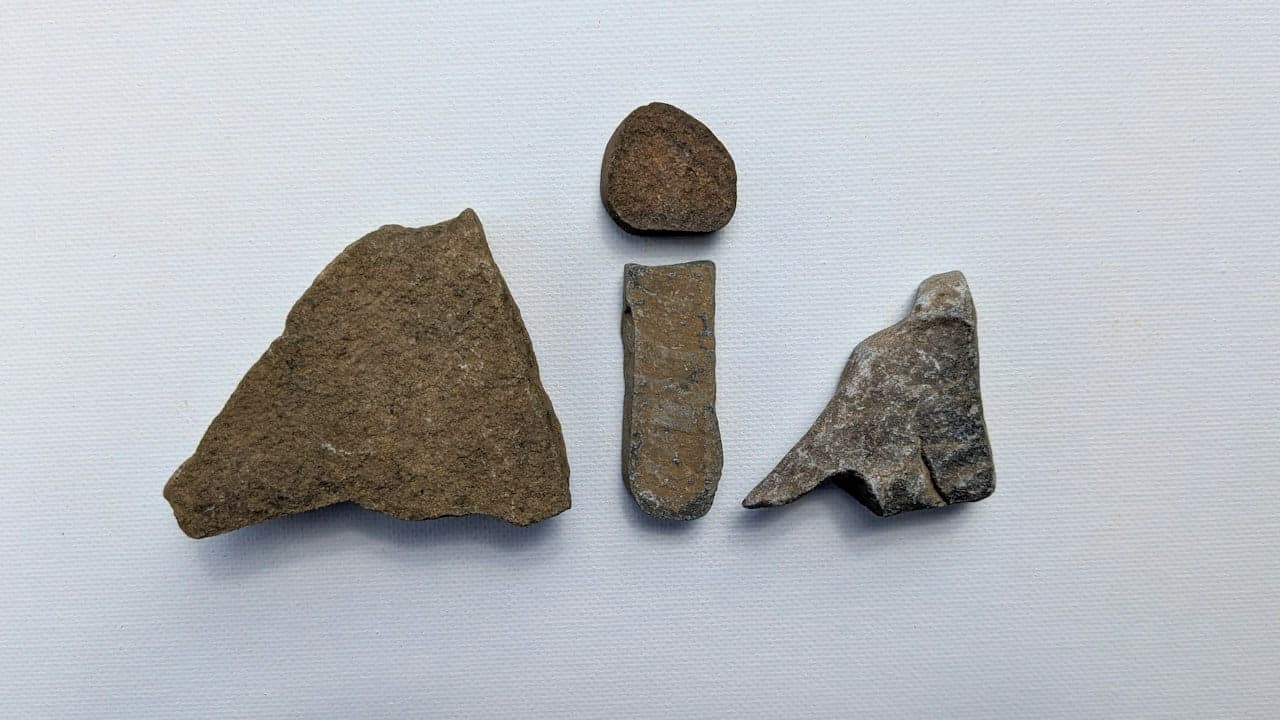
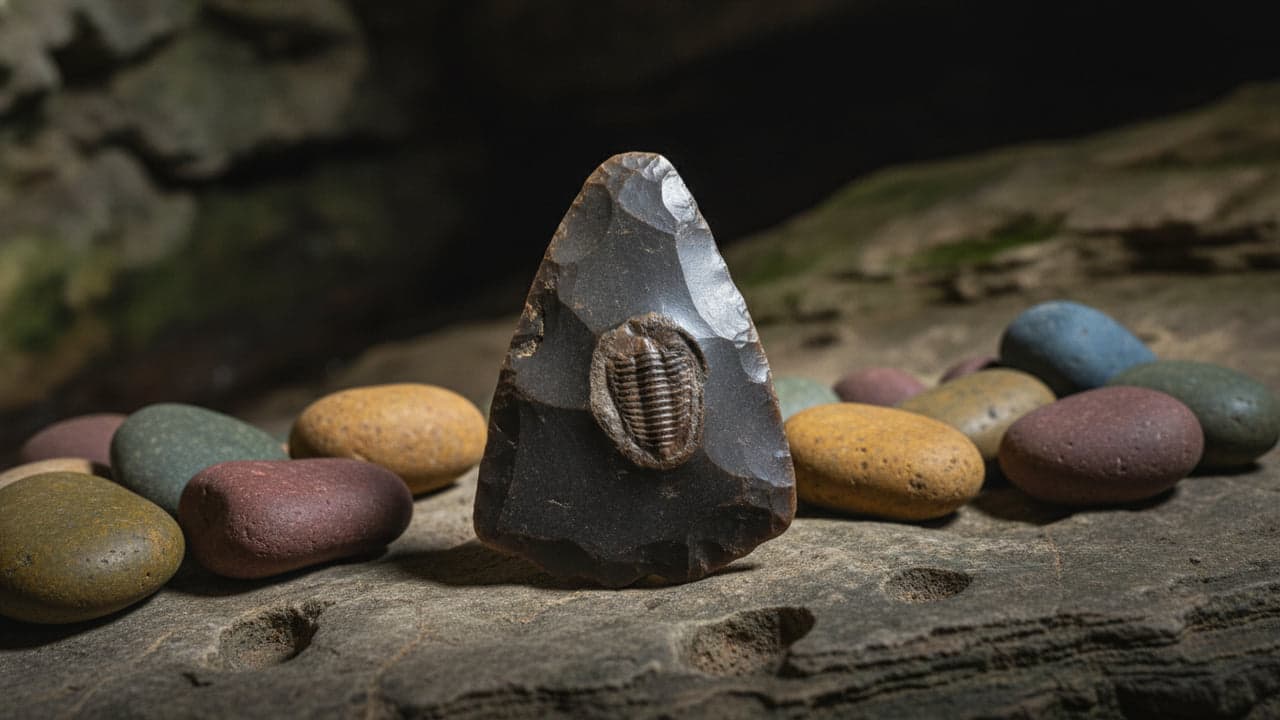
Early Humans Collected Keepsakes 500,000 Years Ago

Early humans began collecting objects with no practical function roughly 500,000 years ago, turning them into personal souvenirs. Researchers at Tel Aviv University argue that these ancient keepsakes acted as external memory aids, driving the biological development of human autobiographical memory.

Archeology

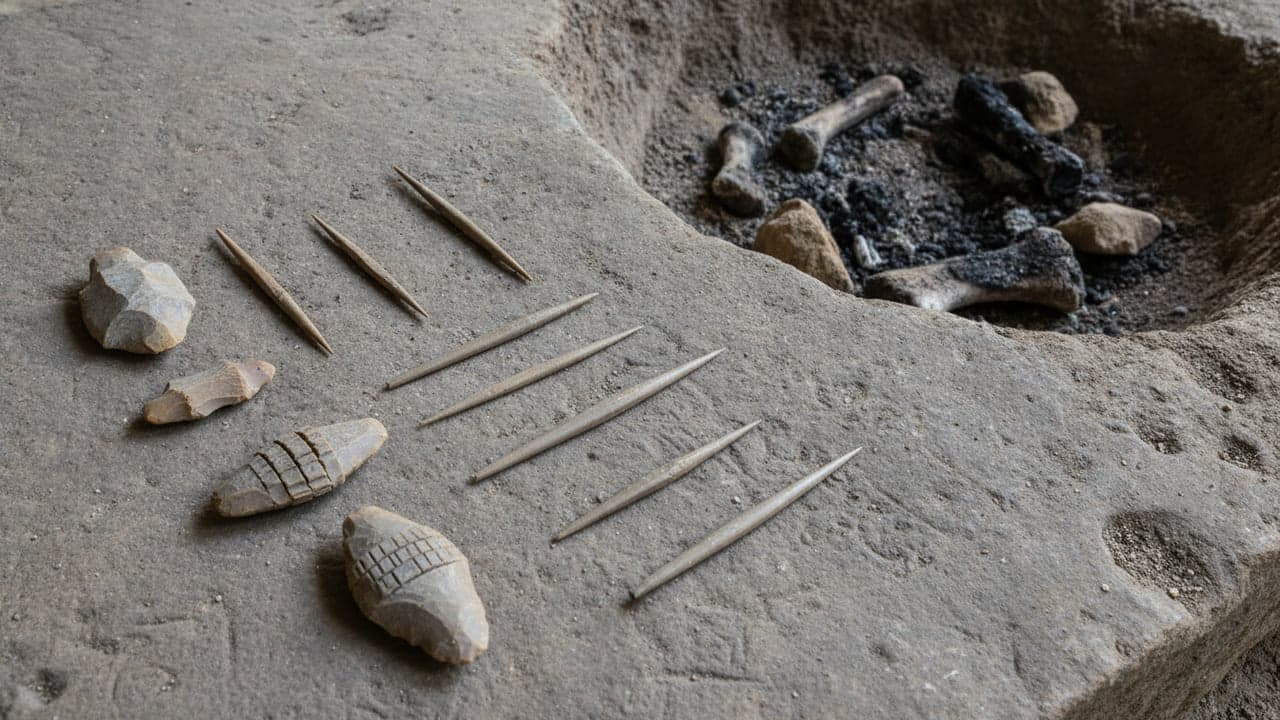
Stone tools at Riparo Mochi push back Ice Age migration into Italy

A prehistoric hearth at the Riparo Mochi rock shelter on the Franco-Italian border reveals that Upper Paleolithic hunter-gatherers entered Italy roughly 2,000 years earlier than previously recorded. Radiocarbon testing of an embedded marine shell places the occupation between 30,000 and 30,800 years ago. The discovery, detailed by [Phys.org](https://phys.org/news/2026-11-ice-age-reveals-hunter-italy.html), shows how an advanced lithic invention reshaped early European movements during a sudden climate freeze.

Archeology

Ancient Siberian Tomb Reveals 2,800-Year-Old Evidence of Psychoactive Cannabis Use

Archaeologists working in southern Siberia have identified the oldest directly dated physical evidence of psychoactive cannabis consumption, dating to the early eighth century B.C. The discovery, stemming from analytical innovation applied to preserved organic materials, connects nearly 1,000 seeds with chemical traces found directly in human hair from a royal burial mound.

Archeology

DNA in Fifth-Century German Boat Burial Uncovers Ancient Mediterranean Leprosy

Molecular analysis of a fifth-century boat grave at Fallward in northern Germany has uncovered a rare bacterial strain carrying ancient Mediterranean leprosy. Researchers at [Kiel University](https://phys.org/news/2026-11-boat-burial-reveals-leprosy-strain.html) and regional heritage institutes extracted DNA from frozen skeletal remains, tracking both the pathogen and the traveler back toward southeastern Europe. The work sheds light on population mobility and microbial spread during the violent migrations of Late Antiquity.

Archeology

Spear Wound in Shanidar Cave Points to Oldest Wooden Weapon Attack

A 75,000-year-old Neanderthal skeleton discovered in Iraqi Kurdistan carries what may be the oldest fossil evidence of fatal violence inflicted by a wooden spear. Excavated beneath almost eight metres of rock and sediment, the left shoulder blade of the individual known as Shanidar A preserves a clean circular puncture directed through the chest. The finding, reported in Scientific Reports, suggests that early hominins used pointed wooden projectiles not only for hunting large game but also in deadly interpersonal conflict.

Giovanni Sapere

Archeology

UV Scans Reveal Calcite Varnish Protecting Chauvet Cave Art

A custom optical innovation tested inside Chauvet Cave in southeastern France has identified the natural mineral shield preserving some of humanity's oldest surviving artworks. Chemist Philippe Walter and a research team mapped thin layers of calcite that coated charcoal drawings after Paleolithic artists worked on the limestone walls about 37,000 years ago.

Letizia Giugliano

Archeology

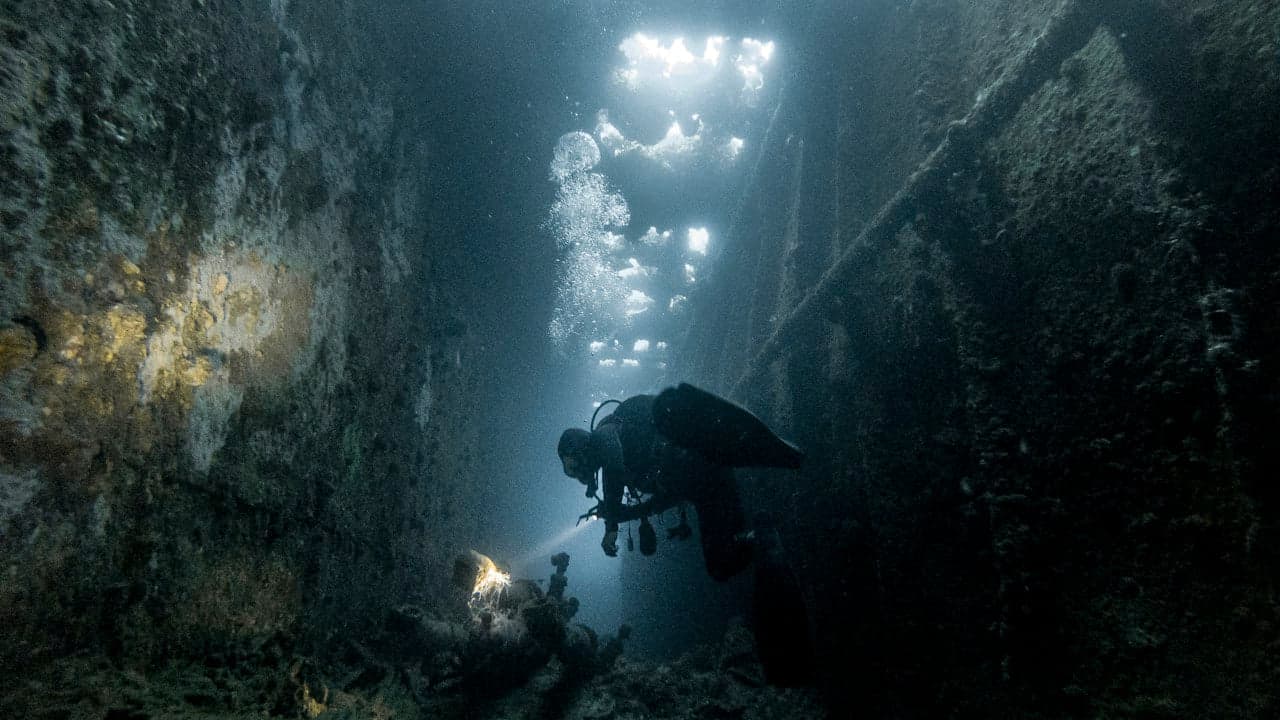
World's Oldest Shipwreck Found off Turkish Coast Dates to 2700 BC

Archaeologists working off the southern coast of Turkey have identified what they believe to be the world's oldest known shipwreck, dated to between 2700 and 2400 B.C. Discovered near Kekova, the submerged site preserves ancient ceramic cargo that reveals early maritime trade routes operating during the Early Bronze Age.

Giovanni Sapere

Archeology

Archaic man meets Homo Sapiens in Asia. Here is the proof

The analysis carried out on a human fossil of a tooth about 160,000 years ago in the laboratory of the University of New York is the queen proof of the cross between the archaic man and his evolution in Asia. Published in the American magazine Eureka Alert, the photo shows how the archaic man met

Giovanni Sapere