Science

Science

European XFEL Focuses Hard X-Ray Pulses to 180 Nanometres

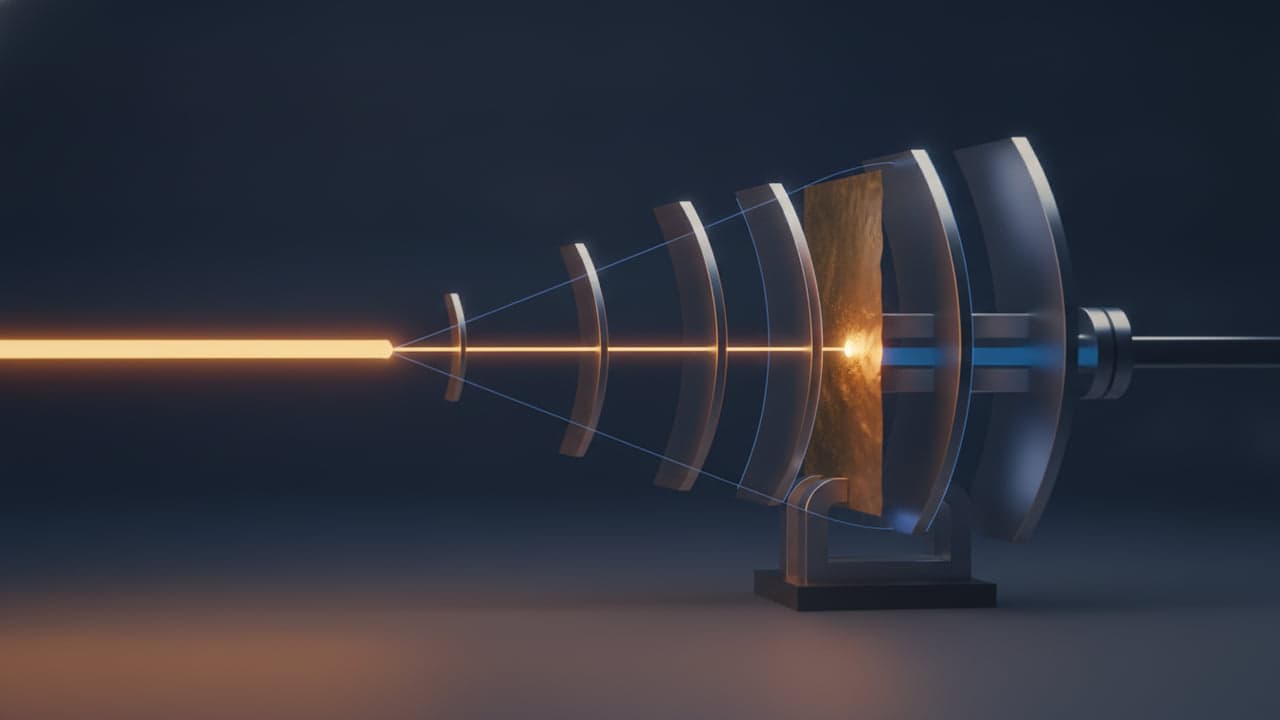
Physicists at the European XFEL research facility have squeezed hard X-ray flashes lasting just 300 attoseconds into a spot measuring 180 by 330 nanometres. The optical innovation, reported in the journal Optica, delivers power densities exceeding 10²⁰ watts per square centimetre to track electron dynamics during chemical reactions.
Medicine

Chemogenetic Gene Therapy Dampens Brain Cell Activity to Control Epilepsy

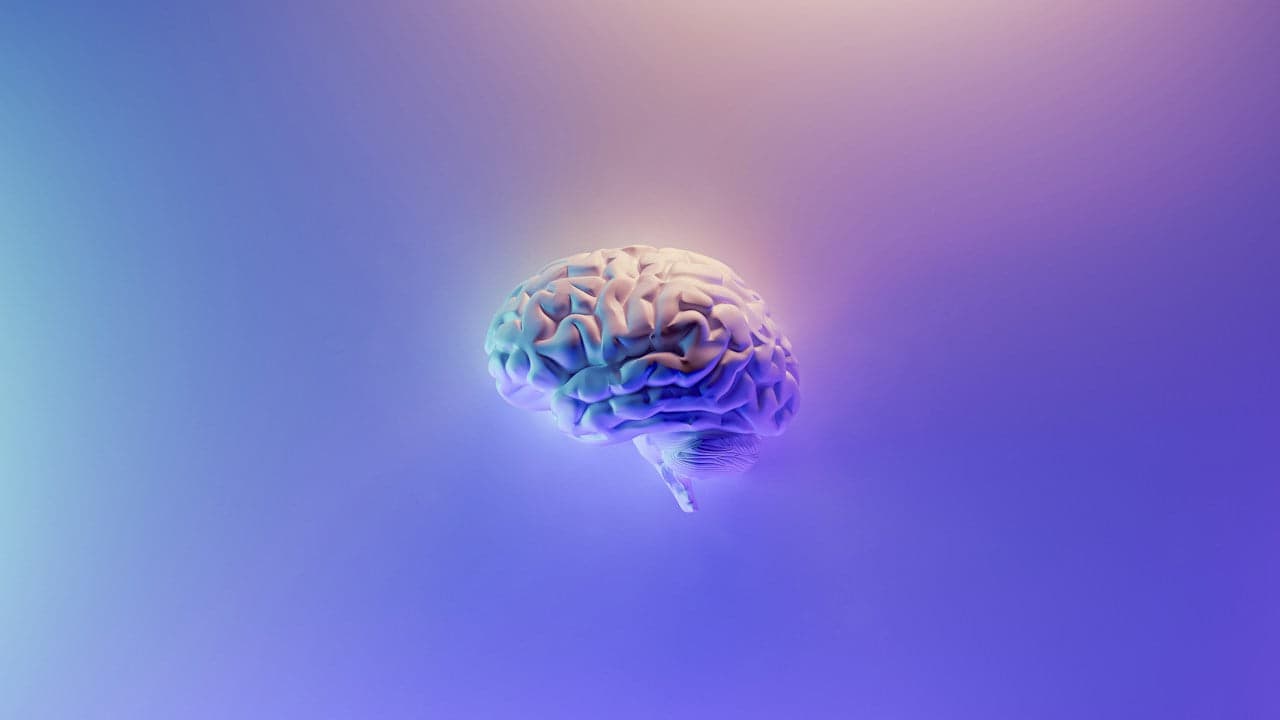
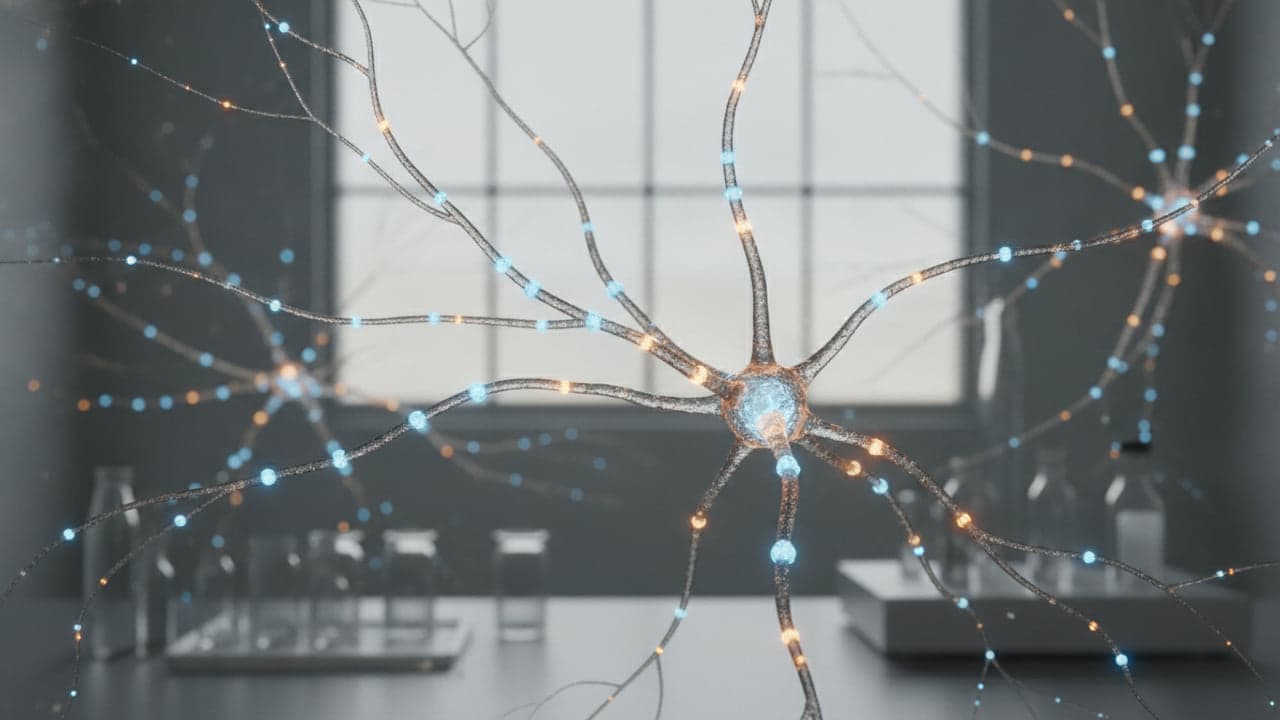
A research team in China has treated three epilepsy patients with a novel gene therapy that allows a drug to dampen brain cell activity. The trial represents the first reported clinical use of a chemogenetic approach to reduce seizures. The study demonstrates how combining genetic modification with targeted pharmaceutical control can suppress abnormal neural firing.

Biology

Cryo-EM Reveals How TACO1 Keeps Mitochondrial Protein Synthesis Moving

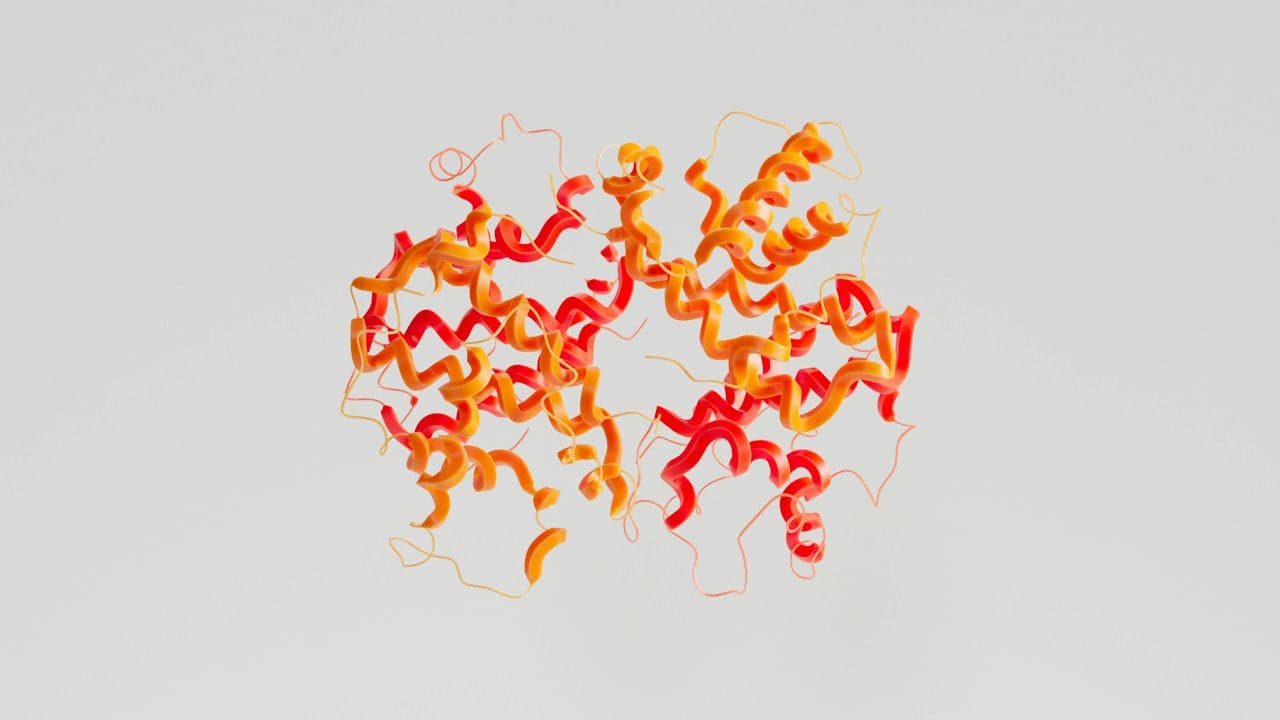
Biochemists at Karolinska Institutet have uncovered how a regulatory protein called TACO1 prevents cellular power plants from stalling during protein synthesis. The study, published in Nature Communications, reveals the molecular mechanics that keep mitochondrial ribosomes moving through difficult sequences of amino acids, offering critical insight into rare metabolic disorders.

Chemistry

ETH Zurich Chemists Turn Waste Polyolefins into Industrial Adhesives

Chemists at ETH Zurich have engineered a single-step photochemical process that converts discarded plastic bags and bottles into high-strength adhesives. The method tackles polyolefins, which represent about half of the 450 million metric tons of plastic produced each year, bypassing the degraded material quality typical of standard mechanical recycling.

Science

Physicists Map Particle Motion in Primordial Quark-Gluon Plasma

Physicists at MIT and the University of California, Santa Barbara, have formulated a theory predicting how relativistic particles travel through quark-gluon plasma, the dense fluid that filled the universe microseconds after the Big Bang. The theoretical innovation resolves a century-old limitation in classical physics by calculating the momentum changes of particles moving near light speed.

Archeology

Dinosaur Blood Molecules Identified in 115-Million-Year-Old Fossil

Geochemists at Curtin University have detected chemically confirmed traces of blood inside the 115-million-year-old limb bones of a theropod dinosaur found in northeastern Brazil. Published in the Proceedings of the National Academy of Sciences, the research confirms the survival of hemoglobin-derived heme molecules and collagen amino acids sealed within fossilized vascular canals. The finding provides direct chemical evidence that delicate biological structures can withstand tens of millions of years under specific geological conditions.

Medicine

Hybrid Light Technique Tracks Deep Blood Flow Inside Living Tissue

Optical sensors placed against human skin often struggle to separate superficial blood flow from circulation inside deeper organs. To overcome this limitation, researchers at the International Centre for Translational Eye Research have developed a hybrid near-infrared optical system that isolates signals from deeper tissue layers. The medical device innovation, tested on human volunteers, provides a non-invasive way to track blood dynamics without surgical intervention.

Medicine

Off-the-shelf CAR natural killer cells enter lymphoma trial in South Africa

Clinical researchers in Johannesburg are evaluating donor-derived natural killer cells engineered to treat resistant B-cell non-Hodgkin lymphoma. The phase 1 study, named QUILT-106, tests whether cell lines grown in a laboratory can bypass the complex manufacturing required for individualized autologous therapies. This medical innovation could broaden access to cellular immunotherapies across regions where conventional personalized treatments remain difficult to deliver.

Biology

Gene Editing Produces First G0 Population of Pacific Abalones

Marine biologists at the Institute of Oceanology of the Chinese Academy of Sciences have produced a founder generation of roughly 100 genome-edited Pacific abalones. The biological innovation establishes a complete rearing workflow that keeps mutated larvae alive through metamorphosis into juvenile shellfish.

Biology

Nasal Microbiome Fuels Staphylococcus aureus Growth Through Amino Acid Sharing

Microbiologist Simon Heilbronner and his team at Ludwig Maximilian University of Munich have uncovered how neighbouring nasal bacteria can directly feed the opportunistic pathogen Staphylococcus aureus. The study, published in the journal Microbiome, highlights an important biological innovation in understanding nasal colonization and designing targeted microbial communities to displace harmful microbes.

Archeology

3D Scans of Neanderthal Heels Reveal Flat Feet Built for Heavy Loads

Seven fossilized Neanderthal heels scanned in three dimensions showed that the ancient hominids had flat feet adapted to balance heavy loads across rough terrain. A team led by the University of Bologna compared the specimens against 64 Homo sapiens skeletons, publishing the discovery in the Journal of Human Evolution on November 4, 2026. The morphological contrast reveals how daily activity and footwear reshape the human skeleton over generations.

Medicine

Off-Patent Therapy Restores Brain Connectivity in Multiple Sclerosis

Administering an off-patent compound alongside standard care improves functional brain connectivity in people with multiple sclerosis. Investigators at Thomas Jefferson University reported the clinical imaging results in IBRO Neuroscience Reports, identifying a treatment route that addresses nerve cell damage. The therapeutic protocol relies on replenishing depleted antioxidant defenses within the central nervous system.

Archeology

DNA in Fifth-Century German Boat Burial Uncovers Ancient Mediterranean Leprosy

Molecular analysis of a fifth-century boat grave at Fallward in northern Germany has uncovered a rare bacterial strain carrying ancient Mediterranean leprosy. Researchers at [Kiel University](https://phys.org/news/2026-11-boat-burial-reveals-leprosy-strain.html) and regional heritage institutes extracted DNA from frozen skeletal remains, tracking both the pathogen and the traveler back toward southeastern Europe. The work sheds light on population mobility and microbial spread during the violent migrations of Late Antiquity.

Medicine

Stanford Brain Connectome Map Predicts Alzheimer Risk 12 Years Early

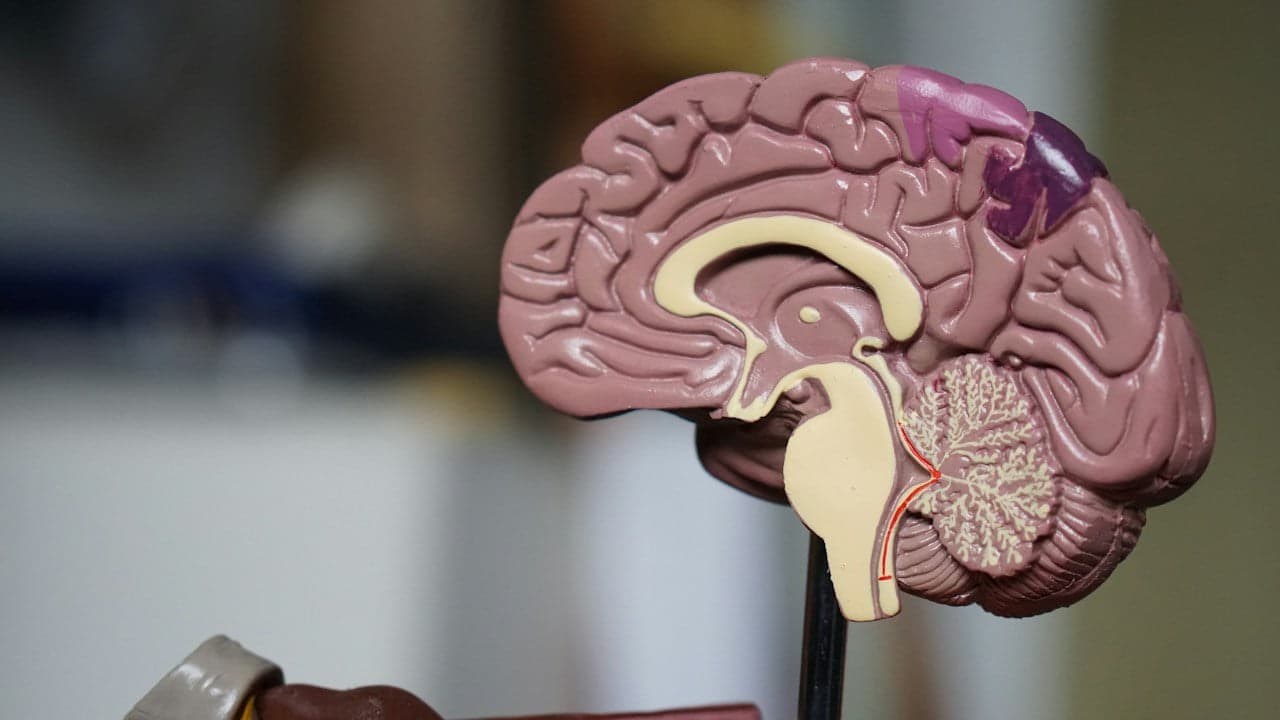
Researchers at Stanford Medicine have developed a brain activity scoring method that can forecast Alzheimer's disease up to 12 years before clinical symptoms emerge. The diagnostic innovation analyzes resting-state functional connectivity across neural networks to measure vulnerability and resilience. Published in Science Advances on Nov. 4, the findings reveal measurable functional shifts long before amyloid plaques or memory problems appear.

Biology

Why ASPM Mutations Strike the Human Brain Harder Than Other Mammals

Genetic mutations linked to microcephaly leave human brains severely underdeveloped while sparing laboratory mice with the same defect. A research team at the VIB-KU Leuven Center for Neuroscience has resolved this evolutionary puzzle by tracking early cellular growth in human tissue models. Their scientific innovation shows that defects in the ASPM gene selectively target the stem cells that allow human brains to expand.

Science

ITER Powers 330 Tonne Superconducting Magnet to 34 Kiloamperes

Engineers at the international fusion project ITER have completed electrical and structural testing on a 330-tonne superconducting magnet, running it up to 34 kiloamperes. The test evaluated how the massive D-shaped component deforms under strong electromagnetic forces before its installation in the reactor. This technical innovation will help confine superhot plasma inside the world's largest experimental fusion chamber.

Chemistry

Activating Enzymes Switches on Cellular Protein Degradation Machinery

A research team has devised a method to activate protein degradation machinery inside living cells, according to reporting published by [C&EN – Chemical & Engineering News](https://cen.acs.org/biological-chemistry/biochemistry/new-approach-switches-protein-degradation/104/web/2026/11?sc=230901_cenrssfeed_eng_latestnewsrss_cen). The biochemical innovation works by stimulating a specific enzyme to trigger the clearance of target proteins.