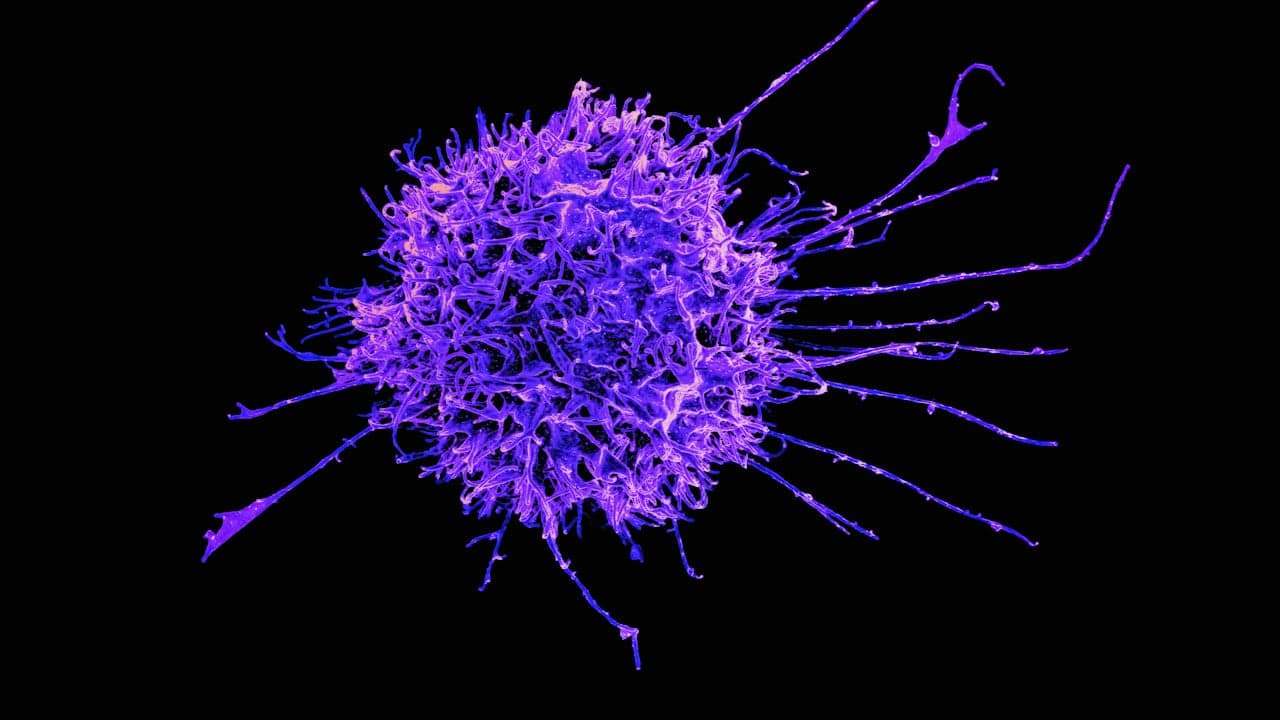
Nanoparticles Releasing Nitric Oxide Clear Skin Infections in Moth Larvae
University of Reading researchers develop nanoparticles that release therapeutic gas to destroy bacteria and boost survival rates to 90 percent.
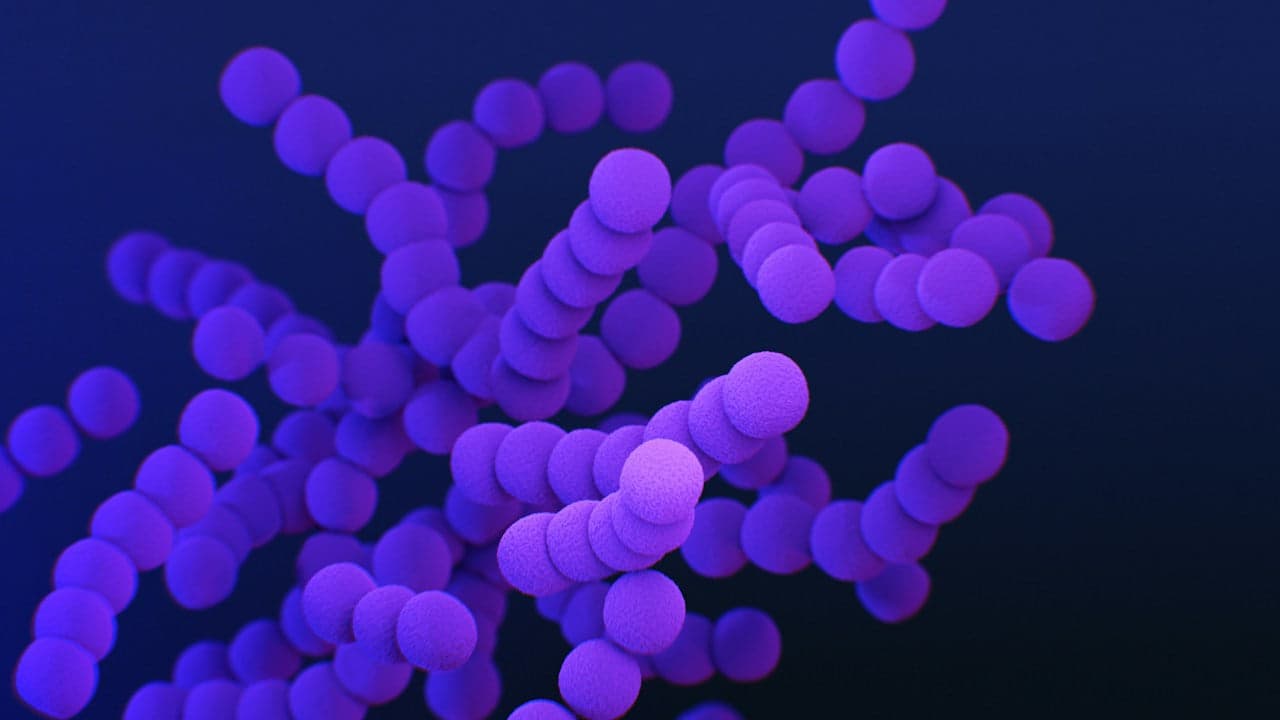
Scientists at the University of Reading and Al-Farabi Kazakh National University have engineered microscopic particles that slowly release nitric oxide to eliminate skin infections. The therapeutic invention, published in November 2026, allowed 90 percent of infected wax moth larvae to survive, compared to 60 percent without treatment. By packaging a gas that the human body makes naturally into a stable carrier, the team aims to overcome antibiotic resistance without relying on traditional drugs.
Delivering unstable gas through organosilica carriers
Bacteria increasingly resist standard pharmaceutical drugs, forcing researchers to seek antimicrobial mechanisms that germs cannot easily evade. According to a study published on November 3, 2026, in the Journal of Drug Delivery Science and Technology, nitric oxide attacks pathogens across multiple fronts simultaneously, preventing bacteria from developing defensive mutations. However, the gas degrades too rapidly in biological environments to serve as a freestanding medicine.
To stabilize the gas, a team led by Vitaliy Khutoryanskiy, a professor of pharmacy at the University of Reading, collaborated with researchers from Al-Farabi Kazakh National University. The scientists synthesized PEGylated S-nitrosothiol organosilica nanoparticles, designing each carrier to be far smaller than a speck of dust. These particles respond to pH conditions, shielding the active compound and releasing nitric oxide gradually over several hours directly at the target site.
“Nitric oxide attacks germs on several fronts at once, so bacteria find it much harder to become resistant. The challenge is to find ways to store it and release it slowly.”
— Vitaliy Khutoryanskiy, Professor of Pharmacy at the University of Reading
Laboratory tests cut bacterial counts by up to 100,000 times
In controlled flask experiments, the slow-release formulation demonstrated immediate antimicrobial activity against bacteria that cause skin infections. Untreated bacterial cultures expanded rapidly, whereas samples treated with the nanoparticle innovation showed a reduction of between 10,000 and 100,000 times fewer viable bacteria after 24 hours, as reported by the University of Reading.
The team verified that sustained gas diffusion penetrates bacterial defenses without requiring harsh chemical additives. By maintaining steady therapeutic levels rather than delivering a single unstable burst, the formulation limits tissue toxicity while maximizing bacterial eradication.
Replacing mammal trials with wax moth larvae
Rather than testing the prototype carrier on rodents, the team evaluated the delivery system using larvae of the wax moth, Galleria mellonella. Each insect weighs approximately 0.25 grams (0.009 ounces), yet its immune system interacts with pathogens and therapeutic compounds in ways remarkably similar to mammalian biology.
Researchers infected the larvae with skin-pathogenic bacteria and administered the nanoparticle injection one hour later. Over a three-day observation window, untreated larvae suffered high mortality, with most deaths occurring during the first 24 hours. By contrast, the nitric oxide particles protected the insects, yielding a survival rate of nine in 10 infected larvae, compared to roughly six in 10 among the control group.
Next steps for non-mammalian screening and wound therapy
The success in insect models supports a broader strategy to refine preclinical screening before moving toward a clinical medical device or topical wound dressing. Khutoryanskiy noted that testing on invertebrates such as insects and worms allows researchers to evaluate safety and efficacy in living organisms while minimizing the need for experiments on mice and rats, according to the study report.
Further laboratory and safety investigations remain necessary before the nanoparticle formulation can enter human trials. If subsequent evaluations confirm its biocompatibility, the delivery system could provide hospitals and wound care clinics with a dependable alternative for persistent, drug-resistant skin infections.
Read also on The Patent: A microscopic Archimedes screw spins between gold tips and boosts conductivity · UT Austin Develops Bio-Inspired Channels to Filter Lithium