Auckland researchers test a voice AI coach for type 2 diabetes
DiNa photographs meals, reads wearable and glucose-monitor data, and speaks with patients between appointments in a comparison trial.
By Giovanni Sapere
3 min readWritten with AI support · Reviewed and approved by: Letizia Giugliano

The University of Auckland is testing an artificial intelligence health coach called DiNa with people who have type 2 diabetes. The system takes meal photos, reads data from phones and glucose monitors, and talks with users by voice between medical visits. Researchers are comparing it with an existing diabetes-management tool in a small clinical trial.
A trial with two arms and one question
DiNa is being developed at the Auckland Bioengineering Institute (ABI) at Waipapa Taumata Rau, University of Auckland, as part of the institute's broader digital twin programme. Dr Gonzalo Maso Talou leads the project, and Ph.D. student Kekayan Nanthakumar is on the team MedicalXpress.
The current study follows 10 participants with type 2 diabetes over three months. Half use DiNa and half use an existing diabetes-management tool, so the team can compare outcomes rather than report a single-arm result. The question is whether personalised, ongoing support helps people maintain healthy habits more effectively MedicalXpress.
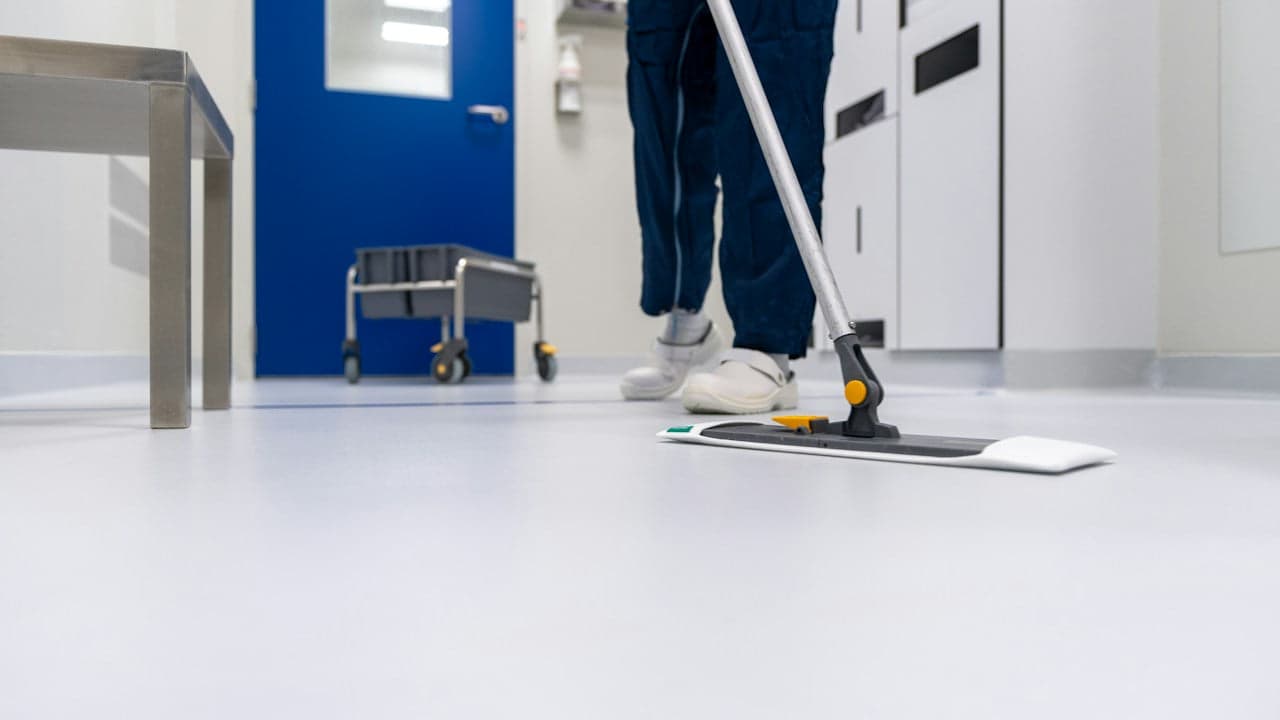
 Photo: Vitaly Gariev / Unsplash
Maso Talou says DiNa is not a cure. The aim, he says, is to increase adherence: "What we're trying to do is increase people's chances of adhering to the treatment plan they've developed with their clinician." The report names no patent filing or granted protection for DiNa; what it documents is the system and its clinical trial MedicalXpress.
“There can be months between appointments. People often have questions or uncertainties during that time.”
— Dr Gonzalo Maso Talou, Auckland Bioengineering Institute
“Many users preferred just talking by voice. It was less demanding and felt more natural.”
— Dr Gonzalo Maso Talou, Auckland Bioengineering Institute
“One of the first things people told us was how much easier it made monitoring.”
— Dr Gonzalo Maso Talou, Auckland Bioengineering Institute
Meal photos and sensors replace the food diary
DiNa draws on meal records, medication tracking, smartphone activity data and continuous glucose monitors (CGMs), sensors that measure glucose under the skin. A user can photograph a meal, and the artificial intelligence identifies foods and estimates calories, carbohydrates, protein and other nutritional values. Voice commands let people correct or add missing details MedicalXpress.
Exercise data comes from phones and wearable devices that users already carry. Medication is a quick manual entry. "It removes a lot of the burden of manually keeping food diaries," Maso Talou says. The innovation is in the recording, which the team wants to make as easy as possible, not in new clinical guidance MedicalXpress.
A voice call, not an avatar, and a hand-back to clinicians
The most distinctive feature is conversation. Users chat or speak with an AI coach through a voice-only interface. Early DiNa prototypes used talking heads on screen, but participants did not necessarily warm to them. Maso Talou says the voice format felt less demanding and more natural than a screen avatar MedicalXpress.
The invention under trial is a conversational coach, not a replacement for clinicians. Its information comes from curated New Zealand diabetes resources developed with clinical partners, and it directs users back to health professionals when clinical advice is needed, Maso Talou says. He points to the gap between appointments and to patients' questions during that time MedicalXpress.
365,000 people in Aotearoa and a digital twin on the horizon
The need is large. Health New Zealand's Virtual Diabetes Register counted more than 365,000 people living with diabetes in Aotearoa in 2025, an increase of more than 40% since 2011. Diabetes disproportionately affects Māori, Pacific and Indian communities MedicalXpress.
Beyond behaviour change, the ABI team is working toward personalised digital twins, computer models that simulate how an individual responds to food, exercise and medication. Early versions can model glucose responses using information about carbohydrates, fats and proteins. Future uses described by the researchers include comparing two meal options for their likely effect on glucose, generating recipes from ingredients at home, and testing how a meal change might affect blood sugar MedicalXpress.
Read also on The Patent: Quantum Hardware Advances Target Error Rates, Diamond Nanopillars and Photon Detection
An article by the newsroom of The Patent ®, written with the support of artificial intelligence from sources chosen by the newsroom. Review, corrections and approval for publication: Letizia Giugliano. Publisher responsible: WitUp Ltd.