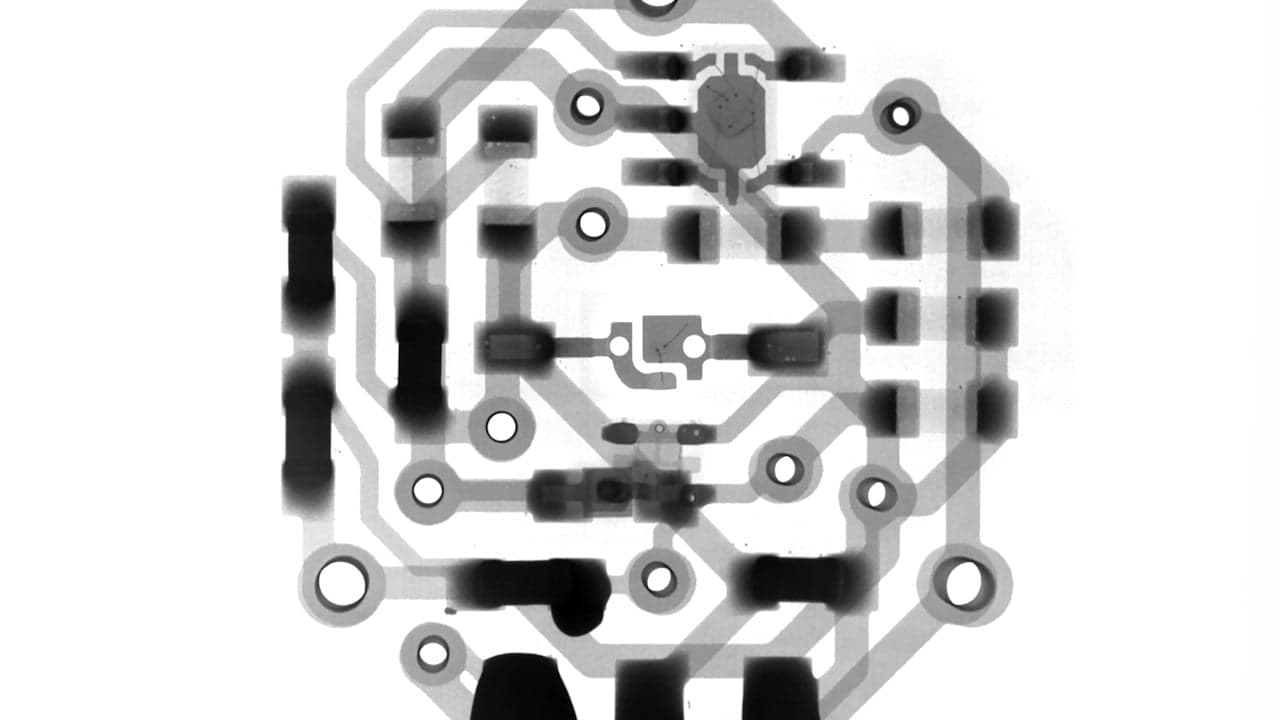
An ESP32 takes the place of the tube in a DIY valve-sound box
The processor pairs a WM8960 audio codec with a microcontroller that lets the user reshape the distortion curve on screen, inside a Tektronix-inspired case.
By Letizia Giugliano
3 min read
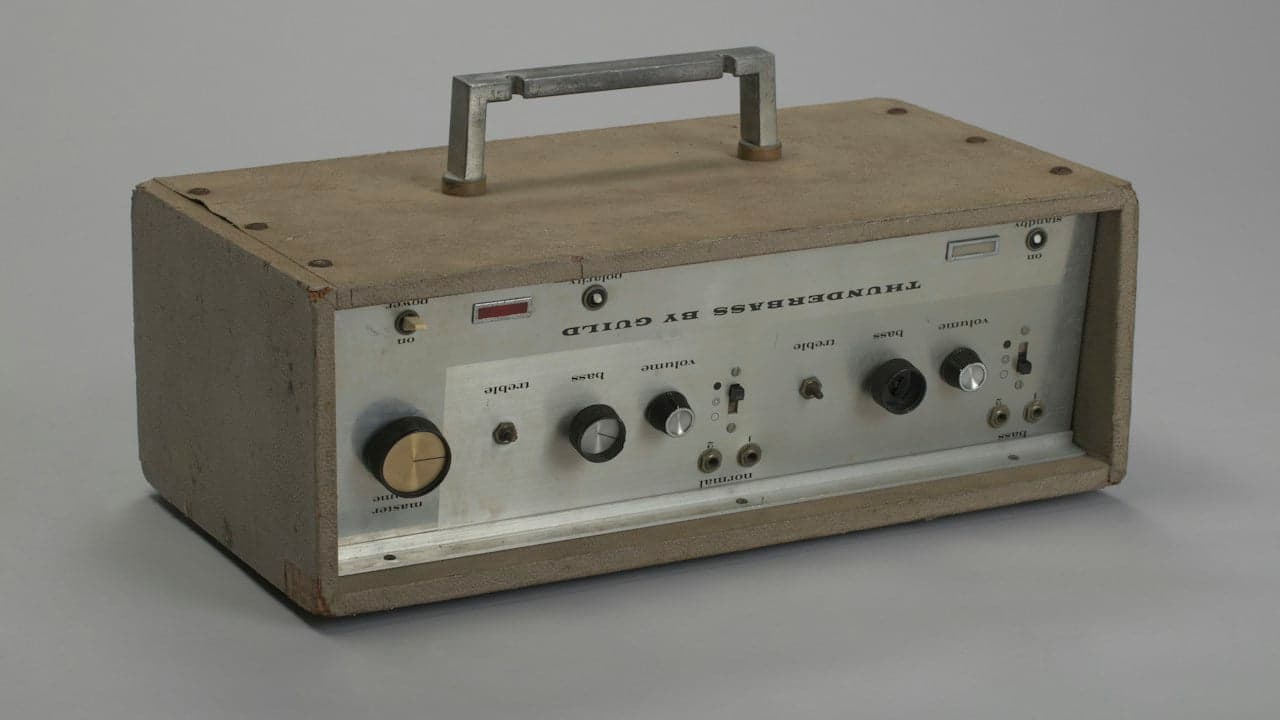
mircemk has built a tube-sound processor with no tubes in it: an ESP32 microcontroller does the tone shaping while a WM8960 codec handles the audio, as Hackaday reported on 14 November 2026. The invention exists because real valves are costly, draw current and are awkward to work with. The source names no patent or patent application for the design, and the code can be inspected by anyone who wants to check the claims made for it.
Two chips and a Tektronix-style case
The build splits the work between two parts. The ESP32 microcontroller runs the signal processing and a WM8960 codec looks after the audio going in and out, according to Hackaday. All of it sits in an enclosure modelled on Tektronix test gear, a shape the source says would look right on a workbench or in a living room.
The reason for building it is practical. Valves are expensive, power hungry and, in Hackaday's phrase, "a general pain in the posterior". Moving the colour into software removes the glass, the heater and the high voltage from the equation.
Read also on The Patent: Columbia Chemists Upgrade stroboSCAT Microscope to Track Single Quantum Particles · Electric comb delivers genetic molecules to reverse hair loss in mice
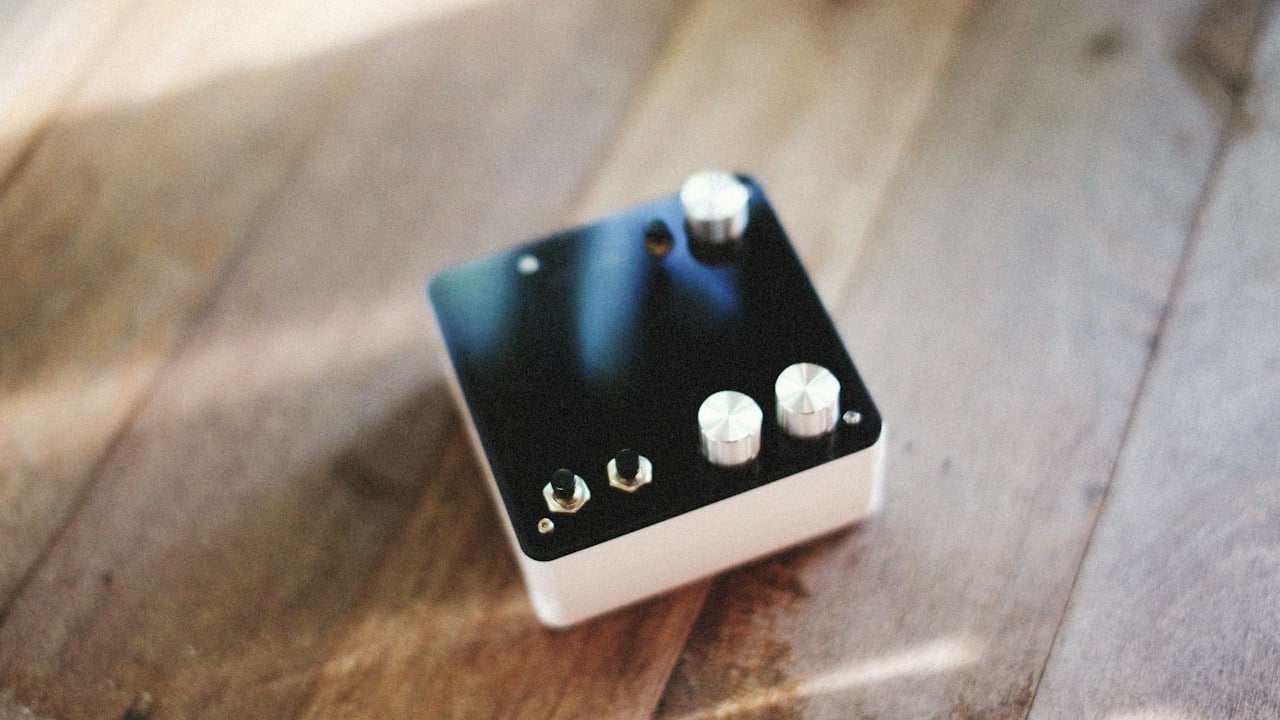 Photo: Alexey Demidov / Unsplash
“Push-pull transistor amplifiers tend to distort the top and bottom end of the signal similarly, while tubes round off the tops more than the bottoms.”
— Hackaday, on mircemk's tube-sound processor
Why a rounded top sounds better than a flat one
What a valve adds to a signal is nonlinear distortion: the output is not a plain scaled copy of the input. Hackaday points out the oddity that this distortion can sound better than the clean signal it corrupts.
The shape of the curve is what matters. Push-pull transistor amplifiers tend to distort the top and the bottom of a waveform in similar ways, while tubes round off the tops more than the bottoms (Hackaday). mircemk turns that asymmetry into a transfer function the user can adjust, and the device draws the resulting curve on its screen so the change is visible as well as audible.
The slow response that is missing from the code
A second valve effect is slower. Valves do not react instantly to fast-changing signals, and mircemk says he implemented that behaviour too.
Hackaday's writers went through the code looking for it and could not find the part that accounts for it, and they say so in the article, inviting readers to locate it themselves (Hackaday). The tweakable transfer curve is demonstrably there. The sluggishness is claimed, not yet shown in the source.
The same rig played a different tune last time
The hardware is not tied to one job. The same rig ran different code before this build and worked as a parametric EQ, which follows from the method: once the audio has been turned into numbers, any maths can be applied to it.
No patent application, granted patent or registered design appears anywhere in the source, so the innovation is documented in code rather than in a set of claims. That cuts both ways: anyone can read how the tone is produced, and the open question about the slow valve response is settled the same way, by looking.
Hackaday's challenge to its readers is still standing: the code is there for someone to search for the missing behaviour.
AI-assisted article