FCC Proposes 800MHz Cellular Band for Drones
The move is part of broader FCC proposals to enhance direct-to-device communication and auction new mid-band spectrum.
By Letizia Giugliano
2 min readHuman-Edited, AI-Assisted
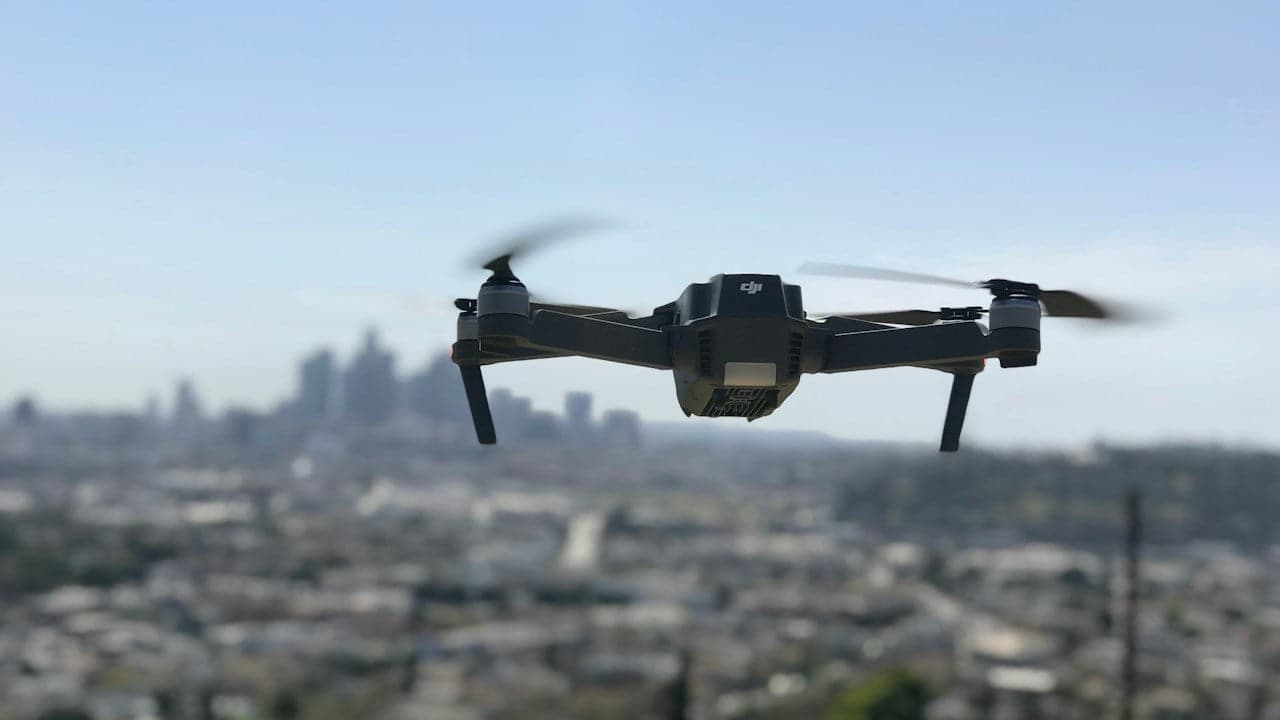
The US Federal Communications Commission (FCC) has outlined proposals that could significantly impact wireless connectivity and robotics, specifically drone operations. These changes, set for a vote later this month, aim to expand direct-to-device (D2D) services and open new spectrum for various technologies. A key proposal would allow drones to utilize the 800MHz cellular band, a frequency currently prohibited for these unmanned aerial vehicles [Engadget].
FCC's Vision for Wireless Connectivity
The FCC has presented three proposals centered on direct-to-device communications, signaling a push for greater flexibility in wireless services. The first proposal suggests overhauling existing rules for D2D service to foster more adaptable terrestrial, satellite, and hybrid business arrangements. Complementing this, the second proposal involves auctioning 25 megahertz of mid-band spectrum, targeting its use for flexible terrestrial networks, innovative D2D operations, or a combination of both [Engadget]. This regulatory innovation aims to support evolving communication technologies.
Opening the 800MHz Band for Drones
The final FCC proposal directly impacts robotics by recommending that drones be allowed to operate on the 800MHz cellular band. Currently, these devices are prohibited from using this frequency. If approved, this change would open approximately 50 megahertz of spectrum for unmanned aerial vehicles (UAVs) [Engadget]. This development follows a period where the agency has imposed more restrictions on drones identified as security risks, particularly those with foreign-made components or technologies like LiDAR.
Industry Players and Future Possibilities
The FCC's initiatives are attracting interest from major technology companies. Firms like Amazon are looking to enter the expanding field of satellite-based cellular service. SpaceX, a prominent player in space technology, already holds spectrum licenses acquired from EchoStar. The FCC recently granted approval to SpaceX for a system comprising 15,000 satellites designed to operate at 330km for D2D services [Engadget]. This D2D effort is distinct from SpaceX's other ventures, such as launching orbital data centers for artificial intelligence activities, and would augment its existing network of over 11,000 Starlink satellites.
Read also on The Patent: King Workers to Strike Over Collective Agreement Negotiations