innovation

Physics

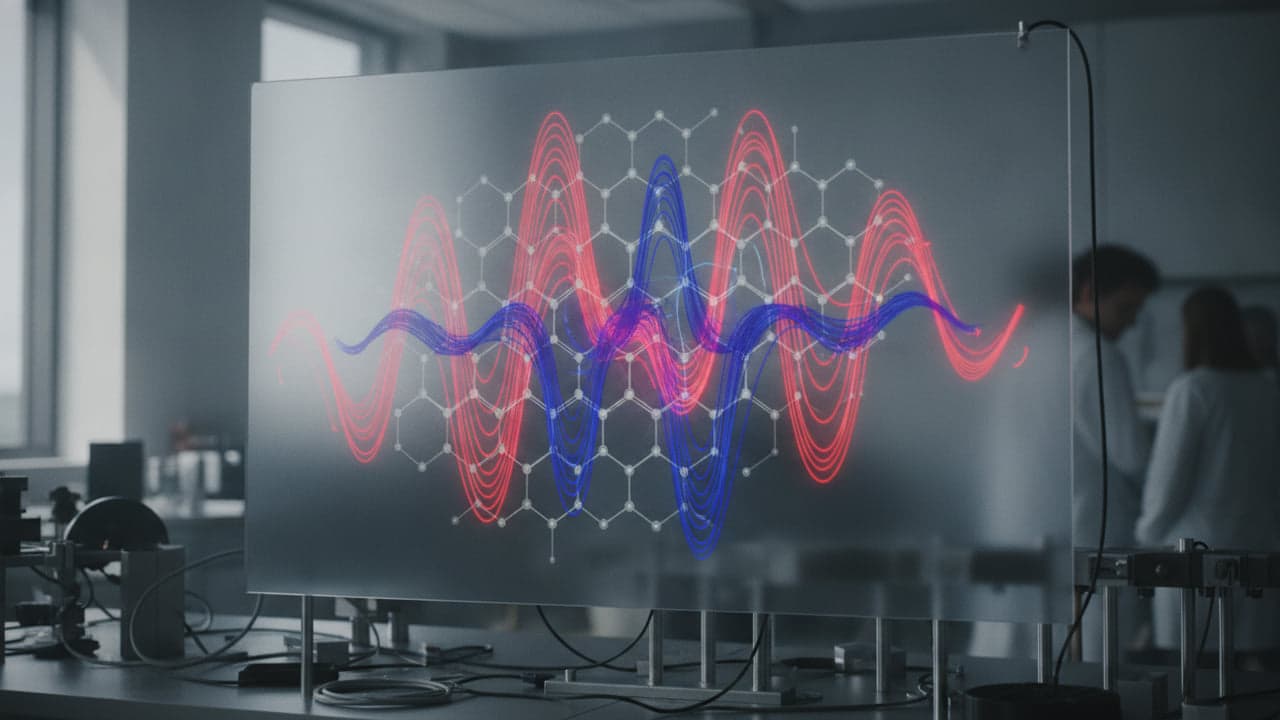
Ames Laboratory controls magnetic wave handedness for quantum computing

Physicists at the Ames National Laboratory have found a way to switch the handedness of magnons, magnetic waves that travel through solid materials without moving an electrical charge. The discovery, reported on November 10, 2026, provides a new mechanism to encode and process data for future quantum computing hardware. By applying an external magnetic field to specific kagome metals, the research team caused opposing wave states to mix.
Gadget

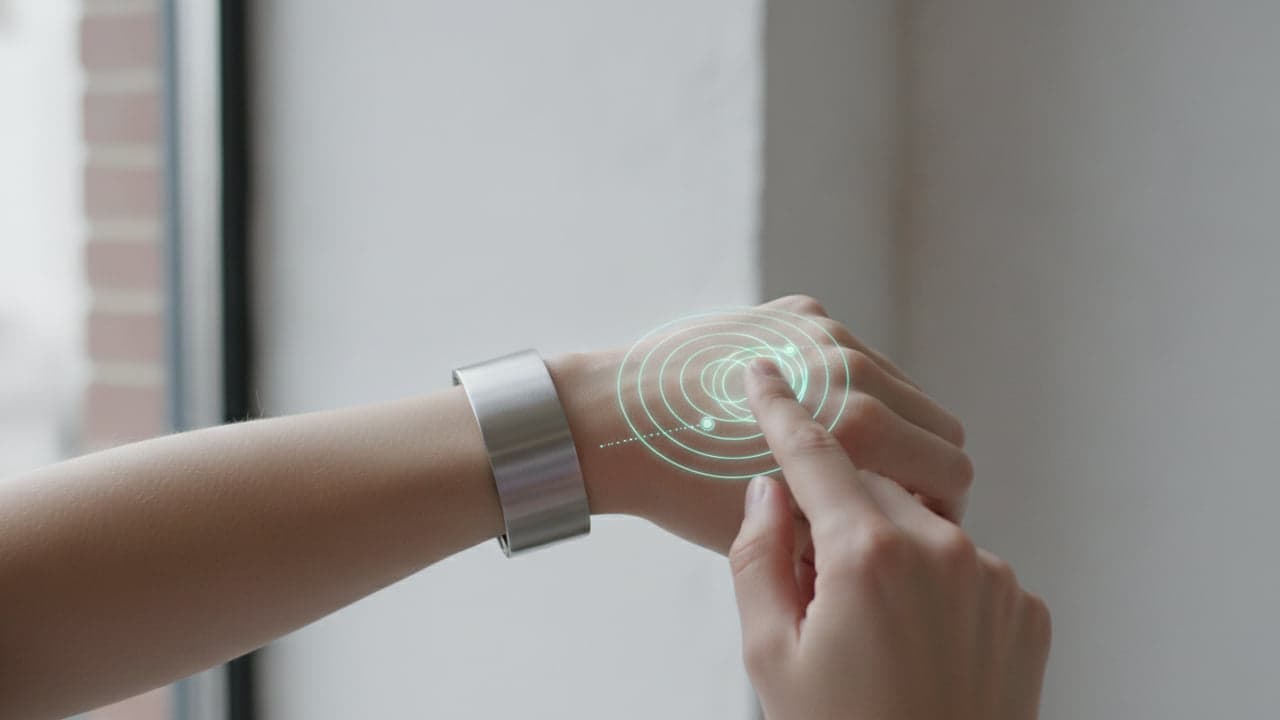
EpiPad Uses Radar to Turn Your Forearm into a Smartwatch Trackpad

An innovation developed by researchers at North Carolina State University turns the human forearm into an interactive trackpad for wearable devices. The system, called EpiPad, uses a millimeter-wave radar sensor to track finger motions and skin pressing firmness directly on the wearer's arm. Presented at the UbiComp/ISWC 2026 conference in Shanghai, the setup allows users to tap, pinch and zoom without obscuring compact displays.

Environment

Sticky marine snow carries six times more carbon to the ocean floor

Ten gigatons of carbon leave the ocean surface each year inside clumps of biological debris known as marine snow, yet only two gigatons reach deep waters for long-term storage. A study published in Science by researchers at the Scripps Institution of Oceanography and the University of Lincoln explains this gap: gooey, highly viscous particles resist bacterial decay and deliver six times more carbon to the deep sea than thinner material.

AI

DeepMind AI Exposes Legacy RSA Weaknesses 1,600 Times Faster

On November 6, 2026, researchers at Google DeepMind revealed algorithmic techniques that accelerate mathematical attacks on older RSA encryption by up to 1,600 times. The study uses artificial intelligence to search for mathematical weaknesses in legacy cryptographic formulas, leaving modern 2048-bit encryption systems unaffected.

Medicine

Hybrid Light Technique Tracks Deep Blood Flow Inside Living Tissue

Optical sensors placed against human skin often struggle to separate superficial blood flow from circulation inside deeper organs. To overcome this limitation, researchers at the International Centre for Translational Eye Research have developed a hybrid near-infrared optical system that isolates signals from deeper tissue layers. The medical device innovation, tested on human volunteers, provides a non-invasive way to track blood dynamics without surgical intervention.

Chemistry

Activating Enzymes Switches on Cellular Protein Degradation Machinery

A research team has devised a method to activate protein degradation machinery inside living cells, according to reporting published by [C&EN – Chemical & Engineering News](https://cen.acs.org/biological-chemistry/biochemistry/new-approach-switches-protein-degradation/104/web/2026/11?sc=230901_cenrssfeed_eng_latestnewsrss_cen). The biochemical innovation works by stimulating a specific enzyme to trigger the clearance of target proteins.

Mobile

AT&T and AST SpaceMobile complete first cellular to satellite network handoff

Engineers in Washington state have completed what they describe as the first successful live handoff between a terrestrial cellular network and a direct-to-device satellite link. The demonstration by AT&T and AST SpaceMobile allowed standard mobile devices to maintain connectivity as they moved beyond the reach of ground towers. If deployed commercially, the architecture could eliminate dead zones on highways and remote regions without requiring specialized hardware.

Science

Unlocking Spider Silk to Turn Liquid Protein into Solid Fibers

Natural dragline silk can withstand a pulling force of 150 newtons per square millimeter before tearing, matching high-grade steel at a fraction of the weight. Replicating that performance through an artificial manufacturing process remains an elusive technical frontier in materials science. Today, laboratory teams are decoding how arachnids transform liquid gland proteins into tough, solid threads for textiles and medical use.

Letizia Giugliano

Space

NASA Map Identifies 13 Possible Martian Origins for Teghaza 001 Meteorite

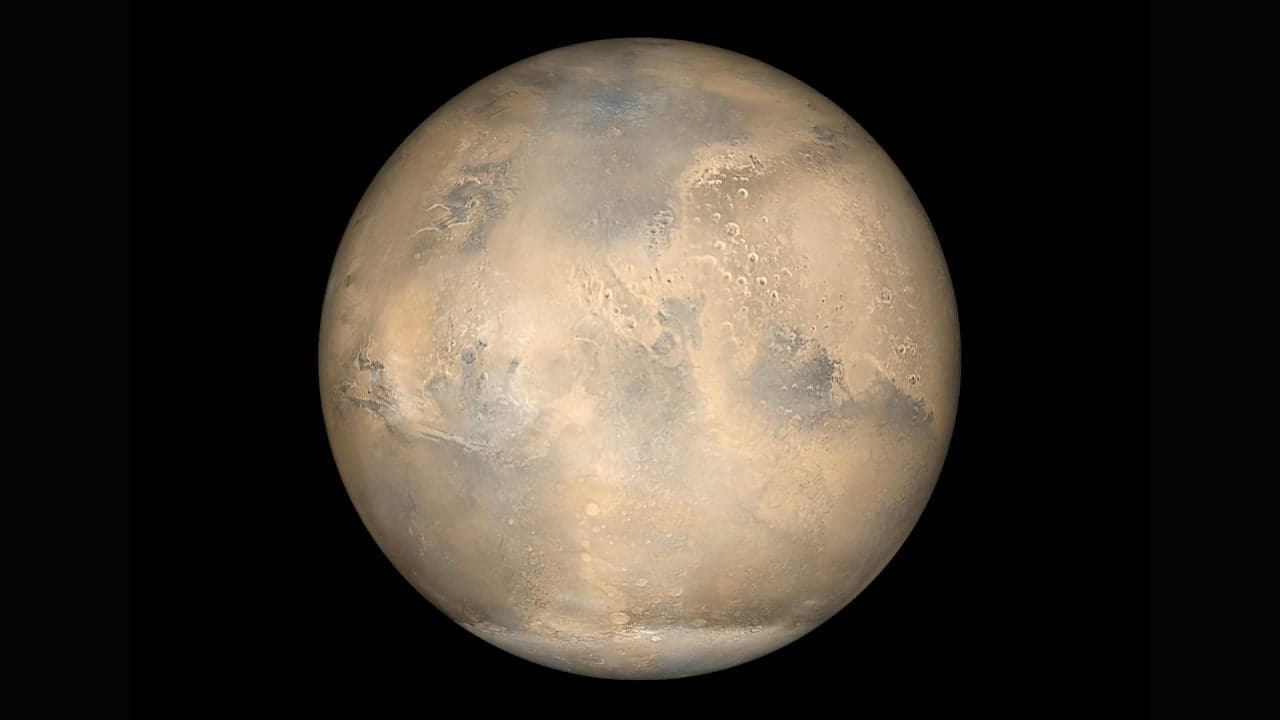
Scientists studying Mars have pinpointed 13 candidate source locations for Teghaza 001, one of the oldest Martian meteorites discovered on Earth. Using spectroscopic and topographical observations from orbital missions in space, researchers traced the unique chemical composition of the rock back to specific highland regions in the Martian southern hemisphere.

Giovanni Sapere

Environment

Ancient Tibetan Ice Cores Extend Mountain Climate Record to 128,000 Years

A scientific innovation in geochemical dating has revealed that glacial ice from northwestern Tibet is more than 128,000 years old. Researchers at Ohio State University demonstrated that high-altitude glaciers endured the transition out of the last ice age, extending the known climate record for the region by more than 100,000 years.

Giovanni Sapere

Archeology

Spear Wound in Shanidar Cave Points to Oldest Wooden Weapon Attack

A 75,000-year-old Neanderthal skeleton discovered in Iraqi Kurdistan carries what may be the oldest fossil evidence of fatal violence inflicted by a wooden spear. Excavated beneath almost eight metres of rock and sediment, the left shoulder blade of the individual known as Shanidar A preserves a clean circular puncture directed through the chest. The finding, reported in Scientific Reports, suggests that early hominins used pointed wooden projectiles not only for hunting large game but also in deadly interpersonal conflict.

Giovanni Sapere

Chemistry

Experimental Alloys Resist Fracturing at -253 Degrees Celsius

Two experimental niobium-titanium alloys stay flexible and resist cracking at -253°C, according to research published on October 14 in Nature. An international research team led by the University of California, Berkeley, Lawrence Berkeley National Laboratory, and the University of Oxford discovered that the metals reorganise internally under mechanical stress. This metallurgical innovation alters how materials might be designed for extreme cold in energy systems and space exploration.

Letizia Giugliano

Physics

Physicists Confirm Altermagnetism in Manganese Telluride

Physicists led by the SLAC National Accelerator Laboratory have confirmed the existence of a third magnetic phase known as altermagnetism. Reported on October 30, 2026, in the journal Science, the physical innovation provides direct experimental proof of chirality in manganese telluride, verifying a magnetic structure predicted only in 2022.

Letizia Giugliano

Tech

Rockefeller University Engineers TrUDI Platform for Deep Brain Imaging

Biophysicists at Rockefeller University have developed a microscopy system that records neural activity deep within living brain tissue without requiring the surgical removal of overlying layers. The technical innovation, described in Nature Methods, boosts three-photon imaging efficiency by roughly 250 times while protecting delicate neural structures from heat damage.

Letizia Giugliano

Medicine

Microfluidic chip screens leukemia drug therapies in children

Engineers and pediatric oncologists at Emory University, Children's Healthcare of Atlanta, and Georgia Tech have developed a diagnostic test that screens cancer drugs directly against patient cells at diagnosis. The platform evaluates how three-drug combinations at varying doses affect live cancer cells, offering immediate functional data from a single sample.

Giovanni Sapere

Inventions

Otter Warmer Keeps Newborns Warm During Hospital Blackouts

A portable newborn warmer built without soft mattresses or seams is helping rural clinics care for infants when electricity cuts out. Developed by United States nonprofit Design that Matters and Vietnamese medical device manufacturer MTTS, the medical device known as Otter treated over 800 newborns across three countries by January 2026.

Giovanni Sapere