Wolbachia mosquitoes cut child dengue infections by 68.5% in Brazil
The four-year EVITA trial followed 5,757 children in Belo Horizonte and measured 73.3% efficacy against chikungunya.
By Giovanni Sapere
4 min read
Releasing Aedes aegypti mosquitoes that carry Wolbachia bacteria cut arboviral infections among schoolchildren in Belo Horizonte, Brazil, by 68.6%, the EVITA dengue trial reports. The four-year study enrolled 5,757 children aged 6 to 11 across 58 school clusters and tested dengue, Zika and chikungunya antibodies in their blood each year. The results were presented at the American Society of Tropical Medicine & Hygiene annual meeting in National Harbor, Maryland.
A four-year trial across 58 school clusters
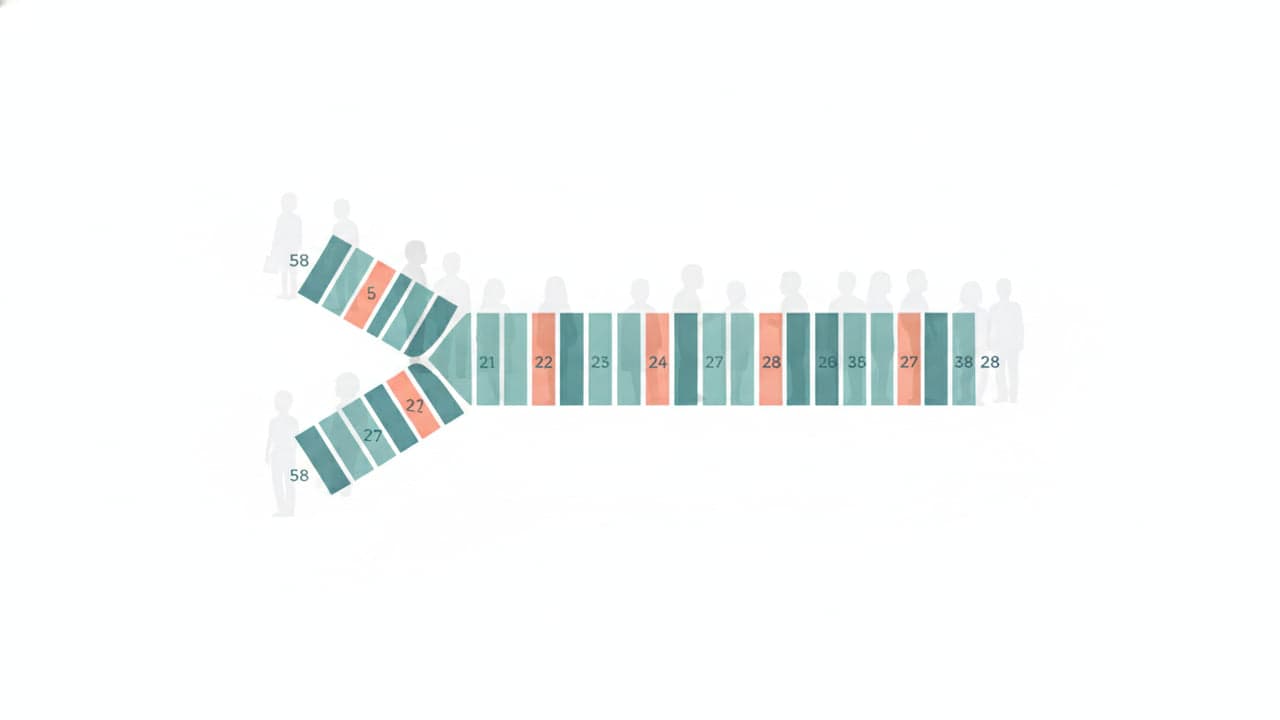
The EVITA dengue trial ran in Belo Horizonte from 2020 to 2024. It was a school-based, cluster-randomized controlled study: 58 school-defined clusters were divided into 29 that received releases of wMel-infected mosquitoes on top of standard vector control, and 29 that kept standard vector control alone, which the researchers describe as insecticidal spraying and mosquito source reduction.
5,757 children aged 6 to 11 took part. Each gave a baseline blood sample in 2020 and further samples every year through 2024, tested for antibodies to dengue, Zika and chikungunya. The mosquito releases themselves ran from January 2021 to May 2022.
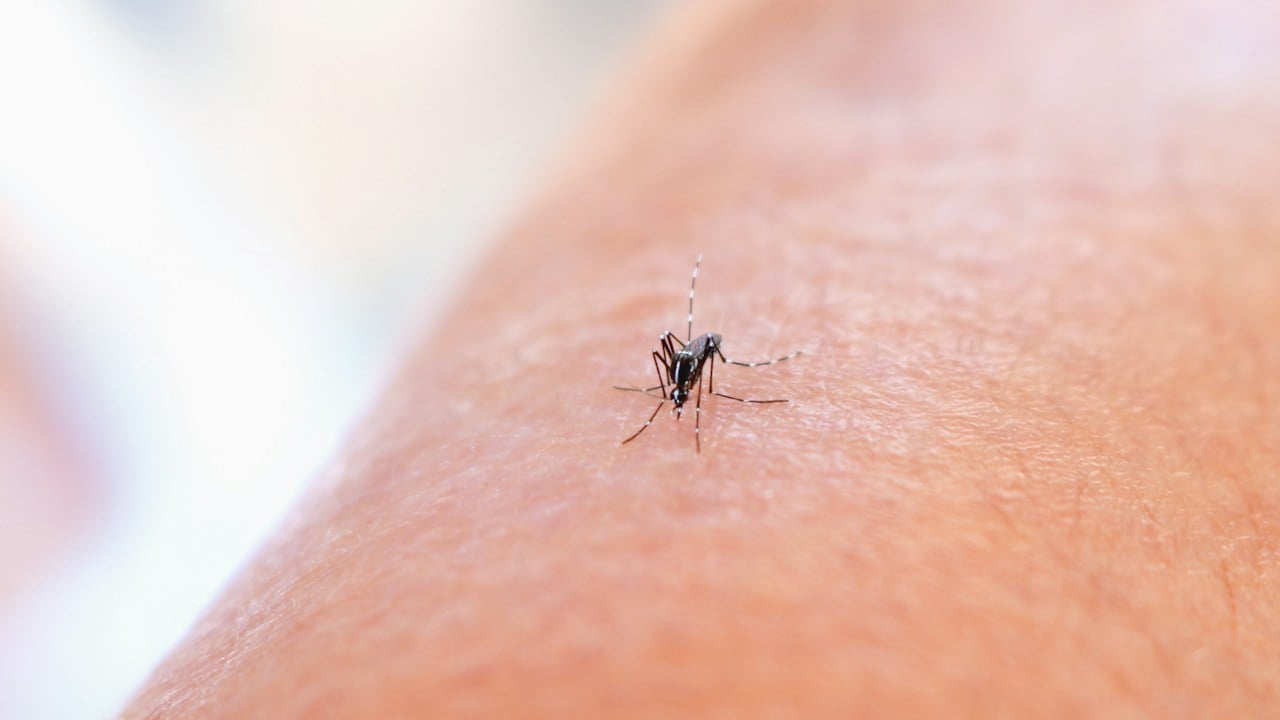 Photo: National Institute of Allergy and Infectious Diseases / Unsplash
Read also on The Patent: US health institute ties 58 genome regions to endometriosis in a million people · Allergies may begin with energy-starved barrier cells, not immune misfires · A Berkeley compound burns fat in mice while sparing muscle · Nanoporous platinum electrodes restore 90% of muscle strength in animals · Neuroscience 2026: four new biomarker studies for Alzheimer's and depression
The work involved researchers from Brazil and the United States, among them the Universidade Federal de Minas Gerais, Fiocruz, the World Mosquito Program, the Faculdade de Medicina de São José do Rio Preto, Emory University, Yale University, Johns Hopkins University and the University of Florida.
“Our findings in the EVITA trial show a 68.6% overall efficacy in reducing arboviral infection from this intervention”
: Sri Edupuganti, co-principal investigator, Emory University School of Medicine
“Conducting this study during the COVID-19 pandemic was an extraordinary challenge”
: Mauro Teixeira, Universidade Federal de Minas Gerais
“sustainable, scalable approaches to protect 4 billion of the world's population that live in regions”
: Albert Icksang Ko, Yale University
How a bacterium carried by mosquitoes blocks dengue
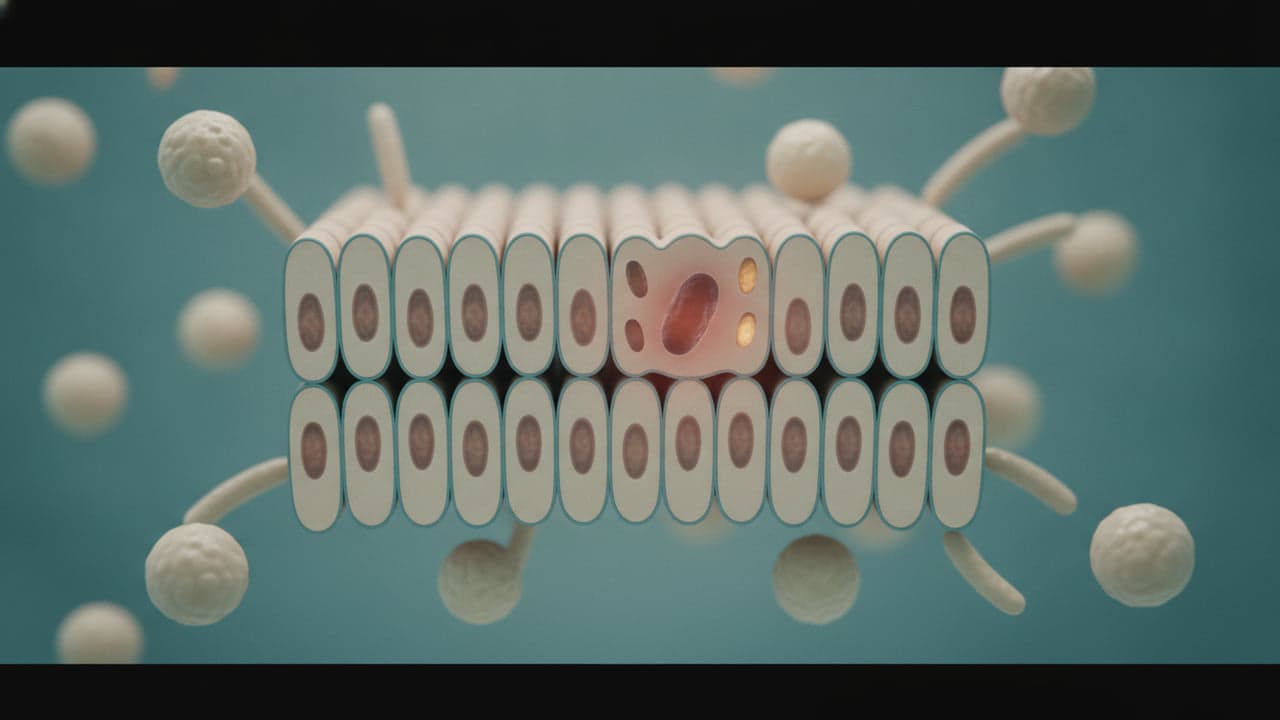
Wolbachia is a bacterium found in nature. Introduced into Aedes aegypti, the mosquito that spreads dengue, Zika and chikungunya, it sharply reduces the insect's capacity to transmit those viruses. Females pass it to their offspring, so it spreads through a local mosquito population and settles there.
For this trial the team used the wMel strain, adapted to the city. "We are pleased to have developed this locally adapted strain from Belo Horizonte," said Luciano Moreira of Fiocruz and the World Mosquito Program, who added that the mosquitoes stayed established for more than three years.
The laboratory load was heavy. Tens of thousands of blood samples were processed in the laboratory of Mauricio Nogueira at the Faculdade de Medicina de São José do Rio Preto, in São José do Rio Preto, Brazil.
68.6% fewer infections, and 73.3% for chikungunya
Overall efficacy in reducing arboviral infection was 68.6%. Broken down by virus, dengue came in at 68.5% and chikungunya at 73.3%.
"Our findings in the EVITA trial show a 68.6% overall efficacy in reducing arboviral infection from this intervention," said Sri Edupuganti, co-principal investigator of the trial and professor in the Department of Medicine at Emory University School of Medicine.
The five-year window included 2024, when Brazil recorded the largest dengue outbreak in its history, part of the largest global dengue burden ever reported. The researchers treat that as a demanding setting in which to measure the method, with transmission running high while the samples were collected.
No injection, and a strain adapted to one city
Nothing is injected into the children. Unlike a bcg vaccination campaign, the protection here comes from insects that already carry the bacterium, released into the neighbourhoods where the children live and go to school, and then breeding them onward.
Enrolment did not go as planned. Mauro Teixeira, professor at the Universidade Federal de Minas Gerais and co-principal investigator, said schools shut just as the team began signing up families. "Conducting this study during the COVID-19 pandemic was an extraordinary challenge," he said, thanking the children, their families, the schools and the communities for staying with a cohort that was followed for several years.
Four billion people live where these mosquitoes spread disease
The investigators frame the result as a practical tool rather than a laboratory finding. Albert Icksang Ko, co-principal investigator and professor of public health at Yale University, said the trial points to "sustainable, scalable approaches" for the roughly 4 billion people who live in regions where dengue, Zika and other Aedes aegypti-borne diseases occur, including parts of the United States.
The numbers behind that claim rest on a controlled comparison in a single city, with efficacy measured as infection rather than as hospital cases. The full results were presented at the American Society of Tropical Medicine & Hygiene annual meeting in National Harbor, Maryland.
Human-Edited, AI-Assisted