MIT finds drained peatlands cause 2.7% of human-caused warming
A study in Nature estimates that peatlands drained for farming and forestry have added about 2.7 percent to the warming influence of human activities since the Industrial Revolution.
By Giovanni Sapere
4 min read
MIT researchers have put a number on what happens when a bog is drained. In a study published in Nature on November 25, 2026, they estimate that peatlands drained around the world account for about 2.7 percent of present-day human-caused warming. Keeping today's drained peat dry could almost double the cumulative warming the ecosystems cause by 2100.
Peat holds 30 percent of soil carbon on 4 percent of the land
Peatlands are wet, oxygen-poor ecosystems where partly decayed plant matter piles up as peat. They cover only 3 or 4 percent of the planet's land surface but hold about 30 percent of the carbon in its soils, more than all the world's forests combined, according to the MIT News announcement of the study.
Left alone, they cool the climate. Their plants take up large amounts of carbon dioxide, and although their microbes release methane, a potent greenhouse gas, the carbon dioxide removed outweighs it over thousands of years.
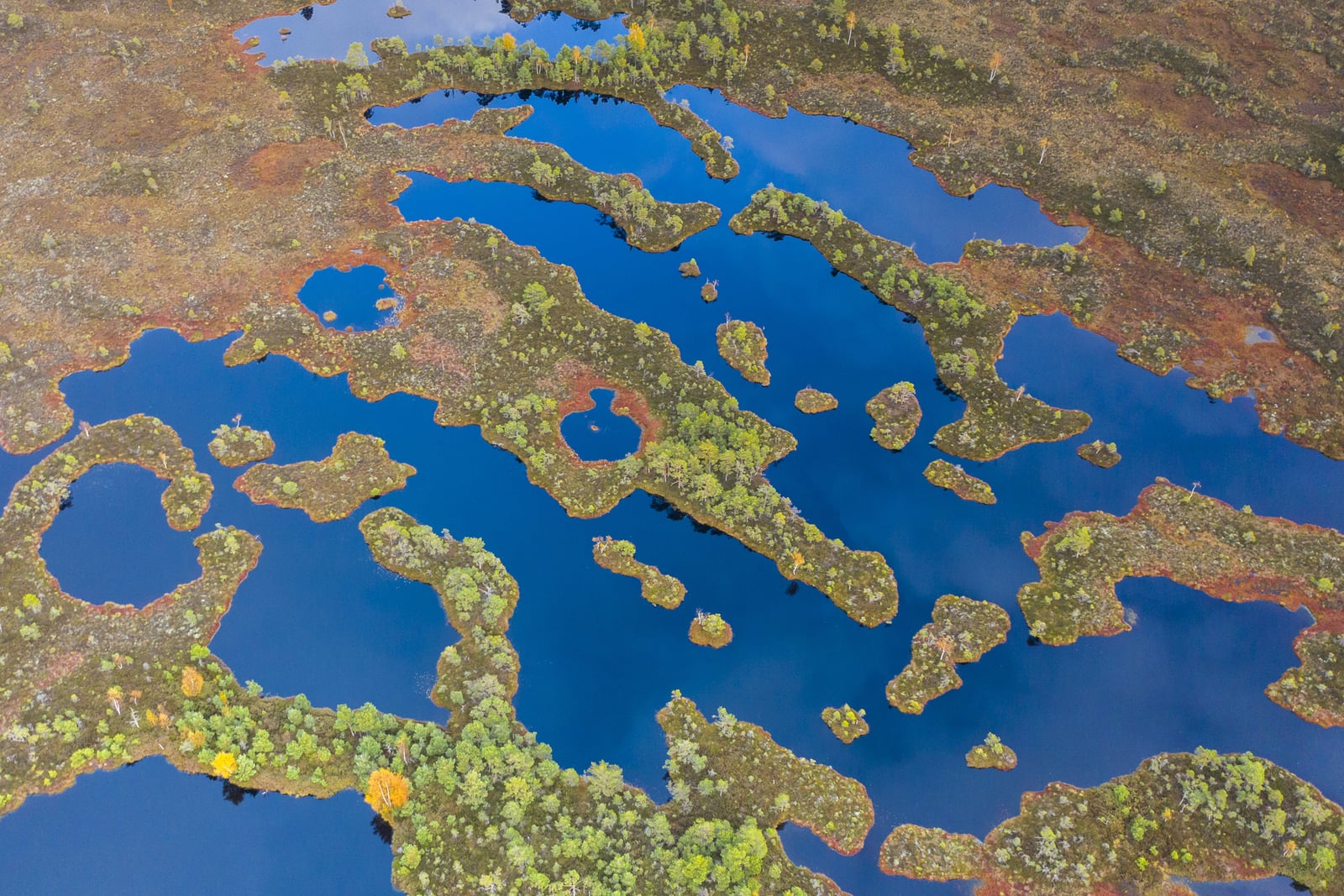 Photo: MIT
Read also on The Patent: Heart risk rises with air pollution and concrete, even below EU limits · Meta rethinks its 2030 net-zero goal as AI emissions jump · São Paulo's streams lose 190 food-web links, down to three
Dig a ditch and the balance breaks. Oxygen reaches the peat, microbes start breaking down the newly dry soil, and carbon dioxide keeps coming out for centuries. Drainage also cuts the methane produced by microbes in the peat, but the ditches that carry the water away can be potent methane sources themselves. People have drained these soils for centuries, with the pace rising since the Industrial Revolution, especially in Southeast Asia and Europe. About 0.5 percent of the world's land surface, roughly 15 percent of all peatland area, is now drained.
“The first message is to stop draining peatlands, because a drained peatland can keep emitting carbon dioxide for centuries.”
: César Terrer, MIT associate professor of civil and environmental engineering
“The hope is that these results are a wakeup call for policymakers and people responsible for restoring land.”
: César Terrer, MIT associate professor of civil and environmental engineering
Counting drainage from 1800 to 2020
Earlier estimates were patchy. In 2013 the Intergovernmental Panel on Climate Change published a large set of data on emissions from drained peatlands in different regions, which gave researchers a starting point.
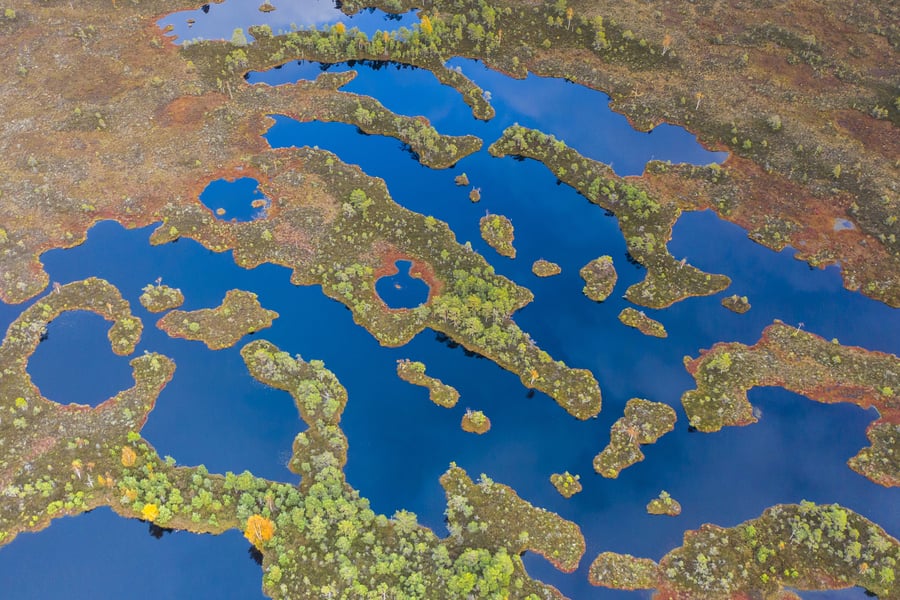 Photo: MIT
The MIT-led team went further. First author Jevan Yu, a doctoral student in civil and environmental engineering, and his colleagues mapped when and how much peatland was drained between 1800 and 2020. They built a new dataset on emissions from different kinds of drained peatland, extending the IPCC figures, and included the emissions from the drainage ditches as well as from the peat surface. They then fed all of it into models of greenhouse gas fluxes.
The result is a single figure for the period since the Industrial Revolution: about 2.7 percent of the warming influence of human activities. "Peatlands have slow decomposition because they are waterlogged, and that allows these ecosystems to accumulate very dense deposits of organic carbon that, when drained, can release carbon dioxide for a very long time," Yu said in the announcement.
Keeping today's drained bogs dry could nearly double their warming by 2100
The paper separates what has already happened from what is still to come. Even if no further peatland is drained, simply maintaining the drained areas as they are could almost double the cumulative warming caused by peatlands by the end of the century.
The variable that governs this is the water table, the depth of the water-saturated zone in the soil. "We developed these models of fluxes as a function of water table depth, and with estimates of drainage extent and depth, we can estimate changes in emissions relative to a baseline had they not been drained," Yu said. "The water table depth is really the regulator of low-oxygen conditions."
That makes rewetting the lever. Raising the water table does not undo the warming already released, but it would avoid part of what drained peat would otherwise add this century, according to César Terrer, an MIT associate professor of civil and environmental engineering who supervised the work.
What to watch
The authors say the numbers are meant to push policy, not just to describe the past. "The hope is that these results are a wakeup call for policymakers and people responsible for restoring land," Terrer said.
For readers tracking the climate maths, the practical question is the water table: every centimetre it rises in a drained bog changes the emissions the MIT models calculate. The study's datasets cover drainage from 1800 to 2020, so the next update will show whether the pace has slowed in Southeast Asia and Europe. Set beside other climate levers, from concrete upcycle technology and a move away from fossil based TDI to plantidiesel, the peatland water table is a reminder that land use rarely makes the headlines.
Human-Edited, AI-Assisted