biology

Biology

Fluorescent Probes Reveal Fluid Barriers Inside Living Human Nuclear Pores

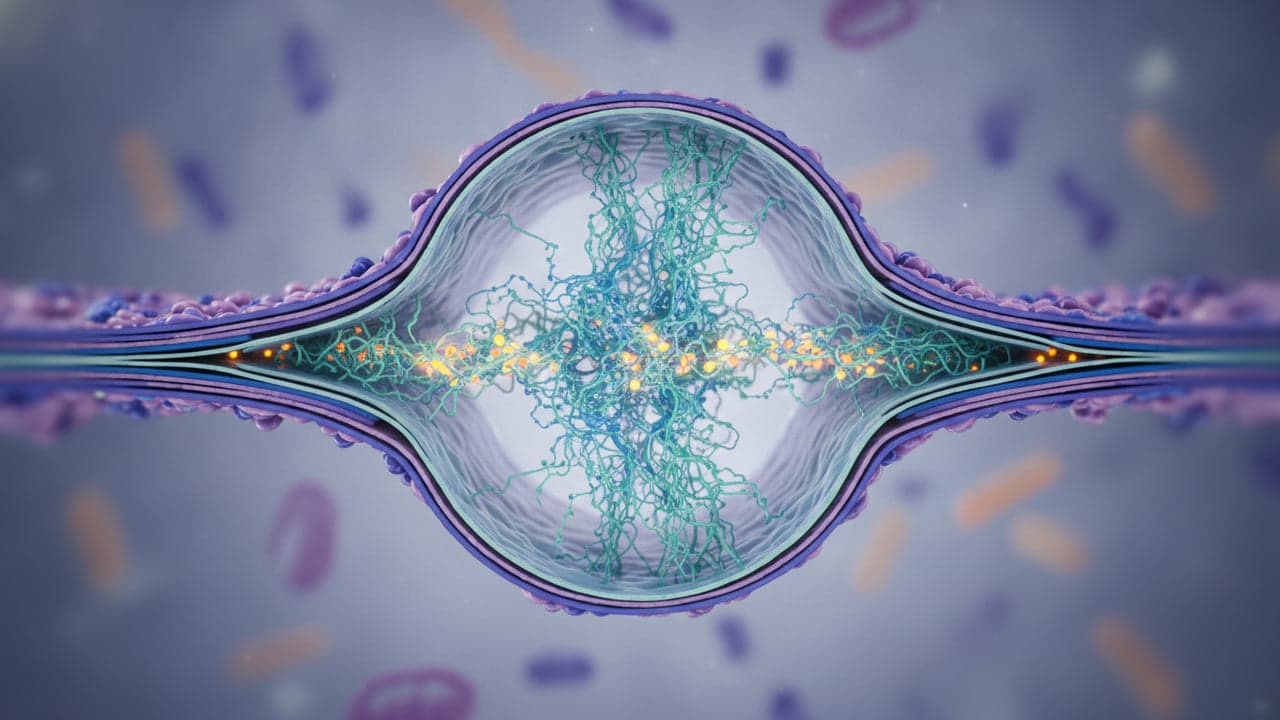
Researchers at Johannes Gutenberg University Mainz, the Max Planck Institute for Biophysics and Wuhan University have measured the protein dynamics inside human cell nuclear pores for the first time. The biophysical innovation shows that the central nanocanal remains in a fluid-like state rather than solidifying into a gel. The findings, published in Nature, solve a long-standing debate over how cells selectively filter tens of thousands of molecular visitors each minute.
Biology

Why ASPM Mutations Strike the Human Brain Harder Than Other Mammals

Genetic mutations linked to microcephaly leave human brains severely underdeveloped while sparing laboratory mice with the same defect. A research team at the VIB-KU Leuven Center for Neuroscience has resolved this evolutionary puzzle by tracking early cellular growth in human tissue models. Their scientific innovation shows that defects in the ASPM gene selectively target the stem cells that allow human brains to expand.

Biology

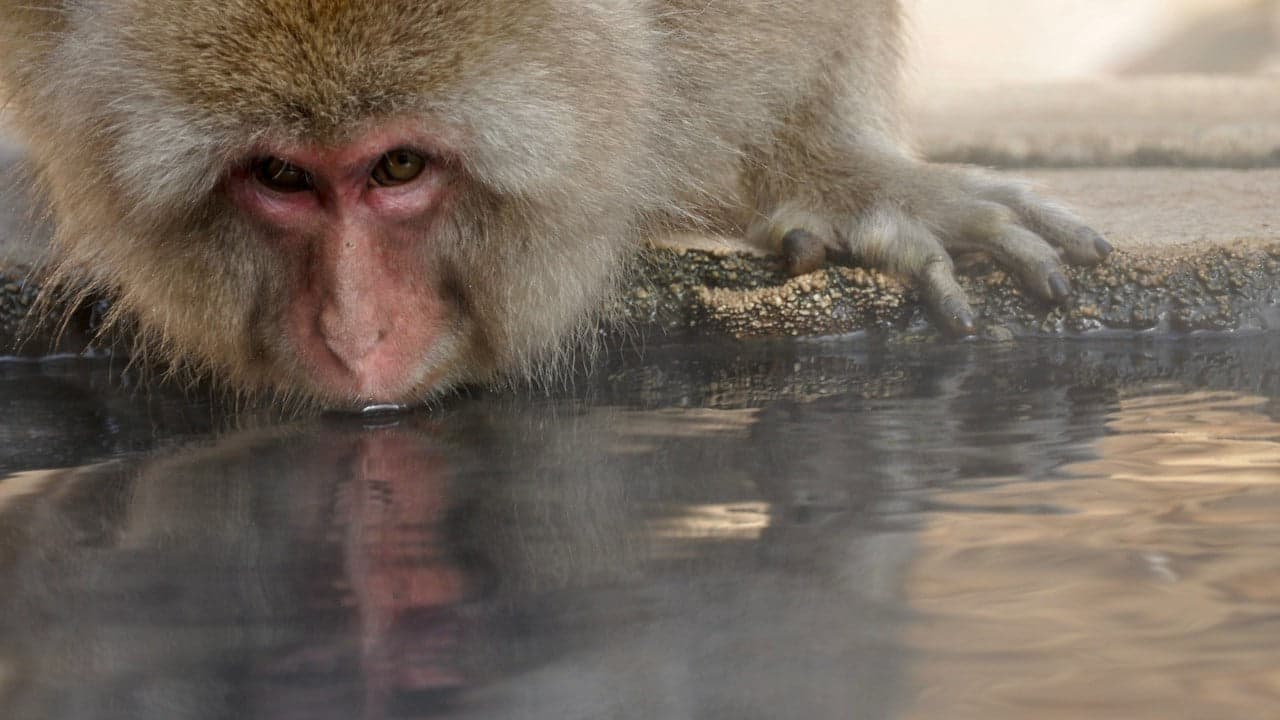
Macaques Learn Germ Caution Following Viral Outbreak in Texas Study

A scientific innovation in cognitive biology shows that Japanese macaques become significantly more cautious around potentially contaminated food after surviving a deadly disease epidemic. Researchers from the University of California San Diego discovered that this behavioral shift occurred across exposed groups regardless of whether individual monkeys had contracted the virus. Published in Royal Society Open Science, the study provides rare empirical evidence into the evolutionary origins of animal disgust and disease avoidance.

Giovanni Sapere

Biology

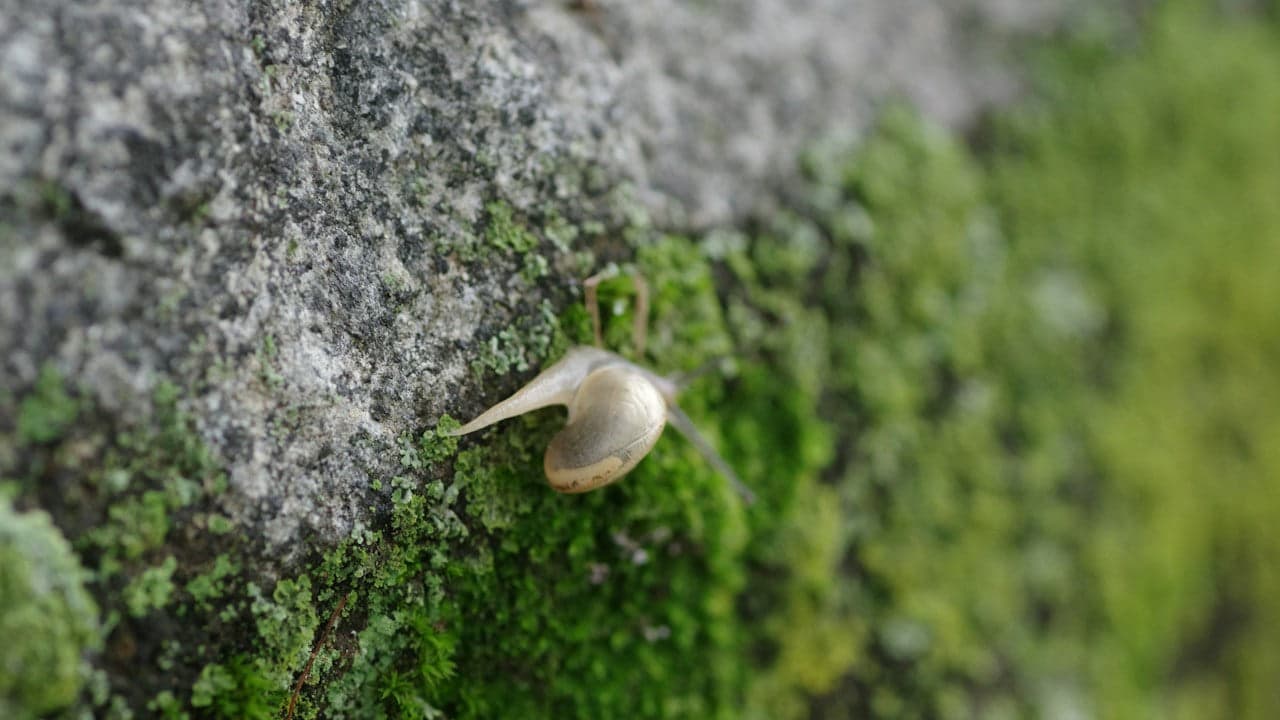
How a Myosin Gene Dictates Left or Right Coiling in Japanese Snail Shells

Researchers from the University of Nottingham and Tohoku University have identified the specific genetic mechanism determining whether snail shells coil to the left or to the right. The biological discovery links structural variations in the motor protein myosin to early embryonic cell twisting in wild Japanese snails. Published in October 2026, the findings explain how organisms establish fundamental left-right asymmetry without congenital developmental defects.

Letizia Giugliano