biotechnology

Medicine

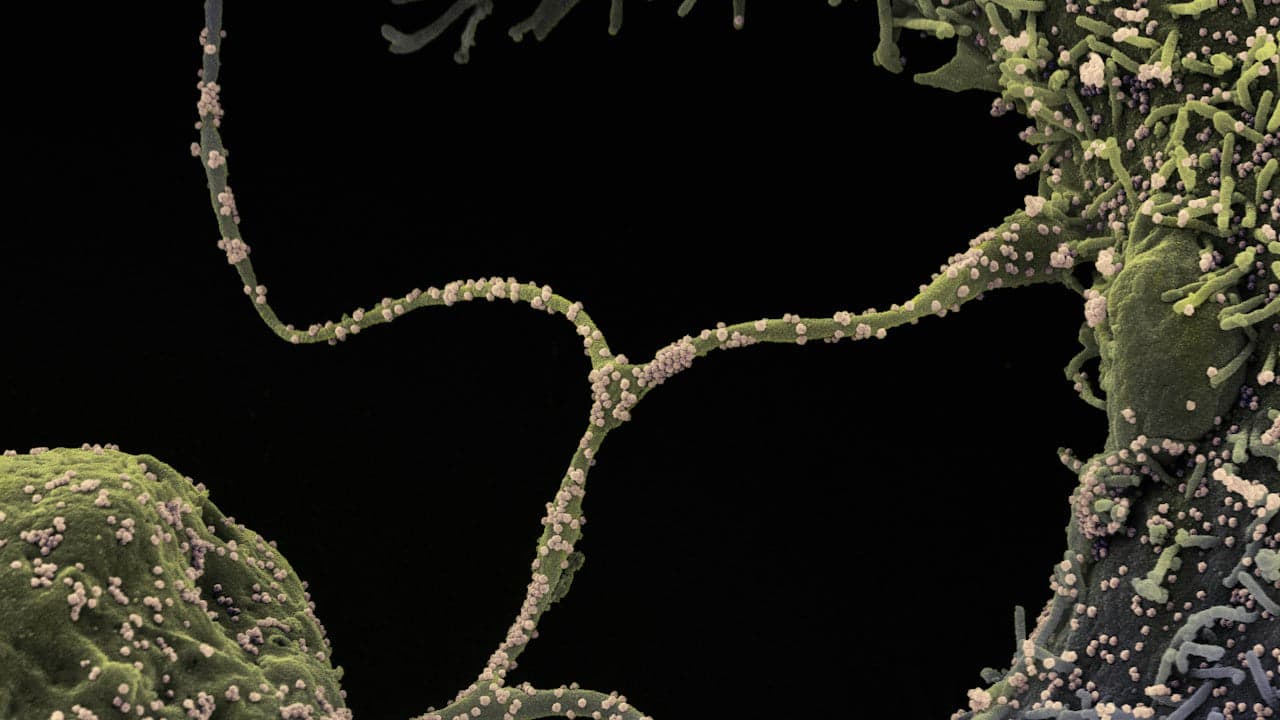
Cancer Cells Disarm T Cells with Antioxidant Protein PRDX1

Tumors release natural antioxidants to shut down cancer-fighting immune cells, according to a study published in Science by teams from the University of Cambridge and Oregon Health & Science University. The medical innovation shows that blocking this antioxidant shield restores immune responses in mice and improves the outcome of immunotherapy treatments.


Medicine

APOE Christchurch Mutation Blocks Parkinson's Proteins in Lab Models

A rare genetic variant known as the Christchurch mutation prevents the accumulation of toxic proteins linked to Parkinson's disease and Lewy body dementia, according to mouse experiments at Oregon Health & Science University. The biomedical innovation, published in Cell Reports, points to a potential gene therapy approach that could shield both motor and cognitive brain functions from neurodegenerative decline.

Inventions

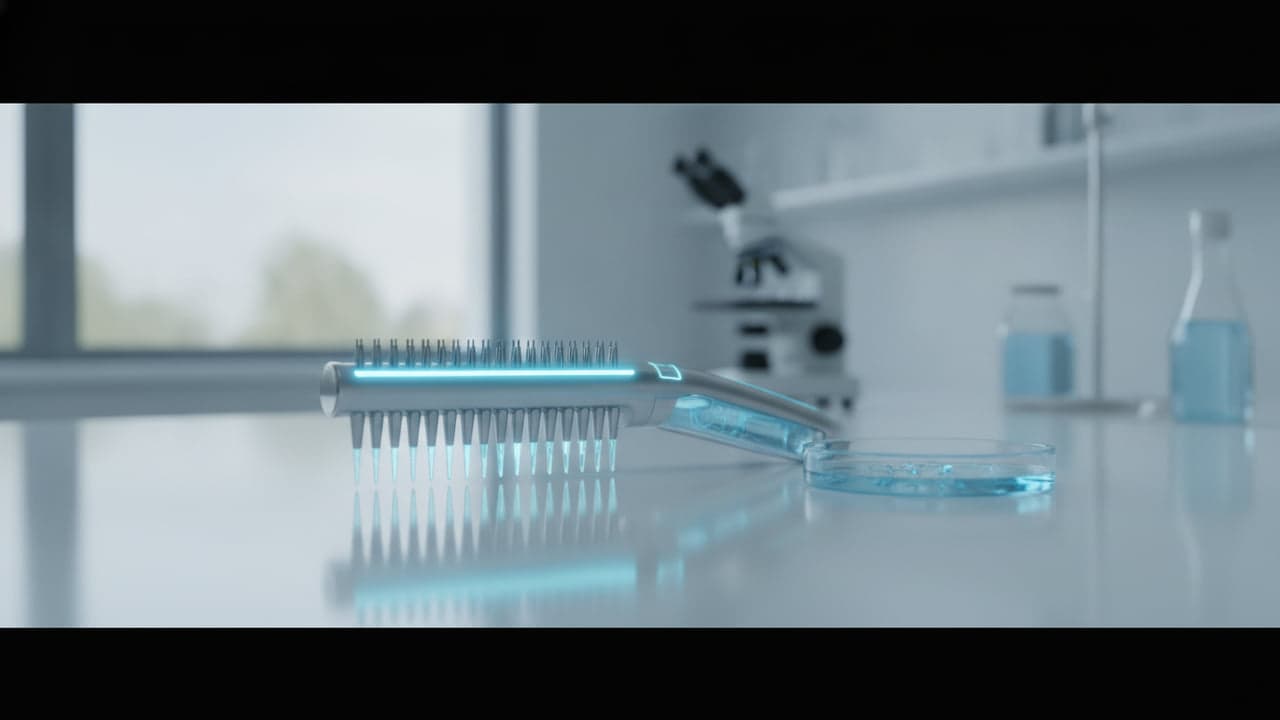
Electric comb delivers genetic molecules to reverse hair loss in mice

Researchers at Beihang University have created an experimental electric comb designed to stimulate hair regrowth by injecting genetic material directly into the skin. The invention, named Detangle, uses alternating electrical pulses and ballpoint reservoirs to deliver therapeutic molecules deeper into hair follicles than topical creams can reach.

AI

GlioTrace uses artificial intelligence to track brain cancer cells in live tissue

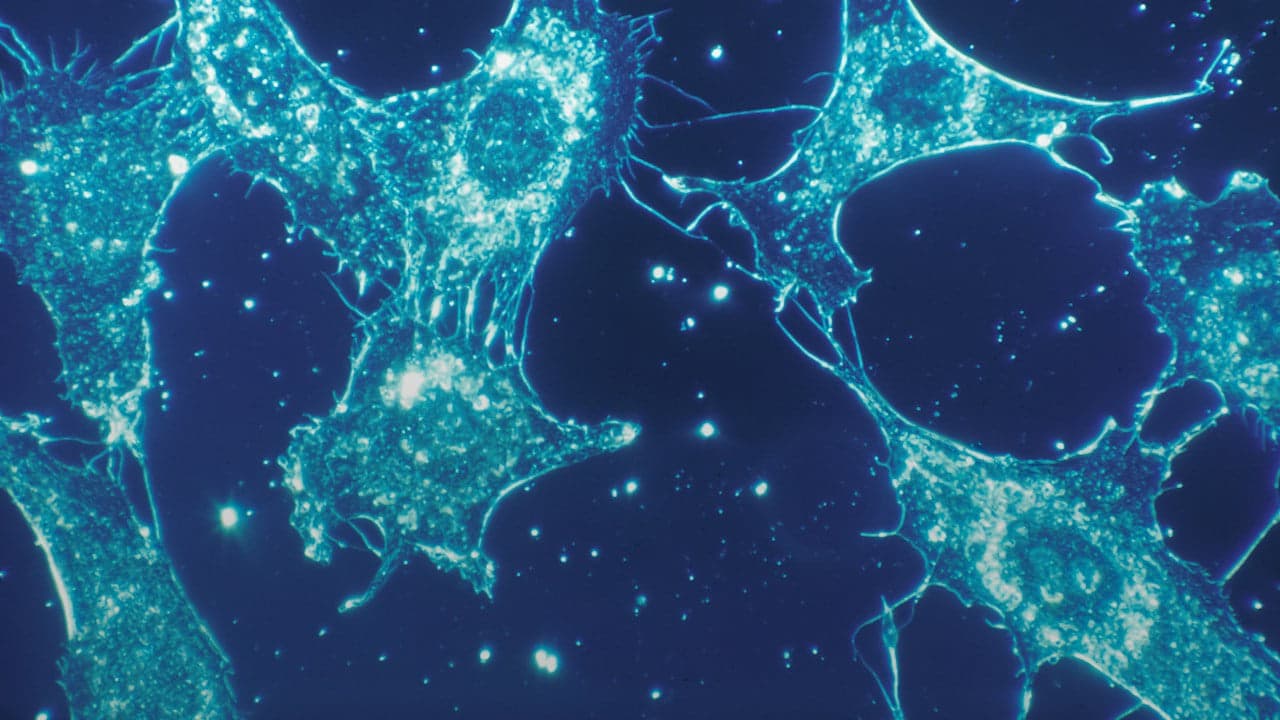
A computational imaging system called GlioTrace can track thousands of migrating glioblastoma cells across living brain slices for days at a time. Developed by scientists at Uppsala University, the method combines automated microscopy with artificial intelligence to reveal how individual brain tumor cells shift their shapes and change migration paths.

Robotics

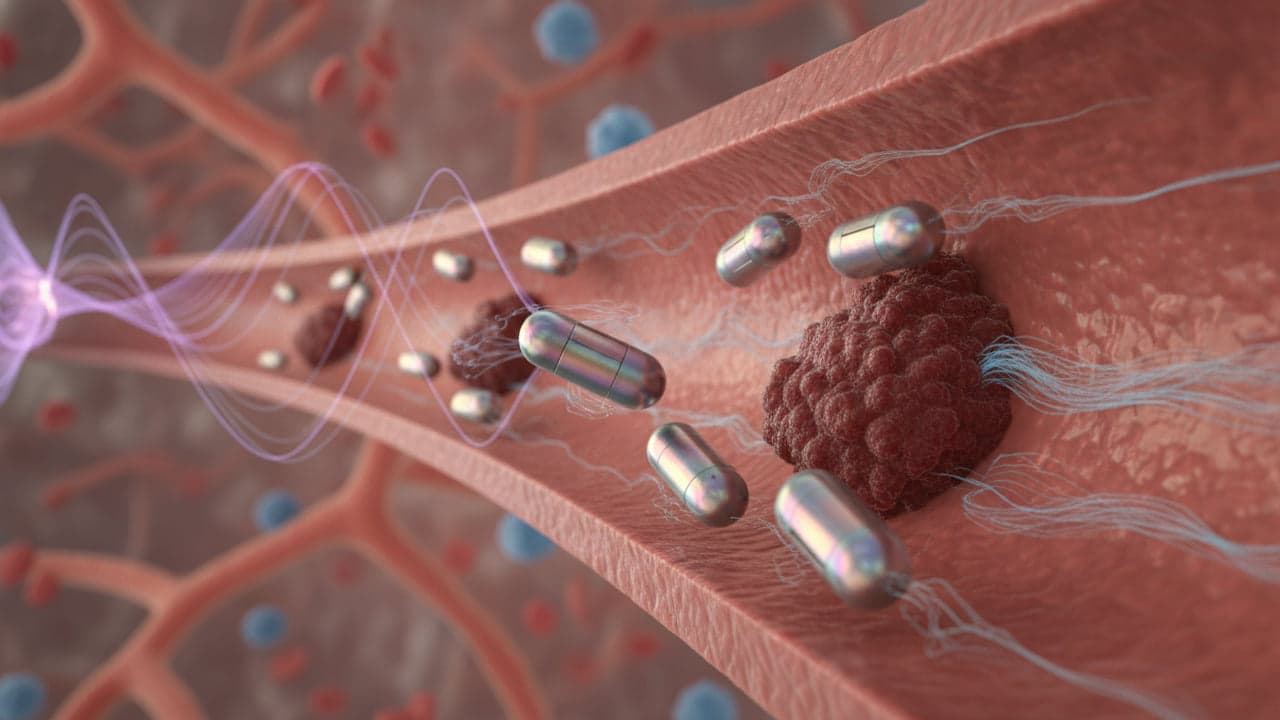
Magnetic microbots tumble through blood vessels to dissolve clots faster

Engineers at ETH Zurich have developed magnetically driven microbots that roll along blood vessel walls to help clot-dissolving drugs reach arterial blockages. The university filed a patent application for the technology after laboratory and animal trials demonstrated that artificial flow speeds up clot breakdown.

Norms & Regulation

Australian Federal Court Clears Samsung Bioepis in Pfizer Enbrel Patent Dispute

The Federal Court of Australia has ruled that manufacturing processes for biosimilar Brenzys products do not infringe a Pfizer process patent. The decision in Pfizer Ireland Pharmaceuticals Unlimited Company v Samsung Bioepis Co., Ltd resolves claims over the production methods for the etanercept therapy Enbrel. The ruling provides clarity on the scope of intellectual property rights governing biosimilar manufacturing.

Inventions

UT Southwestern designs versatile 3D microscope for live cell imaging

Researchers at UT Southwestern Medical Center have developed an invention that combines multiple light-sheet imaging modes into a single instrument. Reported in Nature Methods, the multi-immersion oblique plane microscope captures three-dimensional views of living cells and tissues while protecting them from light damage. The configuration allows research laboratories to run diverse biological experiments without purchasing separate specialized systems.

Environment

Bacteria Produce Hormones to Save Corals from Extreme Heat

Marine bacteria known as Endozoicomonas produce steroid hormones to help reef corals survive severe thermal stress, according to research published in Nature Microbiology. The biological innovation provides an alternative path for marine sustainability by showing how beneficial microorganisms can protect host organisms during extreme heat events.

Biology

Ancestral Enzyme Variant Generates ATP with Fewer Amino Acids

Biochemists at Waseda University and the RIKEN Center for Integrative Medical Sciences have engineered a simplified ancestral enzyme that generates cellular energy without the amino acid traditionally required for the reaction. The biological invention, an engineered variant designated Arc1-12KR, produces adenosine triphosphate by combining two precursor molecules at a rate 7,500 times faster than earlier synthetic models. Described in research released in October 2026, the work provides a structural framework for designing stripped-down catalytic proteins.

Letizia Giugliano

Biology

SmartPE Boosts Prime Editing in Dicot Crops

Molecular biologists have struggled to adapt prime editing to broad-leaved plants because editing rates in dicot species routinely lag behind those in grasses. To overcome that barrier, researchers at the Chinese Academy of Sciences developed an engineered prime editing system called SmartPE. The biological invention, published in Nature Plants, raises target modification rates across tomato, soybean and rapeseed tissues.

Letizia Giugliano

Biology

Dual-Color Bioluminescence Turns Glowing Plants into Living Biosensors

Scientists at the MRC Laboratory of Medical Sciences and commercial partner Light Bio have engineered a dual-color autoluminescent system that tracks plant immune defenses in real time. The approach bypasses metabolic fluctuations by measuring the ratio between green and red light emissions rather than raw brightness. The work, published in Nature Plants, converts self-sustained light emission into a precise quantitative tool for tracking plant health over extended timeframes.

Giovanni Sapere

Biology

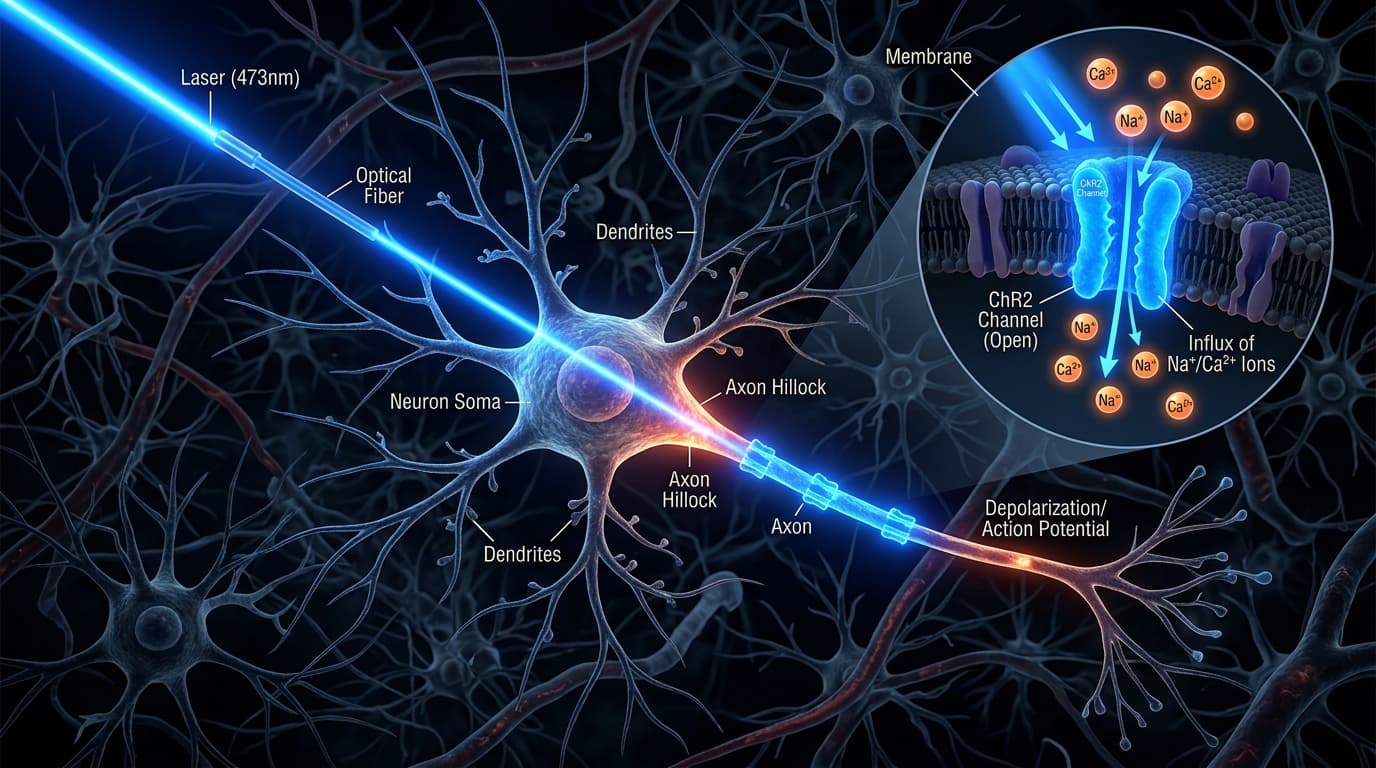
Light-Activated Switch Calms Nerve and Heart Muscle Cells

A research team led by Ruhr University Bochum has engineered an optogenetic tool capable of selectively shutting down electrical excitation in nerve and heart muscle cells. Published on October 20, 2026, the molecular innovation provides a precise optical switch to study disorders marked by cellular hyperactivity, including cardiac arrhythmias.

Letizia Giugliano

Medicine

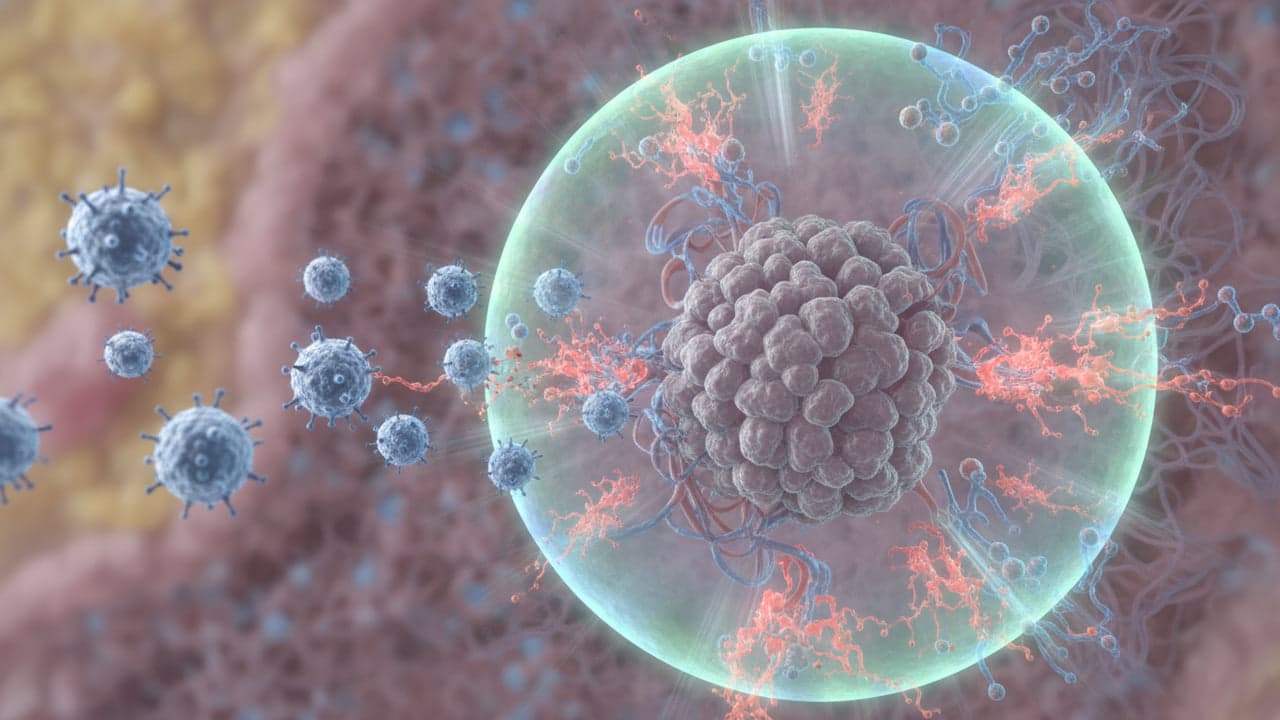
UNC Researchers Uncover Protein Pathway Shielding Dormant HIV

Scientists at the University of North Carolina at Chapel Hill School of Medicine have identified a human protein pathway responsible for keeping HIV dormant within host cells. Published in Cell Reports on October 24, 2026, the discovery exposes how viral reservoirs persist in blood and brain immune cells despite antiretroviral therapy. Uncovering these cellular mechanisms provides a scientific foundation for therapeutic strategies designed to expose and eradicate persistent virus.

Giovanni Sapere

Medicine

Optogenetics Pioneers Win Nobel Prize for Illuminating the Brain

Karl Deisseroth, Peter Hegemann, and Georg Nagel have been awarded the Nobel Prize in Physiology or Medicine 2026 for their foundational work in optogenetics. This revolutionary technique utilizes light to control nerve cells, offering unprecedented insight into how the brain forms memories, emotions, and behaviors, and paving the way for new treatments for neurological conditions.

Giovanni Sapere

News

Here is the organic and sustainable fabric 100% Made in Italy

Vegea, an innovative company specialising in biotechnologies, was founded in Milan, Italy, in particular in the production of fabrics made from organic materials. An example of this is the creation of a dress made from waste materials from wine.

Giovanni Sapere