Bacteria Produce Hormones to Save Corals from Extreme Heat
NYU Abu Dhabi researchers discover that marine microbes produce testosterone and progesterone when ocean temperatures climb.
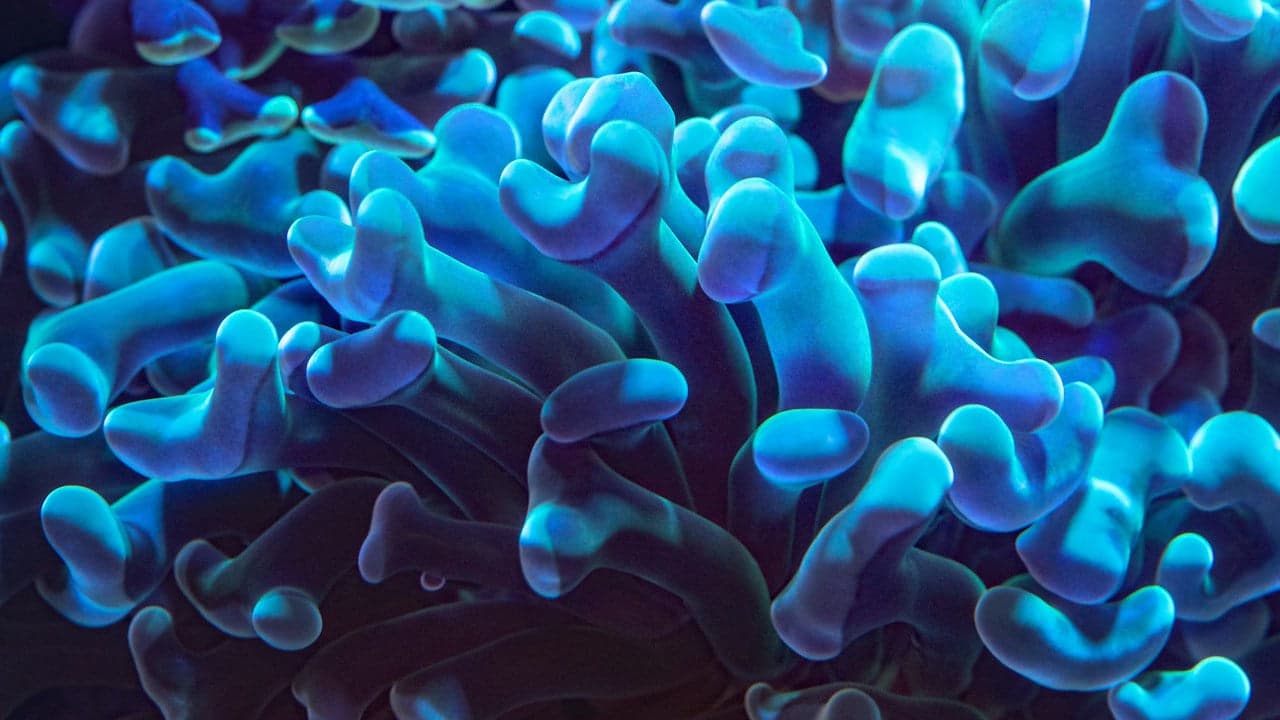
Marine bacteria known as Endozoicomonas produce steroid hormones to help reef corals survive severe thermal stress, according to research published in Nature Microbiology. The biological innovation provides an alternative path for marine sustainability by showing how beneficial microorganisms can protect host organisms during extreme heat events.
Microbes step in when coral defences falter
When sea water warms significantly, corals lose much of their capacity to generate steroid hormones that sustain their immune systems. To study how these colonies endure heat stress, researchers at New York University Abu Dhabi examined Acropora pharaonis colonies collected near Saadiyat Island in the Arabian Gulf. Their work, reported by Phys.org on November 2, 2026, showed that bacteria living inside the coral tissue step in to fill the biochemical deficit, highlighting a crucial biological innovation. The bacteria, known as Endozoicomonas, produce both testosterone and progesterone during thermal spikes, allowing the coral cells to maintain an active immune response.
“We found that their bacterial partners can compensate by producing these hormones themselves, allowing the coral to activate an immune response that helps its cells survive the heat.”
— Amin Mohamed, research associate at NYU Abu Dhabi
Steroid production outside complex animals
Steroid hormone synthesis has long been considered an attribute of complex organisms, with only a small number of bacterial groups previously known to produce these molecules in the human gut. The discovery that symbiotic marine bacteria supply hormones directly to their hosts identifies a previously unknown function of the coral microbiome. Senior author Shady Amin, an associate professor of biology at NYU Abu Dhabi, noted that the bacteria act as active biochemical contributors rather than passive occupants, sustaining coral cells when the host tissue is under physiological breakdown. Lead author Amin Mohamed confirmed that this bacterial compensation directly increases the survival rate of the coral cells under experimental heating conditions.
Rethinking reef conservation and technology transfer
Traditional reef restoration focuses largely on the coral animal, relying on methods such as assisted evolution, captive breeding and nurseries. The project, conducted through the Center for Genomics and Systems Biology alongside the Marine Microbiomics Lab and researcher John Burt, points to microbial management as a practical alternative. Future technology transfer in marine conservation could involve probiotic treatments or microbial inoculations engineered to boost thermal tolerance across degraded reefs before summer heatwaves occur, paving the way for new patent protections and biotechnology startup initiatives. The researchers published the complete biochemical mechanism in the journal Nature Microbiology under DOI 10.1038/s41564-026-02494-1.
Read also on The Patent: Intestine-inspired biobattery generates eight times more power · LiDAR Mapping Guides Riverbank Tree Planting to Protect Salmon Rivers