Soil Bacterium from Iran Yields Two New Chemical Compounds
Researchers at the DSMZ and HZI identified lavasamycin A and B from a newly characterized Streptomyces strain and mapped the genes that produce them.
By Giovanni Sapere
2 min readHuman-Edited, AI-Assisted
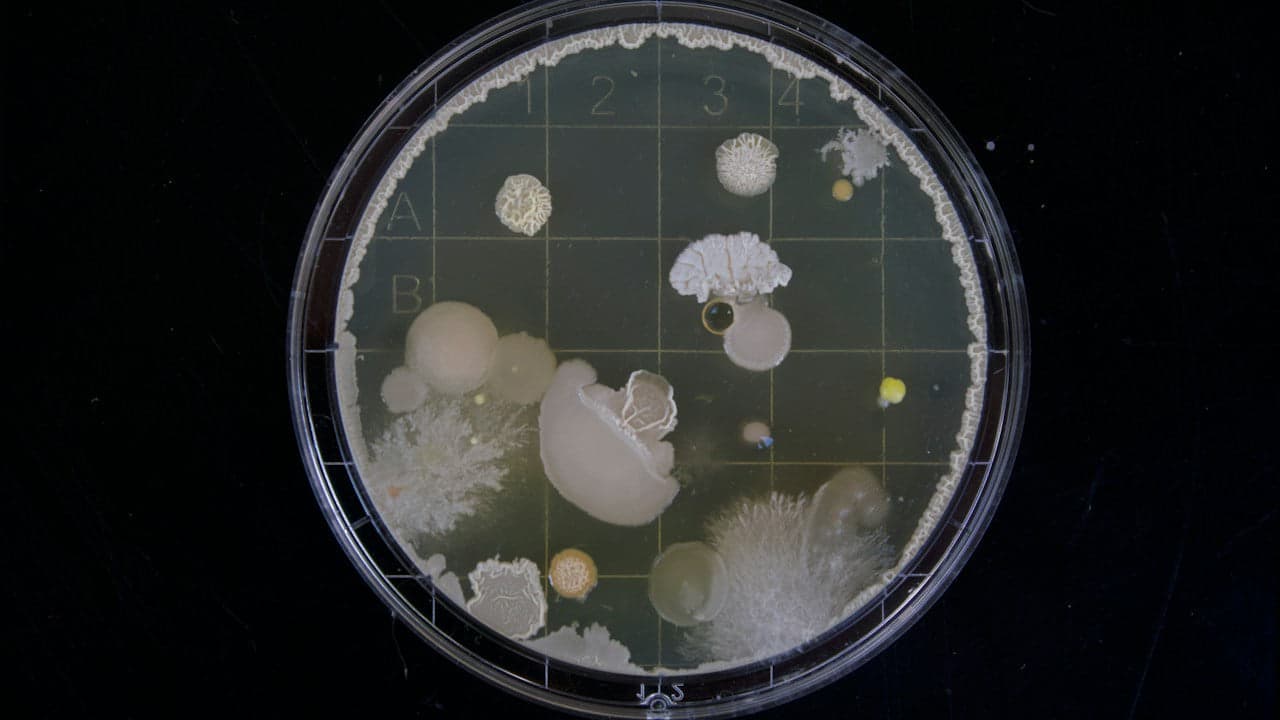
Biochemists in Germany have isolated two previously unknown natural molecules, lavasamycin A and B, from a bacterial strain collected in Iran. The study shows that lavasamycin A stops the growth of Bacillus subtilis, pointing to chemical structures that could aid the invention of new antimicrobial agents.
Two distinct molecules from Lavasan soil
Biologists from the Leibniz Institute DSMZ and the Helmholtz Center for Infection Research isolated the compounds from a bacterium found in soil from Lavasan, Iran. The microorganism, named Streptomyces barkulensis subsp. lavasanensis, was characterized as a new subspecies at the DSMZ collection, as reported by Phys.org.
Chemical analysis revealed that both substances belong to the anthraquinone derivative family and carry an unusual sugar group. Lavasamycin B contains an additional structural feature called a butenolide unit. In laboratory culture tests, lavasamycin A stopped the growth of the gram-positive bacterium Bacillus subtilis. Under the same experimental conditions, lavasamycin B showed no antibacterial activity against the test organism.
“The combination of taxonomic characterization, natural product chemistry and targeted genetic investigations enables us to discover new natural products, including antibiotics, and to better understand their biosynthesis.”
— Dr. Yvonne Mast, interim scientific director of the Leibniz Institute DSMZ
Genetic switch boosts bacterial output
Beyond isolating the molecules, the research team analyzed the DNA of the bacterium to identify how it manufactures them. As detailed in the Journal of Natural Products, the scientists identified a type II polyketide synthase cluster as the biosynthetic engine behind both substances.
The team also located a repressor gene that naturally throttles molecule synthesis. By deactivating this regulatory gene, the researchers generated a substantial rise in lavasamycin yields. Understanding this genetic switch provides tools for metabolic engineering, an approach that helps researchers extract useful compounds from obscure bacteria without relying solely on wild yields.
Mining microbial collections for chemistry
Bacteria from the genus Streptomyces remain a primary source of therapeutic chemistry, but closely related strains often produce identical substances. To bypass this redundancy, researchers focus on strains that show clear phylogenetic divergence from well-studied producers.
The study relies on catalogued strains held at the DSMZ bioresource bank that have never undergone systematic chemical profiling. The research team noted that combining taxonomic classification with molecular genetics clarifies the biological synthesis of secondary metabolites. While the initial publication reports laboratory data rather than an applied patent application, identifying these unusual anthraquinone structures supports broader technology transfer efforts aimed at tackling bacterial resistance.
Read also on The Patent: Dual-Color Bioluminescence Turns Glowing Plants into Living Biosensors · How a Myosin Gene Dictates Left or Right Coiling in Japanese Snail Shells