genetics

Medicine

APOE Christchurch Mutation Blocks Parkinson's Proteins in Lab Models

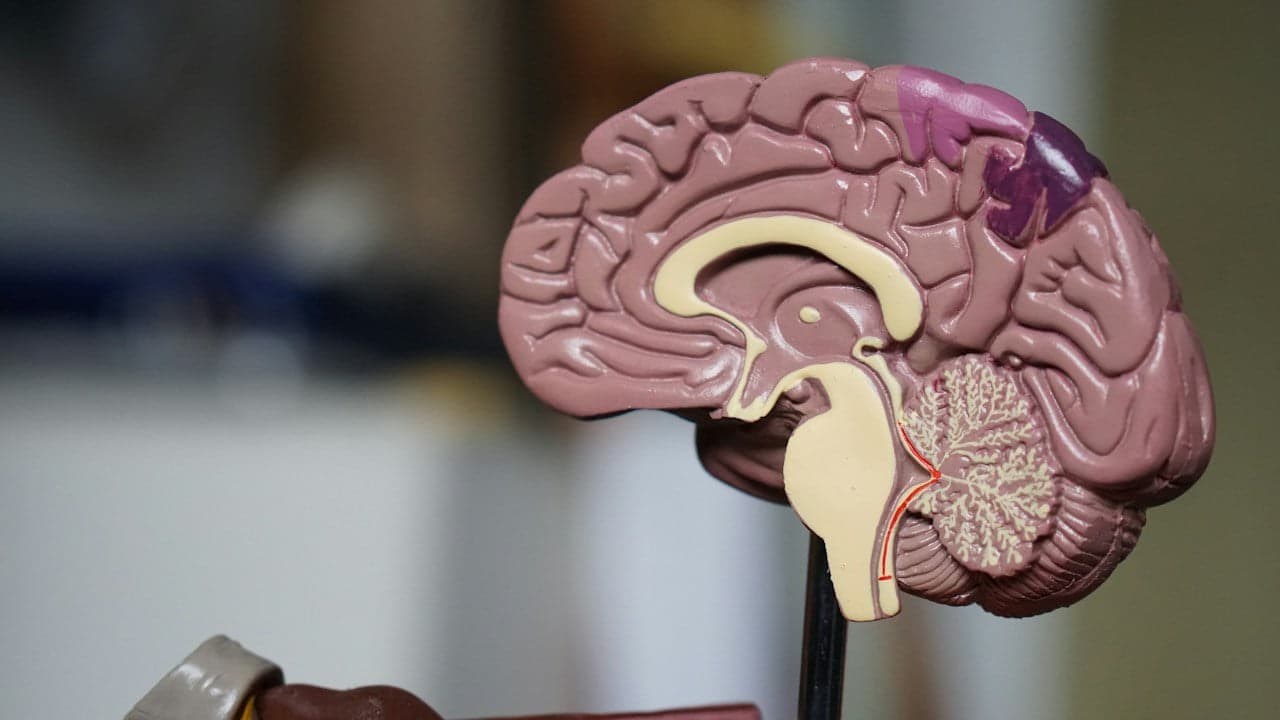
A rare genetic variant known as the Christchurch mutation prevents the accumulation of toxic proteins linked to Parkinson's disease and Lewy body dementia, according to mouse experiments at Oregon Health & Science University. The biomedical innovation, published in Cell Reports, points to a potential gene therapy approach that could shield both motor and cognitive brain functions from neurodegenerative decline.
Biology

Cryo-EM Reveals How TACO1 Keeps Mitochondrial Protein Synthesis Moving

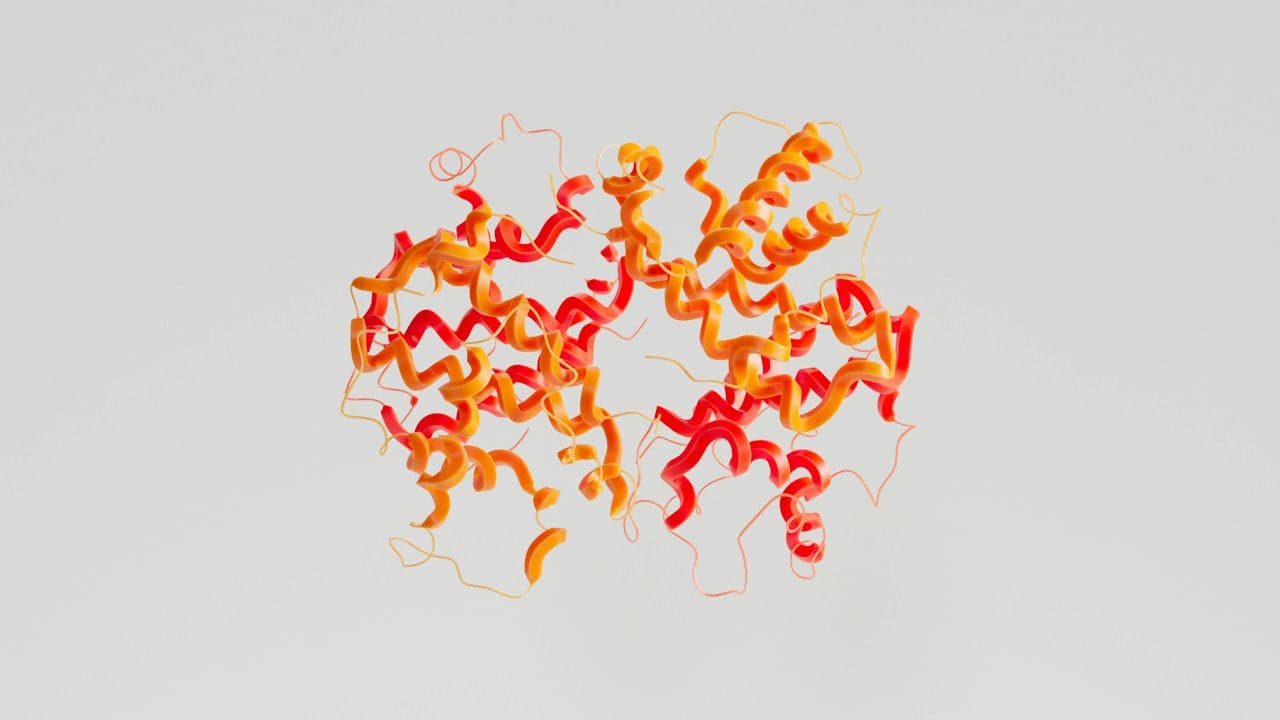
Biochemists at Karolinska Institutet have uncovered how a regulatory protein called TACO1 prevents cellular power plants from stalling during protein synthesis. The study, published in Nature Communications, reveals the molecular mechanics that keep mitochondrial ribosomes moving through difficult sequences of amino acids, offering critical insight into rare metabolic disorders.

Biology

Gene Editing Produces First G0 Population of Pacific Abalones

Marine biologists at the Institute of Oceanology of the Chinese Academy of Sciences have produced a founder generation of roughly 100 genome-edited Pacific abalones. The biological innovation establishes a complete rearing workflow that keeps mutated larvae alive through metamorphosis into juvenile shellfish.

Biology

Why ASPM Mutations Strike the Human Brain Harder Than Other Mammals

Genetic mutations linked to microcephaly leave human brains severely underdeveloped while sparing laboratory mice with the same defect. A research team at the VIB-KU Leuven Center for Neuroscience has resolved this evolutionary puzzle by tracking early cellular growth in human tissue models. Their scientific innovation shows that defects in the ASPM gene selectively target the stem cells that allow human brains to expand.

Chemistry

Soil Bacterium from Iran Yields Two New Chemical Compounds

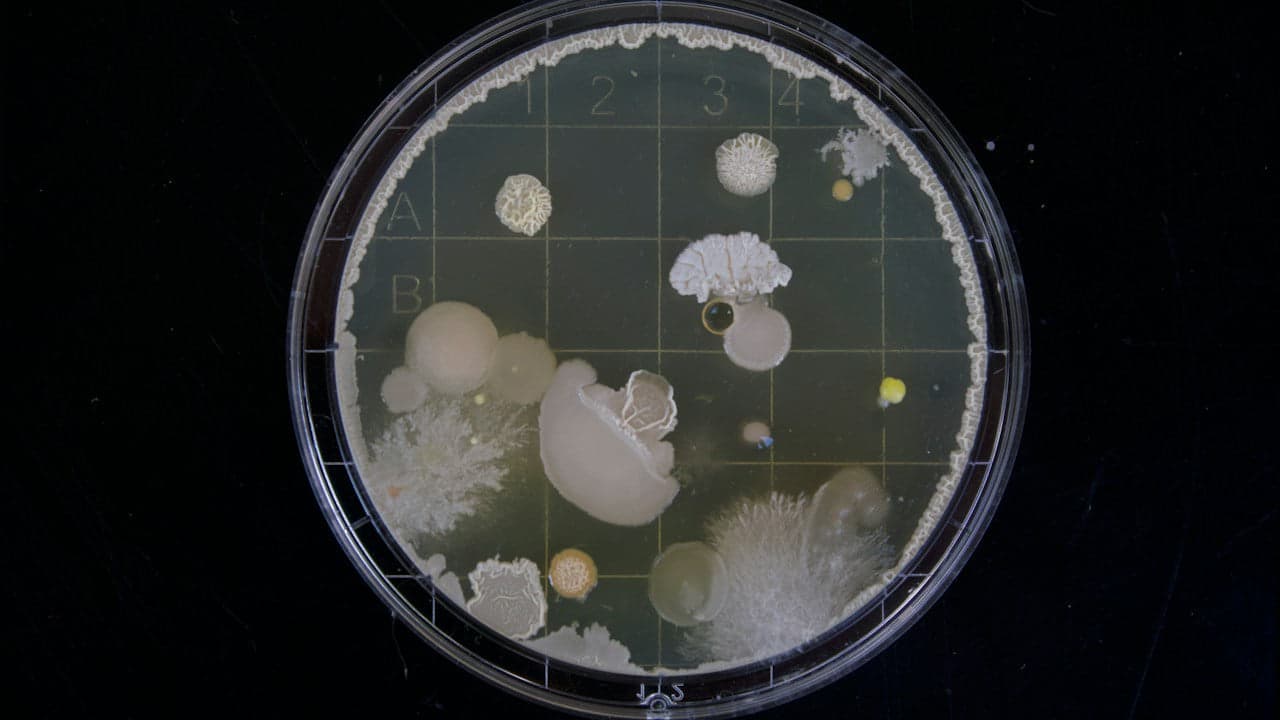
Biochemists in Germany have isolated two previously unknown natural molecules, lavasamycin A and B, from a bacterial strain collected in Iran. The study shows that lavasamycin A stops the growth of Bacillus subtilis, pointing to chemical structures that could aid the invention of new antimicrobial agents.

Giovanni Sapere

Biology

SmartPE Boosts Prime Editing in Dicot Crops

Molecular biologists have struggled to adapt prime editing to broad-leaved plants because editing rates in dicot species routinely lag behind those in grasses. To overcome that barrier, researchers at the Chinese Academy of Sciences developed an engineered prime editing system called SmartPE. The biological invention, published in Nature Plants, raises target modification rates across tomato, soybean and rapeseed tissues.

Letizia Giugliano

Biology

Dual-Color Bioluminescence Turns Glowing Plants into Living Biosensors

Scientists at the MRC Laboratory of Medical Sciences and commercial partner Light Bio have engineered a dual-color autoluminescent system that tracks plant immune defenses in real time. The approach bypasses metabolic fluctuations by measuring the ratio between green and red light emissions rather than raw brightness. The work, published in Nature Plants, converts self-sustained light emission into a precise quantitative tool for tracking plant health over extended timeframes.

Giovanni Sapere

Biology

How a Myosin Gene Dictates Left or Right Coiling in Japanese Snail Shells

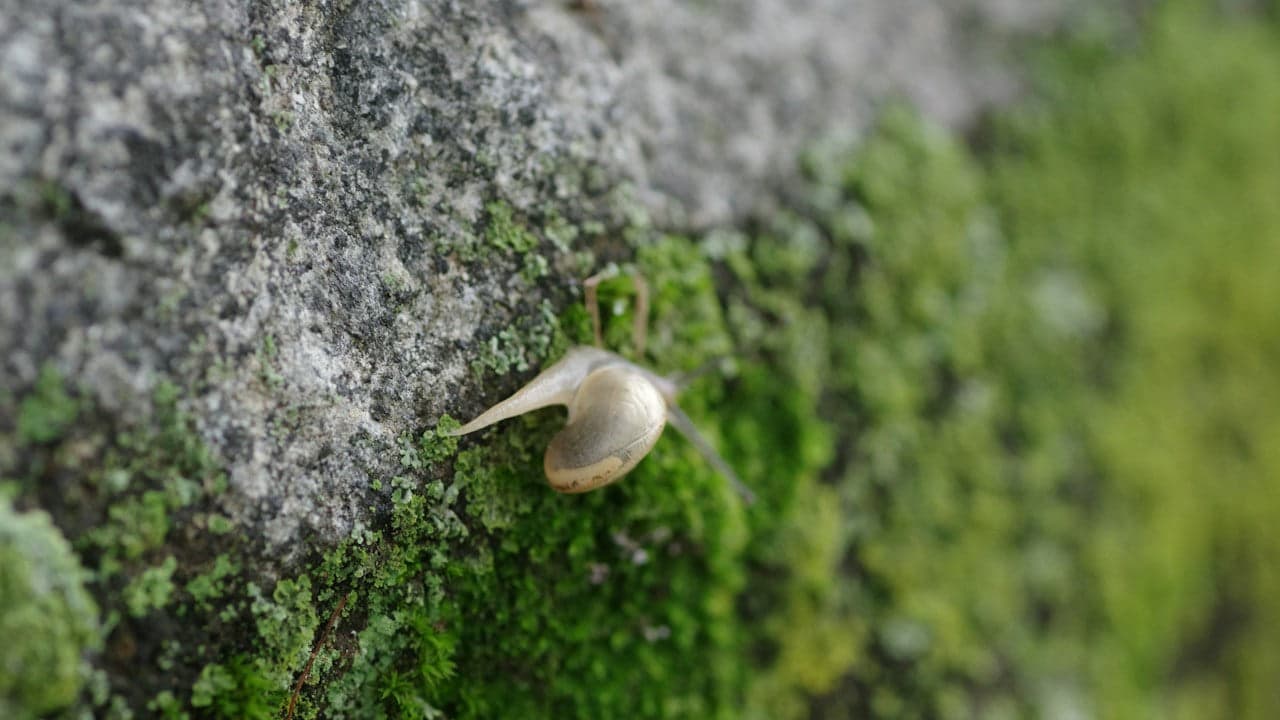
Researchers from the University of Nottingham and Tohoku University have identified the specific genetic mechanism determining whether snail shells coil to the left or to the right. The biological discovery links structural variations in the motor protein myosin to early embryonic cell twisting in wild Japanese snails. Published in October 2026, the findings explain how organisms establish fundamental left-right asymmetry without congenital developmental defects.

Letizia Giugliano