biochemistry

Biology

Cryo-EM Reveals How TACO1 Keeps Mitochondrial Protein Synthesis Moving

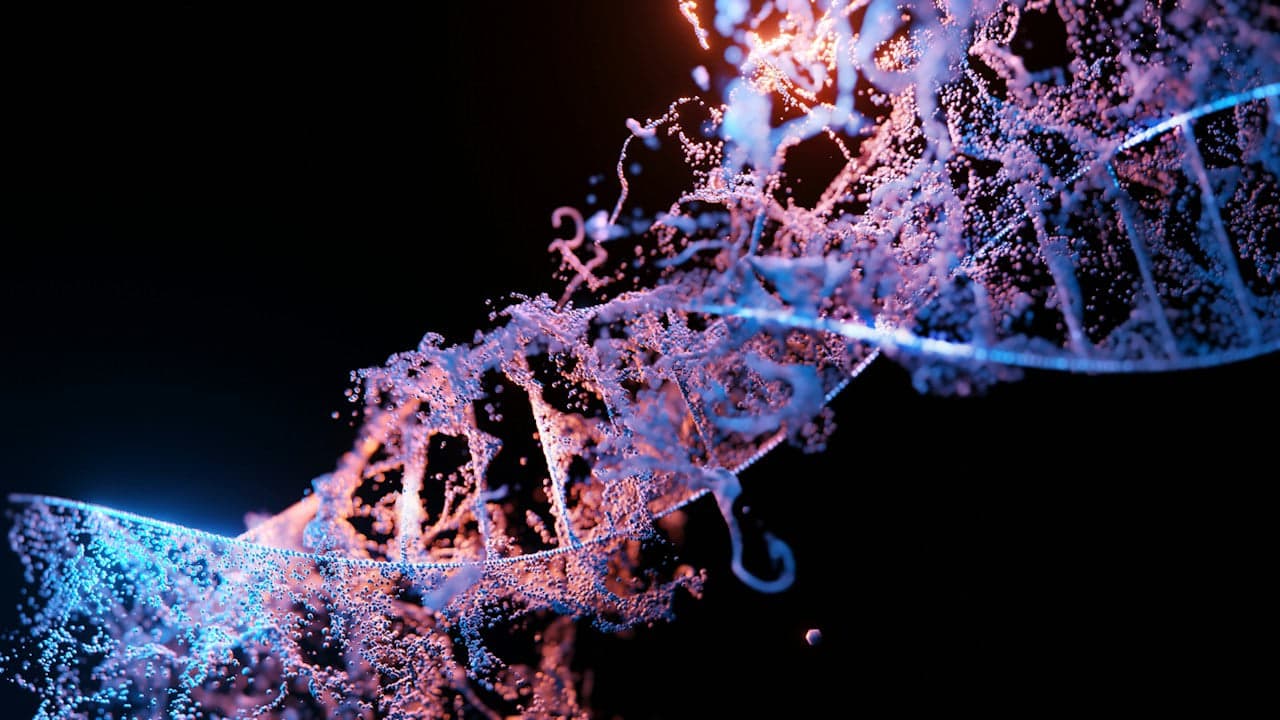
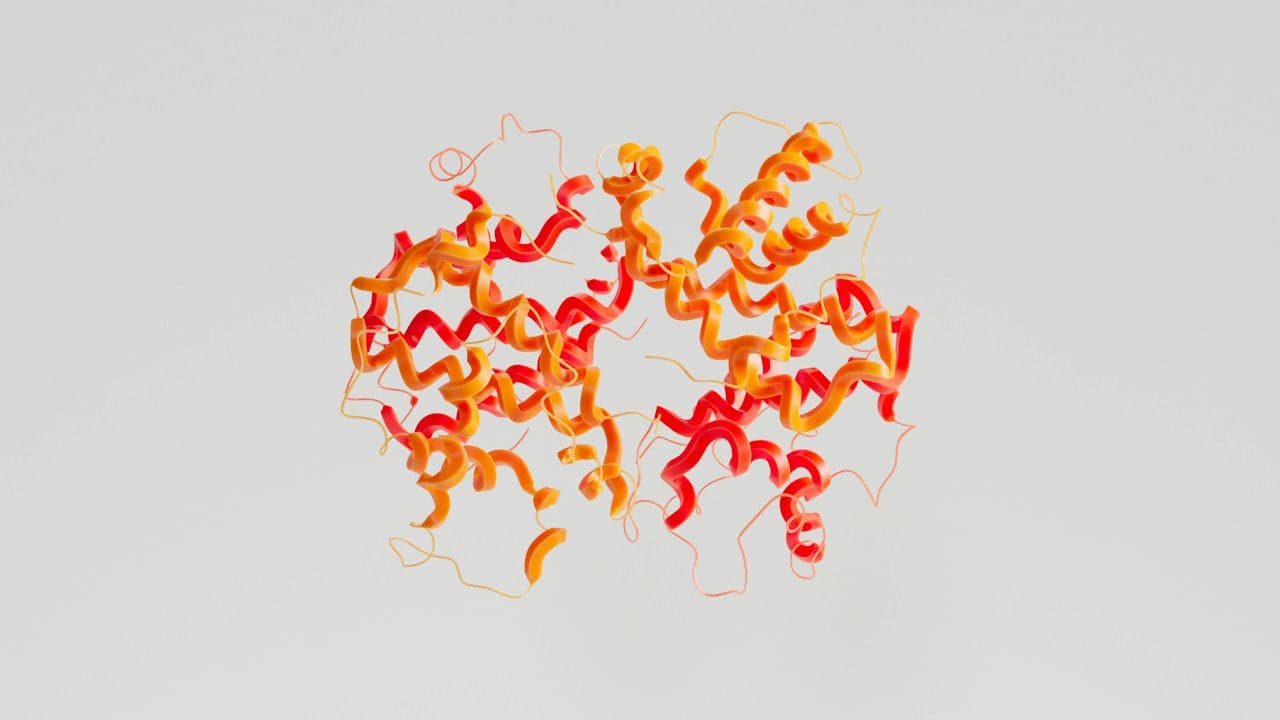
Biochemists at Karolinska Institutet have uncovered how a regulatory protein called TACO1 prevents cellular power plants from stalling during protein synthesis. The study, published in Nature Communications, reveals the molecular mechanics that keep mitochondrial ribosomes moving through difficult sequences of amino acids, offering critical insight into rare metabolic disorders.
Chemistry

Activating Enzymes Switches on Cellular Protein Degradation Machinery

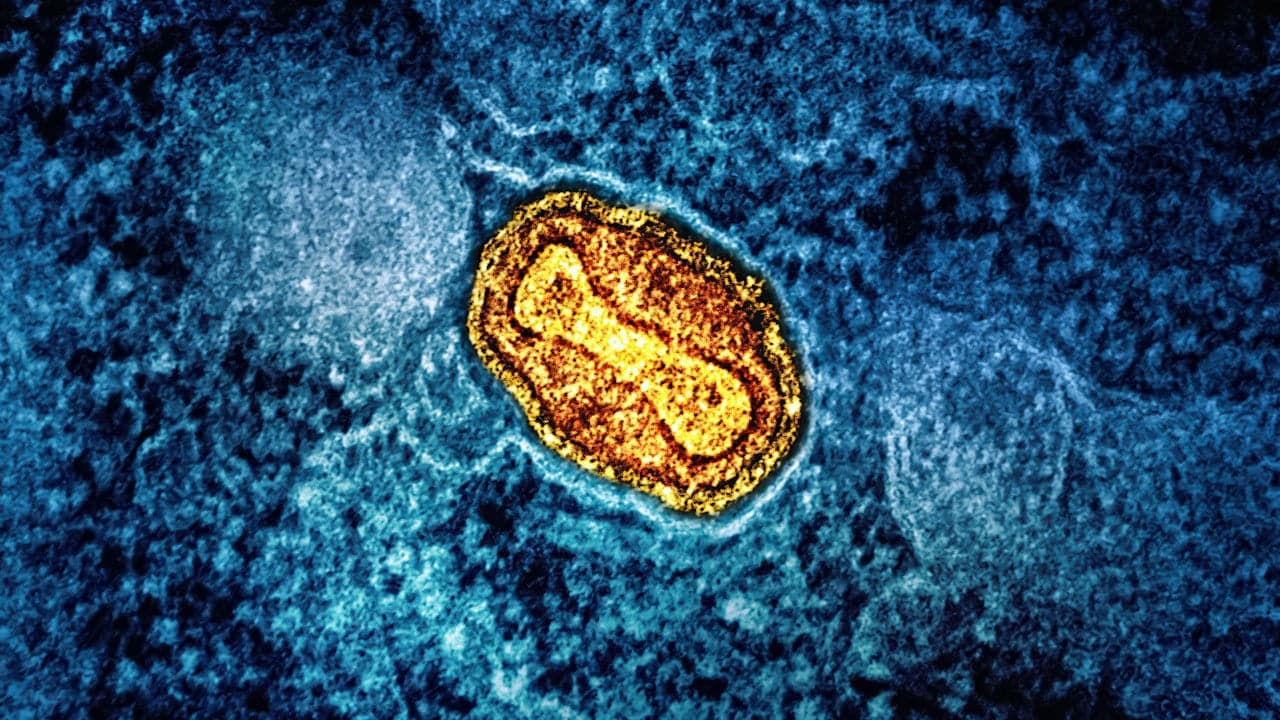
A research team has devised a method to activate protein degradation machinery inside living cells, according to reporting published by [C&EN – Chemical & Engineering News](https://cen.acs.org/biological-chemistry/biochemistry/new-approach-switches-protein-degradation/104/web/2026/11?sc=230901_cenrssfeed_eng_latestnewsrss_cen). The biochemical innovation works by stimulating a specific enzyme to trigger the clearance of target proteins.

Science

Oldest dinosaur blood cells and heme found in 115-million-year-old fossil

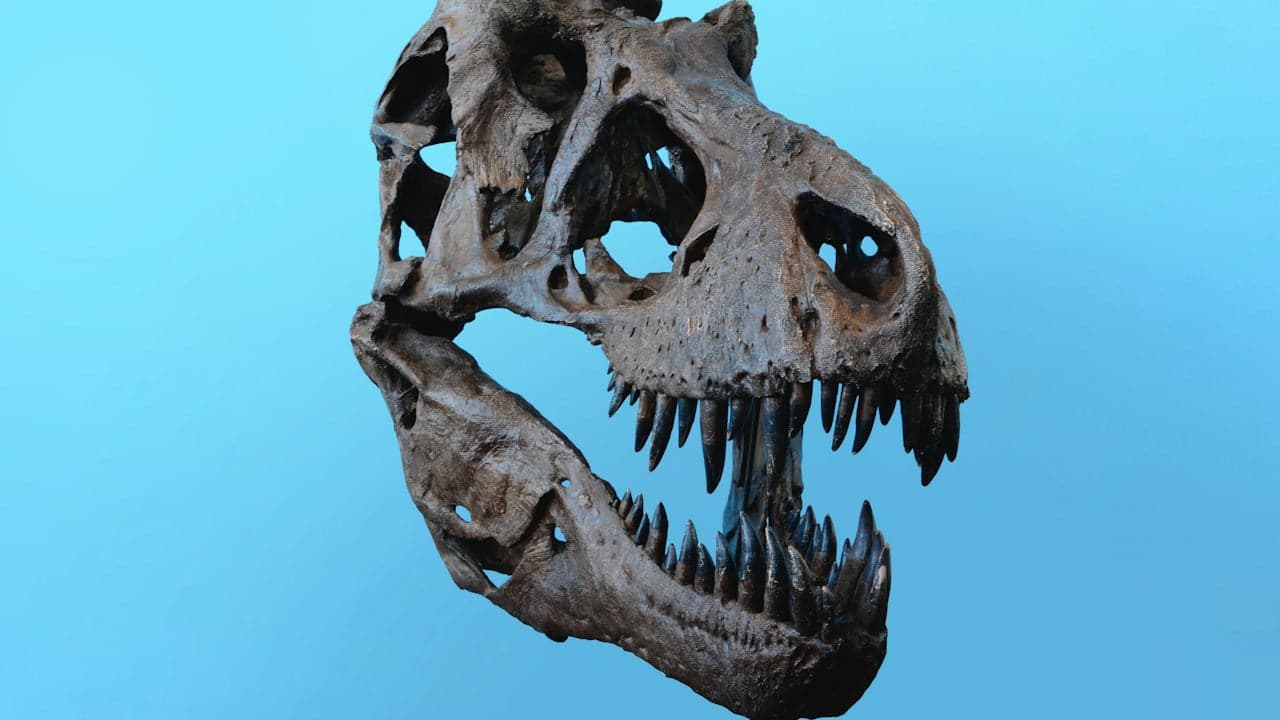
A research team led by Curtin University has identified chemically intact red blood cells and heme biomolecules in a 115-million-year-old dinosaur fossil. The study, published in the Proceedings of the National Academy of Sciences, provides the oldest chemical evidence of blood in the vertebrate fossil record. The findings demonstrate that complex organic molecules can endure deep geological time when preserved under specific mineral conditions.

Biology

Ancestral Enzyme Variant Generates ATP with Fewer Amino Acids

Biochemists at Waseda University and the RIKEN Center for Integrative Medical Sciences have engineered a simplified ancestral enzyme that generates cellular energy without the amino acid traditionally required for the reaction. The biological invention, an engineered variant designated Arc1-12KR, produces adenosine triphosphate by combining two precursor molecules at a rate 7,500 times faster than earlier synthetic models. Described in research released in October 2026, the work provides a structural framework for designing stripped-down catalytic proteins.

Letizia Giugliano

Chemistry

Soil Bacterium from Iran Yields Two New Chemical Compounds

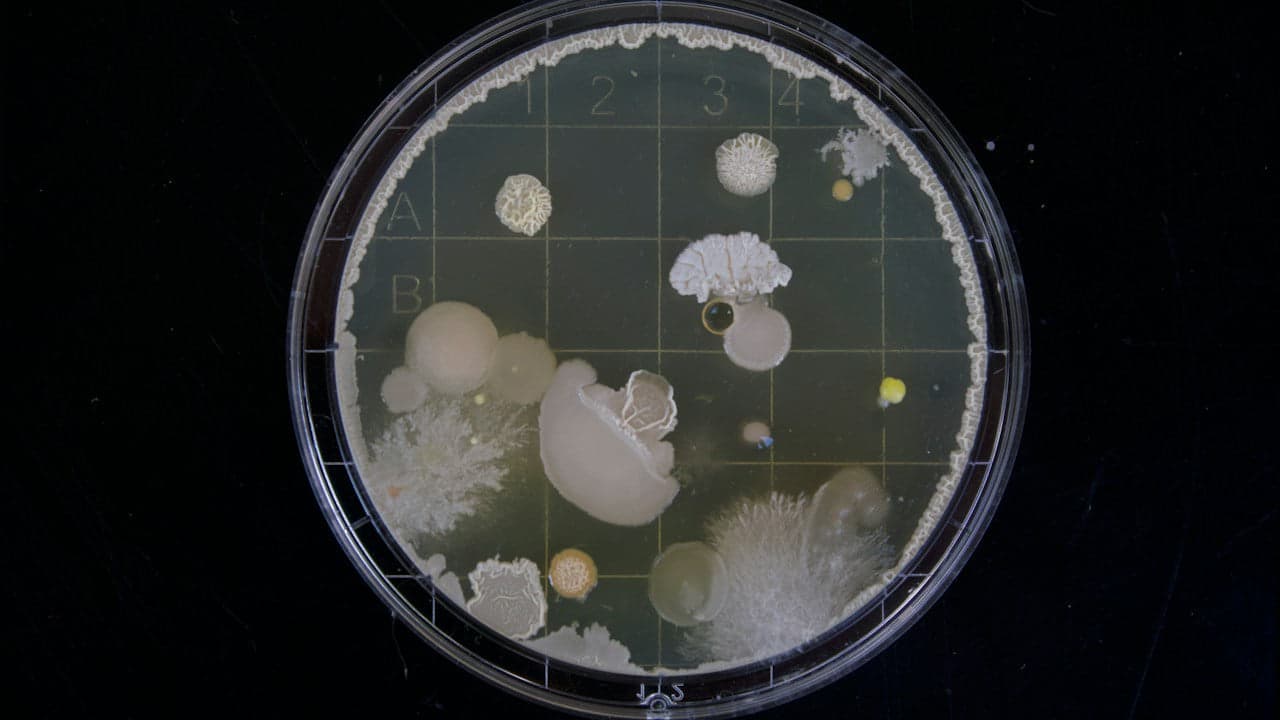
Biochemists in Germany have isolated two previously unknown natural molecules, lavasamycin A and B, from a bacterial strain collected in Iran. The study shows that lavasamycin A stops the growth of Bacillus subtilis, pointing to chemical structures that could aid the invention of new antimicrobial agents.

Giovanni Sapere

Makers

Study Finds Plastics Generate Reactive Radicals in Water

A scientific study published in Nature has disproven the longstanding assumption that plastics remain chemically inert in aquatic environments. Researchers led by Naixin Qian discovered that common polymers generate reactive hydroxyl radicals upon contact with water, causing measurable damage to living cells.

Letizia Giugliano