EU Commission Funds 46 Raw Material Projects for Battery Industry
Initiatives across 16 member states aim to secure critical resources for electric vehicle production.
By Letizia Giugliano
1 min readHuman-Edited, AI-Assisted
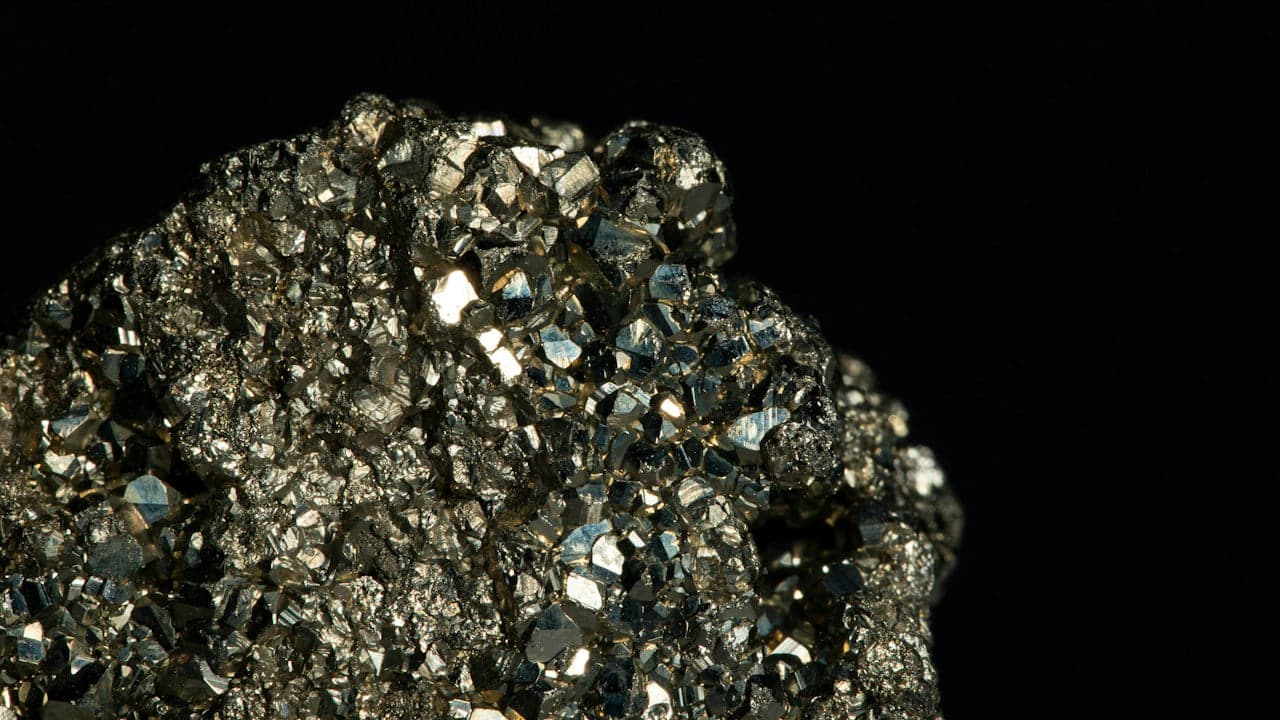
The EU Commission has recently approved 46 new strategic raw material projects across 16 member states, focusing on securing essential resources for the burgeoning battery industry [Electrive](https://www.electrive.com/2026/10/09/eu-commission-selects-46-new-raw-materials-projects/). This move is designed to bolster Europe's supply chain for electric vehicle batteries and other critical technologies.
Boosting Europe's Raw Material Supply
The EU Commission announced the selection of 46 additional strategic raw material projects. These initiatives are distributed across 16 member states Electrive. Strategic raw materials are defined as those deemed vital for the economy and whose supply is subject to potential risks. A significant portion of these projects targets materials crucial for battery manufacturing, including lithium, nickel, cobalt, manganese, and graphite Electrive. Germany is a key participant, with eight projects selected within its borders Electrive.
Criticality for the Battery Industry
The selected raw materials are fundamental components for advanced battery technologies, particularly those used in electric vehicles (EVs) Electrive. Lithium is essential for cathodes, while nickel and cobalt contribute to energy density and stability. Manganese can enhance safety and reduce costs, and graphite is a primary material for anodes. Securing a stable and diverse supply of these materials is vital for the European battery industry to reduce reliance on external sources and support the growth of sustainable mobility within the continent Electrive.
Future Implications for EV Manufacturing
These investments by the EU Commission are expected to strengthen the entire value chain for electric vehicle manufacturing in Europe Electrive. By developing domestic raw material sources and processing capabilities, the EU aims to foster innovation and reduce geopolitical risks associated with material procurement. The focus on these 46 projects reflects a strategic effort to build a resilient and competitive European industrial base for batteries and electric mobility, aligning with broader environmental and economic goals Electrive.
Read also on The Patent: “Venusian” batteries that can withstand 500 degrees Celsius · New step toward quantum brain