Olymp Loses EU Appeals for Color Combination Trademarks
The General Court's recent decisions reinforce that multi-color marks often lack inherent distinctiveness in the European Union.
By Letizia Giugliano
2 min readHuman-Edited, AI-Assisted
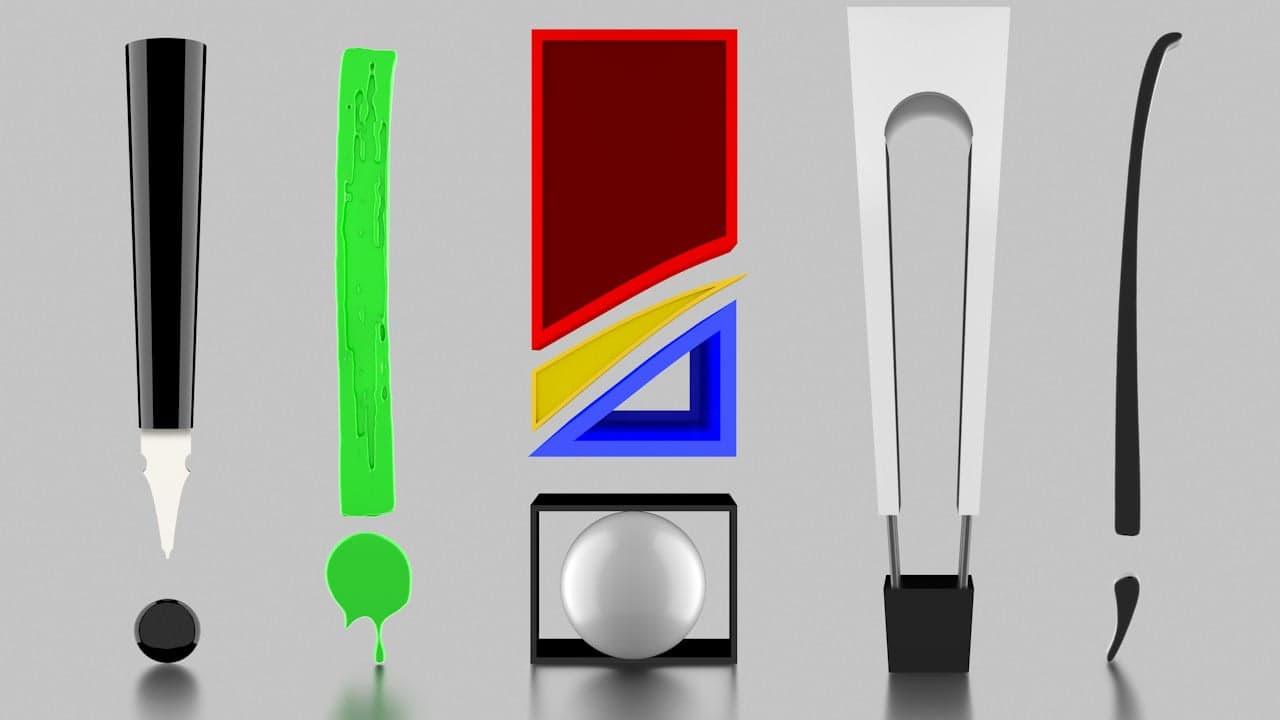
German textile company Olymp has lost two appeals before the European Union's General Court concerning the registration of color combination marks. These decisions highlight the ongoing challenges for businesses seeking to protect brand elements through non-traditional intellectual property rights in the EU, particularly when relying on color alone for distinctiveness.
The Challenge of Color Combination Marks
In the European Union, a trademark, a key form of intellectual property, can be a sign used to distinguish the goods or services of one undertaking from those of other undertakings. This protection is as vital for brand identity as a patent is for a new invention. While single-color marks are notoriously difficult to register due to the need to keep colors available for all competitors, the situation for marks combining two or more colors is also complex The IPKat. Recent rulings from the General Court, the EU's second-highest court, indicate that even with a lower burden to keep colors available for competitors, these combinations are frequently not considered inherently distinctive, posing a challenge for brand innovation.
General Court's Rationale on Distinctiveness
The General Court issued decisions in cases T-834/25 and T-835/25, which involved Olymp's attempts to register specific color combinations as trademarks The IPKat. The court found that these multi-color arrangements lacked the necessary inherent distinctiveness. For a mark to be inherently distinctive, it must be capable of identifying the origin of goods or services without requiring consumers to be educated about its meaning through extensive use. The court's stance suggests that simply combining colors, without a specific arrangement or other elements, may not be sufficient to meet this threshold in the EU, presenting a hurdle for any new startup seeking unique brand protection.
Implications for Brand Protection in the EU
These decisions underscore a consistent approach by EU courts regarding non-traditional marks, particularly those based on color. Companies like Olymp seeking to protect their branding through color combinations must demonstrate that these marks are not merely decorative but serve a clear source-identifying function for consumers The IPKat. This often means relying on proof of 'acquired distinctiveness' through extensive use in the market, rather than inherent distinctiveness, which can be a more challenging and costly path for brand owners. These insights are vital for anyone following patent news and the broader field of intellectual property, and are regularly covered by the patent magazine.
Read also on The Patent: HumanCulture's AI Predicts Social Media Music Performance · PERU: THE BORDER MEASURES IN SAFEGUARD OF THE INTELLECTUAL RIGHTS