Experimental Alloys Resist Fracturing at -253 Degrees Celsius
Niobium and titanium alloys reorganize their internal crystal structures to absorb stress under deep cryogenic conditions.
By Letizia Giugliano
2 min readHuman-Edited, AI-Assisted
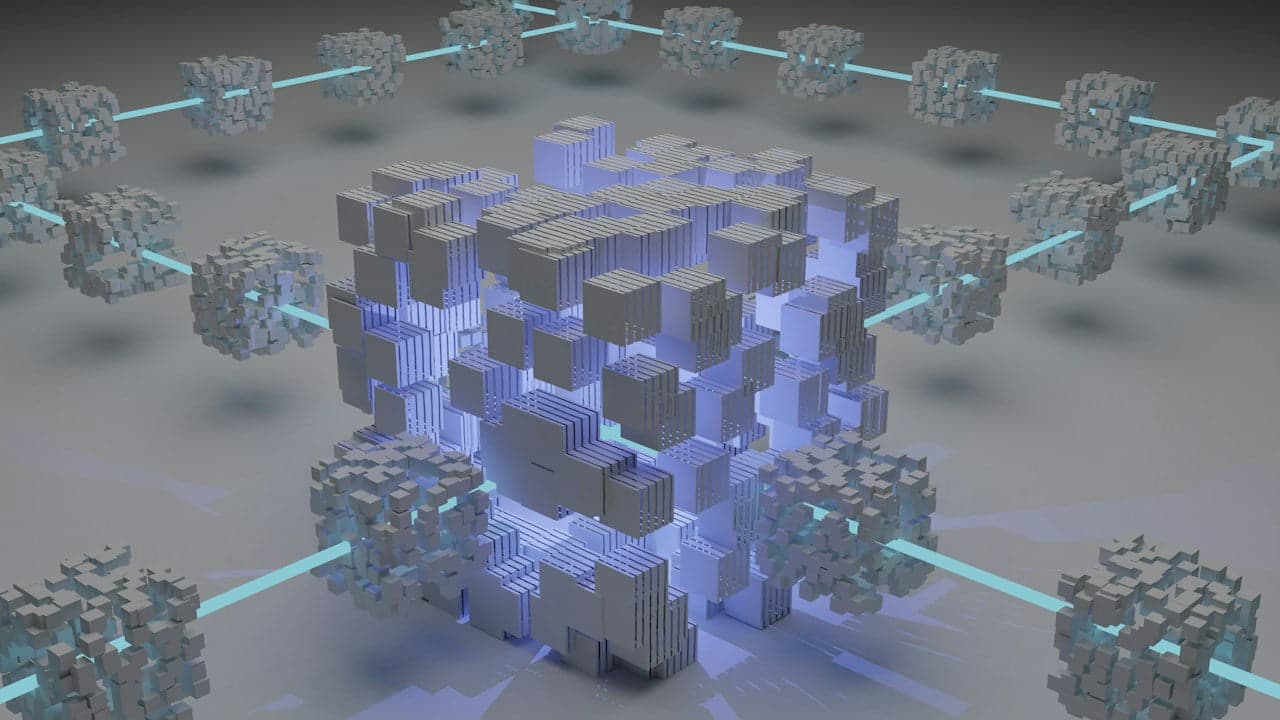
Two experimental niobium-titanium alloys stay flexible and resist cracking at -253°C, according to research published on October 14 in Nature. An international research team led by the University of California, Berkeley, Lawrence Berkeley National Laboratory, and the University of Oxford discovered that the metals reorganise internally under mechanical stress. This metallurgical innovation alters how materials might be designed for extreme cold in energy systems and space exploration.
Why extreme cold locks body-centered cubic crystals
Body-centered cubic metals such as iron, tungsten, and chromium tend to turn brittle as temperatures plunge, posing a persistent challenge for metallurgical innovation. Under room conditions, these materials adjust to mechanical loads through the movement of tiny lattice imperfections called dislocations, as explained in ScienceDaily. Atomic layers glide past each other along these defects, distributing force and preventing fractures from expanding. Dropping the temperature freezes dislocation motion. Because the crystal cannot change shape around high-stress areas, small surface flaws spread rapidly into complete structural breaks.
“What surprised us is that these alloys remain remarkably damage tolerant even at 20 kelvin.”
— Professor Dong Liu, Department of Engineering Science, University of Oxford
Nanoscale twinning generates alternative stress pathways
The two test alloys composed of niobium and titanium avoided this failure pattern down to 20 kelvin, or -253°C (-424°F). Instead of relying on conventional deformation, the materials initiate a process called nanoscale twinning, where micro-regions within the crystal mirror each other, according to the University of Oxford. This rearrangement takes place alongside a local crystal phase transformation. When these reoriented crystal zones collide with neighboring crystal boundaries, they generate localized stress spikes that trigger brand new dislocations, allowing the metal to absorb heavy mechanical loads rather than crack.
Rethinking cryogenic metallurgy for aerospace and energy
The study changes existing metallurgy theories that measure low-temperature toughness solely by how existing defects move. Generating new dislocations at structural interfaces provides a fresh mechanism to preserve ductility, as Oxford engineering researcher Dong Liu and lead author David Cook observed in ScienceDaily. This structural invention provides engineers with design parameters for components facing severe thermal fluctuations in aerospace engineering, space exploration, and cryogenic fuel systems, potentially guiding future patent filings for extreme materials.
Read also on The Patent: Rockefeller University Engineers TrUDI Platform for Deep Brain Imaging · Microfluidic chip screens leukemia drug therapies in children