aerospace

Space

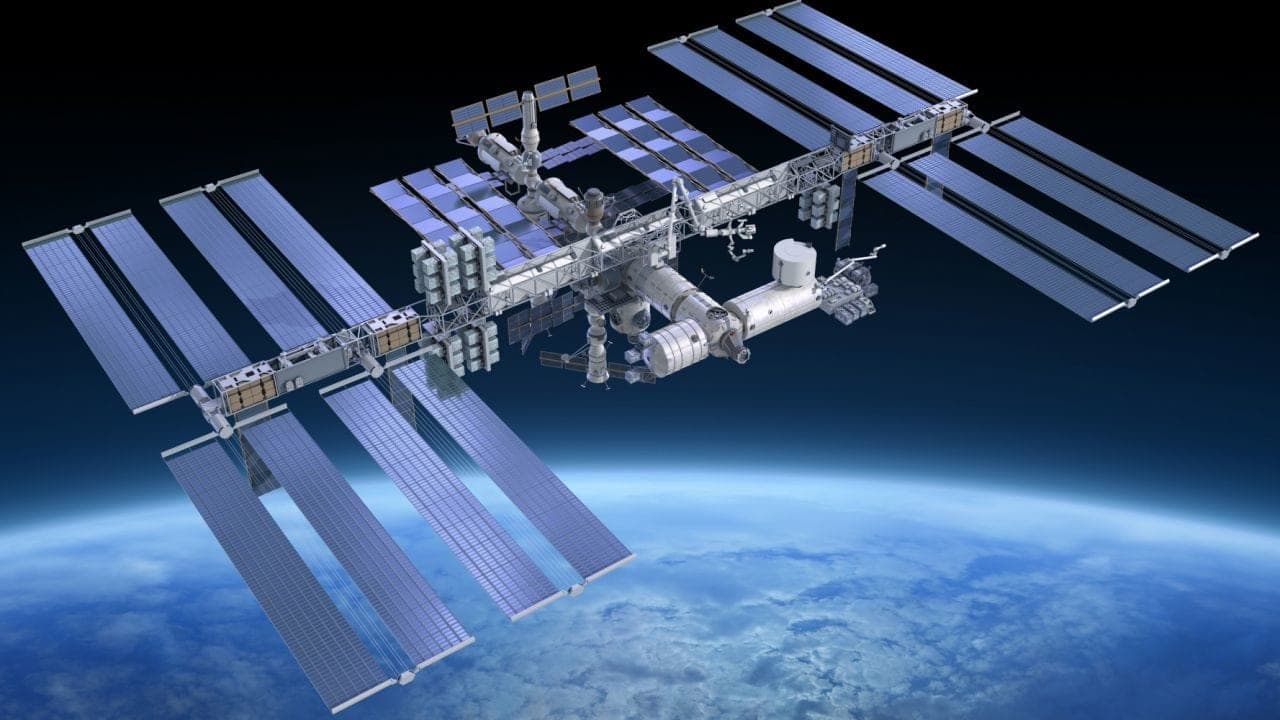
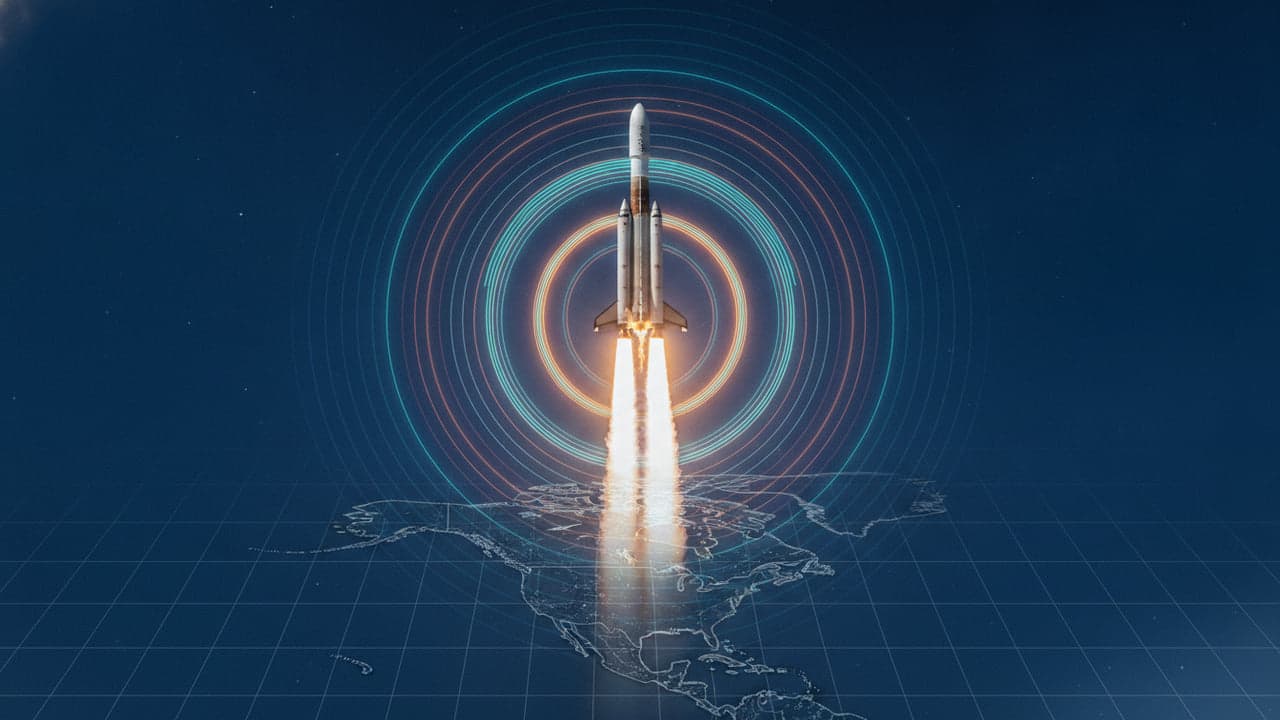
Artemis II Rocket Burns Created Ionospheric Holes and Disrupted GPS Signals

Launches into space generate shock waves and exhaust plumes that reach well beyond the launch pad. A recent pre-print study documented by [Hackaday](https://hackaday.com/2026/11/07/artemis-ii-rocket-was-powerful-enough-to-disrupt-gps/) shows that the Space Launch System rocket flown during the Artemis II mission generated widespread disruptions in Earth's upper atmosphere, altering the ionosphere enough to interfere with satellite positioning signals.

Letizia GiuglianoWith AI support · reviewed by Giovanni Sapere
Robotics

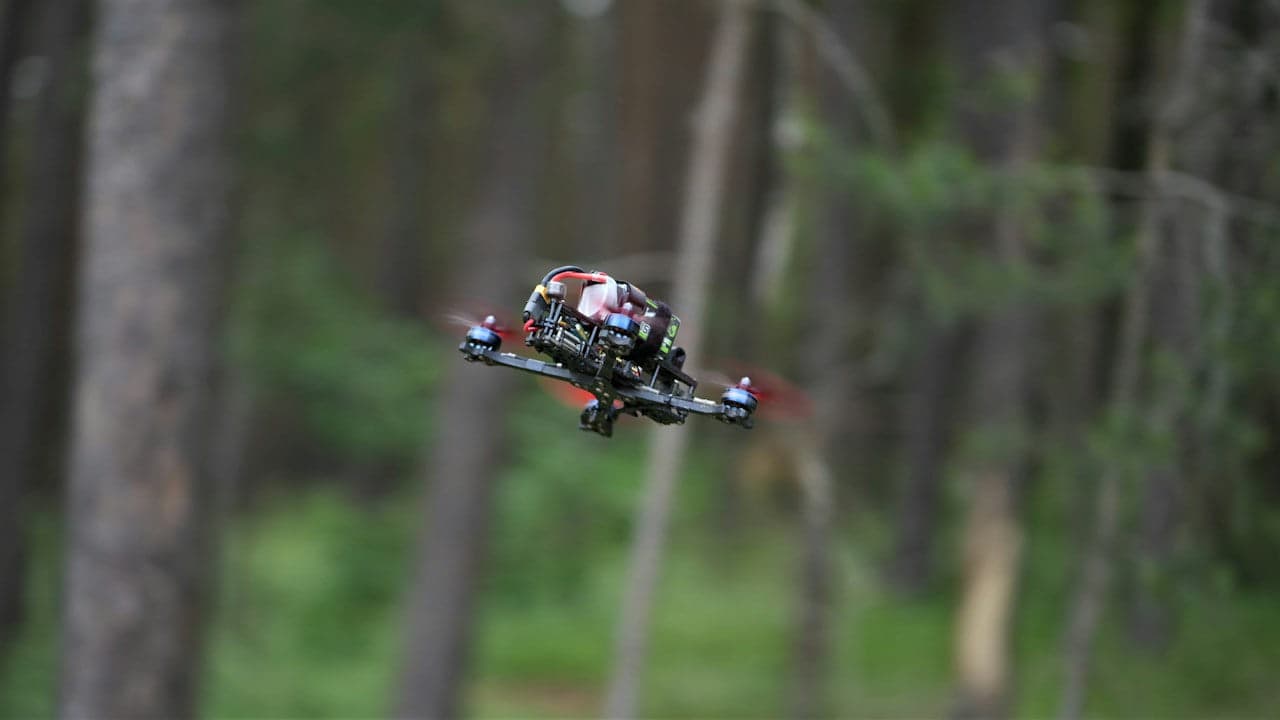
Hopcopter Adds an Articulated Foot Pad for Rough Terrain

Engineers at the University of Toronto and two Hong Kong universities have upgraded the Hopcopter, a hybrid monopedal drone that hops and flies. By adding an articulated foot pad, the team stabilized landings on unpredictable ground, bringing the dual-mode robotics platform closer to commercial use.

Letizia GiuglianoWith AI support · reviewed by Giovanni Sapere

Operations & Transport

NASA unveils X-70 Fractal experimental aircraft for flight control research

NASA presented its newest crewed experimental aircraft, the X-70 Fractal, on November 4, 2026, during the UP.Summit at Kennedy Space Center in Florida. The agency designed the platform to accelerate aerospace innovation by flight-testing reconfigurable control systems and modular experimental hardware. Agency officials expect the aircraft to complete its first flight under the NASA banner within two years.

Giovanni SapereWith AI support · reviewed by Giovanni Sapere
Chemistry

Experimental Alloys Resist Fracturing at -253 Degrees Celsius

Two experimental niobium-titanium alloys stay flexible and resist cracking at -253°C, according to research published on October 14 in Nature. An international research team led by the University of California, Berkeley, Lawrence Berkeley National Laboratory, and the University of Oxford discovered that the metals reorganise internally under mechanical stress. This metallurgical innovation alters how materials might be designed for extreme cold in energy systems and space exploration.

Letizia GiuglianoWith AI support · reviewed by Letizia Giugliano

Physics

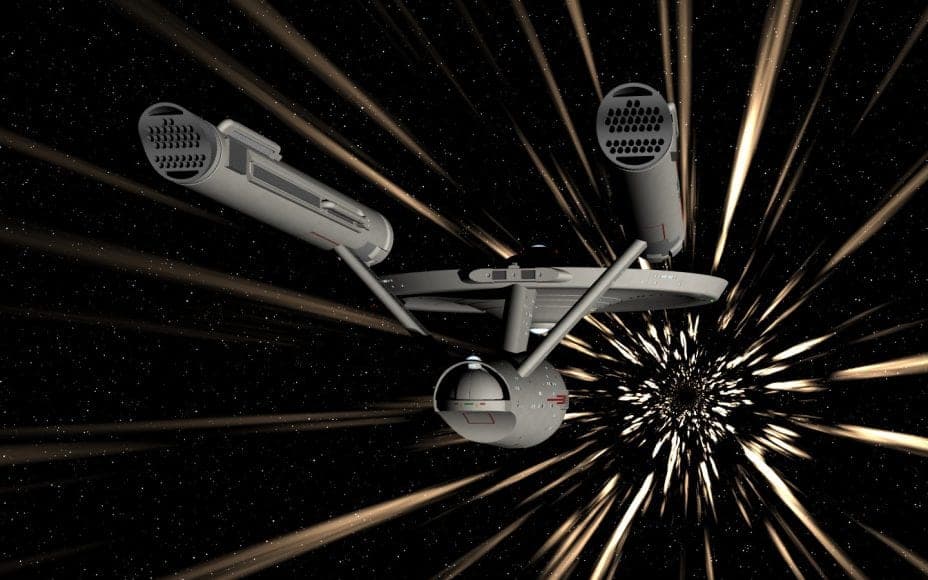
The first feasible warp drive model

Two astrophysicists have described the first feasible model of warp drive for spacecraft: in the future will we really be able to travel in space like Captain Kirk?

Giovanni Sapere

Eureka!

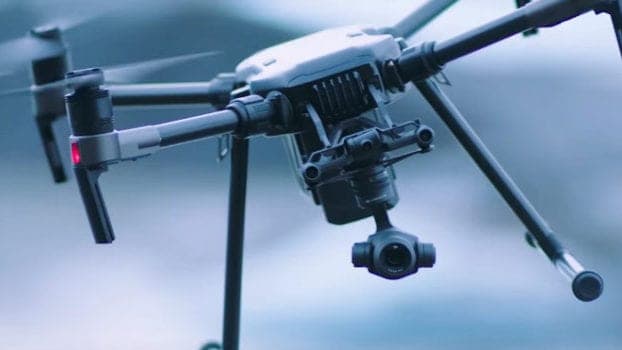
Goodbye Joystick: Now the drone will pilot you with the look

The new tool promises to help people with ALS To be able to effectively guide a drone with a glance, is no longer a utopia or a fantasy as teenagers, but rather a magic that becomes reality. That dreamed and imagined future has finally arrived, to be precise in the warm island of Sardinia where,

Ilaria Cuomo