EU's EV4EU Project Advances Bidirectional EV Charging
The initiative developed a CCS charging prototype and open-source software to integrate electric vehicles into power grids.
By Giovanni Sapere
1 min readHuman-Edited, AI-Assisted
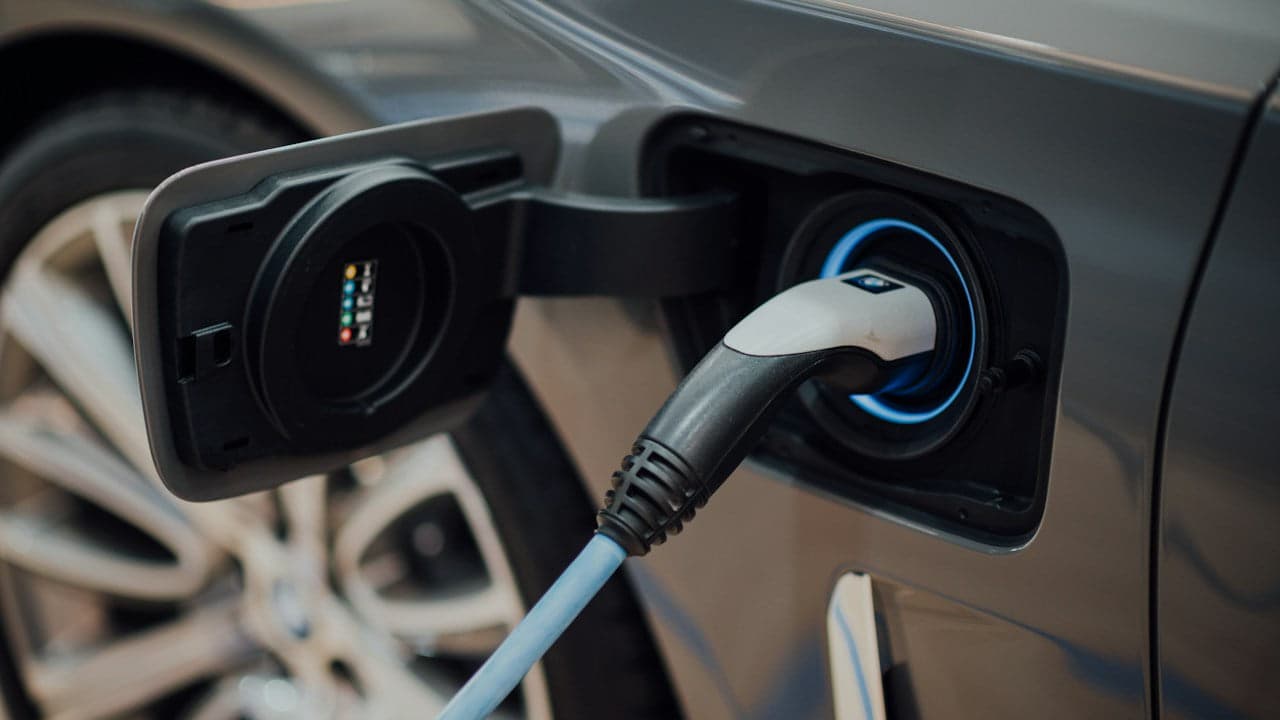
The European Union's EV4EU project has concluded its four-year effort, delivering key innovation in electric vehicle charging. This initiative focused on developing bidirectional charging solutions, which allow electric cars to not only draw power from the grid but also feed it back. The project's outcomes aim to enhance the adaptability of power systems by leveraging the energy stored in electric vehicle batteries [Electrive](https://www.electrive.com/2026/10/10/ev4eu-project-advances-bidirectional-charging/).
Developing Bidirectional Charging Solutions
The EV4EU project partners successfully created a bidirectional CCS charging prototype. This prototype represents a tangible advancement and a significant innovation in the field of electric vehicle technology, enabling vehicles to perform both vehicle-to-grid (V2G) and grid-to-vehicle (G2V) functions. Beyond hardware, the project also produced open-source software designed for charging point operators, which facilitates the management and operation of these advanced charging systems Electrive.
Enhancing Power System Adaptability
The core objective of the EV4EU project was to demonstrate how electric cars can significantly contribute to the flexibility and sustainability of the electrical power system, showcasing a key innovation in energy management. Through bidirectional charging, electric vehicles can act as mobile energy storage units, helping to balance grid loads and integrate renewable energy sources more effectively. The project showcased its findings through four demonstration projects, illustrating practical applications of this important invention Electrive.
Implications for Future Energy Grids
The conclusion of the EV4EU project after four years marks a step forward in integrating electric mobility with energy infrastructure. The developed prototype and software provide a foundation for future widespread adoption of bidirectional charging, representing valuable intellectual property and potential for a significant patent. This technology could play a crucial role in managing peak demand, supporting grid stability, and accelerating the transition to a more resilient and sustainable energy landscape by utilizing the collective energy storage capacity of electric vehicle fleets, also creating opportunities for new startup ventures Electrive.