Prototype

Gadget

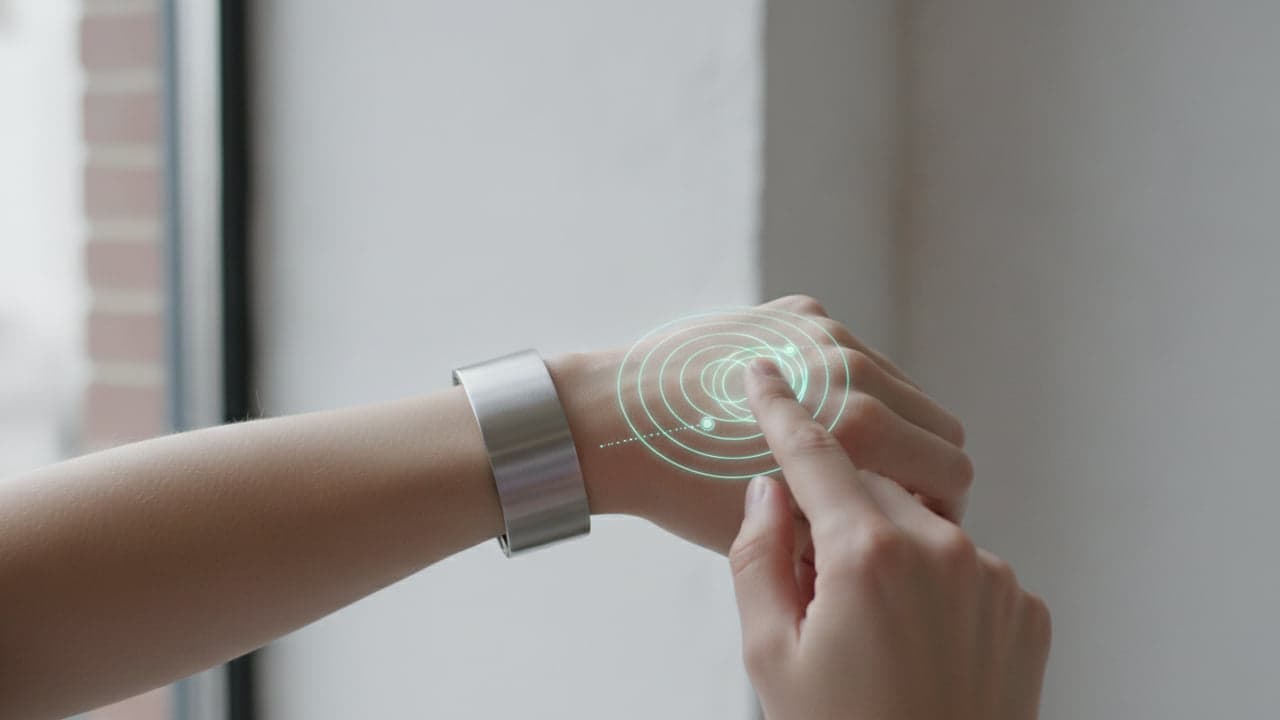
EpiPad Uses Radar to Turn Your Forearm into a Smartwatch Trackpad

An innovation developed by researchers at North Carolina State University turns the human forearm into an interactive trackpad for wearable devices. The system, called EpiPad, uses a millimeter-wave radar sensor to track finger motions and skin pressing firmness directly on the wearer's arm. Presented at the UbiComp/ISWC 2026 conference in Shanghai, the setup allows users to tap, pinch and zoom without obscuring compact displays.

Inventions

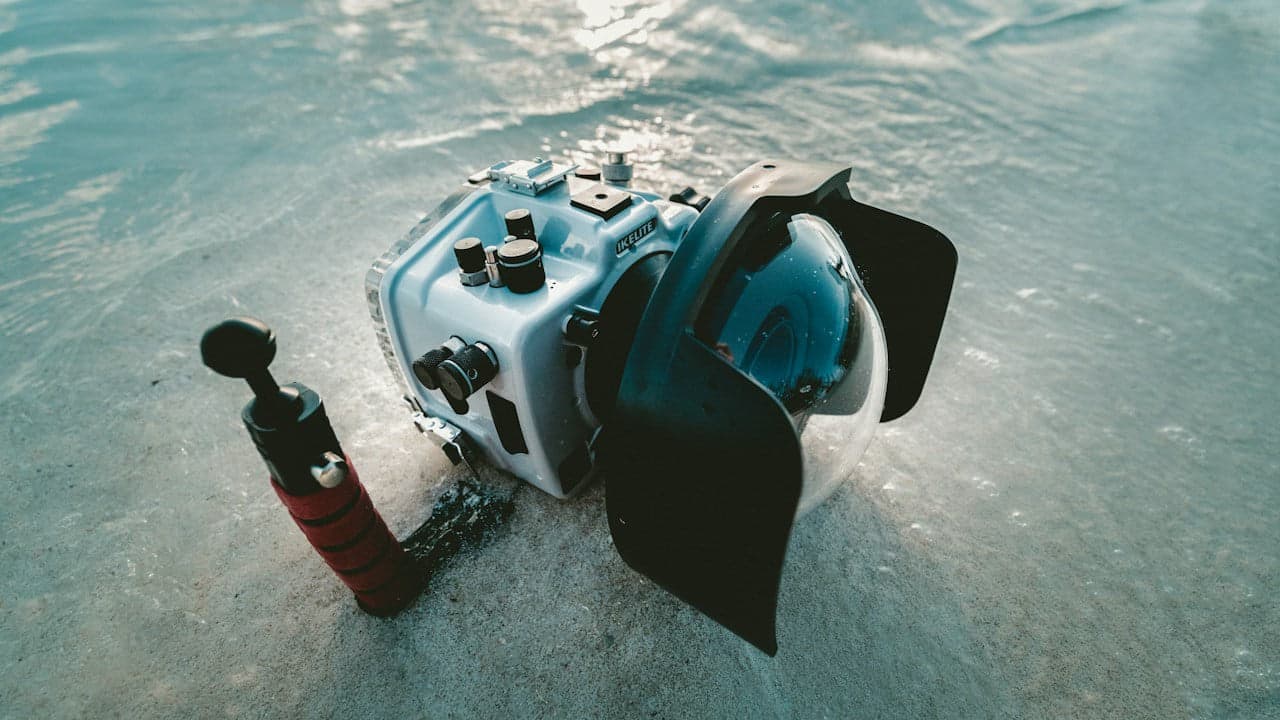
StereoGeoBox measures swimming fish weight in real time without full 3D maps

Researchers at Sultan Qaboos University and partner institutions have built an underwater camera system that estimates fish dimensions and weight on the fly. The invention, detailed in Computers and Electronics in Agriculture on October 23, 2026, bypasses resource-intensive complete depth maps by calculating geometry directly from paired bounding boxes. By processing visual data on a compact edge processor, the setup gives fish farms rapid growth tracking while avoiding the computational bottlenecks of standard stereo vision.

Robotics

A 3D-printed robot moth grows UV sensors using its own artificial blood

Engineers have built a moth-shaped prototype that uses an internal fluid circulation to grow light detectors directly on its wings. The development in soft robotics, carried out by teams at the University of Tartu in Estonia and the Italian Institute of Technology, enables a machine to form new hardware components after manufacturing rather than relying solely on pre-installed parts.

Robotics

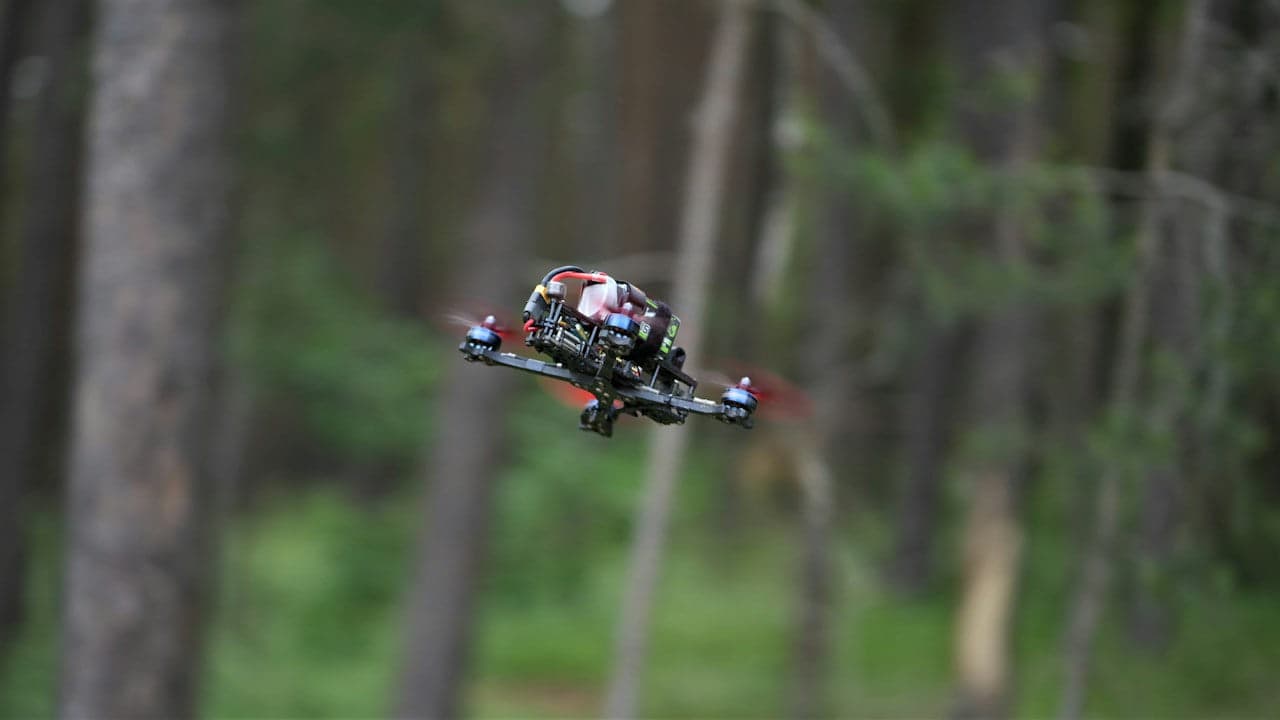
Hopcopter Adds an Articulated Foot Pad for Rough Terrain

Engineers at the University of Toronto and two Hong Kong universities have upgraded the Hopcopter, a hybrid monopedal drone that hops and flies. By adding an articulated foot pad, the team stabilized landings on unpredictable ground, bringing the dual-mode robotics platform closer to commercial use.

Robotics

China tests experimental submersible trimaran warship

Naval shipbuilders in China are testing an uncrewed missile vessel at Huludao on the Bohai Sea that conceals its hull beneath the surface before emerging to fire. The experimental trimaran design measures roughly 65 metres in length and reflects a growing convergence of naval engineering and autonomous robotics.

Letizia Giugliano

Inventions

Intestine-inspired biobattery generates eight times more power

Engineers at Binghamton University have developed a bacteria-powered biobattery that produces over eight times more electricity per unit volume than conventional flat designs. The biological invention copies the shape, material, and mechanics of the villi that line the human small intestine to keep electricity-generating microbes alive and active.

Giovanni Sapere

Prototypes

US Navy engineers build 3D-printed clip to stop unexploded submunition blasts

Two engineers at Naval Surface Warfare Center Corona Division have designed a mechanical clip that blocks the arming components of unexploded submunitions. The invention, developed for explosive ordnance disposal teams, replaces slow-setting plaster mixtures with an on-demand component produced using 3D printing.

Giovanni Sapere

Tech

Rockefeller University Engineers TrUDI Platform for Deep Brain Imaging

Biophysicists at Rockefeller University have developed a microscopy system that records neural activity deep within living brain tissue without requiring the surgical removal of overlying layers. The technical innovation, described in Nature Methods, boosts three-photon imaging efficiency by roughly 250 times while protecting delicate neural structures from heat damage.

Letizia Giugliano

Inventions

3D Printed Neural Implant Combines Brain Monitoring and Targeted Cooling

Scientists in Germany and the United Kingdom have developed a 3D-printed implant prototype that pairs brain activity recording with targeted cooling. Published in the journal Advanced Science, this biomedical invention targets drug-resistant focal epilepsy by combining electrical sensing and localized thermal suppression in a single miniature device.

Letizia Giugliano

Medicine

From Prototype to Deployment: The Regulatory and Engineering Barriers in Health Innovation

Navigating the pathway from laboratory concept to working deployment presents significant friction for healthcare and technology creators. On October 21, 2026, an editorial analysis published by Interesting Engineering outlined how emerging technical work in health and engineering often stumbles not on theoretical merit, but on integration, regulation, and supply chain constraints. Addressing these friction points is essential for every inventor seeking to move biomedical designs into standard clinical practice.

Letizia Giugliano

Inventions

Acoustic Tube Guides Matter Through Air Using Ultrasound

A research team led by the University of Helsinki has demonstrated an invention that transports liquids, mist, powders, and electric discharge through open air without solid containers. Powered by ultrasonic waves emitted by 256 miniature transducers, the contactless channel creates an invisible boundary that guides matter horizontally in midair.

Giovanni Sapere

Gadget

Ato Unveils a Radio-Style Voice Assistant Designed for Older Adults

Consumer technology startup Ato and industrial design studio Boostep have developed a tabletop artificial intelligence console created specifically for older adults who find mobile displays difficult to navigate. Styled like a retro domestic radio, the screen-free system relies on physical controls and spoken interactions to deliver family messages, reminders, and daily conversation.

Letizia Giugliano

Motors

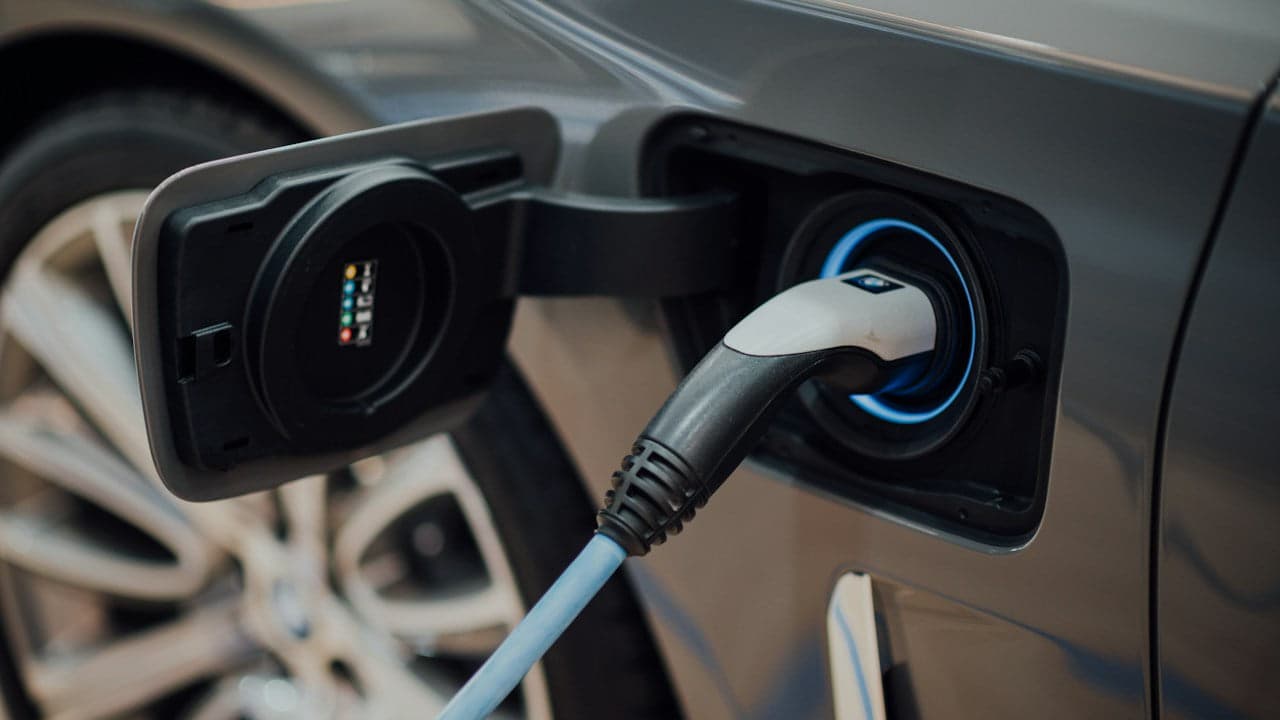
EU's EV4EU Project Advances Bidirectional EV Charging

The European Union's EV4EU project has concluded its four-year effort, delivering key innovation in electric vehicle charging. This initiative focused on developing bidirectional charging solutions, which allow electric cars to not only draw power from the grid but also feed it back. The project's outcomes aim to enhance the adaptability of power systems by leveraging the energy stored in electric vehicle batteries [Electrive](https://www.electrive.com/2026/10/10/ev4eu-project-advances-bidirectional-charging/).

Giovanni Sapere

Gadget

Discovering YESLAMP ACE

Over $41,000 raised on kickstarter for what Yeslamp says is the future of LED gaming lamps.

Giovanni Sapere

News

Humanoid Robot is about to enter in the living world!

The advantage of using Tesla’s vehicle robotic tech to build humanoid robots is that they’re an entirely separate product line from vehicles and can work in vehicle production and their own production.

editore