US health institute ties 58 genome regions to endometriosis in a million people
A meta-analysis of 14 biobanks published in Nature Genetics adds 27 previously unknown regions and finds shared genetics with 135 other conditions
By Letizia Giugliano
3 min read
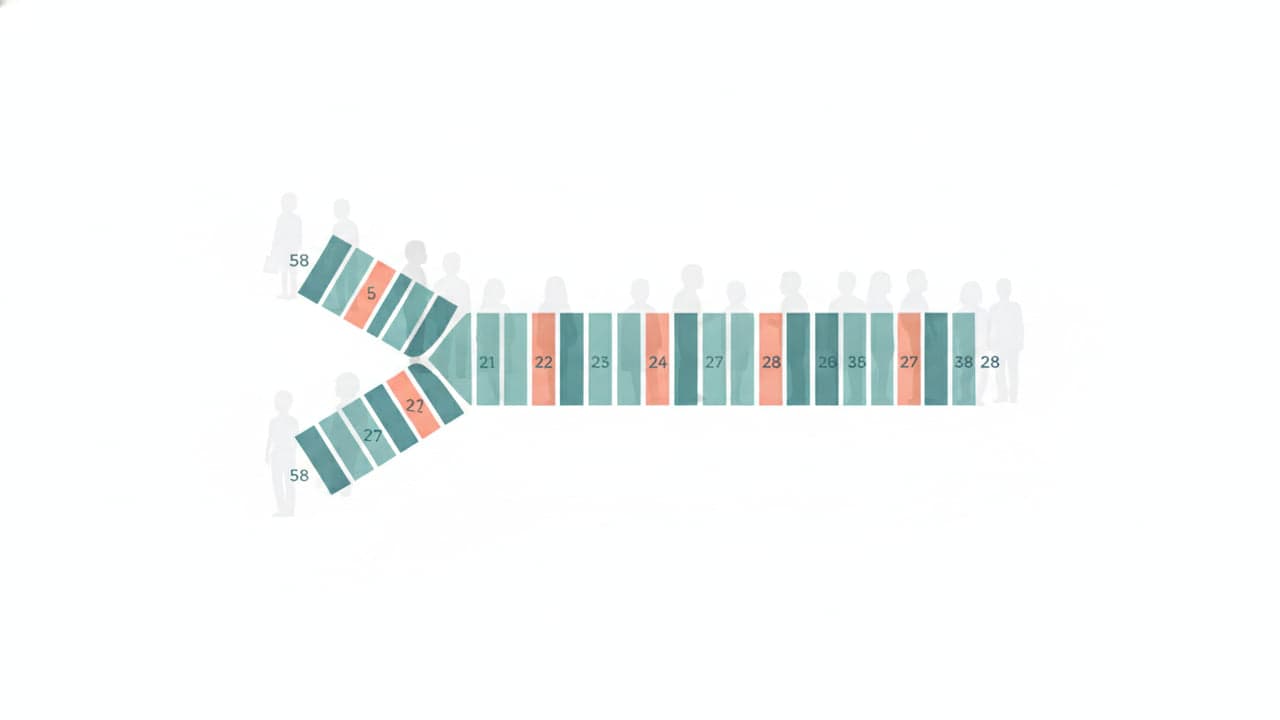
A study pooling genetic data from more than one million people has linked 58 genomic regions to endometriosis, 27 of them not recognized before. The work draws on 14 biobanks worldwide and includes a far larger share of participants of African and Admixed-American ancestry than earlier scans. Endometriosis affects up to one in 10 women and can cause severe pain and fertility problems; the US National Institutes of Health, which released the findings, says it is pursuing a cure.
Fourteen biobanks and more than one million participants
Earlier genome-wide association studies, which scan DNA for variants that turn up more often in people with a condition, had searched for endometriosis genes mostly in populations of European ancestry, with smaller East Asian samples. The new work pooled 14 biobanks worldwide and more than one million participants. More than 30% of those people were of non-European ancestry.
The team used a phenotyping approach that took in a wide variety of endometriosis cases, then looked for genetic associations and for risk factors shared with other diseases. Multi-omic analyses, which bring several kinds of biological data together, came next. The results appeared in Nature Genetics in November 2026, as reported by MedicalXpress.
“Our findings will help guide future research that could eventually lead to better diagnosis, personalized risk assessment and treatments that target the disease.”
: Shefali Setia-Verma, senior author, University of Pennsylvania Perelman School of Medicine
Fifty-eight regions, and 27 that are new
The scan detected 58 genomic regions linked to endometriosis. 27 of them had not been recognized before.
Read also on The Patent: Nanoporous platinum electrodes restore 90% of muscle strength in animals
Ancestry changed what the team could see. By studying people of African ancestry and Admixed-American ancestry (groups with mixed North, Central and South American heritage), the researchers found genetic links to the disease that earlier studies had missed.
Those links are statistical associations between stretches of DNA and the presence of the condition. None of them is a diagnostic test today.
Shared genetics with 135 other conditions
Endometriosis shares genetic links with 135 other health conditions or traits, the study reports. The multi-omic step identified 314 genes that may be associated with the disease.
Shefali Setia-Verma, senior author and assistant professor of pathology and laboratory medicine at the University of Pennsylvania Perelman School of Medicine, presented the result as a research tool rather than a treatment. The value of the work, in her account, lies in the breadth of biological data and of ancestries studied.
No patent, no test: what the paper delivers
The sources describe no patent application, no licensed diagnostic and no commercial partner behind the study. Its output is a peer-reviewed set of associations, published under the DOI 10.1038/s41588-026-02810-9, plus a list of candidate genes for other laboratories to test.
That is the usual position for a genetic discovery of this kind. Value sits first in the publication and in the data. A filing tends to follow only if a marker or a drug target survives validation in independent cohorts.
What comes next: functional studies, not a clinic visit
The method sets the limits. Association is not causation, the authors point to pathways rather than to a mechanism, and the paper offers no figure for how much of the disease risk these variants explain.
John Gaitanis, director of the NIH's Eunice Kennedy Shriver National Institute of Child Health and Human Development, said the results would help "take steps toward developing diagnostic tools and treatments". The next stage is functional work on the mechanisms the paper flags, which the authors say their findings should guide.
Human-Edited, AI-Assisted